The demand for high-speed data transmission continues to escalate. The "400G optical transceiver" stands at the forefront of this wave. According to a recent report by Markets and Markets, the global optical transceiver market is projected to reach $10.77 billion by 2025, driven by the increasing need for bandwidth. Industry expert Dr. Emily Chen, a leader in optical communications, emphasizes, "The 400G optical transceiver is a game changer in data center connectivity and network efficiency."
These advanced devices facilitate faster data transfer over longer distances. With their capabilities, businesses can manage massive amounts of data seamlessly. However, despite their advantages, many organizations struggle to implement this technology effectively. The challenge often lies in navigating infrastructure upgrades and integration with existing systems. Dr. Chen's insights highlight an essential truth: "Adopting 400G technology requires careful planning and investment in both hardware and training."
Adopting 400G optical transceivers represents a significant leap in optical networking. Yet, there are hurdles to overcome. Organizations must weigh the benefits against the complexities of implementation. A clear understanding of the operational landscape is vital before making progress in this high-speed arena.
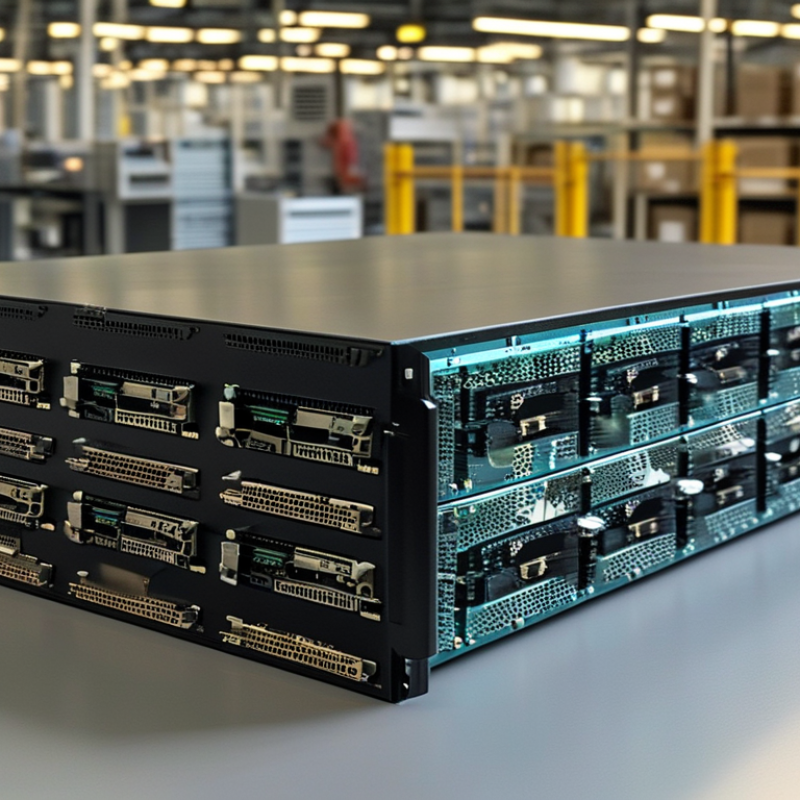
What is a 400G Optical Transceiver?
A 400G optical transceiver plays a critical role in modern data communication networks. These devices are designed to transmit and receive data at speeds up to 400 gigabits per second. This is essential for handling large volumes of information in an increasingly digital world. They are commonly used in data centers, telecommunications, and enterprise networks. The increasing demand for bandwidth makes these transceivers more valuable than ever.
At its core, a 400G optical transceiver converts electrical signals into optical signals and vice versa. This process enables high-speed data transfers over fiber optic cables. The transceiver typically contains several components, such as lasers for transmission, photodetectors for reception, and integrated circuits for signal processing. These components work together to achieve the remarkable speed and efficiency expected of modern networks. However, managing heat and ensuring reliability are ongoing challenges in the design of these devices.
The technology behind 400G transceivers is complex and constantly evolving. Each advancement brings new opportunities and potential pitfalls. For instance, while increasing capacity, one must also consider power consumption and thermal management. This balance is not always easy to achieve. Investigating these challenges can lead to more efficient designs in the future, pushing the limits of optical communication even further.
400G Optical Transceiver: Data Throughput Comparison
Key Components of 400G Optical Transceivers
400G optical transceivers are vital for modern high-speed networks. They enable the transfer of vast amounts of data, making them essential for data centers and telecommunications. The main components of these transceivers include lasers, photodetectors, and digital signal processors. Each plays a critical role in ensuring data is sent and received accurately.
Lasers in 400G transceivers generate light signals for data transmission. Typically, multiple lasers work together to achieve high data rates. Photodetectors then convert light signals back into electrical signals. This conversion is crucial for data processing and network functionality. Digital signal processors manage signal integrity, ensuring clear communication over long distances.
Tips: Check compatibility with existing infrastructure before purchasing. Pay attention to power consumption as it can impact operational costs. Regular maintenance of these components can prevent issues and improve lifespan. Lessons learned from past experiences can help in making informed decisions for future upgrades. Understanding the role of each component will lead to better optimization of network performance.
How 400G Optical Transceivers Work: A Technical Overview
400G optical transceivers represent a leap in data transmission technology. They enable network operators to achieve high bandwidth with reduced latency. Operating at 400 gigabits per second, these transceivers use advanced modulation formats like PAM4. While traditional transceivers handle data at lower rates, the demand for faster connections makes 400G essential.
Technically, 400G transceivers utilize multiple channels for data transmission. They often combine four 100G signals for improved efficiency. This configuration allows for a dense data throughput that meets the needs of modern data centers. According to industry reports, the global 400G transceiver market is projected to grow significantly, driven by increasing data traffic and cloud services.
Challenges remain in the deployment of 400G technology. Not all infrastructure can support this upgrade. Equipment compatibility and optical fiber quality impact performance. Moreover, network operators must consider cost-effectiveness versus speed improvements. As technology evolves, addressing these issues is vital for maximizing the benefits of 400G transceivers in modern networks.
Applications of 400G Optical Transceivers in Modern Networks
The 400G optical transceiver plays a crucial role in modern networking environments. It significantly enhances data transfer rates, making it ideal for data centers, enterprise networks, and telecom operators. Increasing bandwidth demands from applications like cloud computing and video streaming drive the need for such high-speed connectivity.
In these settings, 400G optical transceivers are used to support high-capacity links, reducing latency and improving overall performance. They integrate advanced modulation techniques, allowing multiple signals to travel simultaneously over a single fiber. This efficiency means that service providers can optimize their networks to better support massive data traffic.
However, implementing these technologies is not without challenges. Compatibility with existing infrastructure can be an issue, requiring updates to older equipment. Additionally, organizations may struggle with the high cost of deployment. Careful planning and evaluation are needed to balance the benefits against these complexities. The pursuit of speed and efficiency can sometimes overshadow the potential hurdles of integrating new technologies.
Future Trends in 400G Optical Transceiver Technology
The demand for high-speed data transmission is driving advancements in 400G optical transceiver technology. Analysts project the global market for optical transceivers will reach $10 billion by 2025, fueled by data center expansions and 5G networks. These transceivers are essential in enabling faster internet speeds and more efficient networking solutions.
Emerging technologies like silicon photonics are shaping the future of 400G transceivers. By incorporating advanced materials, manufacturers can create lighter, more energy-efficient devices. However, challenges remain, such as managing heat dissipation and ensuring signal integrity. Studies indicate that improving the signal-to-noise ratio is crucial for enhancing overall performance.
In addition, there is an increasing push towards pluggable transceivers, which provide flexibility and scalability in data centers. The trend towards automation in network management also highlights the need for transceivers that can self-configure. As the digital landscape evolves, these innovations are vital for meeting the growing bandwidth demands and ensuring reliability in communication networks. The field will continue to advance, but manufacturers must remain vigilant about potential pitfalls in quality and compatibility.
FAQS
: A 400G optical transceiver transmits data at 400 gigabits per second, essential for high-volume information transfer.
They convert electrical signals into optical signals, enabling high-speed data transfers over fiber optic cables.
Common components include lasers, photodetectors, and integrated circuits for processing signals effectively.
Managing heat and ensuring reliability are ongoing challenges, complicating the design process.
They allow multiple channels to transmit data, improving efficiency and reducing latency in modern networks.
Equipment compatibility and optical fiber quality are crucial for performance but can pose challenges during deployment.
Operators must weigh the high costs of 400G technology against the potential speed improvements and overall benefits.
Not all infrastructures can accommodate 400G upgrades, often necessitating updates to older equipment for compatibility.
The pursuit of speed and efficiency may overlook complexities and costs, requiring careful planning and evaluation.
As data traffic grows, addressing deployment challenges is vital for maximizing the benefits of these advanced devices.
Conclusion
A 400G optical transceiver is a critical component in modern telecommunications, enabling high-speed data transmission over optical networks. It integrates various key components such as lasers, detectors, and optical interfaces to facilitate the conversion between electrical and optical signals. Understanding how 400G optical transceivers work involves delving into their technical specifications and functionalities, which support substantial bandwidth and reduced latency in data transfer.
These transceivers find extensive applications in data centers, cloud computing, and large-scale enterprise networks, where the demand for higher data rates continues to grow. As technology evolves, future trends indicate advancements in 400G optical transceiver technology, focusing on improving efficiency, cost-effectiveness, and integration with emerging network architectures, thereby driving the deployment of more robust and scalable network infrastructures.

 Transolix