The demand for higher data transmission rates is increasing in modern networking. As applications evolve, organizations are seeking efficient solutions. One such solution is the 800G optical transceiver. Industry reports indicate that the global optical transceiver market is projected to grow at a CAGR of over 15% through 2025, fueled by the need for faster, more robust connections.
The 800G optical transceiver stands out due to its ability to support high bandwidth over long distances. This technology facilitates massive data transfers, crucial for cloud services and data centers. According to a recent study by MarketsandMarkets, 800G transceivers can significantly enhance network capacity by up to 60% compared to previous generations. These advancements allow organizations to scale their operations without a complete infrastructure overhaul.
However, transitioning to 800G solutions requires careful assessment. Factors like compatibility, cost, and existing infrastructure can present challenges. Companies must evaluate current systems to maximize the benefits of this advanced technology. Despite these hurdles, investing in 800G optical transceivers can lead to substantial long-term gains in efficiency and performance.
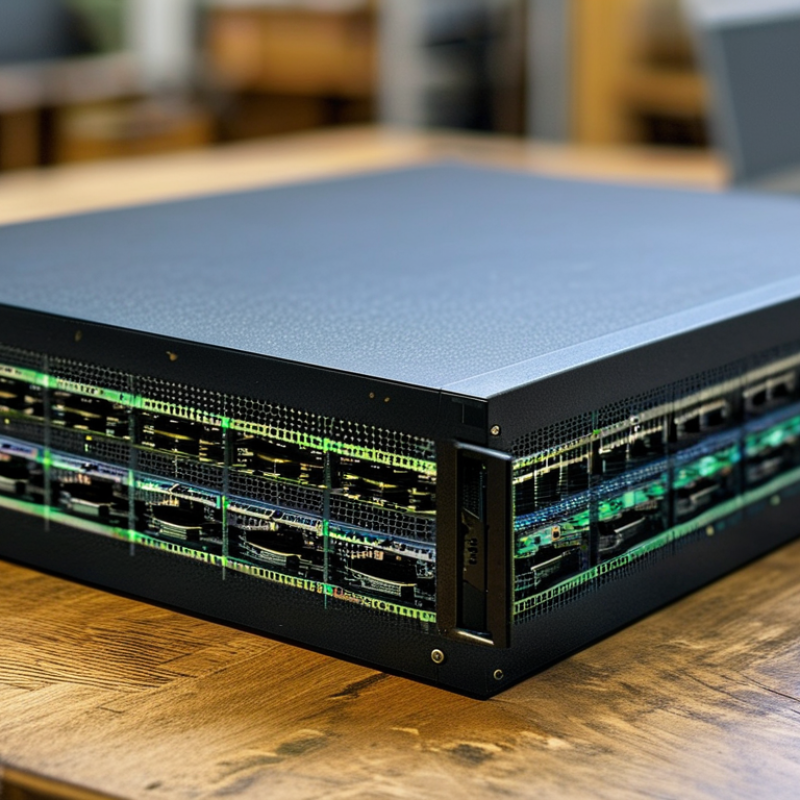
The rise of 800G optical transceivers marks a significant shift in network technology. These devices enhance data transmission speeds, reaching up to 800 gigabits per second. They are designed to cater to the growing demand for bandwidth in data centers and enterprise networks. Lower latency and higher capacity are achieved, which can greatly improve overall network performance.
However, integrating 800G transceivers into existing systems can pose challenges. Organizations must consider compatibility with current infrastructure. Additionally, the costs associated with new technology can be considerable. It's crucial to weigh these factors against the potential gains in performance and efficiency.
Further, the scalability offered by 800G transceivers is noteworthy. They can support higher data volumes, which helps future-proof network investments. Still, it's important to remain conscious of the rapid evolution of technology. What works today may need adjustment tomorrow. Continuous learning and adaptation are essential in this dynamic field.
The chart above illustrates the benefits of using 800G optical transceivers, highlighting their advantages such as higher bandwidth, reduced latency, improved energy efficiency, greater reach, and cost efficiency, rated on a scale from 1 to 10.
The advent of 800G optical transceivers marks a significant leap in bandwidth capabilities. This technology enables massive data transfers, crucial for data centers and telecom networks. With bandwidth that can reach 800 gigabits per second, organizations can handle more traffic efficiently than ever before. This increased capacity supports higher demands from cloud computing and streaming services.
Many organizations find that upgrading to 800G can reduce latency. Improved speed leads to quicker data processing, benefiting everything from online gaming to virtual reality applications. However, this transition is not without challenges. Implementing 800G requires careful planning and investment in compatible infrastructure. Upgrading old systems may involve logistical hurdles, potentially disrupting ongoing operations.
Adopting 800G technology also necessitates staff training. Employees must understand the new systems to maximize efficiency. Industry experts note that without proper training, organizations might struggle to fully utilize the capabilities of 800G. The transition period might highlight areas in need of improvement, pushing organizations to rethink their strategies for the future.
In today's rapidly evolving networking landscape, energy efficiency is a critical factor. Using 800G optical transceivers can significantly enhance network performance while reducing energy consumption. These transceivers support higher data rates, allowing for more efficient data transmission over longer distances. This efficiency translates into lower energy requirements, leading to a reduced carbon footprint. Lower energy consumption can also mean savings on operational costs for data centers.
Cost reduction is another major advantage of utilizing 800G optical transceivers. By consolidating the number of transceivers needed, organizations can save on hardware expenses. Fewer devices mean less physical space is required, which leads to lower cooling and maintenance costs. This consolidation can raise questions about long-term investments versus short-term savings. Not all organizations may see immediate financial benefits, especially those with existing infrastructures. However, transitioning to 800G technology could yield significant savings over time, despite potential initial expenses.
Thus, while the advantages are clear, businesses must reflect on their unique contexts. A careful evaluation of current systems, energy usage, and future needs will ensure that the shift to 800G optical transceivers aligns with overall strategic goals. Doing so can help organizations harness maximum benefits, paving the way toward a more sustainable and cost-efficient networking environment.
| Dimension | Description | Benefit | Value |
|---|---|---|---|
| Energy Efficiency | Reduction in power consumption per transmitted data unit | Lower operational costs | Up to 50% reduction in power usage |
| Cost Reduction | Decreased hardware requirements due to higher capacity | Reduced capital expenditure | Savings up to 30% on hardware costs |
| Scalability | Ability to easily upgrade network capacity | Future-proofing the network | Increased flexibility for growth |
| Performance | Higher data transfer rates and reduced latency | Improved user experience | Transmission speeds up to 800 Gbps |
| Environmental Impact | Lower carbon footprint due to reduced energy consumption | Sustainability goals | Significant reduction in emissions |
The advent of 800G optical transceivers significantly enhances data transmission distances. With advanced technology, these transceivers support higher bandwidth and longer reach. This helps data centers handle increasing traffic demands efficiently. As businesses grow, the need for seamless data transfer is critical. 800G optics make this possible while reducing latency.
Higher distances mean fewer repeaters are required. This improves the overall efficiency of networks. For large enterprises, this reduction translates to cost savings. However, achieving optimal performance requires careful planning. Network managers must evaluate their infrastructure thoroughly. They should also consider environmental factors that may affect signal integrity.
Tips: Always consult with professionals when upgrading systems. Even minor changes can lead to significant impacts. Regularly assess your network's performance to ensure efficiency. While 800G technology offers impressive capabilities, it’s not a one-size-fits-all solution. Reflect on your specific needs before implementing changes.
The emergence of 800G optical transceivers marks a significant shift in networking technology. These devices greatly enhance data transmission speeds and bandwidth, addressing the increasing demands for connectivity. Network operators will experience lower latency and greater efficiency, which are crucial for cloud services and high-performance computing.
Future networking trends are heavily influenced by these advancements. With the rise of 5G and IoT, the need for efficient data handling is essential. 800G transceivers support this demand by enabling more data to be transmitted simultaneously. This innovation opens pathways for new applications in artificial intelligence and big data analytics. However, the implementation requires careful planning and infrastructure upgrades, which can be challenging for some organizations.
While the benefits are clear, there are potential drawbacks to consider. Not every organization may be ready to adopt this new technology. Transitioning to 800G devices involves financial investment and requires skilled personnel. Additionally, compatibility with existing systems can be a hurdle. Understanding these challenges is vital for a smooth transition into the future of networking.
: They are devices that enhance data transmission, reaching speeds of up to 800 gigabits per second.
They provide lower latency, higher capacity, and improve overall network performance.
Yes, organizations must consider compatibility, costs, and necessary adjustments to existing infrastructure.
They allow for higher bandwidth and longer transmission distances, improving efficiency and handling traffic demand.
Yes, fewer repeaters are needed, leading to cost savings and improved network efficiency.
They should thoroughly evaluate their infrastructure and consider environmental factors affecting signal integrity.
Regular evaluations are essential to ensure ongoing efficiency and to make necessary adjustments.
No, it's important to reflect on specific needs; it's not a one-size-fits-all solution.
It’s crucial to stay updated as technology evolves rapidly, requiring adaptation for optimal performance.
Minor changes can have significant impacts; professionals can help avoid pitfalls during upgrades.
The article discusses the significant advantages of using 800G optical transceivers in modern networking. One of the primary benefits highlighted is the enhanced bandwidth, which allows for faster data transmission rates, catering to the ever-growing demand for high-speed connectivity. In addition to increased bandwidth, 800G optical transceivers also promote energy efficiency and cost reduction, making them a more sustainable choice for network infrastructure.
Furthermore, the technology supports improved data transmission distances, which is vital for long-range communication without signal degradation. As the landscape of networking continues to evolve, the impact of 800G optical transceivers is expected to drive future innovations and trends, positioning them as a key component in the advancement of network capabilities and architecture.

Transolix