As we approach 2026, the evolution of optical transceiver technologies is reshaping communication networks. These devices are crucial for enabling high-speed data transfer. They facilitate internet connectivity and communication between devices.
Innovative designs and materials are emerging in this field. Speed and efficiency are paramount as demands for bandwidth rise. Optical transceivers are evolving to meet these needs. New technologies harness cutting-edge developments. For instance, advances in silicon photonics offer promising solutions. However, challenges remain. Cost and integration continue to be barriers in widespread adoption.
The future of optical transceivers holds exciting possibilities. Companies are investing heavily in research and development. This intense focus aims to improve performance and reduce costs. Yet, the rapid pace brings uncertainty. Will all emerging technologies prove reliable and effective? Stakeholders must carefully assess advancements. The landscape will continually shift, making it essential to stay informed and adaptable.
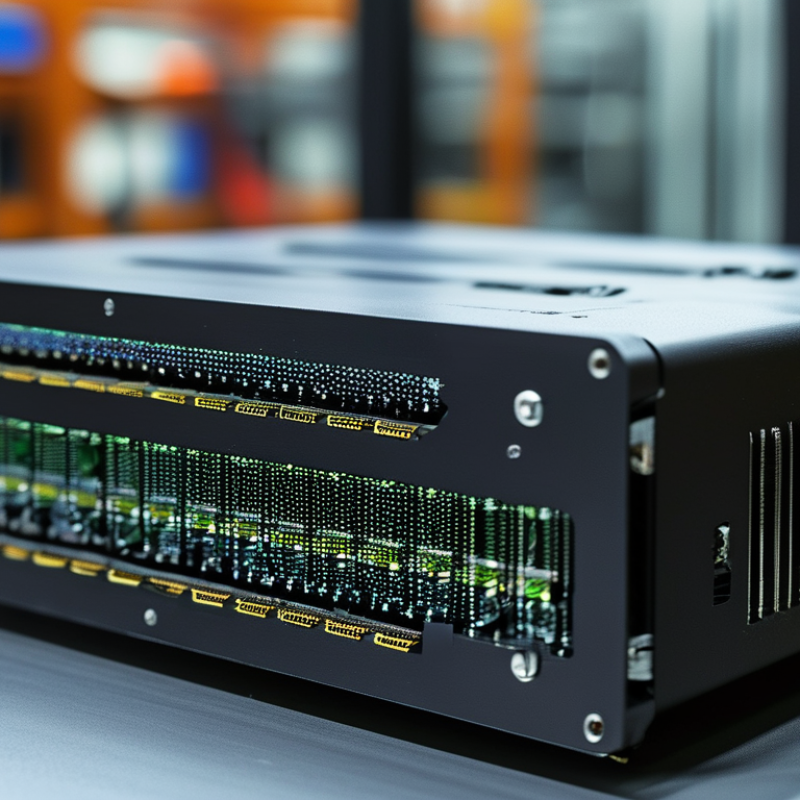
As we look towards 2026, the optical transceiver landscape is evolving rapidly. Emerging technologies are crucial for driving data transmission at unprecedented speeds. A key trend is the shift towards higher data rates. This transition reflects growing demands for bandwidth. Industry players are exploring new materials and designs.
Monolithic integration is gaining traction. This allows for reduced size and power consumption. It enhances efficiency in data centers. However, this advancement raises questions about long-term reliability and performance. Another trend is the increased use of artificial intelligence in network management. AI can optimize performance, but it introduces complexities in implementation.
Thermal management continues to be a concern. High-speed transceivers generate more heat, which may affect performance. Solutions must be developed to mitigate these risks. While advances are promising, there remains an ongoing need for industry-wide standards to ensure compatibility. Overall, the journey towards 2026 is filled with both opportunities and challenges in optical transceiver technologies.
The evolution of optical networks is being significantly shaped by the advent of 800G technology. This advancement promises improved data transmission capacities along with reduced latency. Increased bandwidth leads directly to greater efficiency, enabling networks to handle surging traffic demands. With higher data rates, organizations can manage large volumes of information seamlessly.
However, adoption of this technology comes with challenges. Existing infrastructure may need upgrades to support 800G transceivers. Compatibility issues could arise with older equipment. Planning and investment are crucial to ensure a smooth transition.
Tips: Focus on future-proofing your network. Evaluate current capabilities before integrating new technology. Streamline your network architecture to accommodate scalable solutions. Educating your team on these advancements can help in making informed decisions. Regular assessments to optimize performance should not be overlooked.
The journey towards 800G and beyond requires thoughtful consideration of both technology and tools. Collaborate with experts to unravel complexity in optical systems. Stay informed about trends and emerging technologies to maintain a competitive advantage. Understanding the broader implications of these innovations is essential for long-term success.
This chart illustrates the projected adoption of various optical transceiver technologies by 2026, highlighting the impact of 800G and beyond on future optical networks.
As we look towards 2026, the advancements in wavelength division multiplexing (WDM) present exciting possibilities. WDM allows multiple signals to travel over a single optical fiber, vastly increasing its capacity. This technology serves as a backbone for modern telecommunications, enabling faster data transmission and improved network efficiency.
Recent innovations focus on increasing channel counts while maintaining signal integrity. More channels mean more data transferred simultaneously. Enhanced techniques, such as the use of advanced lasers, help achieve better performance. However, challenges remain. Dense WDM can introduce significant complexity. Managing this complexity is crucial to avoid signal crosstalk, which can degrade performance.
The push for higher capacity is evident. Research indicates that further advancements in optical transceiver technologies are necessary. These are pivotal for meeting the growing demand for bandwidth. As networks expand, the industry must balance speed, reliability, and cost-effectiveness. Continuous innovation will be essential as we navigate the evolving landscape of optical communications. What will not change, however, is the importance of ensuring robust standards and practices in deployment.
In 2026, coherent technology will play a pivotal role in transforming optical transceiver capabilities. This advanced technology allows for higher data rates and longer transmission distances. Coherent transceivers utilize phase and amplitude variations, enhancing signal integrity. Their ability to detect phase changes allows for more efficient data processing, reducing errors.
Tip: Always assess the compatibility of coherent technology with your existing infrastructure. Upgrading can be costly, so consider a phased approach.
The increasing demand for bandwidth drives the evolution of coherent technology. As networks expand, coherent transceivers enable operators to meet growing user needs. However, these systems require precise tunings and configurations. Misalignment can lead to performance issues, which can be costly to resolve.
Tip: Regular training for technical staff is essential. It helps keep them updated on the latest advancements and troubleshooting techniques.
As coherent technology matures, new challenges arise. Cost-effectiveness remains a concern, especially for smaller operators. Balancing performance enhancements with budget constraints is crucial. Continuous evaluation of network requirements can help inform decisions on adoption.
Next-generation optical transceivers are set to revolutionize data center connectivity by enhancing cost-effectiveness. These transceivers are designed to support high-speed data transfer while maintaining energy efficiency. This dual focus is crucial as data demands continue to escalate. Organizations need solutions that deliver both performance and affordability, especially in an economy driven by rapid technological growth.
The integration of advanced materials and innovative designs is making these transceivers more reliable. For instance, newer types employ silicon photonics, promising better signal integrity and reduced latency. However, transitioning to these advanced technologies is not without challenges. Implementation costs can still be a concern for many data centers. Striking a balance between cutting-edge technology and budget constraints often requires careful planning.
Moreover, assessing the total cost of ownership becomes vital. Factors such as power consumption and maintenance should be considered alongside initial purchase prices. While promising advancements are on the horizon, not all infrastructures can adapt swiftly. Continuous evaluation of technology and investment strategies will help ensure that organizations can capitalize on emerging opportunities. Challenges remain, but understanding these dynamics is key for future growth.
: WDM allows multiple signals to travel over one optical fiber, increasing its data capacity significantly.
Innovations enhance the number of channels, enabling faster data transfer and improved network efficiency.
Managing signal crosstalk is crucial, as it can degrade performance and complicate system management.
They enhance connectivity and support high-speed data transfer while ensuring energy efficiency.
New materials, such as silicon photonics, improve reliability, signal integrity, and reduce latency.
They need to assess total ownership costs, including power consumption and maintenance, not just initial prices.
They should balance cutting-edge performance with budget constraints and careful planning is required.
No, not all infrastructures can adapt swiftly; ongoing technology evaluations are necessary for future growth.
The importance of ensuring robust standards and practices during deployment will continue to be significant.
They may face implementation costs and the need for ongoing evaluations of technology and investment strategies.
The article "Best Optical Transceiver Technologies in 2026?" explores the future landscape of optical transceivers, highlighting key emerging trends that are set to shape the industry. By 2026, significant advancements in optical transceiver technologies are anticipated, particularly with the rise of 800G solutions and beyond, which promise to enhance optical network efficiency and capacity. Innovations in Wavelength Division Multiplexing (WDM) are expected to further elevate transmission capabilities, allowing for greater data throughput.
Moreover, the integration of coherent technology is likely to play a pivotal role in improving data rates and extending reach, thereby meeting the demands of modern data centers. As these technologies evolve, cost-effectiveness will become increasingly crucial, ensuring that next-generation optical transceivers remain accessible and practical for widespread deployment. Overall, the trajectory of optical transceiver advancements indicates a transformative era for data communication networks.

Transolix