Choosing the best single mode transceiver from China requires more than comparing prices. Network operators must examine reach, wavelength stability, power consumption, coding support, and supplier reliability. In a real data center, a small compatibility problem can interrupt a 10-kilometer fiber link and delay deployment.
Market evidence supports a careful approach. LightCounting’s optical transceiver market analyses identify data-center upgrades, higher-speed Ethernet, and coherent transport as major demand drivers. Dell’Oro Group’s Ethernet Switch reports also emphasize the growing importance of scalable port speeds and dependable optical connectivity. These findings suggest that the best single mode transceiver is not simply the cheapest module. It should match the switch, fiber route, transmission speed, and operating environment.
China has several established suppliers, including Eoptolink, Innolight, Hisense, Huawei, and H3C. Their product strengths differ across 10G, 25G, 100G, 400G, and coherent applications. Certifications, digital diagnostics, temperature ratings, and documented interoperability deserve close attention. Compliance with standards such as IEEE and MSA specifications also reduces integration risk.
But no ranking is absolute. Testing matters.
A practical comparison should include optical power readings, receiver sensitivity, error performance, thermal behavior, and vendor support. Independent reports provide market context, yet field validation reveals the details that brochures may overlook. Buyers should request samples, verify coding compatibility, and review warranty terms before selecting a supplier.
This article examines leading Chinese options through performance, reliability, compatibility, cost, and after-sales service. The goal is not to promote one brand blindly. It is to identify the strongest choice for each network scenario.
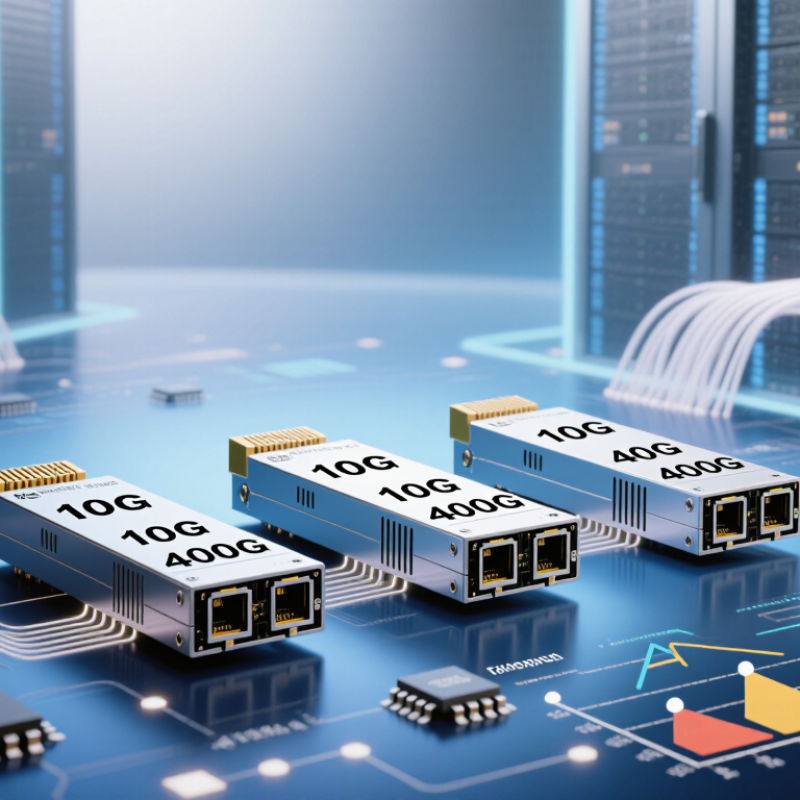
What Is the Best Single Mode Transceiver from China?
A single-mode transceiver converts electrical data into optical signals and sends them through a narrow-core fiber. Its core is usually about 9 micrometers wide. That small path carries light over long distances with low signal loss. Common operating wavelengths include 1310 nm and 1550 nm. The transceiver receives returning light and changes it back into electrical data for a switch or router.
In practical installations, the best unit is not simply the cheapest one. Check its transmission distance, connector type, data rate, operating temperature, and host compatibility. Digital optical monitoring can report temperature, voltage, bias current, and received power. This information helps technicians find weak links before service fails. I also examine test records and traceability from Chinese manufacturers. Reliable suppliers should explain how each module is tested against recognized communication standards.
Small details matter. A clean connector matters.
A datasheet may look complete, yet compatibility problems can still appear after installation. I have seen modules work during a short bench test but fail under higher temperatures. That is why I prefer staged testing, including traffic load, fiber-loss measurement, and equipment restart checks. Some specifications also deserve doubt when they lack measurement conditions. The “best” single-mode transceiver is therefore the one with verified performance, stable coding, clear technical support, and suitable reach for the actual fiber route. My judgment may change after field evidence.
It converts electrical data into optical signals for narrow-core fiber. The core is usually about 9 micrometers wide. It also converts returning light back into electrical data. Small path, long reach.
Common operating wavelengths include 1310 nm and 1550 nm. The correct choice depends on fiber distance, equipment, and network design. A wavelength mismatch can prevent communication.
Check transmission distance, connector type, data rate, temperature range, and host compatibility. Confirm the actual fiber route, not only the advertised reach. A short bench test may hide field problems.
A low price may hide weak testing, unclear documentation, or poor support. Replacement work and delays can increase the total cost. Cheap can become expensive.
Request output power, receiver sensitivity, insertion loss, and bit error rate results. Ask for lot records, serial-number traceability, and inspection procedures. Test conditions should be clearly stated.
It can report temperature, voltage, bias current, and received optical power. These readings help technicians identify weak links before service fails. Measurements still need careful interpretation.
Confirm coding, firmware compatibility, connector design, and supported equipment before ordering. Use a sample order before mass production. Restart checks and traffic-load tests are useful.
Check the coverage period, failure definition, replacement process, shipping responsibility, and response time. Also review packaging, delivery consistency, minimum order quantities, and customization limits. Long warranty wording alone proves little.
Dust on a connector can weaken optical performance and create unstable links. Staged testing should include traffic load, fiber-loss measurement, temperature checks, and equipment restarts. I would still question any result without field evidence.
Choosing the best single mode transceiver from China requires more than comparing prices. A single mode transceiver is designed to transmit data over long distances through single-mode fiber, using a focused optical signal to support stable, high-speed communication. When evaluating options, network operators should examine transmission distance, data rate, wavelength, optical power, receiver sensitivity, operating temperature, power consumption, and diagnostic functions. These factors help determine whether a transceiver is suitable for data centers, telecommunications networks, enterprise backbones, or access networks.
Compatibility is equally important. Buyers should verify compliance with common industry standards, connector and fiber requirements, equipment interoperability, and coding support. Pricing should be considered alongside component quality, production consistency, testing procedures, warranty coverage, and technical support. A reliable supplier should provide clear specifications, traceable quality control, responsive service, and practical compatibility guidance. The best choice is therefore the model that balances performance, reliability, lifecycle cost, and supplier credibility for the intended network application.

 Transolix