Choosing the right optical transceiver manufacturer is crucial for network performance. The optical transceiver market is projected to grow from $3.74 billion in 2020 to $10.55 billion by 2026, according to a report by Markets and Markets. This rapid growth emphasizes the importance of selecting a reliable supplier, as subpar products can lead to significant inefficiencies.
Industry expert Dr. Emily Zhou, a leading researcher in optical communications, states, "The choice of an optical transceiver manufacturer can profoundly impact the entire network's efficiency." This highlights the need for careful consideration in vendor selection. Many manufacturers claim to offer high-quality products, but not all meet industry standards. It is essential to evaluate their track record and customer feedback.
A strong reputation and proven expertise are vital. Analyze technical specifications and test results. Additionally, consider after-sales support and warranty terms. The manufacturer's commitment to innovation is also a critical factor. As the industry evolves, staying ahead with advanced technologies is a must. Relying on a manufacturer with a robust R&D foundation can make a significant difference.
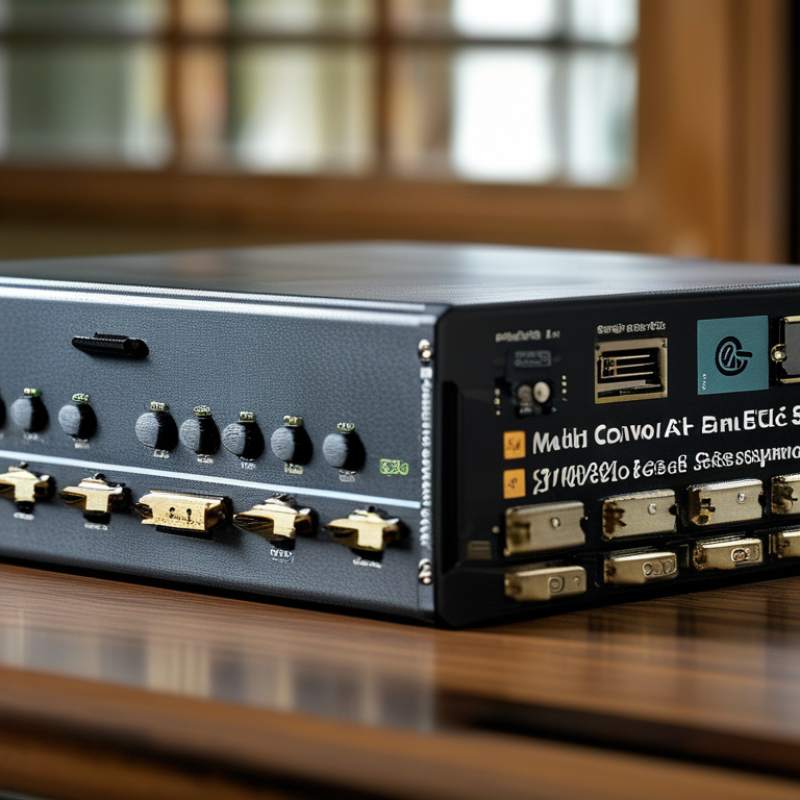
Optical transceivers play a crucial role in modern networks. They convert electrical signals to optical signals and vice versa. This conversion is essential for high-speed data transmission over vast distances. According to a recent study, the global optical transceiver market is expected to reach $10 billion by 2026, driven by the demand for faster internet and data center expansions.
These devices are vital in data centers, telecommunications, and broadband applications. Their reliability directly impacts network performance. An unreliable transceiver can lead to increased latency and diminished data integrity. It’s vital to choose a manufacturer known for quality and performance. Lack of standards can lead to compatibility issues, ultimately affecting your network's efficiency.
Tips: Always evaluate a manufacturer’s certifications and industry standards. Look for companies with a proven history of innovation. Ask for references from existing clients to gauge reliability. Assess the warranty and support options available. Competitive pricing should not overshadow the quality of the product. Prioritize reliability over initial cost savings.
Choosing the right optical transceiver manufacturer involves careful consideration of several factors. Reliability is crucial. A manufacturer should have a proven track record of delivering consistent, high-quality products. Check their performance data and industry reviews to gain insight into their reliability metrics.
Expertise matters as well. Look for manufacturers with deep knowledge in optical technologies. Their experience can significantly impact product design and performance. A company that invests in R&D often produces better quality products. Consider their ability to innovate and adapt to industry trends.
Customer support is another vital aspect. Effective communication can troubleshoot issues quickly. Manufacturers with dedicated support teams instill confidence in their customers. Don't underestimate the importance of a responsive team. It's essential to engage with potential manufacturers to assess their commitment to service.
The optical transceiver industry has seen significant growth and innovation. Many manufacturers work to provide highly efficient, reliable products. Current market trends suggest a shift towards faster data rates and compact designs. These changes reflect the increasing demand for high-speed internet and effective data transmission in various sectors.
Many leading manufacturers prioritize research and development. Their focus is on enhancing product performance and reducing costs. However, some companies struggle to keep up with technological advancements. Inconsistent quality can lead to issues in data integrity and transmission reliability. It is crucial to assess a manufacturer's expertise and history in the industry before making a decision.
Emerging technologies, such as 5G and IoT, drive manufacturers to innovate continuously. Companies need to adapt to these demands swiftly. Evaluating supply chain reliability and customer support is also essential. The best manufacturers guide clients through the selection process, ensuring optimal choices for specific needs. Reliability in service can be as important as the products themselves. Balancing quality and affordability remains a challenge worth considering.
When selecting an optical transceiver manufacturer, understanding quality standards is essential. Certifications like ISO 9001 reflect a company’s commitment to effective quality management systems. A manufacturer holding such certifications demonstrates a structured approach to maintaining product quality. This can be a good indicator of reliability.
Assessing a manufacturer's compliance with industry standards ensures their products meet specific performance criteria. Look for compliance with standards such as Telcordia GR-468 and IEC 61754. These standards ensure that the transceivers are robust and suitable for various applications. Regular audits add another layer of trust. Frequent evaluations can pinpoint areas in need of improvement or compliance failures.
Experience in the field is another crucial factor. A long-standing manufacturer may have faced and resolved many challenges. However, newer companies can also offer innovative solutions. Research can reveal the history and performance of various manufacturers. Quality isn't always consistent; sometimes, even experienced manufacturers can falter. Monitoring user reviews can provide insight into real-world performance and reliability.
When selecting an optical transceiver manufacturer, the balance between cost-effectiveness and performance is critical. Industry reports indicate that performance variances can exceed 30% across different transceiver models. A cheaper option may save money upfront but could lead to significant long-term costs due to failures or low efficiency. For example, organizations can lose up to $300,000 annually due to unreliable connectivity.
Another essential factor is compatibility. Transceivers need to integrate seamlessly with existing infrastructure to avoid additional expenses. Poor compatibility can reduce bandwidth by approximately 15%, hindering network efficiency. Always scrutinize data sheets and ask for case studies before making a decision.
Tips:
- Look for manufacturers with proven reliability and industry certifications.
- Verify performance metrics with quantified assessments before purchasing.
- Consider total cost over the product's lifecycle, not just upfront expenses.
Understanding these elements can guide businesses in making informed choices. Right decisions can safeguard against failures that lead to downtime and financial losses. Investing in a high-quality transceiver may require a larger initial outlay, but the long-term benefits often far outweigh the initial savings.
| Parameter | Cost-Effectiveness | Performance | Suitability |
|---|---|---|---|
| Standard Compliance | Low-cost options often comply with basic standards | High compliance with advanced standards | General use in standard networks |
| Longevity of Supply | Shorter supply duration for low-cost | Long-term support and availability | Recommended for critical applications |
| Reliability | Variable; potential for reduced reliability | Highly reliable performance | Ideal for mission-critical systems |
| Technical Support | Limited support options | Comprehensive technical support available | Recommended for complex deployments |
| Warranty | Short warranty periods | Extended warranties available | Best for long-term investments |
: The industry is focusing on faster data rates and compact designs due to increased demand for high-speed internet.
It enhances product performance and reduces costs, helping manufacturers stay competitive in a fast-evolving market.
Assess the manufacturer’s expertise and history to ensure they can deliver reliable products consistently.
Technologies like 5G and IoT demand continuous innovation, pushing companies to adapt swiftly to market changes.
Compatibility ensures seamless integration with existing infrastructure, preventing additional expenses and efficiency losses.
Many focus solely on upfront costs, ignoring potential long-term expenses related to performance and reliability.
Unreliable connectivity can lead to substantial losses, sometimes reaching $300,000 annually due to downtime.
Performance can vary by over 30%, which highlights the importance of choosing the right model for efficiency.
It's vital to verify performance metrics through quantified assessments and check data sheets before purchasing.
Good customer support helps guide through choices, ensuring that the selected products meet specific business needs.
Choosing the right optical transceiver manufacturer is crucial for optimizing network performance in today's digital landscape. Optical transceivers play a vital role by enabling high-speed data transmission over optical fiber networks. When evaluating potential manufacturers, it is essential to consider key factors such as product quality, certification standards, and market trends that reflect industry leaders. Additionally, finding the balance between cost-effectiveness and performance is critical, ensuring that the selected transceivers meet the specific operational demands without compromising on quality.
To make an informed decision, it's important to assess the manufacturer's reputation, the quality assurance processes they have in place, and the range of products offered. Understanding these elements will not only aid in selecting a reliable optical transceiver manufacturer but also contribute to optimizing the overall performance of modern networks.

Transolix