In today’s fast-paced technology landscape, choosing the right networking equipment is crucial. The QSFP transceiver has emerged as a top choice for network professionals. Experts like Dr. Emily Chen, a renowned optical networking engineer, emphasize its importance. She states, "The QSFP transceiver provides speed and flexibility for modern networks."
With its compact design, the QSFP transceiver supports high data rates, making it ideal for data centers and enterprise applications. It enables efficient data transmission over short and long distances. This flexibility can enhance network performance and scalability. However, not everyone recognizes its potential fully.
Some may overlook the nuances of compatibility and installation processes. An understanding of different QSFP variants is necessary. An ill-informed choice can lead to networking bottlenecks. Despite the challenges, the benefits often outweigh the drawbacks. This transceiver remains a reliable component in building robust networking solutions.
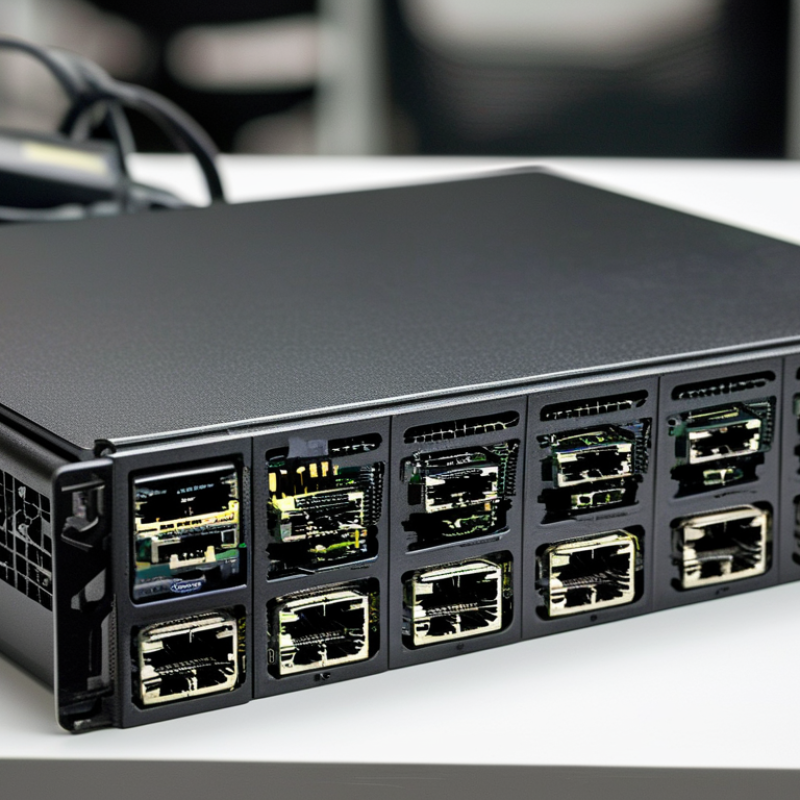
QSFP transceivers are pivotal in modern networking. Their compact design offers high-speed data transmission, meeting bandwidth demands. Industry data shows that the global QSFP market is expected to reach $12 billion by 2025, highlighting their importance. These modules support multiple protocols, including Ethernet and Fibre Channel, and can provide data rates up to 400 Gbps.
Efficiency is key with QSFP transceivers. They utilize less power per bit compared to older transceiver types. A recent report indicated that up to 30% power savings can be achieved with QSFP solutions. This efficiency is particularly relevant for data centers, where energy costs can significantly affect overall operations.
While QSFP technology is advanced, it also presents challenges. Compatibility issues may arise when integrating with older systems. Furthermore, network managers must ensure proper cooling and ventilation as dense deployments can lead to overheating. Continuous education and monitoring are essential to optimize performance and reliability.
When it comes to networking, QSFP transceivers stand out due to their remarkable advantages. They offer high data rates, capable of supporting 40 Gbps to 100 Gbps. This is crucial for data centers that require fast and efficient data transmission. With the growth of cloud computing, faster connections are increasingly vital.
Another significant benefit is their versatility. QSFP transceivers are compatible with various network configurations. They can be used in 40G, 100G, and even newer standards. This adaptability helps businesses save on costs and simplifies network management. However, it’s essential to ensure compatibility with existing hardware to avoid potential issues.
Reliability is another key aspect. QSFP transceivers are designed for long-term performance. They offer low latency and high durability. Still, they require careful handling and regular monitoring. Over time, connections can degrade if not maintained, leading to performance lags. Understanding these nuances helps maximize the benefits of QSFP technology in any networking environment.
| Advantage | Description | Use Case |
|---|---|---|
| High Density | Allows multiple connections within a compact form factor, saving space in data centers. | Data centers with limited space. |
| High Speed | Supports data rates of up to 400 Gbps, enabling faster data transfer. | High-performance networking applications. |
| Versatility | Compatible with various networking standards (IEEE, etc.), providing flexibility in deployment. | Mixed networking environments. |
| Cost-Effective | Reduces the need for multiple transceivers, lowering overall costs. | Budget-conscious projects. |
| Ease of Use | Plug-and-play installation simplifies setup and maintenance. | Environments requiring quick deployments. |
When choosing a transceiver, the QSFP type stands out. It supports high data rates, up to 400 Gbps, which is crucial for modern networks. This speed can efficiently manage large amounts of data traffic. However, it's important to consider other transceiver types like SFP and SFP+. These options are often cheaper and widely available but offer lower speeds.
SFP transceivers typically support data rates up to 1 Gbps. They are suitable for smaller networks or less intensive applications. SFP+ can handle 10 Gbps but still falls short of QSFP capabilities. While they may be less expensive, the trade-off is the performance. Many might face challenges in future-proofing their networks if they choose only lower-speed options.
Quality is another important factor. QSFP modules often provide better reliability. Data center environments can be demanding, and QSFPs tend to handle such conditions well. Still, some users report compatibility issues. It is essential to assess current and future networking needs before making a choice. Balancing budget constraints with long-term goals can drive better decisions.
QSFP transceivers have become a cornerstone of modern network infrastructure. They cater to data centers, enterprise networks, and telecommunications, enabling faster data transmission and greater bandwidth. Industry reports suggest that by 2025, the QSFP transceiver market is expected to reach $12 billion, driven by the rising demand for high-speed connections.
In data centers, QSFP modules allow high-density connections. This is vital as organizations manage increasing data loads. For instance, a typical QSFP-128G connection can transmit data at 128 Gbps. This capacity supports cloud services, streaming, and big data analytics. With 5G networks rolling out, the need for agile and efficient infrastructure is critical.
However, challenges persist. Implementing QSFP transceivers requires skilled personnel to optimize performance. Not all networks can leverage their full potential without proper planning. Ensuring compatibility with existing systems can also complicate investments. As organizations adapt, the choice of QSFP should be informed by both immediate needs and future scalability. Balancing costs with technological advancements will be essential in the coming years.
When selecting a QSFP transceiver, several important factors should guide your decision. Start with compatibility. Ensure the transceiver matches your equipment's specifications. Different devices may require different types, such as QSFP+ or QSFP28. Compatibility issues can lead to performance problems or network failures.
Next, consider the transmission distance. QSFP transceivers support various distances, from short-range to long-range connections. Understand your network layout and choose a transceiver that meets these needs. Cost is another critical factor. High-end models can be expensive, but cost-effective options are available. Balance your budget with the features you need.
Lastly, think about manufacturer support and warranty. Reliable vendors often provide better after-sales service. Research user reviews and testimonials for insights into product reliability. This feedback can reveal common issues and areas for improvement. You may find potential pitfalls, like frequent failures or compatibility concerns, through honest user experiences. Selecting a QSFP transceiver is not just about specs; it’s about aligning with your network’s unique requirements.
: QSFP transceivers are essential for high-speed data transmission in networking. They meet current bandwidth demands effectively.
QSFP solutions can achieve up to 30% power savings compared to older transceiver types. This is crucial for data centers.
QSFP transceivers accommodate various distances. They are suitable for both short-range and long-range connections.
Compatibility ensures the transceiver matches your equipment. Improper selection can lead to performance issues or network failures.
Evaluate your budget against required features. High-end models exist, but more affordable options may also meet your needs.
Opt for vendors with reliable after-sales service. Good support often leads to better product performance and user satisfaction.
Yes, challenges include potential compatibility issues with older systems and the need for adequate cooling in dense deployments.
User reviews reveal common issues, like failures. They provide insights that may help avoid potential pitfalls in performance.
Consider compatibility, transmission distance, cost, and manufacturer support when making your selection.
Dense setups may lead to overheating. It’s important to ensure proper cooling and ventilation for optimal performance.
The QSFP transceiver (Quad Small Form-factor Pluggable) has become a staple in modern networking due to its high performance and versatility. This device allows for multiple data transmission rates, including 40Gbps and 100Gbps, enabling efficient communication across various network infrastructures. Its compact design and ability to support multiple wavelengths make it an ideal choice for data centers and enterprise networks seeking to optimize bandwidth and speed.
Furthermore, when compared to other transceiver types, the QSFP transceiver stands out for its significant advantages, such as reduced power consumption and increased port density. As organizations increasingly rely on robust and scalable networking solutions, understanding the various applications of QSFP transceivers and the factors influencing their selection is essential for maintaining an efficient and reliable network.
Transolix