Why Choose the Right Data Center Optical Transceiver for Your Needs?

Time:2026-08-22 Author:Mason
0%

Choosing the right data center optical transceiver is crucial for efficient network performance. These components play a vital role in data transmission. They connect servers, switches, and storage systems, ensuring seamless communication.

Many factors affect your decision. Factors such as speed, distance, and compatibility must be considered. A mismatched transceiver can lead to significant issues. It's essential to understand your specific needs and requirements. Opting for a reliable transceiver means fewer disruptions and better uptime.

In this fast-paced digital age, selecting the appropriate data center optical transceiver cannot be overlooked. An informed choice can prevent future challenges. It’s not just about immediate needs. Long-term reliability and performance are key. Evaluate all options carefully before making a decision.
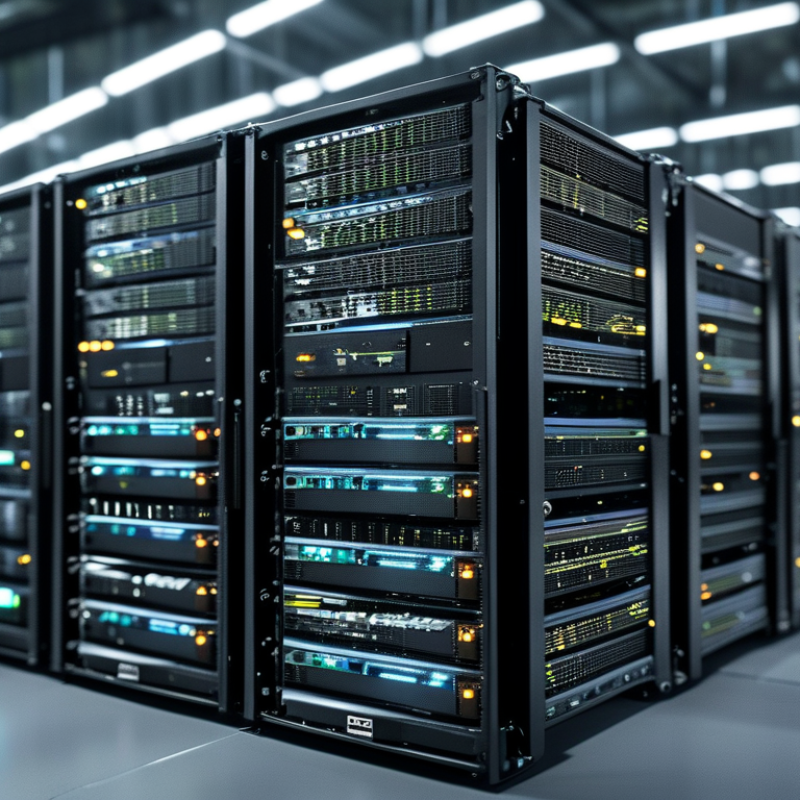
Why Choose the Right Data Center Optical Transceiver for Your Needs?

Understanding Data Center Optical Transceivers and Their Functions

Data center optical transceivers play a crucial role in today's interconnected world. They are responsible for transmitting data over fiber optic cables, ensuring high-speed communication. According to a report by Research and Markets, the global optical transceiver market is projected to reach $18.8 billion by 2027, growing at a CAGR of 16.4%. This growth reflects the increasing demand for bandwidth and faster data transmission rates.

Understanding the functions of these transceivers is essential. They convert electrical signals to optical signals and vice versa, enabling efficient data transfers. Modern data centers often utilize various types of transceivers, including SFP, SFP+, and QSFP, each designed for specific needs, bandwidth requirements, and distances. For instance, a QSFP+ transceiver can support four independent data channels, significantly enhancing performance. However, selecting the right transceiver can be challenging due to factors like compatibility, power consumption, and cost-effectiveness. This complexity reflects the need for careful consideration before making a decision.

There are instances where inadequate knowledge leads to suboptimal choices. A survey conducted by Dell’Oro Group noted that 35% of data center managers faced challenges in integrating their transceivers with existing systems. This highlights the importance of understanding the specific requirements of a data center's architecture before investing. Accurate specifications and thorough research can prevent costly errors and enhance operational efficiency.

Data Center Optical Transceiver Performance Metrics

This bar chart displays the average data transfer rates (in Gbps) of different types of optical transceivers commonly used in data centers. Understanding these metrics can help you choose the right transceiver for your needs.

Key Factors to Consider When Choosing an Optical Transceiver

Choosing the right optical transceiver for your data center is crucial. Various factors influence this decision. The first consideration is compatibility. Ensure the transceiver matches your network’s architecture and standards. This affects performance and efficiency. Look into the data rates each transceiver supports. Different applications require specific rates to function optimally.

Another key aspect is distance. Consider how far the signal needs to travel. Some transceivers are designed for short distances, while others can cover greater lengths. Additionally, think about the environment where the transceiver will be deployed. Factors like temperature and humidity might impact performance.

Cost is also a significant factor. While a cheaper option may seem appealing, consider the long-term reliability and potential hidden costs. Sometimes, cheaper products lead to replacements earlier than expected. Technical support and warranty terms also deserve attention. These factors contribute to the overall reliability of your optical transceiver choice. Making informed choices will ultimately enhance your network’s performance and lifespan.

Types of Optical Transceivers: Pros and Cons for Data Centers

When selecting optical transceivers for data centers, understanding the types available is crucial. Different transceivers, like SFP, SFP+, and QSFP, each offer distinct advantages. SFPs are compact and cost-effective. However, they may not provide the highest bandwidth. On the other hand, QSFPs support higher data rates and longer distances, making them ideal for demanding applications. Yet, their complexity can be a downside.

Balancing pros and cons is essential. SFP+ transceivers strike a good balance between speed and cost, but they may require more frequent replacements than others. Additionally, the choice often hinges on specific use cases. Networking needs evolve, and a transceiver that seems capable today might not meet future demands. Consult with experts to align your choices with growth ambitions.

Another aspect to consider is compatibility with existing infrastructure. Mismatched technologies can lead to performance bottlenecks. Therefore, a thoughtful approach in evaluating these options can yield significant long-term benefits. Regularly reassessing your optical transceiver needs ensures your data center equipment remains efficient and effective.

Evaluating Performance Metrics for Optical Transceivers

When selecting the right optical transceiver for data center applications, evaluating performance metrics is crucial. Performance metrics encompass various factors like data rate, wavelength, and distance. According to a recent market report, nearly 70% of enterprises prioritize these metrics when choosing transceivers. High-performance transceivers can support data rates exceeding 400 Gbps. This can significantly enhance overall data center efficiency.

Latency and power consumption are also critical metrics. Transceivers should have low latency to improve the speed of data transmission. Studies show that a reduction in latency can directly impact application performance. Additionally, optical transceivers with lower power consumption contribute to a more sustainable data center operation. A recent study indicates that energy-efficient models can reduce operational costs by 20-30%.

Data centers must carefully review these metrics to ensure they meet specific needs. However, organizations often overlook the importance of compatibility with existing infrastructure. Compatibility issues can lead to increased costs and reduced performance. It's essential to ensure that transceivers can integrate seamlessly into current systems. This attention to detail can save time and resources in the long run.

Cost Considerations and Long-term Value of Optical Transceivers

Choosing the right optical transceiver is vital for data centers. Cost isn’t just about the initial price. Long-term value can vary tremendously based on performance and reliability. A cheaper transceiver might seem appealing, but hidden costs often emerge. Consider factors like power consumption and maintenance expenses. These can accumulate and lead to higher total costs over time.

Optical transceivers play a significant role in data transmission efficiency. Selecting a high-quality option can enhance speed and reduce downtime. However, not every costly transceiver guarantees superior performance. Some may offer features that your setup doesn’t require. Conduct thorough research to align your choice with specific needs.

In addition, compatibility with existing infrastructure is crucial. A transceiver that works well in one environment may not suit another. Always evaluate the expected life span of the equipment. It helps mitigate the risk of needing replacements sooner than anticipated. Balancing cost with long-term benefits requires careful thought and understanding.

FAQS

: What types of optical transceivers are commonly used in data centers?

: Common types include SFP, SFP+, and QSFP, each with unique advantages and disadvantages.

What are the benefits of using SFP transceivers?

SFPs are compact and cost-effective but may not support the highest bandwidth.

How do QSFP transceivers differ from SFPs?

QSFPs support higher data rates and longer distances, ideal for demanding applications, but are more complex.

What should I consider regarding transceiver performance?

Evaluate metrics such as data rate, latency, wavelength, and power consumption to ensure suitable performance.

Why is compatibility with existing infrastructure important?

Mismatched technologies can lead to performance bottlenecks and increased costs in data centers.

Can cheaper transceivers lead to higher overall costs?

Yes, hidden costs like power consumption and maintenance can increase total expenses over time.

How can I ensure my chosen transceivers suit future needs?

Regularly reassess your needs as networking demands evolve to avoid future mismatches.

What role do energy-efficient transceivers play?

These models reduce operational costs and contribute to more sustainable data center operations.

What is the downside of SFP+ transceivers?

They offer a balance of speed and cost but may require more frequent replacements.

Conclusion

Choosing the right data center optical transceiver is crucial for optimizing network performance and ensuring reliable connectivity. Understanding the functions of these transceivers is the first step, as they play a vital role in data transmission. When selecting an optical transceiver, key factors such as compatibility, transmission distance, and bandwidth requirements should be carefully considered. Additionally, the various types of transceivers available come with their own sets of advantages and drawbacks, which makes evaluation important.

Performance metrics, such as data rate, power consumption, and signal integrity, are essential for assessing an optical transceiver’s efficiency. Furthermore, it’s vital to weigh cost considerations against the long-term value that a quality transceiver can provide, as initial investments may lead to significant savings down the line. In conclusion, making informed decisions about data center optical transceivers can greatly enhance network infrastructure and overall operational effectiveness.

Mason

Mason

Mason is a seasoned marketing professional with a deep expertise in the company's offerings and a passion for driving brand awareness. With a strong background in digital marketing strategies, he has an innate ability to connect with diverse audiences and effectively communicate product benefits.......