How to Choose the Right Fiber Optic Transceiver for Your Needs?

Time:2026-06-26 Author:Madeline
0%

Choosing the right fiber optic transceiver is crucial for optimizing network performance. With numerous options available, it can be overwhelming. Understanding your specific needs and the technical specifications of transceivers is essential.

For instance, consider the distance your signals must travel. Different models support varying ranges. Some are designed for short distances, while others excel over long spans. Additionally, pay attention to the data rate. Higher rates ensure faster data transmission but may come at a higher cost.

Quality matters too. Reliable fiber optic transceivers can significantly reduce system failures. However, not every transceiver delivers the same level of performance. It’s vital to research brands and read reviews. Investing time in understanding these details can prevent future disappointments. Making an informed choice today will enhance your network's efficiency for years to come.
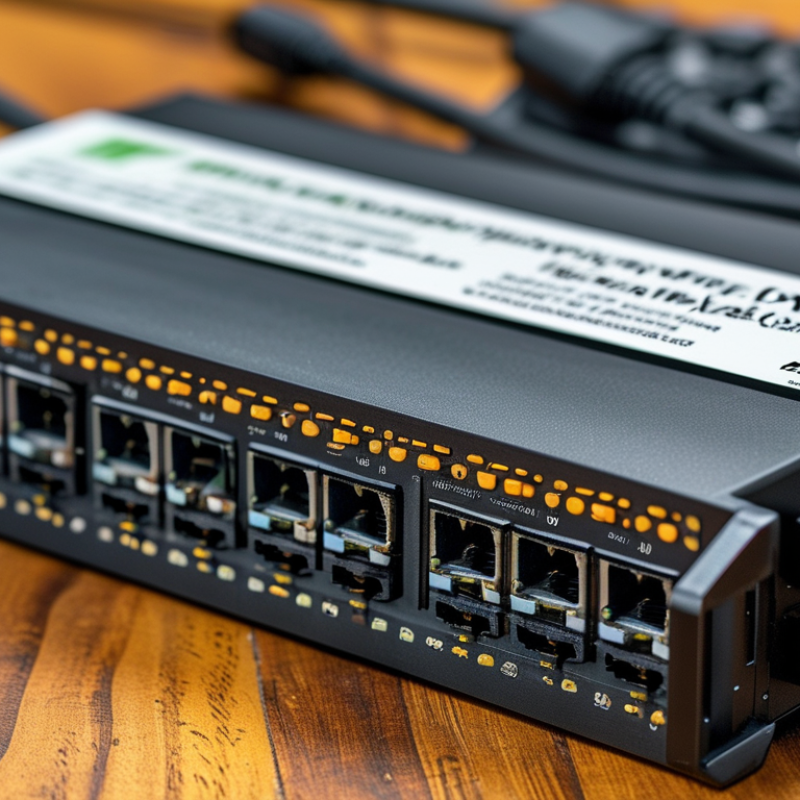
How to Choose the Right Fiber Optic Transceiver for Your Needs?

Understanding Fiber Optic Transceivers: An Overview of Key Components

Fiber optic transceivers are essential components in modern telecommunication systems. They serve to convert electrical signals into optical signals and vice versa. Understanding the key components of these devices is crucial for selecting the right one. The main parts include the transmitter, receiver, and interface. Each plays a significant role in ensuring efficient data transmission.

The transmitter converts the electrical signal into light. This light travels through the optical fiber. The receiver does the opposite, turning the light back into an electrical signal. An essential aspect to consider is the type of interface used. Different interfaces offer various data rates and distances. Compatibility with existing infrastructure is key.

While technical specifications are important, real-world experiences matter too. Users often face challenges, like signal attenuation or distance limitations. Reflection on previous installations can provide valuable insights. It’s not only about choosing the fastest transceiver, but also about what suits your specific environment and needs. Balancing performance with practicality is often an ongoing journey.

Factors to Consider When Selecting a Fiber Optic Transceiver

When selecting a fiber optic transceiver, various factors must be weighed carefully. The first consideration is the compatibility with existing equipment. Ensure your chosen transceiver matches the specifications of your network devices. Check if you need single-mode or multi-mode fiber. Each type serves different distances and data rates.

Another essential aspect is the data rate required for your applications. Higher data rates enable faster data transmission. However, they often come at a higher cost. Determine your peak usage times and bandwidth needs before deciding. Do not overlook power consumption, too. Lower energy usage can save costs over time.

Tips: Always verify the transceiver's documentation. This assists in understanding its limits. Look for transceivers that provide clear technical support. It’s okay to ask questions and seek guidance. If issues arise, reflect on previous selections to improve future choices. Investing time in research prevents costly mistakes later on.

Assessing Compatibility with Existing Network Infrastructure

When selecting a fiber optic transceiver, compatibility with existing network infrastructure is crucial. Different networks operate on varying standards, and failing to align these can lead to inefficiencies. Begin by assessing the current technology used in your network. Check the wavelength, data rates, and interface types. Each of these factors plays a pivotal role in achieving desired performance.

Make sure to examine the physical interface of your existing devices. Many transceivers may fit in the same slot but differ in standard compliance. For instance, a transceiver designed for 10G applications might not work efficiently in a 1G setting. Compatibility issues can lead to reduced speeds or outright failures, compromising your entire network operation.

Consider the type of cable and connections used in your network. Specific transceivers may require single-mode or multi-mode fibers. Proper matching is essential for optimal data transmission. Additionally, it’s worth reflecting on future scalability. What works now may not be sufficient later. Ensure your choice of transceiver allows for easy upgrades without the need for significant infrastructure changes. This foresight can save time and resources in the long run.

How to Choose the Right Fiber Optic Transceiver for Your Needs? - Assessing Compatibility with Existing Network Infrastructure

Transceiver Type Data Rate (Gbps) Range (km) Connector Type Wavelength (nm) Compatibility
SFP+ 10 10 LC 850 Multi-mode
SFP28 25 70 LC 850 Multi-mode
QSFP+ 40 150 MPO 850 Multi-mode
QSFP28 100 70 MPO 850 Multi-mode
XFP 10 80 LC 1550 Single-mode

Evaluating Performance Requirements: Speed, Distance, and Environment

When selecting a fiber optic transceiver, performance requirements play a crucial role. Understanding speed, distance, and environment can significantly impact your choice. According to the Fiber Optic Association, different transceiver types offer varying speeds, ranging from 1 Gbps to 400 Gbps. The necessary bandwidth can depend heavily on the application, such as data center interconnects versus local area networks.

Distance is another critical factor. Some transceivers, like SFP+ modules, are suitable for 300 meters, while others like QSFP28 can reach several kilometers. The Fiber Optic Standards Committee reports that properly matching your transceiver to your distance needs can improve signal quality. Consider the environment as well; transceivers may be rated for indoor or outdoor use. Environmental factors such as temperature and humidity can affect performance.

Tip: Always verify your network’s current and future bandwidth needs. This foresight can prevent costly upgrades down the line.

Choosing the right transceiver isn’t always straightforward. The best option might shift as technology improves. Keep an eye on industry trends. Regularly revisiting your choices can ensure your network remains efficient and up to date.

Tip: Consult with industry standards and guidelines. They can provide valuable insights into making informed decisions.

Cost Analysis: Budgeting for Fiber Optic Transceiver Solutions

When budgeting for fiber optic transceivers, consider various factors. The initial purchase price is crucial, but it’s not the only cost. Think about installation fees and ongoing maintenance expenses. A low-cost option might require more frequent replacements. This could lead to higher long-term costs.

Evaluate the performance that suits your needs. Higher data rates often mean higher prices. Analyze your bandwidth requirements carefully. Sometimes, we prioritize high speeds without considering actual needs. This can lead to overspending on unnecessary features. Consider future scalability as well. Will your choice remain viable as your network grows?

It’s easy to overlook hidden costs. Shipping fees, compatibility accessories, and testing equipment can add up. Don't forget about training costs for your team. Understanding the technology behind transceivers is essential. Investing in the right training can prevent future issues. Often, a well-informed team will make better decisions. These factors jointly influence the overall value of your investment. Reflect on what you truly need versus what seems appealing.

FAQS

: What is the main function of fiber optic transceivers?

: They convert electrical signals to optical signals and vice versa for data transmission.

Why is compatibility important when choosing a transceiver?

Different networks have varying standards. Mismatched transceivers can cause inefficiencies.

What should I consider about fiber types?

Single-mode and multi-mode fibers serve different distances and data rates. Choose based on your needs.

How does data rate impact transceiver selection?

Higher data rates allow faster transmission but may increase costs. Assess your bandwidth needs carefully.

What is the significance of power consumption?

Lower energy use can reduce long-term costs. Consider power needs when selecting a transceiver.

How can I ensure I choose the right transceiver?

Research compatibility, specifications, and ask questions. Documentation can provide helpful insights.

What common challenges do users face with transceivers?

Issues like signal attenuation and distance limitations frequently arise. Reflecting on past experiences helps.

How important is future scalability in transceiver selection?

It matters. Your current choice should allow upgrades to accommodate future network needs easily.

What are the potential risks of ignoring the physical interface?

Misalignment may lead to reduced speeds or failures, affecting your network’s overall performance.

Should I seek technical support for transceiver issues?

Yes, it's always okay to ask for guidance. Clear support can prevent costly mistakes in the future.

Conclusion

When selecting the right fiber optic transceiver, it’s essential to understand its key components, as these devices serve as vital links in high-speed data communications. Begin by assessing the factors that influence your choice, such as transmission speed, distance capabilities, and the environmental conditions in which the transceiver will operate. Additionally, compatibility with your existing network infrastructure is crucial to ensure seamless integration.

Cost analysis also plays a significant role in the decision-making process. Budget considerations should take into account not only the initial purchase price but also potential long-term operational costs. Ultimately, a thorough evaluation of these factors will help you select a fiber optic transceiver tailored to meet your specific networking needs efficiently and effectively.

Madeline

Madeline

Madeline is a dedicated marketing professional with a wealth of expertise in our company's core offerings. With a keen understanding of the industry, she brings a unique perspective to her role, consistently delivering high-quality content that highlights the superior aspects of our products. As......