In today's data-driven world, choosing the right SFP transceiver for your network is crucial. Network performance can hinge on this decision. According to a report from Dell’Oro Group, the global optical transceiver market is projected to reach $5.1 billion by 2025. This underscores the growing importance of selecting suitable transceivers.
A reliable SFP transceiver affects both transmission speed and distance. A poorly chosen transceiver can lead to network bottlenecks and downtime. Research from Cisco suggests that 70% of network problems arise from equipment misconfiguration. These statistics highlight the need for informed decisions when selecting SFP transceivers.
While the options are vast, many users overlook specific requirements. Compatibility with existing hardware is vital. Users often face issues they didn't anticipate. Investing time in understanding specifications can mitigate these risks. Making the right choice may seem daunting, yet it is essential for sustainable network performance.
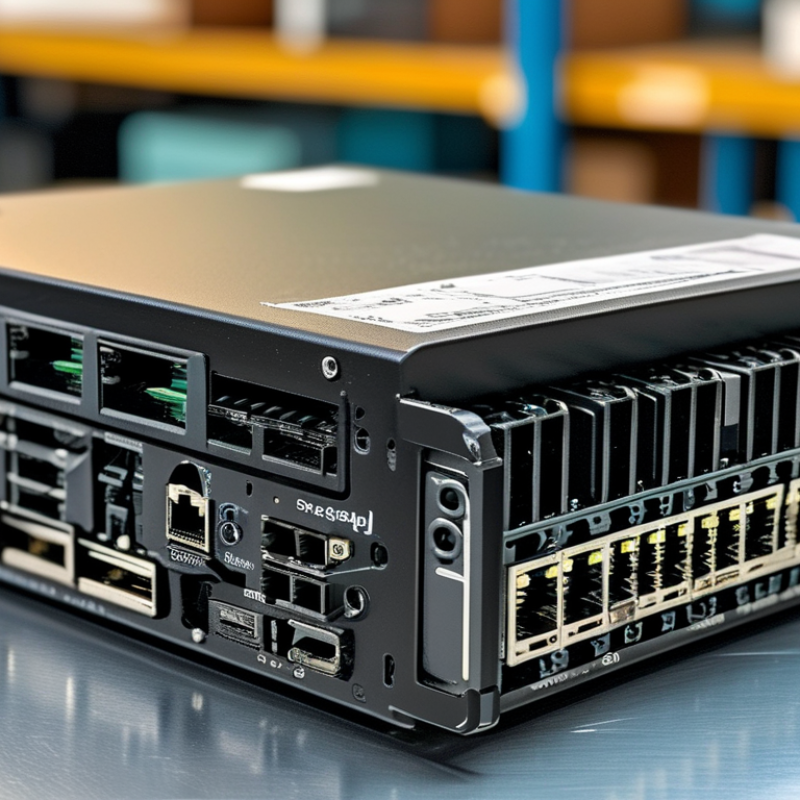
Importance of SFP Transceivers in Modern Networking
SFP transceivers play a critical role in modern networking. These small form-factor pluggable devices provide connections between network switches, routers, and optical fibers. Choosing the right SFP transceiver ensures optimal performance and compatibility within your network. When the correct transceivers are in place, data packets travel faster and more reliably.
A key aspect often overlooked is the distance of data transmission. Different SFP transceivers support varying ranges. For long distances, look for models designed for extended reach. Network congestion can occur when wrong transceivers are used, leading to delays. Pay attention to specifications to avoid these issues.
Here’s a tip: always verify compatibility with your equipment before purchasing. Mismatched transceivers can cause network errors. Another tip is to consider future expansion. Choosing versatile SFP transceivers prepares your network for growth. With the right choices, you can avoid costly disruptions and enhance overall efficiency.
Types of SFP Transceivers and Their Applications
When evaluating SFP transceivers, it’s crucial to understand their types and applications. There are various options, including short-range, long-range, and extra-long-range transceivers. Short-range models usually operate over a distance of up to 300 meters. They are ideal for data centers where distances are short, and high speeds are necessary.
Long-range SFP transceivers offer solutions for distances up to 10 kilometers. They are commonly used in enterprise networks, connecting buildings or branches. Users should be cautious when choosing the right transceiver. A mismatch can lead to reduced network performance and potential outages.
Extra-long-range options can extend connections beyond 40 kilometers. They excel in telecommunications or large-scale networks. Some may find these better suited for specific applications. However, in some cases, users may not fully utilize the capabilities of high-range options. Each type has its focus, and understanding these can optimize performance and reliability in any network setup.
Why Choosing the Right SFP Transceiver Matters for Your Network? - Types of SFP Transceivers and Their Applications
| Transceiver Type |
Data Rate |
Distance |
Wavelength |
Application |
| 10G SFP+ |
10 Gbps |
300m (OM3) |
850 nm |
Data Center Interconnect |
| 1G SFP |
1 Gbps |
100m (Cat5e) |
850 nm |
Gigabit Ethernet |
| 40G QSFP+ |
40 Gbps |
150m (OM3) |
850 nm |
High-Speed Data Links |
| SFP-ER |
1 Gbps |
40 km |
1550 nm |
Long-Distance Communication |
| SFP-LR |
1 Gbps |
10 km |
1310 nm |
LAN Applications |
Factors to Consider When Choosing an SFP Transceiver
When selecting an SFP transceiver for your network, several important factors come into play. The choice of transceiver affects overall performance and compatibility. One major consideration is the data rate. According to industry reports, SFP transceivers support different rates like 1 Gbps, 10 Gbps, and even higher. A mismatch between your network's router or switch and the transceiver's data rate can lead to issues like network congestion or bottlenecks.
Distance is another crucial factor. Transceivers are designed for various distances, from short-range to long-range applications. For instance, some can transmit data over just a few meters, while others are capable of spanning several kilometers. Choosing the right type based on your physical setup ensures better efficiency and coverage. Additionally, assessing connector types is important; different transceivers use various connector interfaces, and selecting the wrong type could lead to compatibility issues.
Cost efficiency is also worth examining. A high-quality transceiver might have a higher upfront cost but could save you money over time through improved performance and reduced downtime. Reports indicate that investing in reliable hardware can minimize operational failures. Neglecting these factors may lead to network instability, ultimately affecting productivity and user experience. Making informed choices can have lasting benefits.
Impact of Compatibility on Network Performance
When building or upgrading a network, compatibility should be a primary concern. The choice of
SFP transceivers can significantly influence how well a network performs. These small form-factor pluggable
transceivers are essential for optical and data transmission. If they're not compatible, even the best equipment can falter.
Using mismatched SFP transceivers can lead to signal loss or poor connectivity. This can slow down
data transfer rates and create latency issues. Imagine a smooth-running network suddenly facing interruptions due to a minor equipment issue.
Compatibility errors often go unnoticed until performance drops significantly, making every connection
feel unreliable.
Network performance hinges on well-integrated components. For instance, when different brands of transceivers are mixed, it may result in unexpected
malfunctions. Regular testing of network configurations is key to identifying potential problems. Not all transceivers adhere to the same standards
or protocols, so diligent selection and routine evaluations are needed. Simplifying the compatibility aspect
could enhance overall network stability and reliability.
Cost vs. Quality: Finding the Right Balance in SFP Choices
Choosing the right SFP transceiver is not merely about price. Cost often influences decisions, but quality should be paramount. A cheaper option may save money upfront, but it can lead to costly downtimes. These interruptions impact productivity and can damage a business's reputation. In many instances, immediate savings can result in long-term losses.
When selecting an SFP transceiver, consider performance metrics. Features such as data transfer rates and distance capabilities are essential. Investing in quality enhances network reliability. Cheap components can cause connectivity issues or dropouts. These problems often require troubleshooting and additional spending. Reflect on the potential losses versus the initial savings.
Striking the right balance between cost and quality is a challenge. Often, professionals are tempted to go for the most affordable options. However, this thought process may lack the foresight needed for sustainable networking. The reality is that a judicious choice pays off. A well-chosen SFP transceiver may perform better, reducing total operational costs.
FAQS
: SFP transceivers connect network switches, routers, and optical fibers. They enhance data transmission efficiency.
Compatibility is crucial. Mismatched transceivers can cause network errors and slow data transmission.
Data rate, transmission distance, and connector types significantly impact performance and efficiency.
Considering future needs allows you to choose versatile transceivers, preparing your network for growth.
Some transceivers work for only a few meters, while others can span several kilometers. Choose wisely.
Yes, high-quality transceivers might cost more initially but can save money through better performance and reliability.
Ignoring specifications can lead to network congestion, delays, and instability, negatively impacting productivity.
Absolutely. A mismatch can cause bottlenecks and slow down your entire network activity.
Always verify compatibility with current equipment and consider distances and future needs before purchasing.
Poor decisions may cause network failures, frustrating users and hindering business efficiency over time.
Conclusion
Choosing the right SFP transceiver is crucial for optimizing network performance and ensuring reliable data transmission in modern networking environments. These compact, hot-pluggable devices come in various types, each suited for specific applications such as data centers, enterprise networks, and telecommunications. Understanding the different SFP transceiver types and their applications helps organizations tailor their network solutions to meet specific demands.
When selecting an SFP transceiver, several factors must be considered, including compatibility with existing network hardware, desired data transmission speeds, and the specific distance requirements for signal transmission. Balancing cost and quality is essential, as opting for cheaper, low-quality transceivers may lead to performance issues and increased downtime. By carefully evaluating these elements, network administrators can make informed decisions that enhance their network infrastructure while maintaining efficiency and reliability.

 Transolix