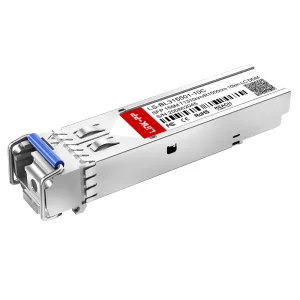
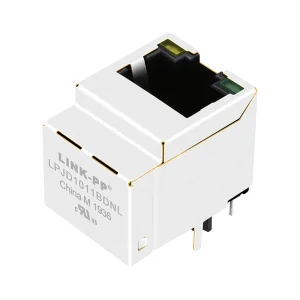
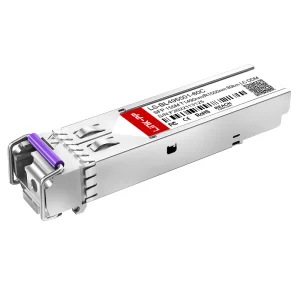
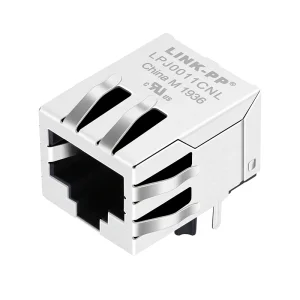
Establishing New Benchmarks in Data Center and Telecom Infrastructure since 2016.
Adhering to ISO 9001 and internal reliability standards. Our 42 quality control professionals utilize automated optical testing, eye diagram analysis, and aging tests to ensure 100% final performance verification.
With 128 R&D engineers, Transolix specializes in signal integrity optimization and high-speed optical design. We released 86 new models last year alone, focusing on 400G and future 800G architectures.
Exporting to North America, Europe, and Southeast Asia for over 6 years. We manage an annual export revenue of USD 8–15 million with a supply chain of 860 certified partners.
Years Industry Experience
R&D Engineers
Certified Suppliers
Verification Rate
In the era of AI-driven edge computing and 5G densification, the role of the Media Converter has evolved from a simple copper-to-fiber bridge to a critical intelligence node. Today’s global procurement needs are defined by several macro-trends that Transolix is uniquely positioned to address.
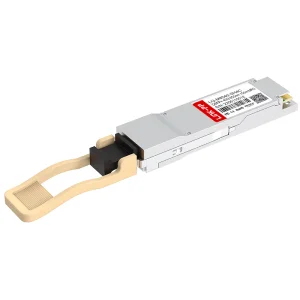
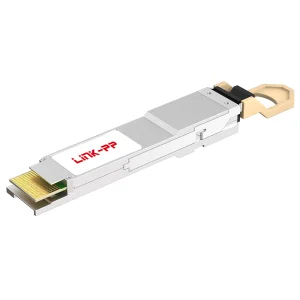
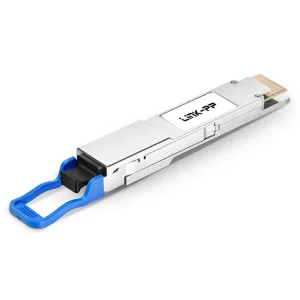
Data centers are no longer satisfied with 10G or 40G backbones. The demand for 400G QSFP-DD and CWDM LR4 modules is skyrocketing. Transolix’s R&D focuses on minimizing "Insertion Loss" and "Return Loss," ensuring that even at distances of 80km, signal integrity remains pristine.
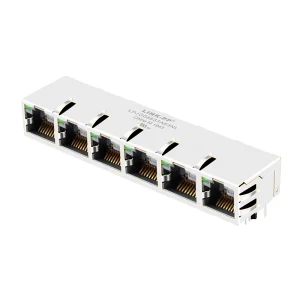
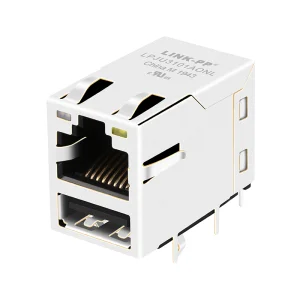
Industrial Media Converters now require operation in extreme temperatures (-40°C to +85°C). Our PoE (Power over Ethernet) solutions, such as the HFJV1-2450 series, provide power and data to remote IP cameras and sensors, reducing infrastructure costs for smart city projects.
As ESG goals become central to corporate procurement, the power consumption per gigabit (W/G) is a key metric. Transolix modules utilize low-power laser drivers and optimized silicon photonics to reduce the carbon footprint of global telecom operators.
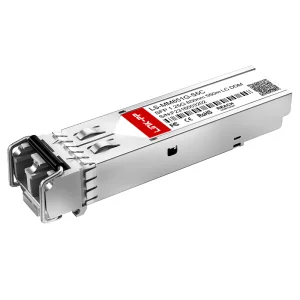
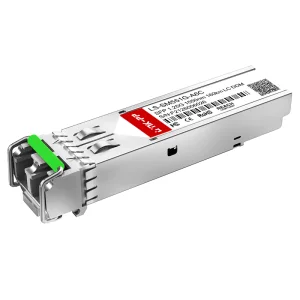
We provide extensive customization for firmware, wavelength, and protocol compatibility. Whether it's a specific SFP EEPROM coding for Cisco, Juniper, or Nokia compatibility, our engineers ensure "Plug-and-Play" reliability.
Operating as a leading China Media Converter Manufacturer, we guarantee compliance with CE, RoHS, and FCC regulations. Our 6 years of export experience mean we handle localized documentation and tax compliance seamlessly for our North American and European partners.
Transolix isn't just following the market; we are shaping it. Our technical roadmap includes the integration of Co-Packaged Optics (CPO) to overcome the limitations of traditional pluggable modules. By bringing the optical engine closer to the ASIC, we aim to reduce latency by up to 30%.


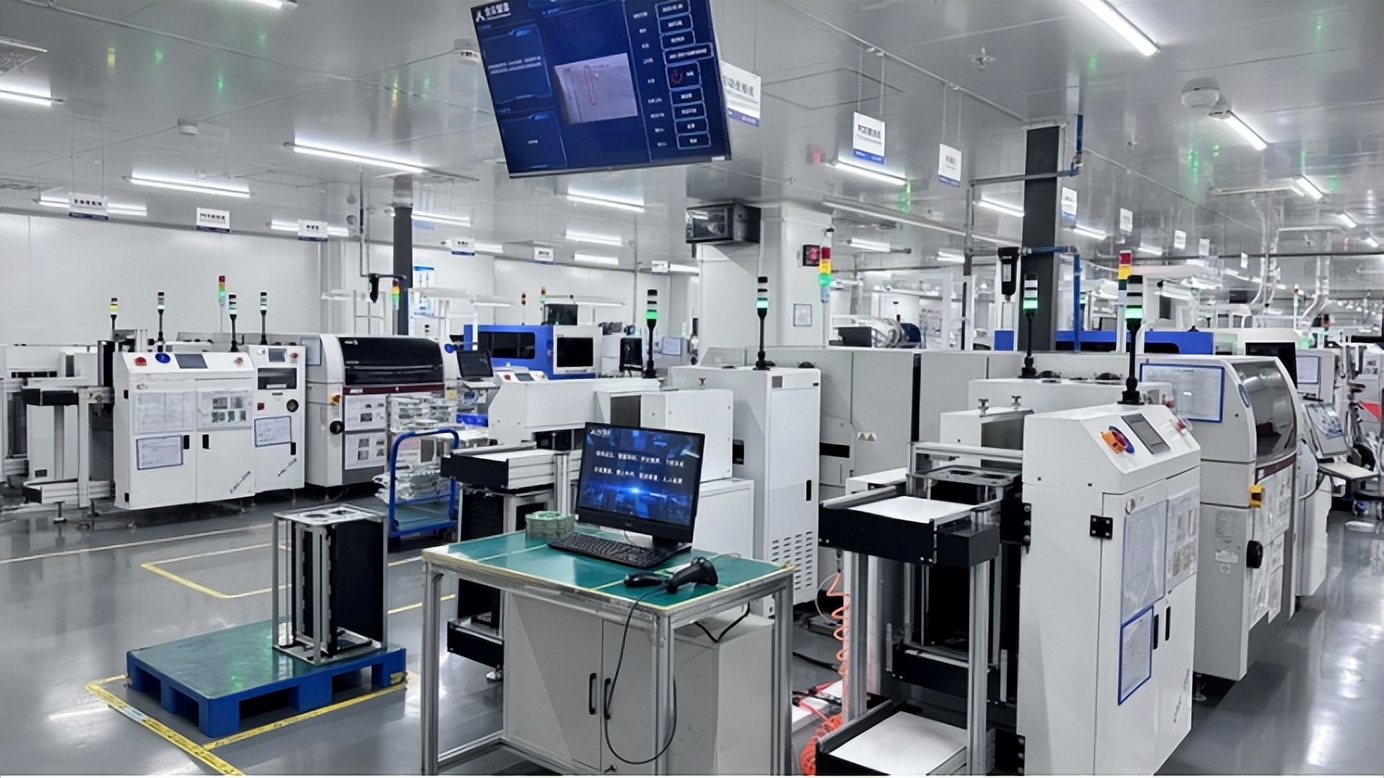
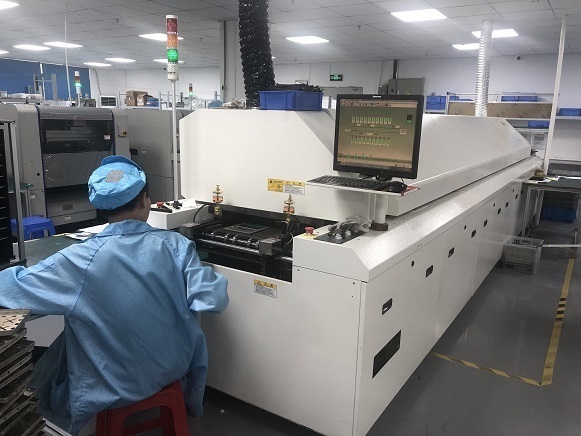

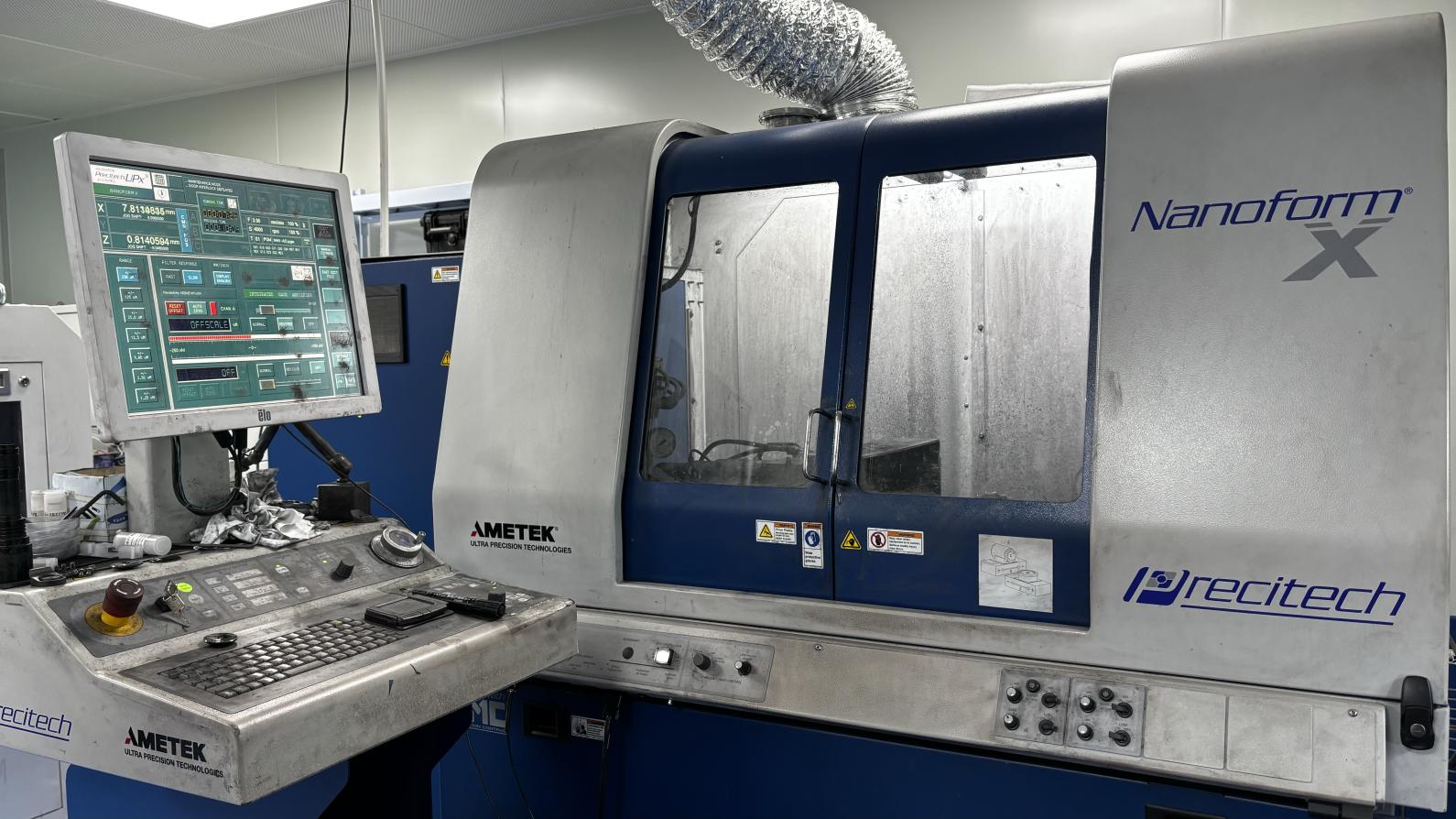
Transolix integrates deep R&D (128 engineers) with a massive certified supply chain (860 suppliers). Unlike traders, we own the production lifecycle, allowing for 100% final performance verification and custom firmware coding for 100% brand compatibility.
Yes, all our modern SFP, SFP+, and QSFP modules support DDM. This allows network administrators to monitor real-time parameters such as optical output power, input power, temperature, and supply voltage.
Typical lead times range from 1-2 weeks for standard models and 3-4 weeks for complex, customized high-speed modules. Our annual export capacity of USD 8-15 million ensures we can scale production rapidly.
We use high-grade APD receivers and EML lasers. Each unit undergoes eye diagram analysis to ensure the "eye" is wide open, minimizing jitter and bit error rates (BER) over long-haul fiber spans.
As a globally recognized China Best Media Converter Manufacturer & Exporter, Transolix focuses on continuous innovation in optical interconnect technology. Our mission is to bridge the gap between legacy copper infrastructure and the fiber-driven future. By offering a full range of products including SFP, SFP+, QSFP28, QSFP-DD, and emerging high-speed solutions, we ensure that telecom operators and data centers can scale their bandwidth without compromising on reliability or cost-effectiveness. With 11 years of industry experience and a dedicated team of 128 engineers, we are your trusted partner for next-generation network connectivity.
 Transolix