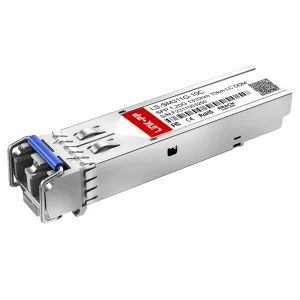
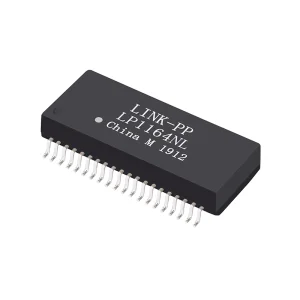
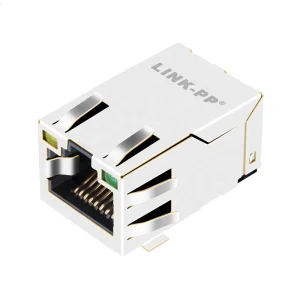
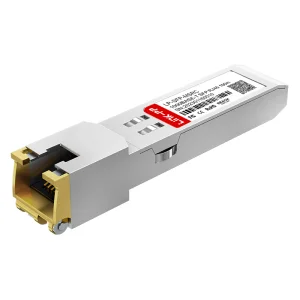
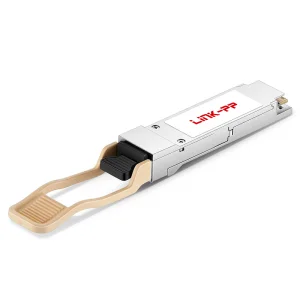
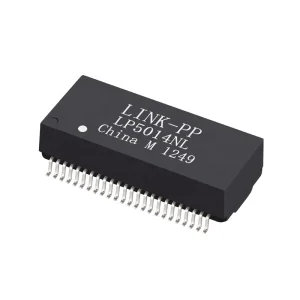
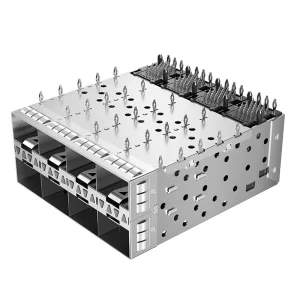
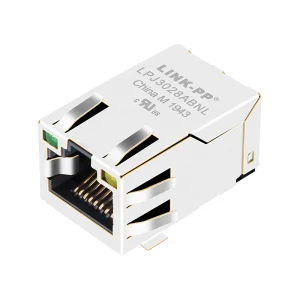
Explore our primary range of standard-compliant, high-performance network components optimized for low-latency systems and extreme thermal operation.
Transolix stands at the forefront of high-speed interconnect manufacturing, positioning itself as a premier developer of high-performance fiber optic communications. By engineering custom and standard-compliant transceiver assemblies, Transolix enables cloud datacenters, modern enterprise LAN networks, and telecom providers to push past historical data rate thresholds.
Adhering strictly to ISO 9001, Transolix utilizes advanced automated optical characterization, comprehensive eye diagram analysis, thermal stress aging, and 100% field emulation to guarantee perfect physical-medium compliance before shipping.
Backed by 860 pre-audited upstream raw material vendors, we control the entire lifecycle of sub-assembly, shielding cages, optoelectronic chipsets, and standard LC/RJ45 connector molds, securing reliable delivery schedules.
Supporting OEM/ODM requests across physical wavelengths, complex optical fiber reach profiles (up to 80km), distinct software EEPROM firmware protocols, and tailored form-factors suited for non-standard rack depths.



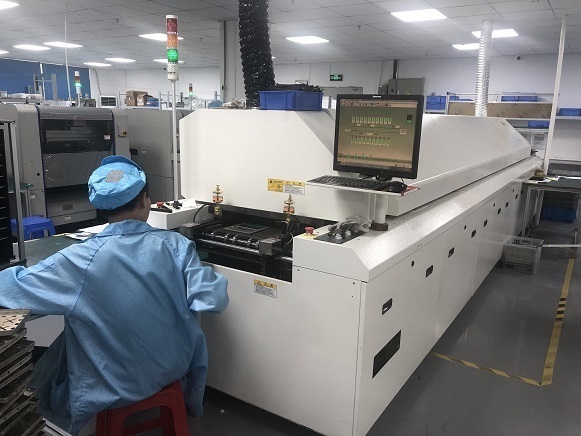

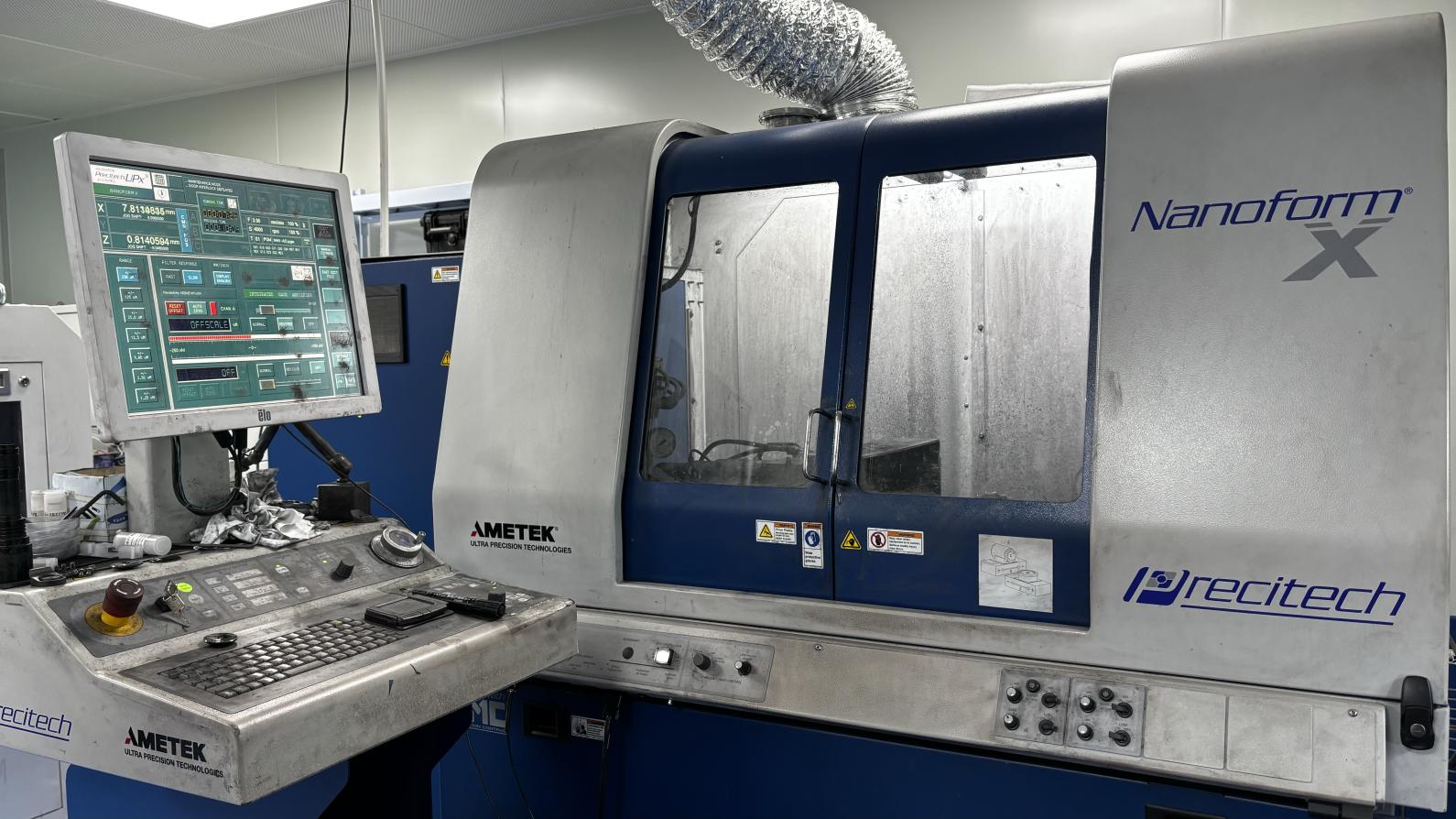
Modern networks require more than standard connectivity; they demand component reliability. Procurement officers and infrastructure architects face challenges related to product compatibility, signal loss, and supply chain delays. In high-density settings, sourcing SFP cages, transceivers, and RJ45 magnetic modules requires components designed for mechanical longevity and high electrical performance.
Critical purchasing specifications involve Multi-Source Agreement (MSA) compatibility. System integrators need to verify that optical modules run on switches from Cisco, Juniper, Arista, and HPE without triggering software lockouts or diagnostic errors. Transolix addresses this by engineering modules with configurable EEPROM microcode, ensuring seamless drop-in operation across diverse network environments.
Connector assemblies are built to support 1000+ mating cycles, using thick gold-plated interface pins that prevent oxide buildup and maintain high signal integrity.
Elastomeric gaskets and external ground tabs suppress electromagnetic interference in high-density optical port matrices.
Optimized PCB traces minimize reflections, keeping total Return Loss below specified dB levels across high carrier frequencies.
From 5G optical networks to edge computing and core routing, high-performance connectors are vital to digital pipelines. Transolix designs industry-specific physical layer components to address unique operating conditions and data demands.
| Vertical Segment | Technical Challenge | Transolix Solution Application | Key Metrics Achieved |
|---|---|---|---|
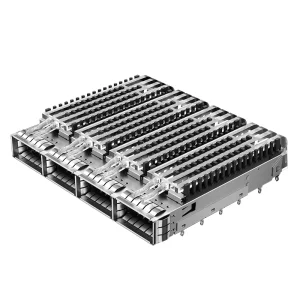
| Hyperscale Cloud Centers | Extreme port densities and heat load accumulation. | SFP28 / QSFP28 cages with integrated copper heatsinks and multi-port light pipes. | Under 1.5W per port power draw, 0% drop frame rate. |
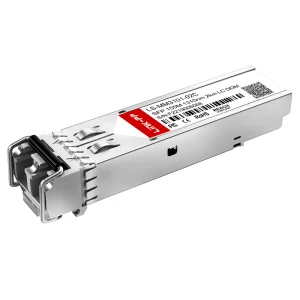
| 5G Telecom Fronthaul | Harsh outdoor temperature variations and humidity. | Industrial temperature optical transceivers (-40°C to +85°C) with IP67-rated Duplex LC seals. | Telcordia GR-468-CORE compliant longevity. |
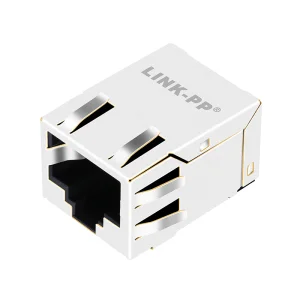
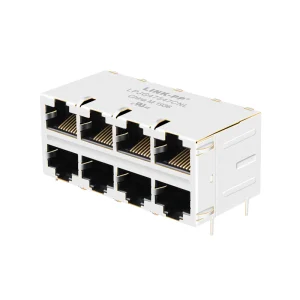
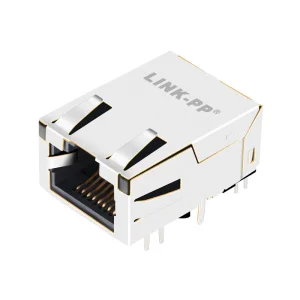
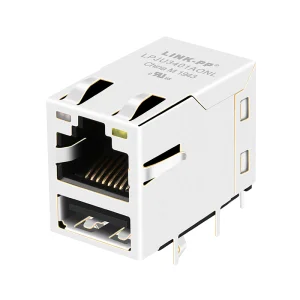
| Industrial Edge & IoT | High vibration, electro-static discharges (ESD). | Shielded RJ45 connectors with integrated high-voltage magnetic transformers. | 1500V AC isolation isolation protection. |
| AI Compute Clusters | Strict requirements for ultralow latency and high bandwidth. | High-speed QSFP56 / QSFP-DD interface adapters and short-reach optical fibers. | Sub-nanosecond transceiver latency. |
As data center requirements transition from 10G to 400G and 800G, standard connector footprints must support higher spatial densities and faster speeds. Modulations like PAM4 have replaced traditional NRZ, requiring low-noise components to maintain clear signal eye diagrams.
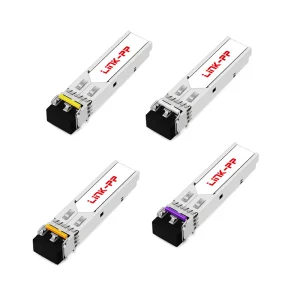
While maintaining the original physical size of SFP modules, the internal transmitter lines have been upgraded from 1.25 Gbps to 25 Gbps (SFP28) and up to 50 Gbps (SFP56). This provides a path for upgrades without requiring changes to existing rack structures.
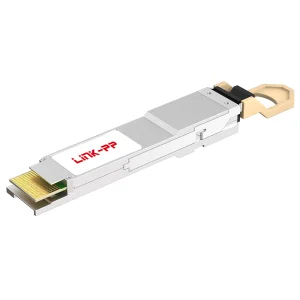
By utilizing a double-density mating pin pattern, QSFP-DD modules support an 8-lane electrical interface. This design enables aggregate bandwidths of 400G and 800G, fitting up to 36 ports in a single 1RU switch panel.
Transolix’s R&D team is developing optoelectronic sub-assemblies that position the optical engine close to the switch ASIC. This co-packaged design helps reduce routing loss and overall system energy consumption.
High-speed signal pathways are sensitive to manufacturing variations. A minor dimensional offset in an SFP cage spring finger or an incorrect wire gauge in an RJ45 magnetic transformer can cause impedance mismatches and packet loss.
To prevent these issues, Transolix maintains a strict quality control process. Every production run undergoes automated optoelectronic verification, including:
Through our partnerships with 860 vetted raw material suppliers, we maintain stable access to optical sub-assemblies (TOSA/ROSA), laser diodes, and high-frequency PCBs. This robust supply network helps insulate projects from sudden market shortages.
Deep technical answers regarding interface designs, compatibility matrices, and procurement options.
From high-speed optical transceivers to shielded multi-port RJ45 modular jacks, we provide full physical layer interconnect solutions.
 Transolix