Engineered for signal integrity, electrical noise mitigation, and mechanical durability across industrial, enterprise, and telecom applications.
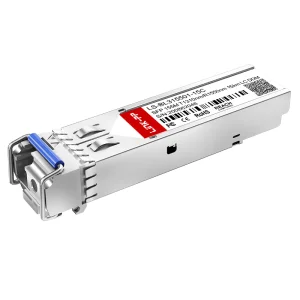

An analysis of signal integrity, mechanical robustness, and the convergence of copper and optical physical layer interfaces.
In modern industrial and telecommunication architectures, the physical layer interface represents the most critical link in maintaining system uptime, signal metrics, and environmental resistance. The term "Deep Ethernet Connector" refers to high-specification interconnect systems designed to operate far beyond the capabilities of standard consumer-grade RJ45 plugs. These components incorporate sophisticated electromagnetic mitigation layouts, such as internal magnetics (PHY isolation transformers), robust metal shielding, and structural elements designed for extreme operating conditions. As global networks transition to higher data rates, the demand for precision components manufactured to strict tolerance limits has grown exponentially.
Ethernet connections in heavy industrial facilities, data centers, and carrier networks face severe operational challenges. Electromagnetic interference (EMI), radio frequency interference (RFI), physical vibration, and thermal fluctuations can degrade packets, causing high Latency Retry cycles and reduced throughput. To combat this, advanced manufacturing requires a deep understanding of electrical physics and mechanical engineering. High-performance connectors must provide impedance matching, low insertion loss, and high return loss to maintain high data integrity. This is where advanced Chinese manufacturers have focused their research and development, transitioning from simple assembly shops into hubs of precision engineering.
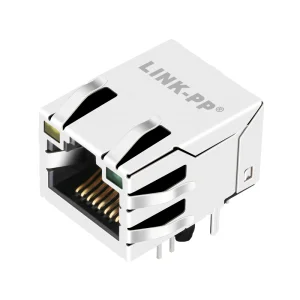
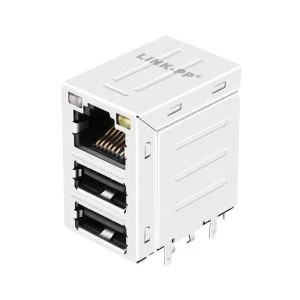
Often termed Magjacks, these connectors integrate common-mode chokes, isolation transformers, and high-voltage capacitors into a single shielded RJ45 envelope. This minimizes PCB footprint, improves noise immunity, and provides galvanic isolation to protect PHY chips from transient surges.
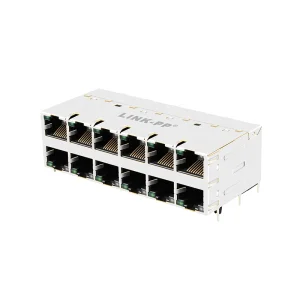
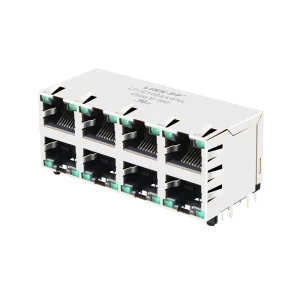
In high-density server environments, saving vertical board space is critical. Multi-port layouts (such as 2x4, 2x6, and stacked modular profiles) require precise internal shielding barriers to eliminate adjacent channel crosstalk (NEXT/FEXT) while maintaining mechanical structural alignment during automated wave soldering.
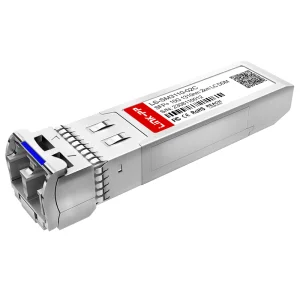
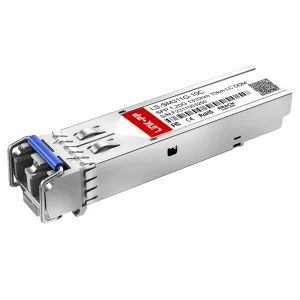
Modern telecommunication racks use a mix of local copper interfaces and long-distance optical transceiver modules (like SFP, SFP+, QSFP+). Top-tier suppliers design systems that harmonize both media types, ensuring consistent electrical interface standards, standard power rails, and protocol compatibility.
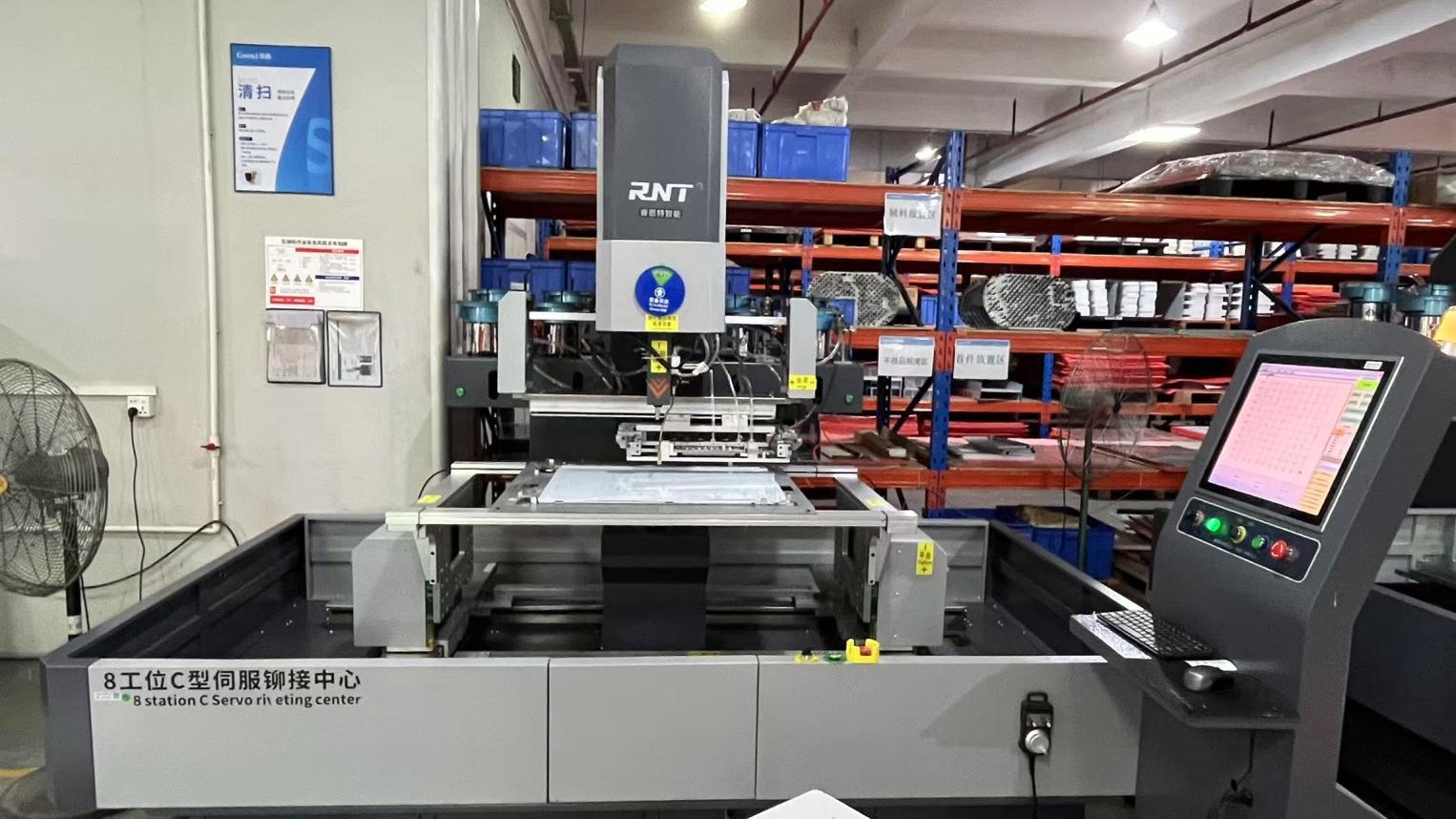
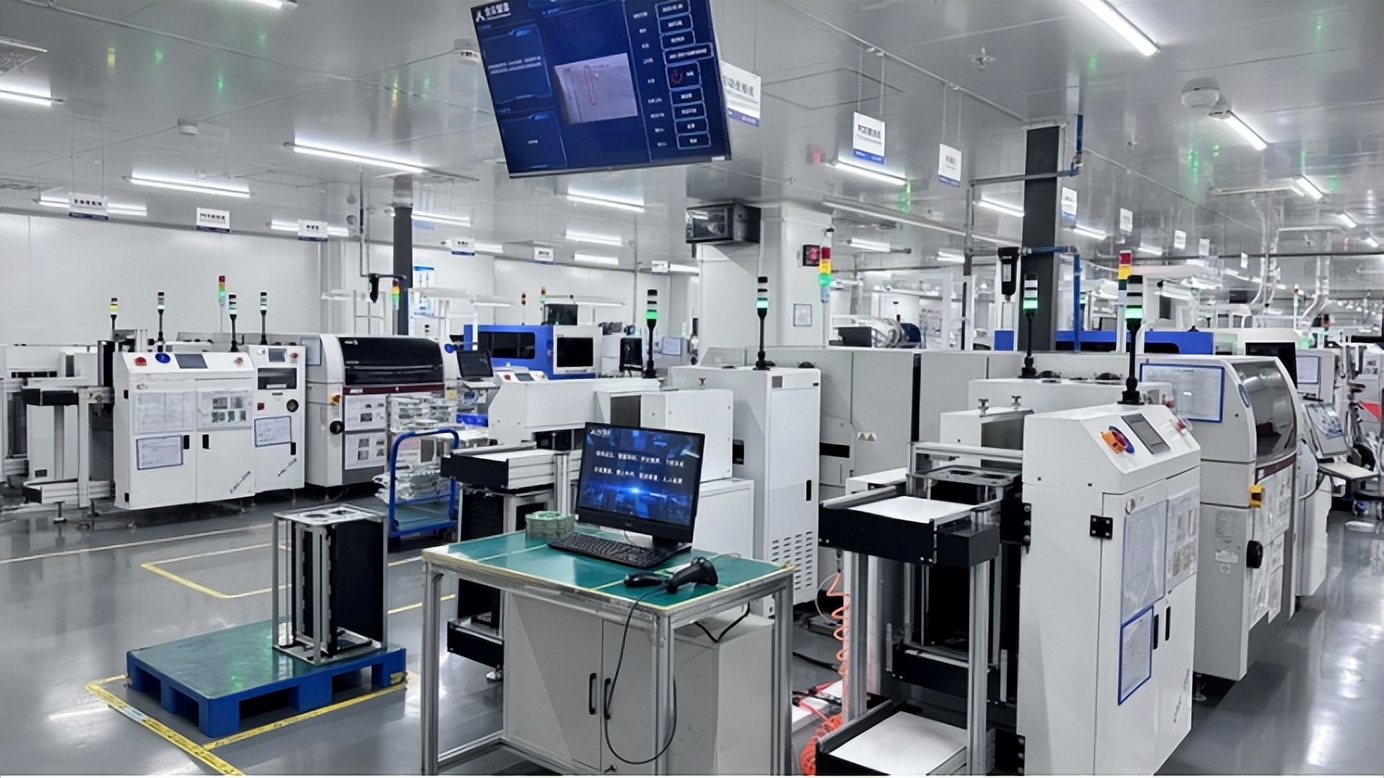
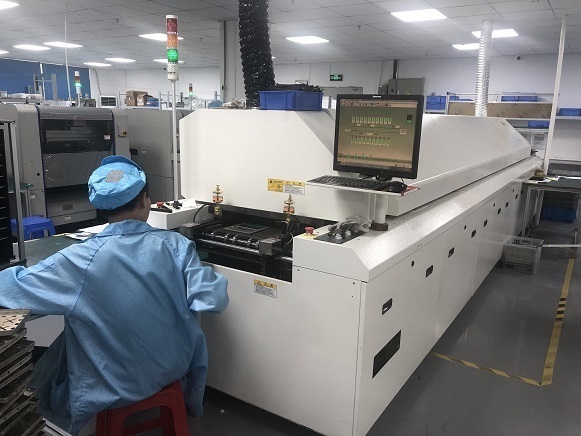
Leveraging state-of-the-art diagnostic instruments, comprehensive materials sourcing, and deep industrial experience.
Transolix is a professional optical transceiver and precision connector manufacturer specializing in high-performance fiber optic communication and copper interface solutions for global data centers, telecom operators, and enterprise networks. With strong engineering capabilities and scalable production capacity, Transolix is committed to delivering reliable, high-speed, and cost-effective connectivity products worldwide. The following metrics illustrate Transolix's rigorous structural footprint and operational excellence:
| Operational Parameter | Transolix Capability & Infrastructure Matrix |
|---|---|
| Building Area & Production Footprint | 320㎡ optimized high-density fabrication and clean room environment for precision assembly. |
| Quality Inspection Standards | ISO 9001 certified processes, coupled with rigid internal reliability standards exceeding industry norms. |
| Product Inspection Methods | Automated optical testing, eye diagram analysis for signal distortion checking, temperature/humidity aging tests, and 100% final performance verification. |
| Quality Control Staff | 42 dedicated quality assurance professionals monitoring assembly, material purity, and signal metrics. |
| Supply Chain Partners | 860 certified upstream suppliers including global chipset, micro-optics, core metals, and high-durability packaging vendors. |
| Customization Options Supported | Wavelength, form factor (SFP, SFP+, QSFP28, QSFP-DD), distance ranges, protocol compatibility, and customized firmware. |
| New Product Releases (Last Year) | 86 models introduced to keep pace with changing specifications in high-speed optical and copper transmission. |
Deciphering the procurement criteria of network engineers, industrial system integrators, and infrastructure procurement managers.
In an era of rapid technological change, procurement managers face challenges beyond simply finding low-cost components. Sourcing managers in Europe, North America, and the Middle East must ensure long-term reliability and compliance with environmental regulations. An Ethernet interface failure in a telecom facility or offshore wind turbine can result in significant downtime and costly maintenance. Consequently, purchasing guidelines prioritize long-term performance, regulatory compliance, and consistent physical characteristics over low pricing.
Key procurement demands include:
How domestic modernization, automated testing, and deep supplier networks protect buyers against supply disruptions.
China's electronics manufacturing has evolved beyond simple high-volume assembly. The integration of Factory 4.0 principles has modernized connector production lines. High-speed multi-axis pick-and-place systems, automated optical inspection (AOI), and in-line parametric testing ensure that every production run meets precise design tolerances. This level of automation reduces human error, improves consistency, and helps control manufacturing costs.
Another major advantage is the depth of the local supply chain. The ecosystem brings together raw chemical suppliers, high-frequency magnetic core winders, precision plastic molders, and advanced plating facilities in close proximity. This geographic concentration minimizes logistics delays, speeds up custom molding projects, and protects against global supply chain disruptions. When global markets face material shortages, local manufacturers can adapt quickly through their deep network of certified component suppliers.


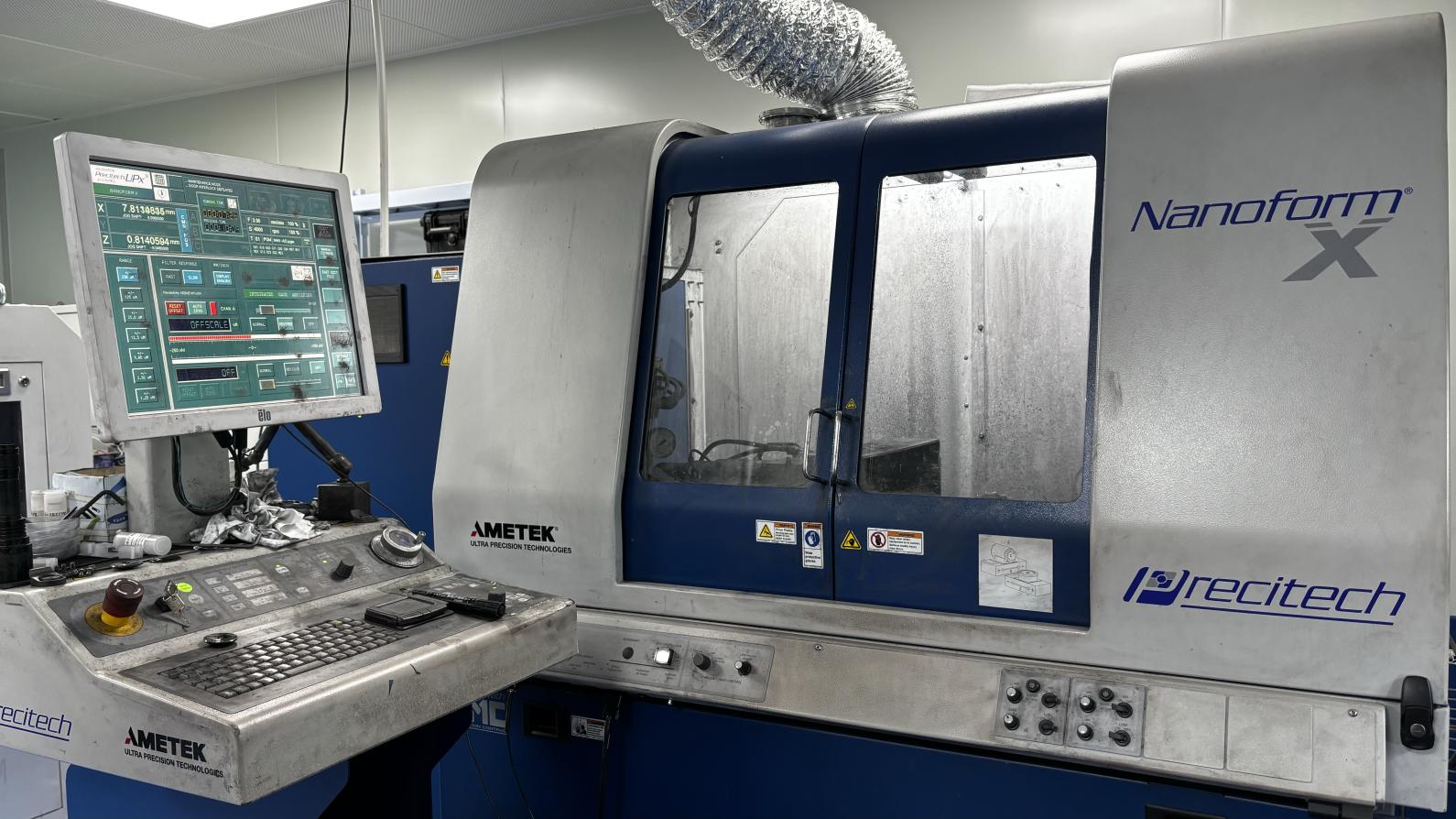
Understanding where deep Ethernet jacks and optical transceiver interfaces serve modern infrastructure.
On robotic assembly lines and programmable logic controller (PLC) cabinets, connectors face continuous vibrations, electrical noise from motors, and thermal stress. Shielded RJ45 systems with integrated magnetics filter out high-frequency noise, ensuring uninterrupted communication between sensors and control units.
Data center networks require high port densities and clean signal paths. Multi-port stacked jacks and SFP+/QSFP+ transceivers form the backbone of top-of-rack switches. Low insertion loss and minimal thermal output are essential to keeping cooling costs down in dense configurations.
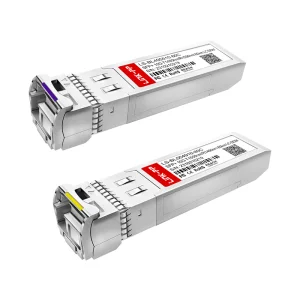
Electrical substations experience strong electromagnetic fields. Connectors in these environments need high galvanic isolation levels, which is achieved using specialized magnetic isolation transformers. Single-mode Bidi transceivers are also used to transmit data over long distances without susceptibility to electrical interference.
Multi-mode, Single-mode, Bi-directional, and high-frequency modular connectors designed to industrial standards.
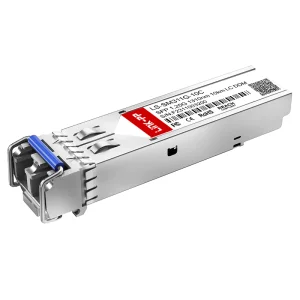
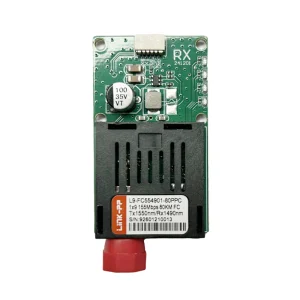
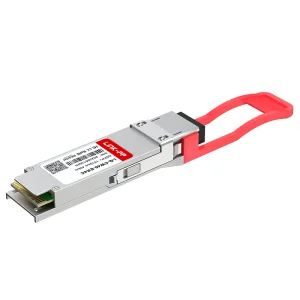
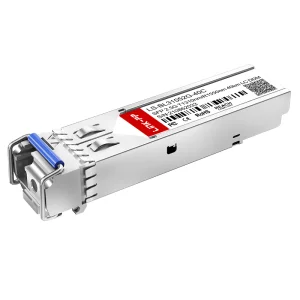
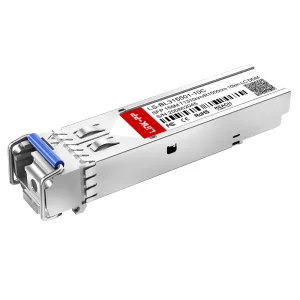
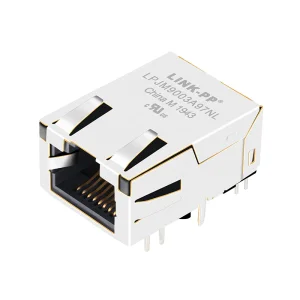
Technical answers to key engineering, integration, and procurement questions.
 Transolix