High-speed transceivers, active network interfaces, and premium shielding components engineered for seamless system integration.
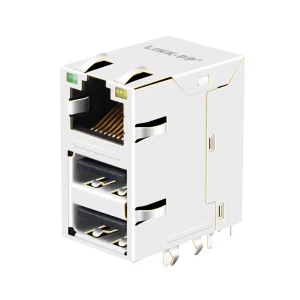
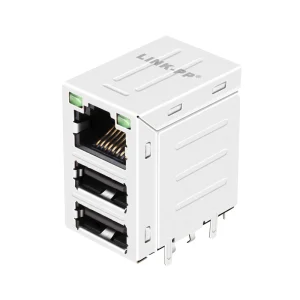
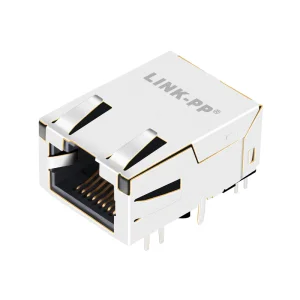
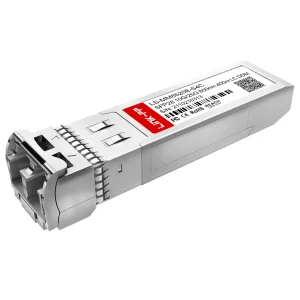
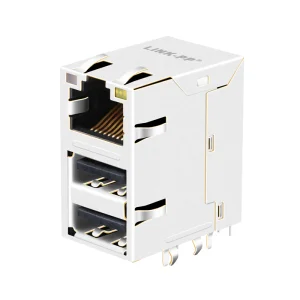
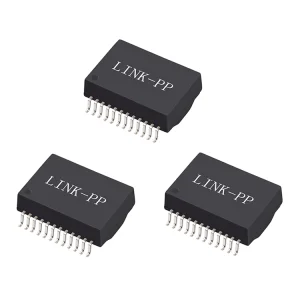
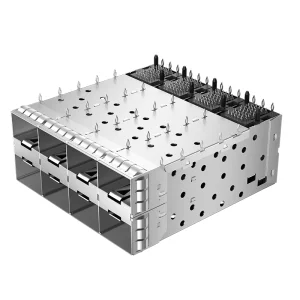
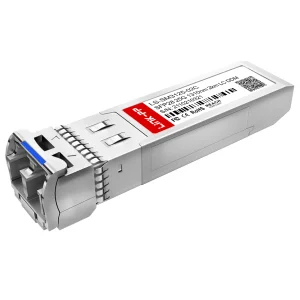
Modern telecommunication networks require an uninterrupted structural synergy between active optical transceivers and passive distribution enclosures. As data demands swell under the influence of 5G dense deployments, Internet of Things (IoT) sensors, and AI-accelerated cloud nodes, the integrity of localized physical splices becomes paramount. Dome Fiber Optic Splice Closures (FOSCs), colloquially known as dome joint closures, function as the critical shielding shells guarding delicate optical splices against moisture ingress, UV degradation, chemical exposure, and mechanical load stresses. Without these highly resilient enclosures, the performance of high-speed active links—such as those utilizing 25G SFP28 transceiver modules or gigabit RJ45 magnetic interfaces—would degrade rapidly due to micro-bends and water-induced attenuation at the physical joint points.
Transolix, as an engineering-driven developer of high-speed transceiver modules and system connectors, recognizes that a high-speed network is only as reliable as its most vulnerable outdoor splice. That is why our comprehensive catalog bridges the gap between active routing environments and high-durability passive distribution points. Our industry solutions address the entire link budget pipeline: protecting outdoor trunk line splices with dome closures and terminating signals at the data center interface with optimized transceivers and EMI-shielded cage structures. This end-to-end perspective helps telecom operators achieve minimal decibel loss, maximum uptime, and structural durability that extends up to 25 years in the field.
Across North America, Western Europe, the Asia-Pacific region, and the rapidly growing markets of the Middle East, fiber-to-the-home (FTTH) and fiber-to-the-tower (FTTT) rollouts are experiencing a massive capital injection. Regulatory requirements and regional standards have evolved, forcing operators to look past cheap, low-spec housings. Modern installations demand dome closures made of high-tensile polypropylene (PP) formulated with ultraviolet-stabilized agents and glass fiber reinforcement (PP+GF). These formulations withstand extreme temperature cycling (from -40°C to +65°C), heavy rainfall, high mechanical pressure, and constant exposure to subterranean acidic environments.
From a commercial standpoint, operators are transitioning away from high-maintenance heat-shrink closures to modern mechanically sealed dome closures. Mechanical sealing mechanisms cut deployment and repair time down by up to 60%, allowing simple, tool-free access to splice trays during network expansion. For large-scale data center interconnects (DCI) and metro networks, these closures accommodate dense ribbon cables, requiring internal structures that can handle hundreds of fusion joints without stressing the minimum bend radius of the fiber. As a premier exporter, Transolix works alongside top-tier component developers and materials suppliers to ensure that every structural housing delivered complies with these rigorous international expectations, lowering the Total Cost of Ownership (TCO) for global utility companies and internet providers alike.
Transolix combines structured product verification, deep technical expertise, and certified R&D processes to supply dependable infrastructure products.
Equipped with 128 dedicated R&D engineers, we specialize in high-speed optical layout design, signal integrity optimization, and high-durability passive casing validation. Last year alone, we released 86 new product models to keep pace with evolving telecom and enterprise network architectures.
Operating under ISO 9001 registration and strict internal reliability parameters, our quality control team of 42 professionals oversees every stage of manufacturing. We employ automated optical testing, eye diagram analysis, environmental chamber aging tests, and 100% final performance verification.
With 11 years of industry experience and 6 years of cross-border B2B export-focused shipping, Transolix maintains relationships with 860 certified upstream suppliers. Our annual export revenue averages USD 8–15 million, serving major operators in Europe, North America, and Southeast Asia.
A major friction point for network integrators purchasing equipment from China is the alignment with localized standards. For instance, dome fiber closures deployed in municipal conduits across the European Union must meet rigorous CE certifications, RoHS directives, and IEC 61300 standards regarding thermal cycling, vibration, and water immersion. Similarly, deployments in North American telecommunication networks frequently require strict adherence to Telcordia GR-771-CORE specifications, which outline the mechanical, environmental, and chemical degradation limits for fiber optic splice closures.
Transolix solves this localized friction by providing pre-certified, custom-engineered compliance solutions. We don't just export products; we align our materials science and quality verification processes with the regional specifications of the destination country. Whether it is ensuring chemical compatibility with specific local soil conditions for direct-buried applications, or optimizing the UV resistance profiles of aerial closures exposed to high-radiation zones in the Middle East, our technical teams adapt our structural layouts to match your local regulatory requirements. Furthermore, our OEM/ODM support covers custom firmware configurations for active components, unique wavelength adjustments, and physical labeling protocols to simplify logistics and deployment validation at the destination port.
As networks scale toward higher speeds, the technical roadmap of dome fiber closures is converging with intelligent active elements. Transolix is leading research into **Smart Fiber Closures** equipped with integrated, low-power IoT sensors that monitor interior humidity, temperature shifts, and casing acceleration (to detect physical tampering or structural movement). These smart closures send real-time telemetry back to operators, alerting them of potential seals failures before water ingress can degrade active optical transceivers down the line.
On the active side of our R&D roadmap, we are scaling production of emerging high-speed optical transceivers (including 100G, 200G, and next-generation 400G modules in QSFP-DD form factors) alongside multi-port high-density modular RJ45 connectors. This dual-focus architecture ensures that when operators install our dome closures in the physical network layer, the interior hardware arrangements are structurally optimized for tomorrow's dense fiber counts, high-frequency active transceivers, and electromagnetic shielding requirements. By co-designing the mechanical closure parameters alongside our active SFP and connector lines, we guarantee a cohesive, future-proof network infrastructure.
A visual tour through our advanced engineering facilities, testing laboratories, and secure logistics operations.


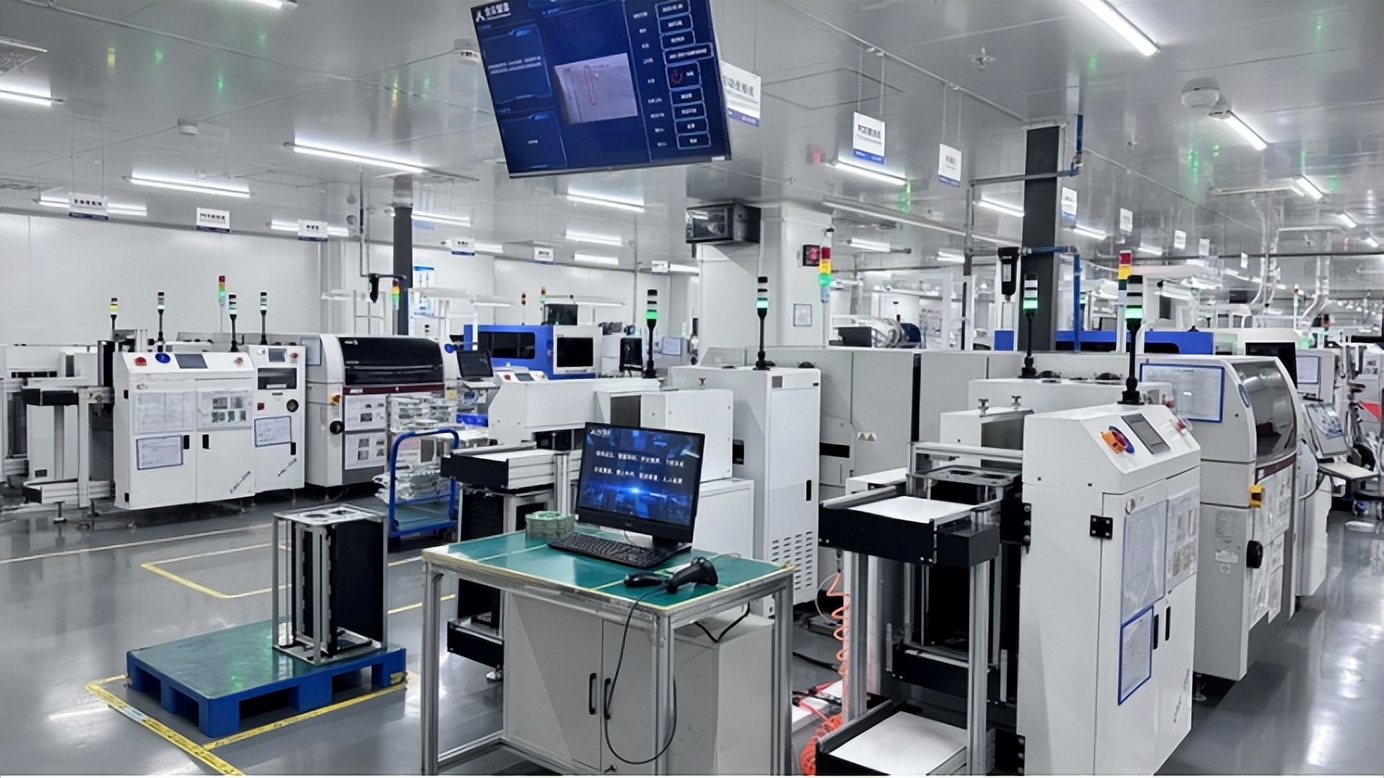
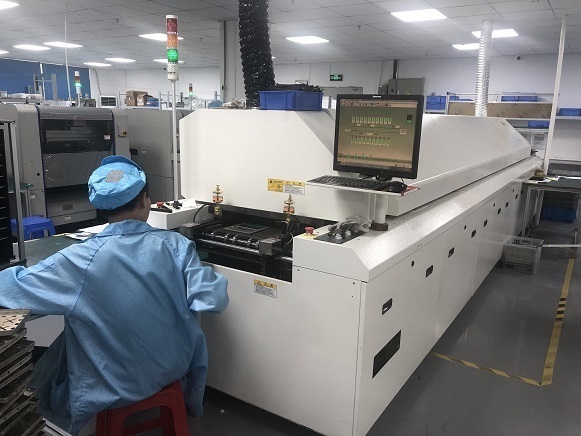

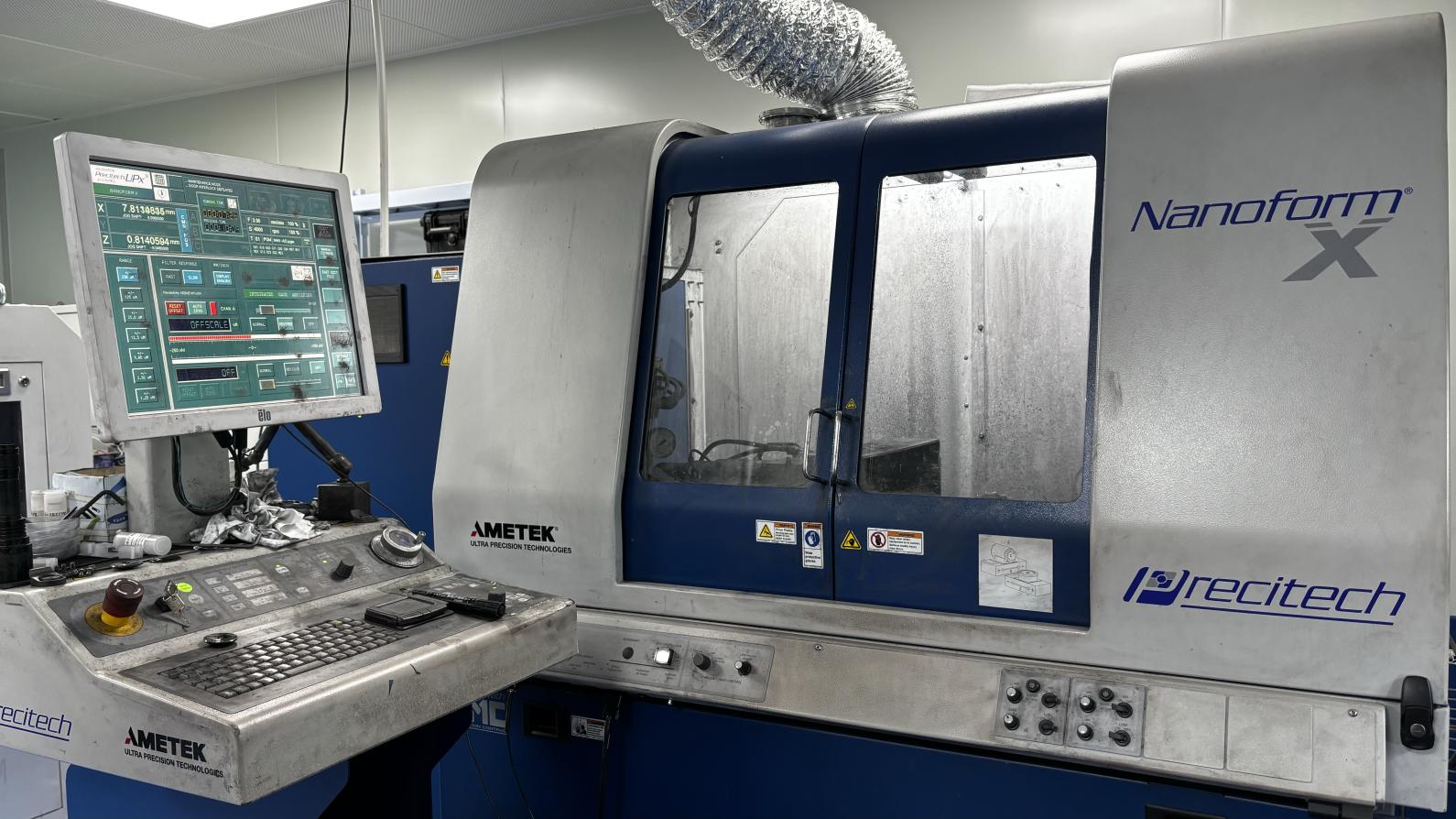
Understanding where and how these mechanical housings are installed is essential to maximizing network reliability. Our dome fiber closures are optimized for four distinct environments:
Technical clarifications on performance, materials, and installations of Dome Fiber Splice Closures.
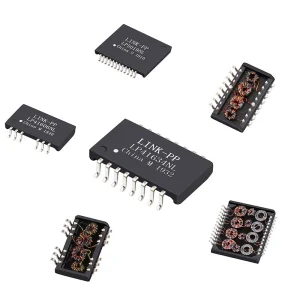
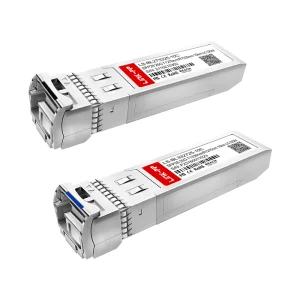
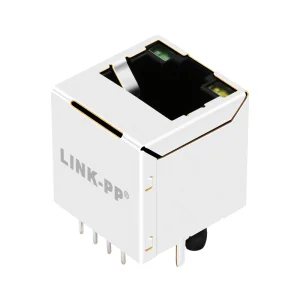
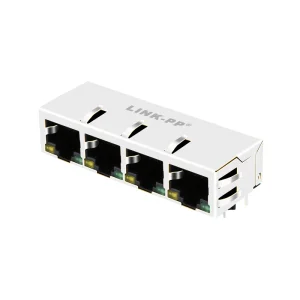
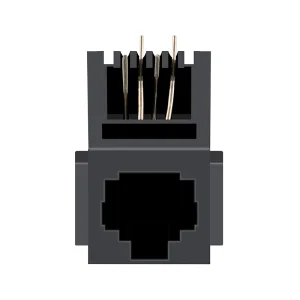
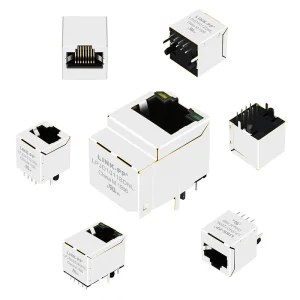
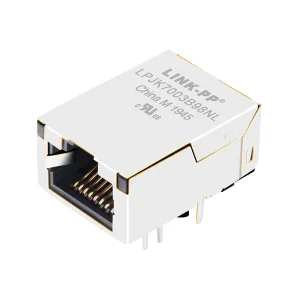
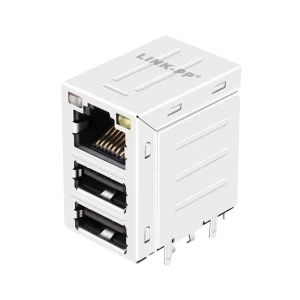
High-durability network interfaces, vertical connectors, and long-range transceivers that complete your network infrastructure.
 Transolix