Explore our advanced catalog of Integrated Connector Modules (ICMs), fiber optic transceivers, and EMI-shielded modular cages engineered for rigorous data center and telecommunication deployments.
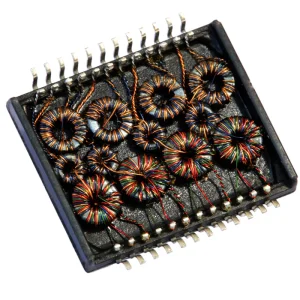
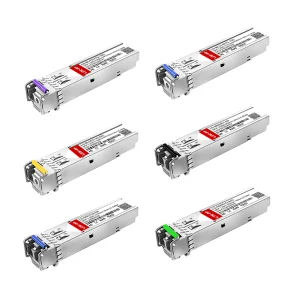
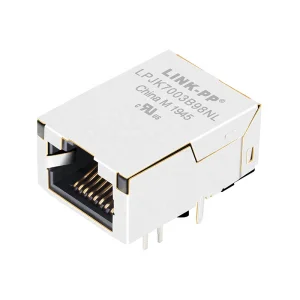
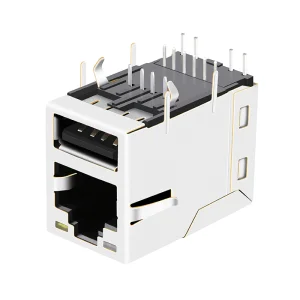
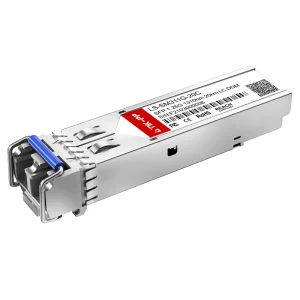
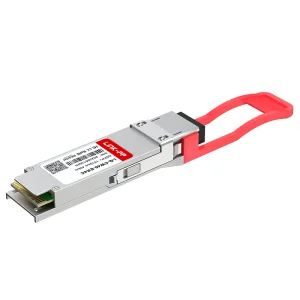
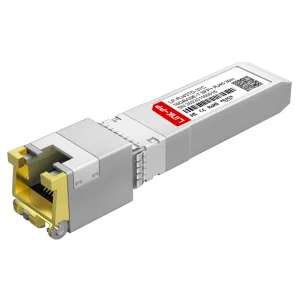
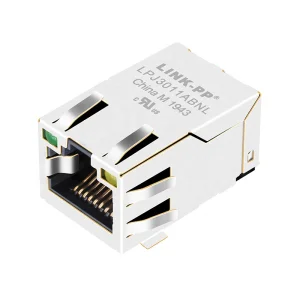
In the era of high-speed telecommunications and data explosion, the physical layer connector is no longer a passive link. Sourcing decisions for **RJ45 sockets** must look beyond raw cost and analyze the precision engineering of Integrated Connector Modules (ICMs). High-speed Ethernet copper transmissions (up to 10GBASE-T) rely on robust electromagnetic interference (EMI) suppression, optimized crosstalk isolation, and thermal resiliency.
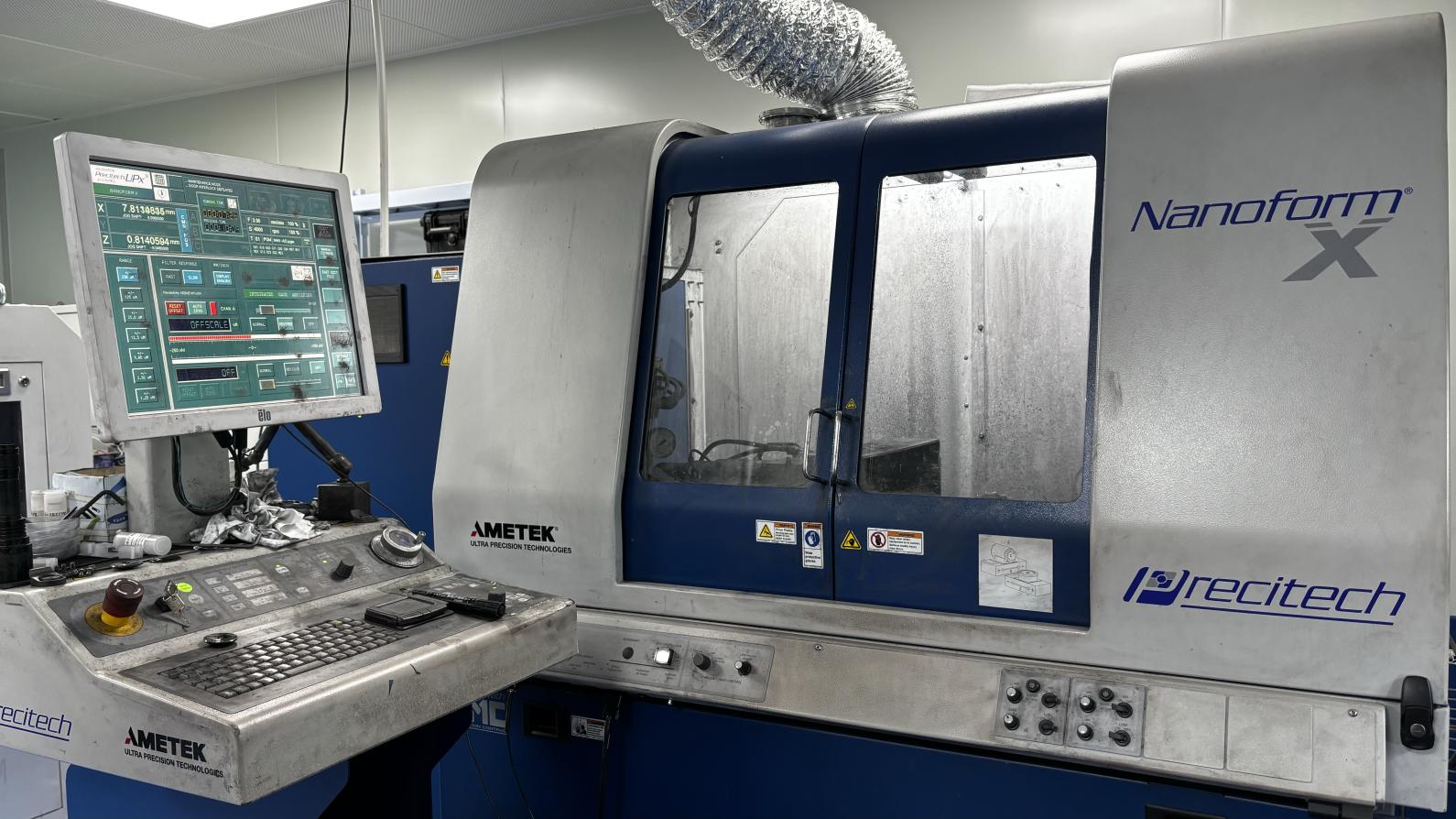
Modern RJ45 socket design combines three major modules into a single standard RJ45 footprint: the mechanical jack interface, a precision transformer/common mode choke module, and advanced capacitive isolation filters. OEM/ODM manufacturers must maintain micrometer-level structural tolerances during high-volume injection molding, stamping, and automated fine-wire winding to ensure return loss, insertion loss, and Near-End Crosstalk (NEXT) satisfy IEEE 802.3 standards.
Transolix is a professional optical transceiver and networking interface manufacturer specializing in high-performance fiber optic communication solutions and magnetic interface devices for global data centers, telecom operators, and enterprise networks. With robust engineering capabilities and highly scalable production capacity, Transolix is committed to delivering reliable, high-speed, and cost-effective optical connectivity products and RJ45 modular jack assemblies worldwide.
Our operational model relies on our 320㎡ precision engineering lab and testing center, functioning as the engineering hub that manages over 860 certified upstream material and chipset providers. By optimizing this ecosystem, we maintain rigorous quality standards while keeping raw production pricing highly competitive.
Our client base spans telecom operators, hyperscale cloud service providers, enterprise network integrators, and OEM/ODM hardware manufacturers. Through deep alignment with global suppliers, we ensure traceablity of copper wire cores, specialized plastic housings, and gold contact plating pins.
China remains the world's most integrated hub for structural hardware and networking connectors. This localized industrial centralization provides several key advantages for global infrastructure OEMs:
From copper purification and alloy forging to advanced precision plastic tooling and automated wire wrapping, every component is sourced within a 50km radius. This localized ecosystem significantly reduces logistics lead times and component bottlenecks.
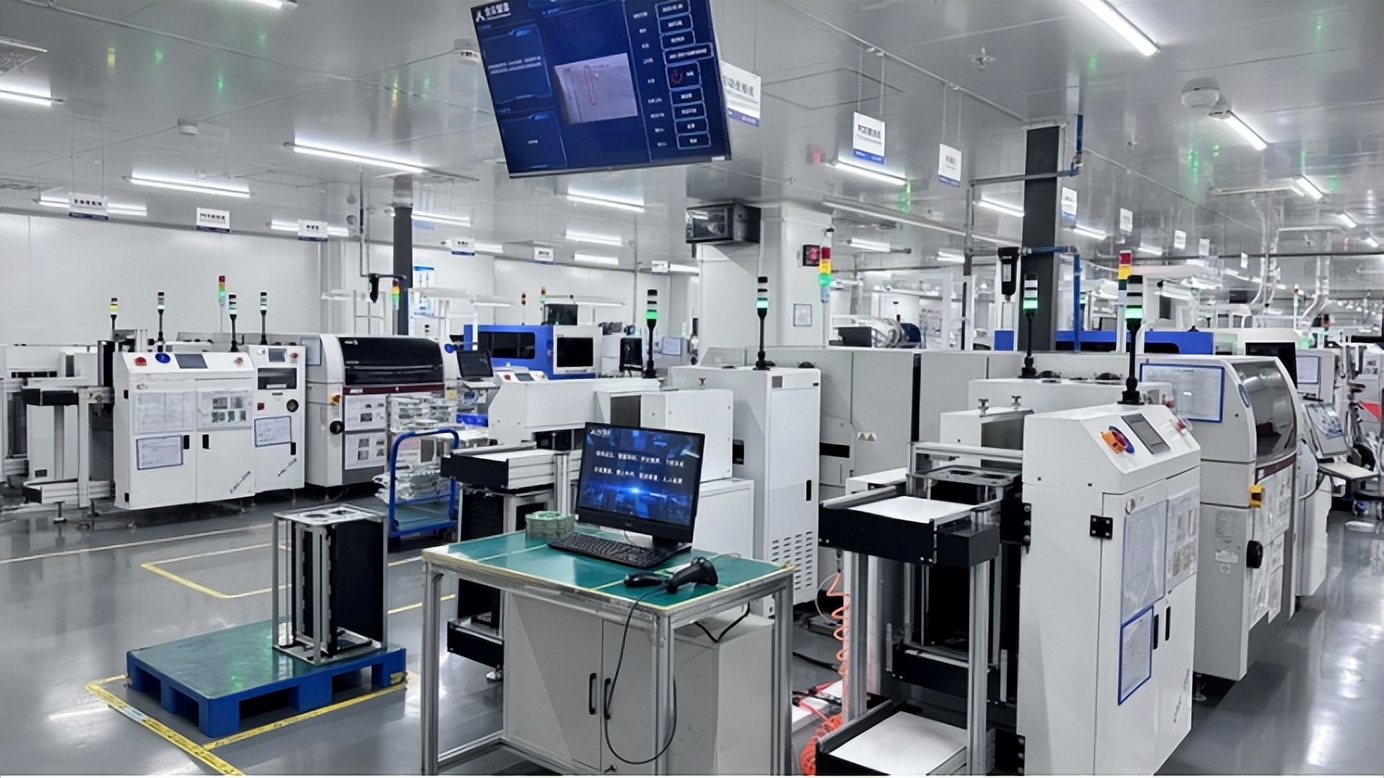
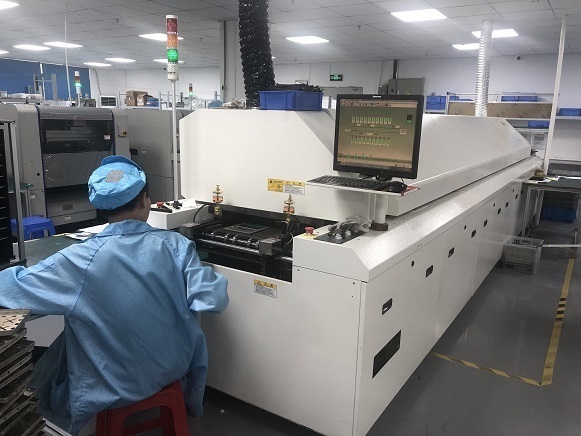
Chinese connector factories employ highly sophisticated automated assembly lines, executing mechanical contact stitching, automated optical testing (AOI), and laser coplanarity verification. This minimizes defect rates compared to manual micro-assembly.
Our extensive tooling inventory and specialized R&D teams allow us to modify PCB footprint designs, housing structures, LED integration options, and EMI shielding tab configurations within a fraction of the time required by Western manufacturers.
Our RJ45 sockets, modular jacks, and transceiver interfaces are designed to support critical network operations across key infrastructure verticals:
Modern data centers demand high-density layouts and low latency. Our compatible optical modules (compatible with Cisco, HW, Juniper) and multi-port shielded SFP/RJ45 cages provide reliable electrical-to-optical signal conversion. They support top-of-rack (ToR) and end-of-row (EoR) deployments with robust thermal performance up to 85°C.
Industrial environments present mechanical stresses, electrical noise, and chemical hazards. Transolix offers RJ45 Magjack solutions with integrated magnetics and ESD protection to safeguard PLCs, CNC machinery, and industrial gateways from electrical surges, ground loops, and high-frequency EMI.
Broadband routers, optical network terminals (ONTs), and small-cell base stations require robust physical connections. Our PoE+ (Power over Ethernet) capable RJ45 sockets carry both data and electrical current (up to 30W/60W), reducing installation complexity and wiring costs.
When sourcing RJ45 sockets and SFP transceiver interfaces, enterprise procurement managers must evaluate several critical technical criteria to ensure long-term network reliability:
Connectors must pass stringent eye diagram analysis, high-pot isolation tests (1500V AC minimum), insertion loss, and return loss tests up to 500 MHz for Category 6A ratings. Our 42 quality control professionals conduct automated optical inspections and 100% final testing on all active signal components to ensure zero-defect outgoing batches.
International logistics require compliance with environmental standards. Our raw materials are completely certified under RoHS and REACH directives. We use UL94V-0 certified flame-retardant plastics and specialized phosphor bronze contact pins plated with up to 50μ" gold layers to prevent corrosion over a lifetime of 750 mating cycles.
As networks evolve, RJ45 sockets and optical transceiver systems are adapting to key industry trends:
1. Single Pair Ethernet (SPE): Replacing traditional four-pair cabling systems, SPE delivers cost-effective and space-saving connections for industrial IoT deployments, offering transmission distances up to 1000 meters at 10Mbps.
2. High-Density Multi-Port Cages: Data centers are deploying stacked and ganged multi-port cages (e.g., 2x4, 2x6 stacked RJ45 configs) with integrated LEDs and lightpipes to optimize port density.
3. PoE++ Support: With the rise of smart security cameras and enterprise Wi-Fi 6/7 access points, RJ45 sockets are engineered to dissipate heat safely while carrying up to 90W of power (IEEE 802.3bt).
For standard RJ45 connectors and magnetic modules, the MOQ is 1,000 units. For fully customized tooling projects, such as specialized housing structures, customized integrated LEDs, or custom PCB pin arrays, the MOQ ranges from 5,000 to 10,000 units, depending on the tooling complexity.
Yes, our transceivers undergo EEPROM coding validation to ensure full firmware compatibility with major vendors, including Cisco, Juniper, HW, and Arista. This includes supporting Digital Diagnostics Monitoring (DDM/DOM) parameters on host equipment.
We run high-precision automated winding systems to minimize differential-to-common mode noise conversion. Each batch is 100% tested using network analyzers to measure insertion loss, return loss, and crosstalk parameters, ensuring compatibility with IEEE 802.3 standards.
Our 128 R&D engineers specialize in customizing footprint dimensions. We offer sink-type, mid-mount, ultra-low profile, SMT (surface mount), and through-hole configurations designed to meet specific spacing constraints.
We require material safety data sheets (MSDS) and RoHS compliance reports from our 860 certified upstream suppliers. In addition, we run random verification checks via third-party laboratories (such as SGS and TUV) to guarantee chemical safety.
Browse our secondary catalog containing advanced PoE+ modules, multi-mode SFP transceivers, and TE-compatible EMI shielded cages for system integrators.
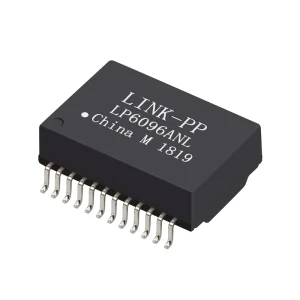
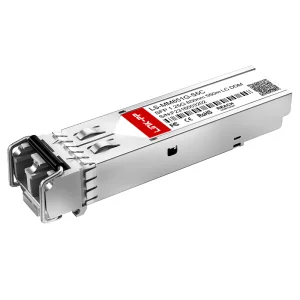
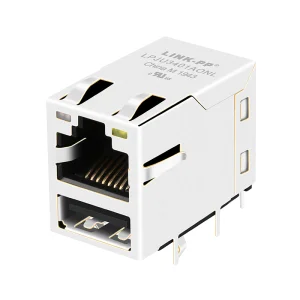
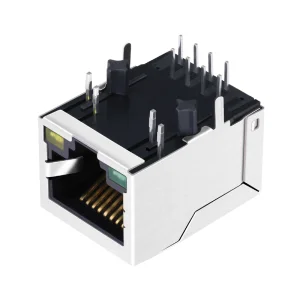
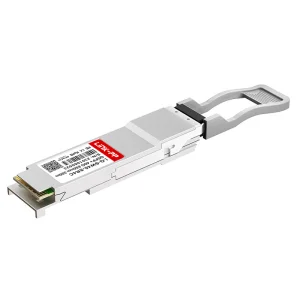
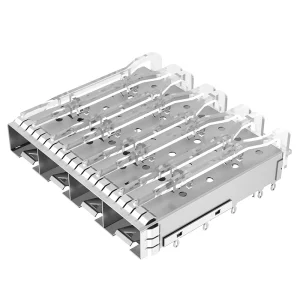
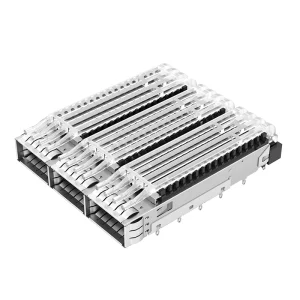
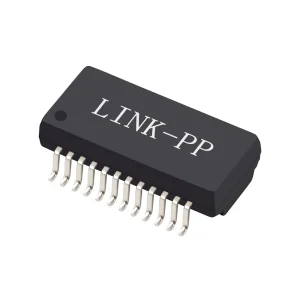
Our manufacturing capabilities feature precision engineering tooling, certified clean rooms, and extensive quality control checks to meet the specifications required by telecommunication systems and data centers worldwide.



 Transolix