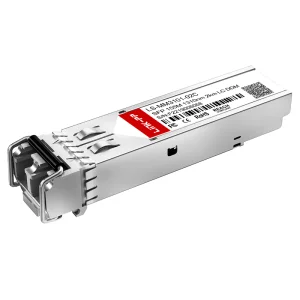
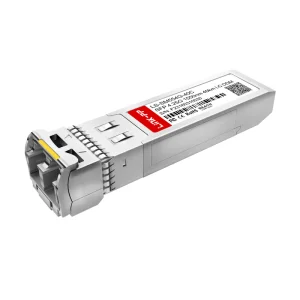
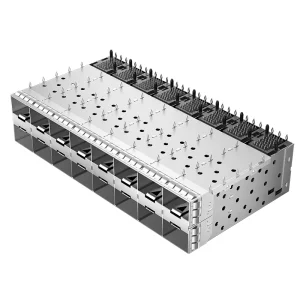
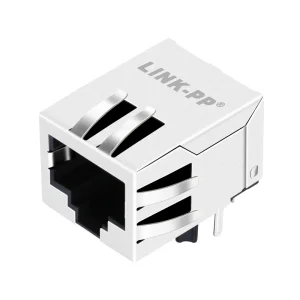
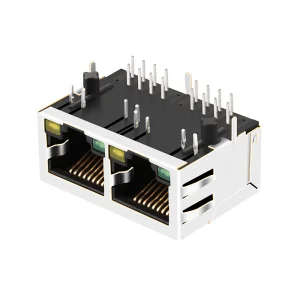
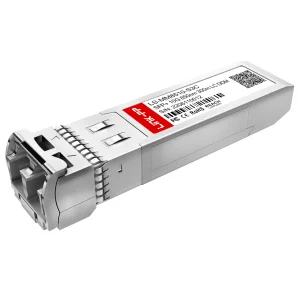
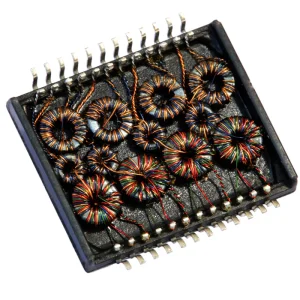
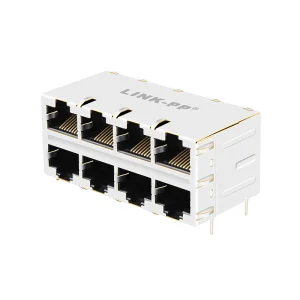
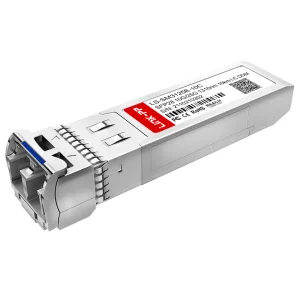
Explore our high-performance optical transceivers, SFP cages, and Ethernet connectors designed for robust network throughput and low latency.
The global Network Interface Card (NIC) industry is experiencing a profound paradigm shift driven by hyperscale cloud data centers, high-performance computing (HPC), and generative AI workloads. Historically, NICs were simple hardware components providing a physical Layer 1/2 connection to the network. Today, they are advanced processing nodes featuring dedicated silicon, dynamic network acceleration technologies (like RDMA over Converged Ethernet - RoCE), and intelligent offloading engines.
With the rapid adoption of PCIe Gen 5.0 and Gen 6.0 architectures, the physical connectivity layer requires highly precise components. Network interfaces are no longer isolated cards; they form a tightly coupled system with high-speed transceiver modules, EMI-shielded SFP cages, and advanced magnetics designed to sustain speeds up to 400Gbps and 800Gbps.
An authoritative breakdown of the leading global manufacturers driving innovation in the network adapters and interconnect ecosystem.
NVIDIA’s acquisition of Mellanox solidified its control over the ultra-high performance networking segment. Its ConnectX SmartNIC series and BlueField DPUs (Data Processing Units) are industry benchmarks for AI, database acceleration, and high-performance computing. They lead the market in RDMA (RoCE) implementation.
Intel is the most widely deployed NIC manufacturer in standard enterprise networks. From the legacy 82599 and X550 10G chipsets to the latest Ethernet 800 Series supporting up to 100Gbps, Intel offers robust driver compatibility across all operating systems and virtualization hypervisors.
Broadcom dominates the high-speed Ethernet ASIC space. Its NetXtreme E-Series controllers and custom SmartNIC designs provide excellent hardware offloading capabilities. Their chips are foundational for global cloud operators and custom OEM system designers.
Marvell’s acquisition of Cavium brought the FastLinQ network adapter lineup under its umbrella. Marvell focuses on secure connectivity, NVMe-over-Fabrics offload, and highly integrated Ethernet controllers optimized for enterprise storage arrays and hyperconverged infrastructure.
Cisco designs high-speed proprietary NICs primarily for its Unified Computing System (UCS) servers. Its Virtual Interface Cards (VIC) allow dynamically partitioning server I/O into multiple virtual PCIe adapters, optimizing resource utilization in enterprise multi-tenant clouds.
Realtek is the undisputed king of client-side integration, consumer electronics, and motherboard onboard LANs. Providing cost-effective, durable 1GbE and 2.5GbE solutions, their controllers are standard in workstations, laptops, and IoT edge devices.
Chelsio specializes in high-performance Unified Wire adapters. Supporting iWARP RDMA, TCP/IP offload, and storage protocol acceleration, Chelsio NICs are frequently utilized in enterprise storage area networks (SAN) and high-throughput data replication pipelines.
Silicom is a premier provider of customized server adapter cards. Renowned for its bypass networking cards (critical for cybersecurity appliances) and FPGA-based encryption acceleration cards, Silicom designs specialized hardware for telecommunications and security OEMs.
Allied Telesis focuses on secure, highly reliable fiber-to-the-desktop (FTTD) NICs. They are widely utilized in defense, government, and secure corporate environments where electromagnetic radiation security and copper cabling vulnerabilities must be mitigated.
Transolix is a specialized B2B powerhouse in the optical interconnect and network connectivity hardware sector. Unlike standard consumer NIC manufacturers, Transolix focuses on the critical physical layers of network interface cards, including premium SFP/SFP+ optical transceivers, RJ45 magnetics, and advanced EMI-shielded cage modules. By providing reliable transceivers and connector components, Transolix serves as a critical supplier enabling data centers, telecom operators, and enterprise network builders to establish stable, low-latency links.
In the global networking hardware supply chain, China remains the epicenter of manufacturing efficiency, component density, and rapid customization. Global enterprises leverage Chinese ODM/OEM partners to optimize cost structures and speed up time-to-market.
From raw silicone processing and PCB design to optical sub-assemblies (OSA) and metal shielding fabrication, the absolute concentration of sub-tier suppliers in industrial clusters ensures minimal transit delay. This localized network minimizes lead times for critical network interface accessories, such as multi-port cages, LAN transformers, and custom fiber optic patch panels.
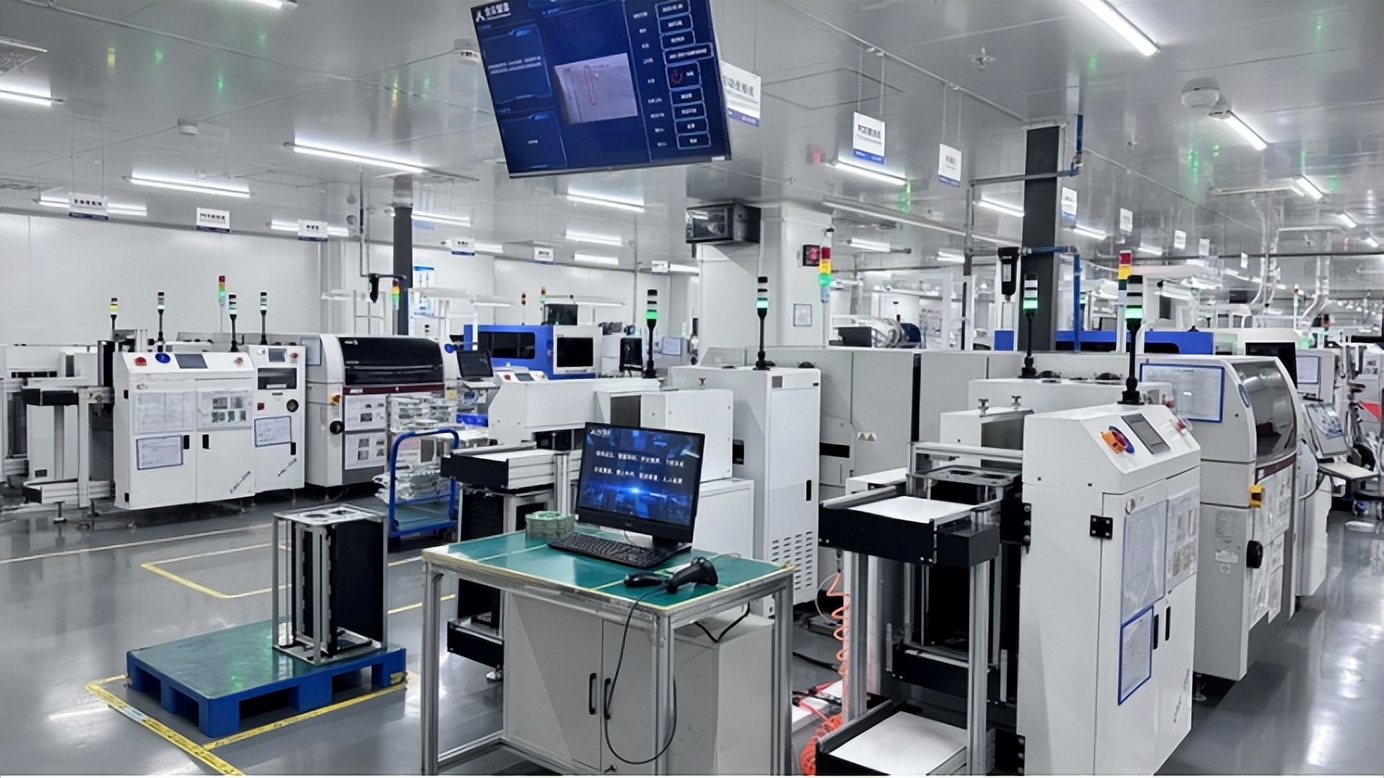
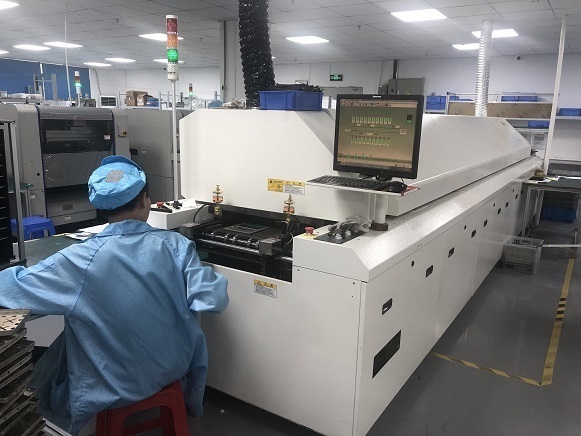
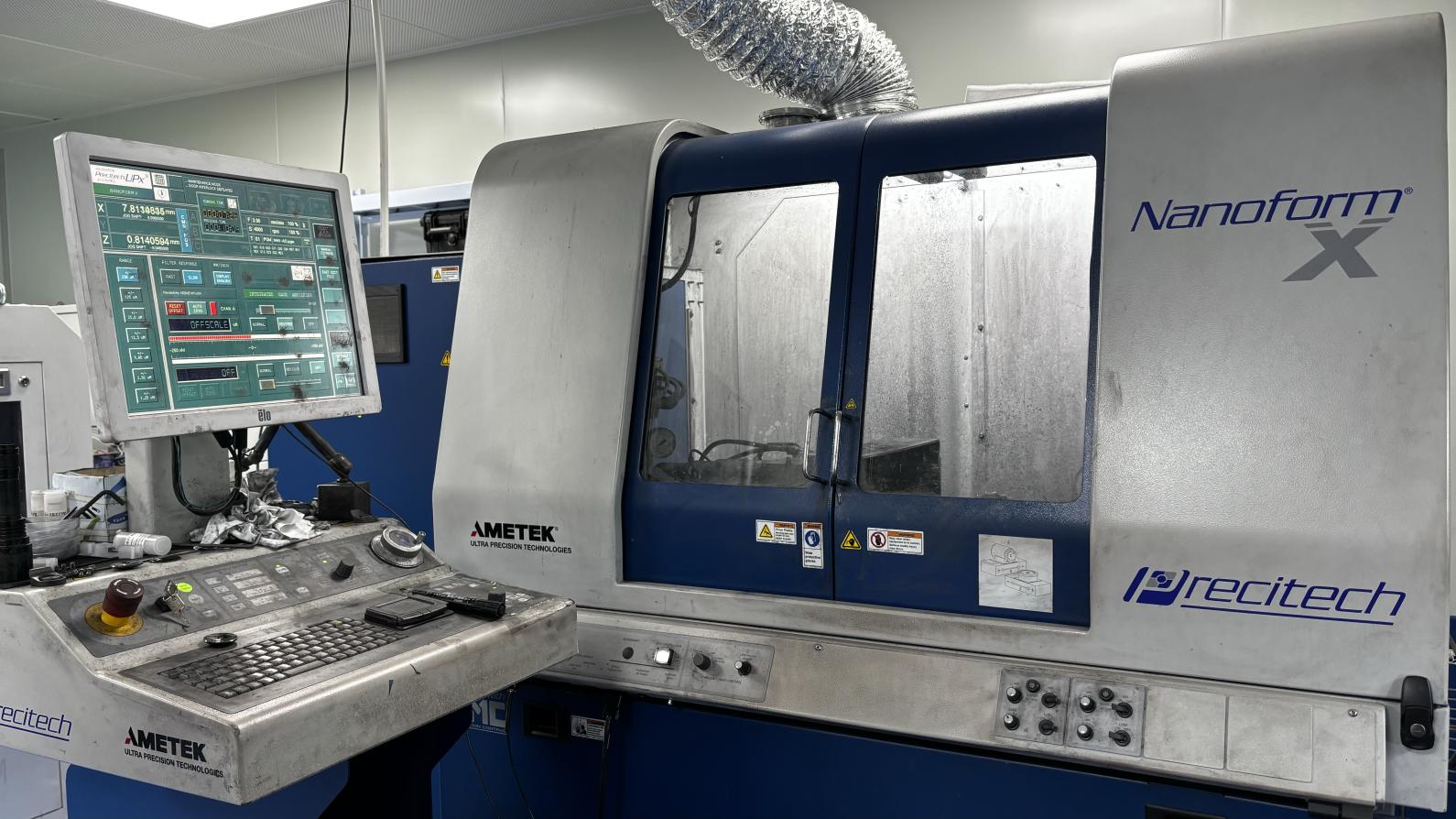
Leading manufacturers in China employ automated testing stations, visual AI inspection tools, eye diagram analyses, and environmental aging chambers. Standard compliance with ISO 9001, RoHS, and CE certifications ensures that finished products meet the strict criteria required by Tier-1 data centers and telecom operators worldwide.
Transolix is a professional optical transceiver manufacturer specializing in high-performance fiber optic communication solutions for global data centers, telecom operators, and enterprise networks. With strong engineering capabilities and scalable production capacity, Transolix is committed to delivering reliable, high-speed, and cost-effective optical connectivity products worldwide.
Quality is the cornerstone of Transolix. We employ 42 dedicated QC staff and adhere to ISO 9001 and strict internal reliability standards. Our verification process features automated optical testing, eye diagram analysis, aging tests, and 100% final performance verification.
With over 6 years of direct export experience, we maintain partnerships with 860 certified upstream suppliers including leading chipsets, optics, and precision packaging vendors. Transolix products are actively deployed in North America, Europe, Southeast Asia, and the Middle East.
Our R&D capabilities shine in high-speed optical design, signal integrity optimization, and module integration. We launched 86 new models last year. Transolix supports comprehensive customization options:



Different environments demand specific hardware designs. Understanding localized application demands is vital for hardware procurement.
Requires maximum port density, minimal power consumption, and hot-swappable transceivers. 10G/25G SFP28 and 100G/400G QSFP transceivers are critical to connect massive node clusters.
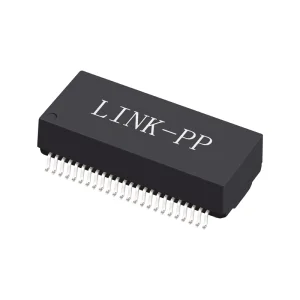
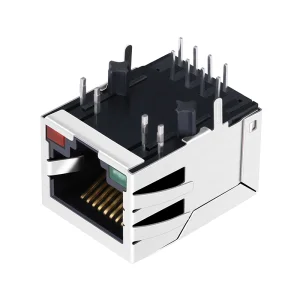
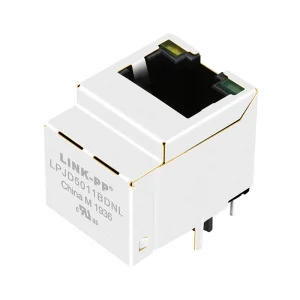
Requires high tolerance to temperature variations and high EMI resistance. Shielded RJ45 jacks with integrated LEDs and robust transformer modules ensure industrial network stability.
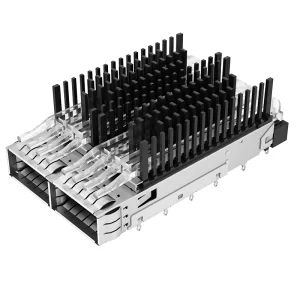
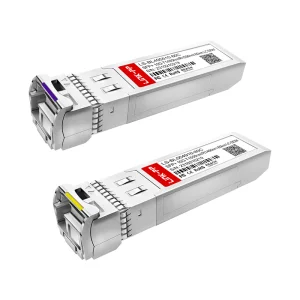
Emphasizes legacy compatibility and continuous uptime. Multi-rate transceivers (supporting 10G/25G dual-rate modes) and robust SFP+ cages with integrated heat sinks are prioritized.
When global sourcing departments assess network interface cards, transceivers, and connectivity hardware, technical compatibility and long-term reliability take precedence over initial unit cost. Consider the following verification steps during your procurement cycle:
Verify if the optical transceiver modules or the network interface controller firmware is pre-configured to be compatible with major network operating systems (such as Cisco IOS, Juniper Junos, Linux, or VMware ESXi). A misconfigured EEPROM on a transceiver can lead to port lockout.
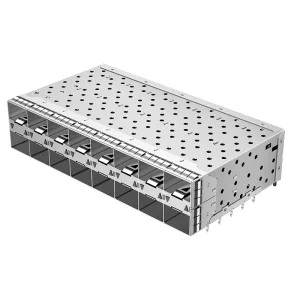
High-speed networking produces significant heat. Ensure that SFP cages feature high-performance heat sinks and integrated EMI springs (elastomeric gaskets) to shield structural openings, maintaining signal integrity and prevent data packet loss.
Request eye diagram testing reports from component suppliers. A clean eye opening indicates excellent signal-to-noise ratios, meaning fewer packet retransmissions and consistent latency profiles across long fiber-optic connections.
As tech configurations shift, choose suppliers that can quickly build customized wavelengths, specialized fiber distances, and legacy component configurations. Ensuring supply chain resilience prevents infrastructure build delays.
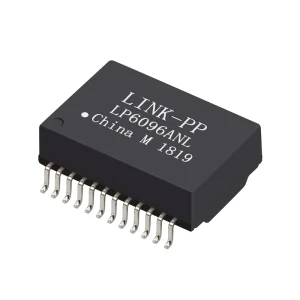
Examine our select range of right-angle SFP receptacles, PCB modular jacks, magnetic connectors, and high-speed multi-rate transceivers.
 Transolix