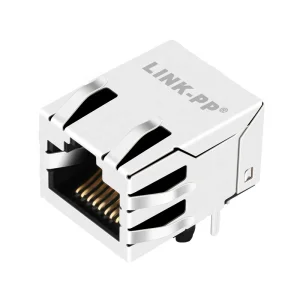
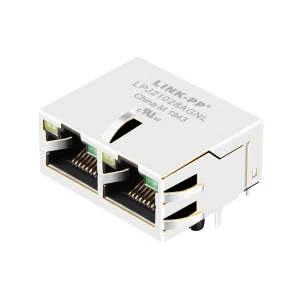
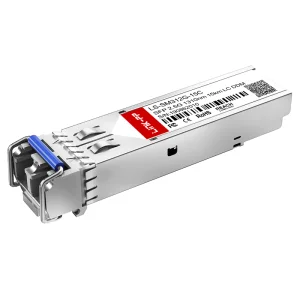
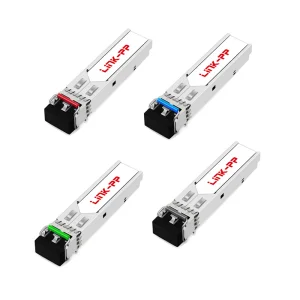
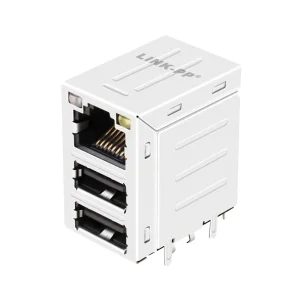
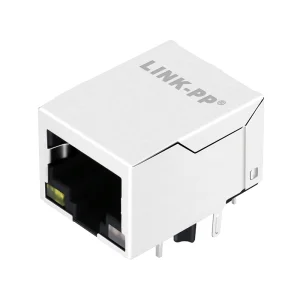
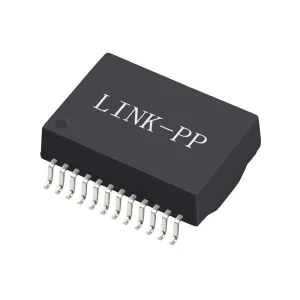
Explore our state-of-the-art telecom interconnect modules and advanced components. Designed for standard integration across enterprise systems, high-speed optical transceivers, and modular structural connectors.
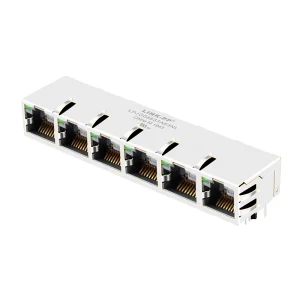
Over the past decade, the telecommunications landscape has experienced an unprecedented evolution. The migration from traditional Public Switched Telephone Networks (PSTN) to Voice over Internet Protocol (VoIP) platforms has forced enterprise system integrators to reconsider physical connector deployments. This transformation is where the RJ45 to RJ11 adapter acts as an indispensable legacy bridging tool.
While optical fibers (utilizing high-performance components like 10G/25G/100G transceivers) dominate core network trunks, structural copper adapters sustain the edge connections. RJ45 (8P8C) plugs carry raw Ethernet signals, whereas RJ11 (6P4C or 6P2C) is optimized for analog phone lines. High-grade converters prevent physical pin misalignment and cross-talk during conversions.
Modern IoT deployment, smart metering, IP intercom networks, and enterprise unified communications continue to utilize combined copper/fiber frameworks. System designers must leverage reliable exporters and factories that manufacture adapters complying with tight mechanical tolerances, gold plating standards, and signal attenuation metrics.
When sourcing telecom accessories, structured cabling, or high-speed active components, evaluating factory expertise is paramount to mitigating project risks. Transolix exemplifies a premier partner within this space. Specializing in high-performance connectivity solutions for global data centers, telecom operators, and enterprise networks, Transolix combines rigid production standards with extensive export capabilities.
At Transolix, connectivity reliability is verified through systematically structured protocols. Complying with ISO 9001 quality system certifications and internal reliability test beds, products go through automated optical testing, eye diagram analysis, mechanical endurance aging tests, and 100% final performance verification. Our 320㎡ advanced testing center features state-of-the-art analysis rigs to check signal integrity, insertion loss, and thermal thresholds, maintaining a standard that supports our USD 8–15 million annual export volume.
Procurement officers in North America, Europe, Southeast Asia, and the Middle East struggle with network interface conversion at scale. When choosing between the top factories and exporters, technical specifications dictate durability. The table below provides a reference standard for evaluating RJ45 to RJ11 adaptation parameters:
| Parameter Class | High-End Industrial Grade | Commercial Grade | Consumer/Office Grade |
|---|---|---|---|
| Pin Contact Material | Phosphor Bronze, 50μ" Gold Plated | Phosphor Bronze, 15μ"–30μ" Gold Plated | Standard Copper Alloy, Flash Gold Plated |
| Housing Polymer | Flame Retardant Polycarbonate (UL 94V-0) | Standard Polycarbonate (UL 94V-2) | Acrylonitrile Butadiene Styrene (ABS) |
| Shielding Configuration | Fully Shielded (FTP/STP Metal Shell) | Optionally Shielded (UTP/FTP) | Unshielded (UTP) |
| Insulation Resistance | ≥ 1000 MΩ @ 500V DC | ≥ 500 MΩ @ 500V DC | ≥ 100 MΩ @ 500V DC |
| Mating Cycles | ≥ 1000 insert/extract cycles | ≥ 750 insert/extract cycles | ≥ 300 insert/extract cycles |
Wavelength configurations, form factor modifications, strict distance-level engineering, protocol compatibility adjustment, and specialized firmware integration.
Adapters and modules compliant with RoHS Directive 2011/65/EU, CE Mark, FCC Part 68 requirements, and REACH regulatory standards for environmental protection.
With 86 global new product releases last year and access to 860 certified upstream vendors, supply reliability is guaranteed even for massive global rollouts.
As gigabit connectivity extends to residential and commercial edges, RJ45 physical interfaces are adapting. Power over Ethernet (PoE) technology (from PoE IEEE 802.3af up to PoE++ 802.3bt) now requires adapter products to handle higher current loads (up to 960mA per pair) without overheating. Top exporters must guarantee that RJ45 to RJ11 adaptations do not create high-resistance points that could trigger thermal runaway.
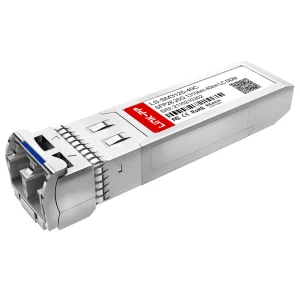
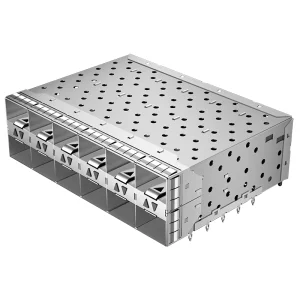
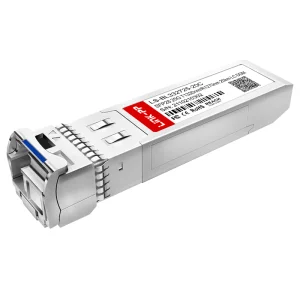
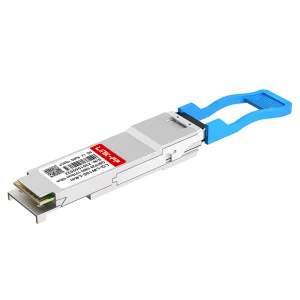
In parallel, the telecom backbone requires continuous scaling. Modern cloud systems leverage 25G SFP28, 10G CWDM, and 100G QSFP28 modules for data distribution hubs. Bridging devices must maintain complete electromagnetic isolation, ensuring that high-frequency signals on nearby active links do not experience crosstalk from analog voice frequencies routed through legacy adapters.
Take an inside look at the high-precision processing labs, automation cells, and quality control departments that guarantee the reliable manufacturing of optical modules and structured cabling accessories.



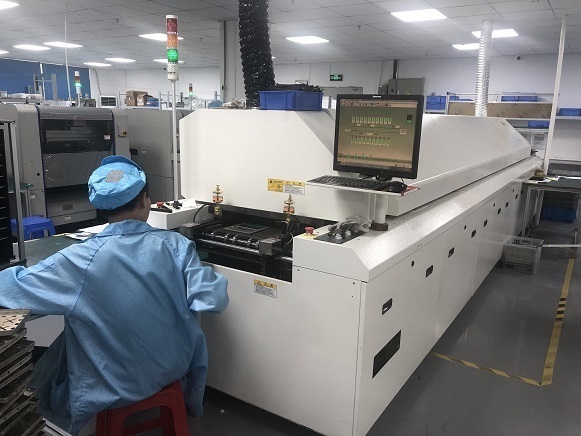

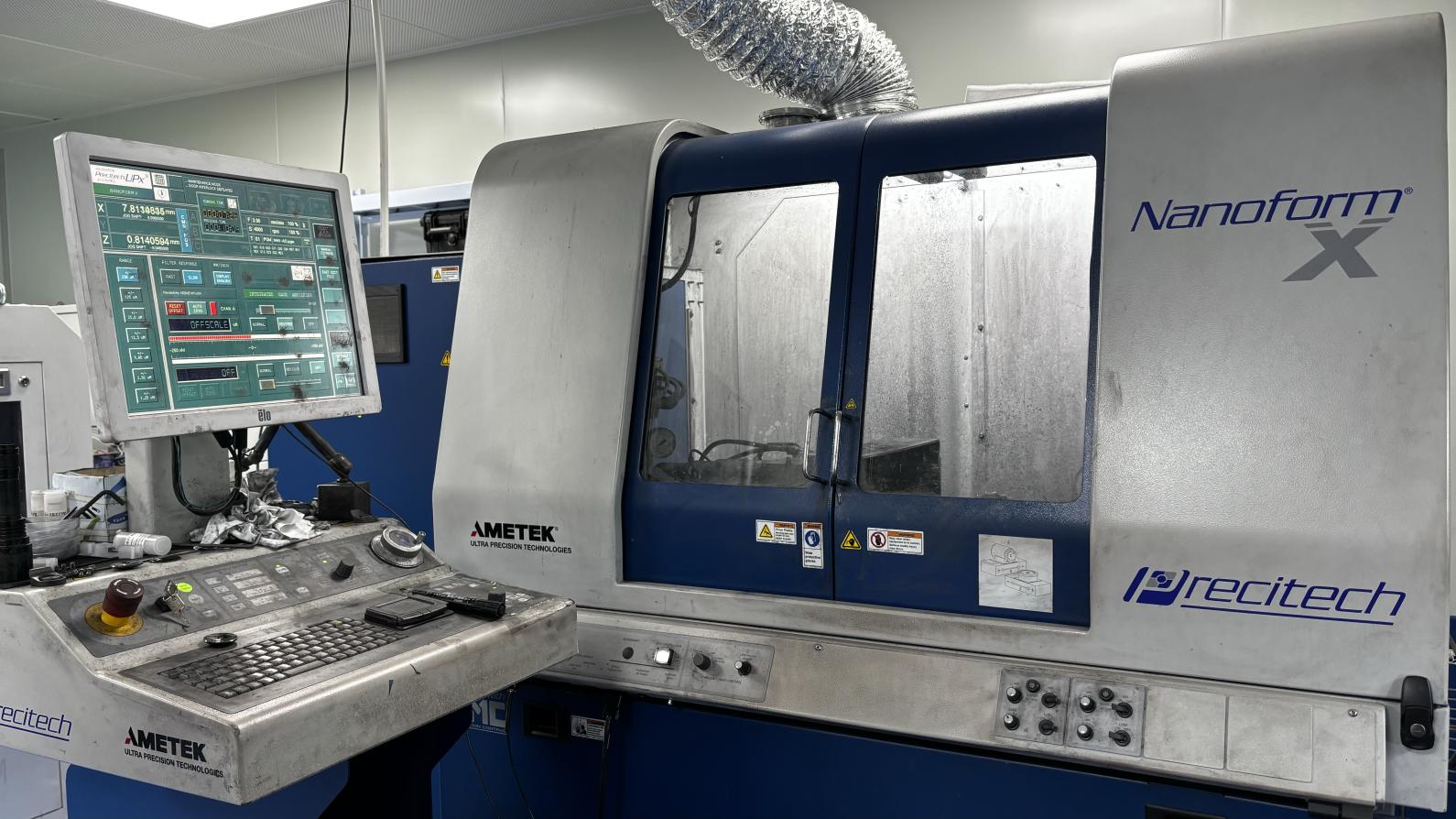
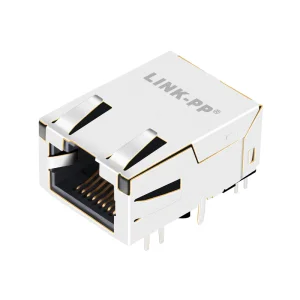
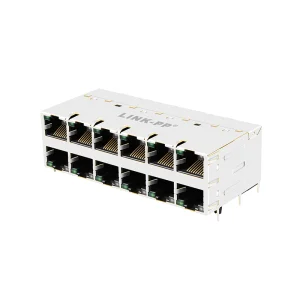
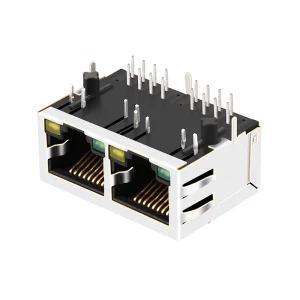
Explore our selection of fiber transceivers, magnetic LAN connectors, and high-frequency modular sockets designed for enterprise switches, edge gateways, and telecom central offices.
 Transolix