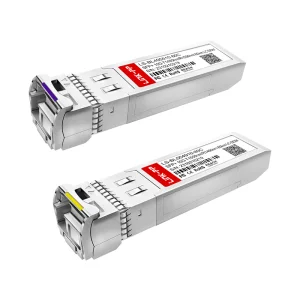
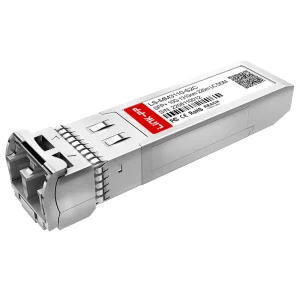
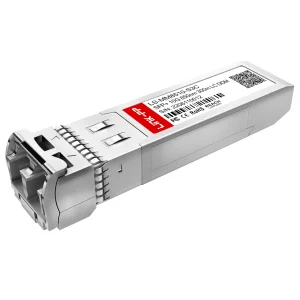
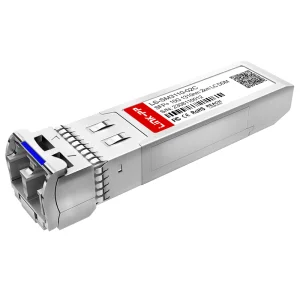
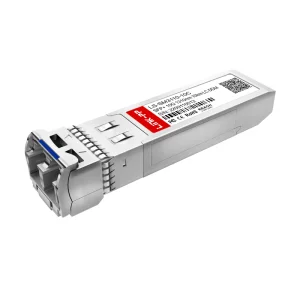
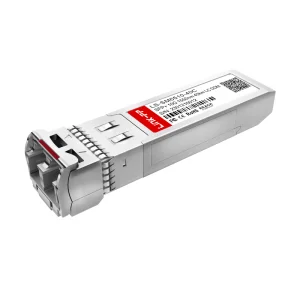
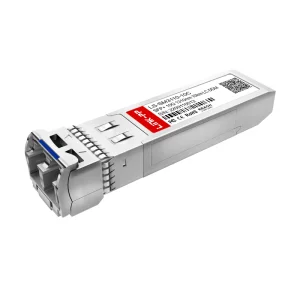
Engineered for immediate compatibility with mainstream telecom infrastructures in Malaysia, featuring unmatched stability and low latency.
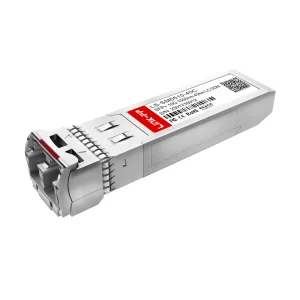
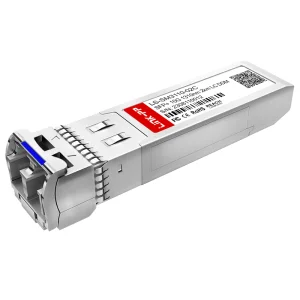
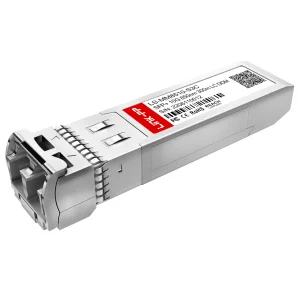
As Southeast Asia establishes itself as a global technology powerhouse, Malaysia is at the absolute forefront of this infrastructure expansion. Guided by the government's MyDIGITAL blueprint and the JENDELA (Jalinan Digital Negara) phase-based national plans, the demand for enterprise connectivity has skyrocketed. Hyper-scale data centers are clustering rapidly around Cyberjaya (Selangor) and the Sedenak Tech Park (Johor), creating a massive pipeline for highly reliable, cost-effective fiber optical transceivers.
In these environments, 10G and 16G SFP+ modules form the structural backbone of core switching layers, enterprise campus networks, and storage area networks (SAN). Operating within Malaysia's unique tropical climate requires transceiver modules capable of handling localized physical stresses—namely, high heat profiles and relative humidity. Standard components fall short under prolonged thermal strain, demanding industrial-grade engineering that guarantees structural stability and low bit error rates (BER).
Understanding optical physical media layers and electrical interfaces for modern telecommunication frameworks.
Digital Optical Monitoring (DOM) compliant with SFF-8472 provides real-time tracking of optical output/input power, temperature, laser bias current, and transceiver supply voltage. This capability allows network administrators in Malaysia to preemptively identify fiber attenuation and dirty connections before system failures occur.
Our EEPROM firmware is customized for seamless integration with Cisco, Huawei, Juniper, Arista, and HPE networks. This eliminates vendor lock-in and mitigates port-blocking issues commonly encountered during hardware upgrades in multi-vendor enterprise environments.
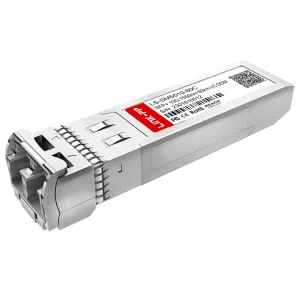
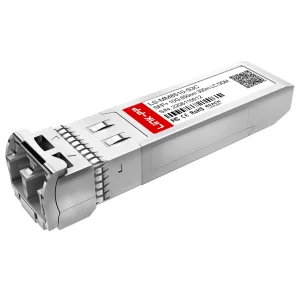
Utilizing premium 850nm VCSEL, 1310nm DFB, and 1550nm EML transmitters alongside high-sensitivity PIN and APD photodetectors. This hardware configuration guarantees reliable performance over reach profiles ranging from 220m to 120km under rigorous industrial operating environments.
Choosing the correct protocol layer and physical media dependent (PMD) specification is critical for maintaining maximum throughput across your storage arrays and optical distribution networks.
| Parameters | 10G SFP+ Ethernet | 16G SFP+ Fibre Channel |
|---|---|---|
| Standard Protocol | IEEE 802.3ae / SFF-8431 | FC-PI-5 / INCITS 479 |
| Data Line Rate | 10.3125 Gbps | 14.025 Gbps |
| Line Coding Profile | 64b/66b Encoding | 64b/66b Encoding |
| Typical Link Distances | 300m (MMF) to 80km/120km (SMF) | 100m (OM3) to 10km (SMF) |
| Primary Application | LAN, MAN, WAN Edge Core Switching | High-Speed Storage Area Networks (SAN) |
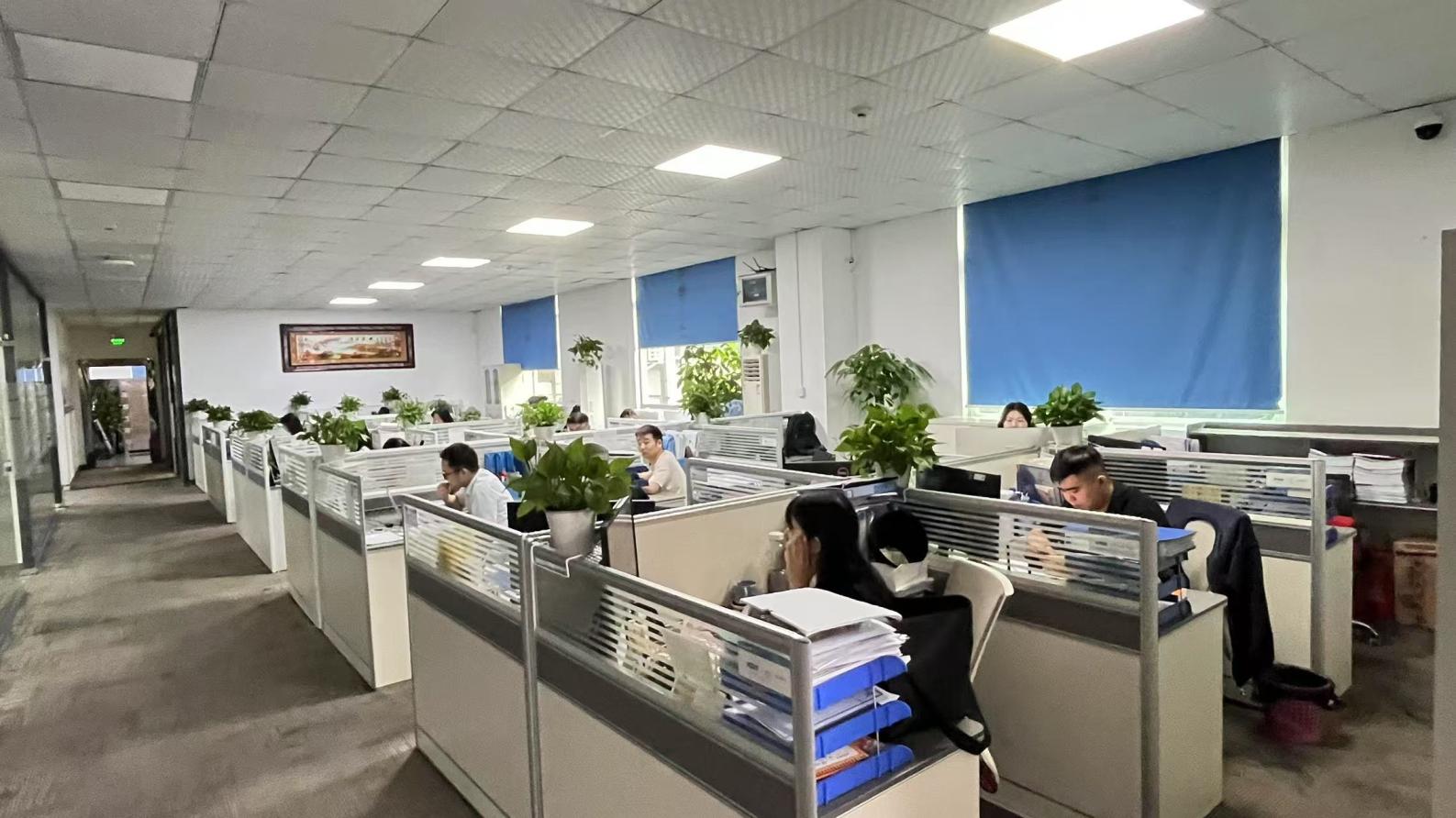
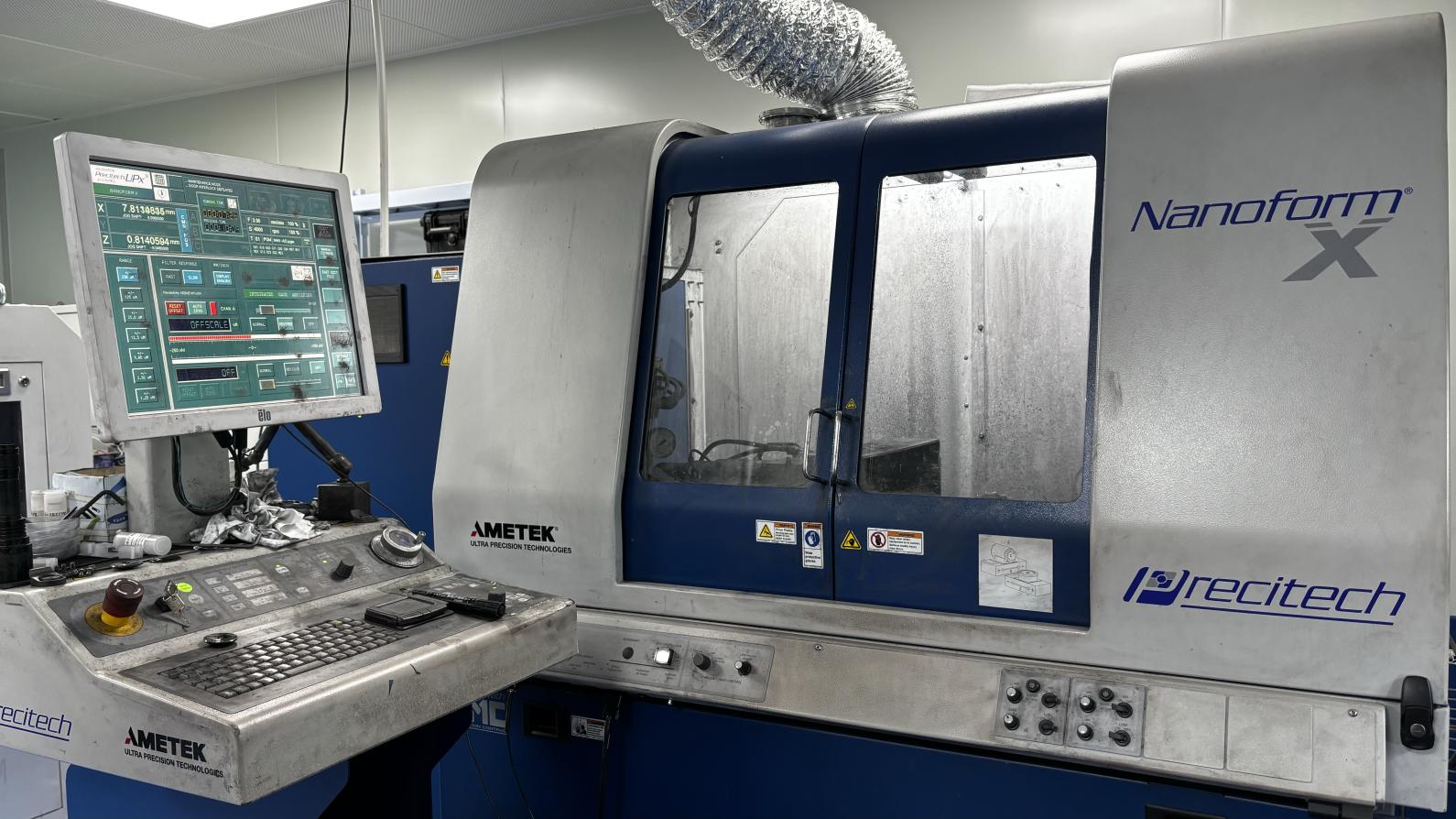
Transolix is an optical transceiver manufacturer specializing in high-performance fiber optic communication solutions for global data centers, telecom operators, and enterprise networks. With strong engineering capabilities and scalable production capacity, Transolix is committed to delivering reliable, high-speed, and cost-effective optical connectivity products worldwide.
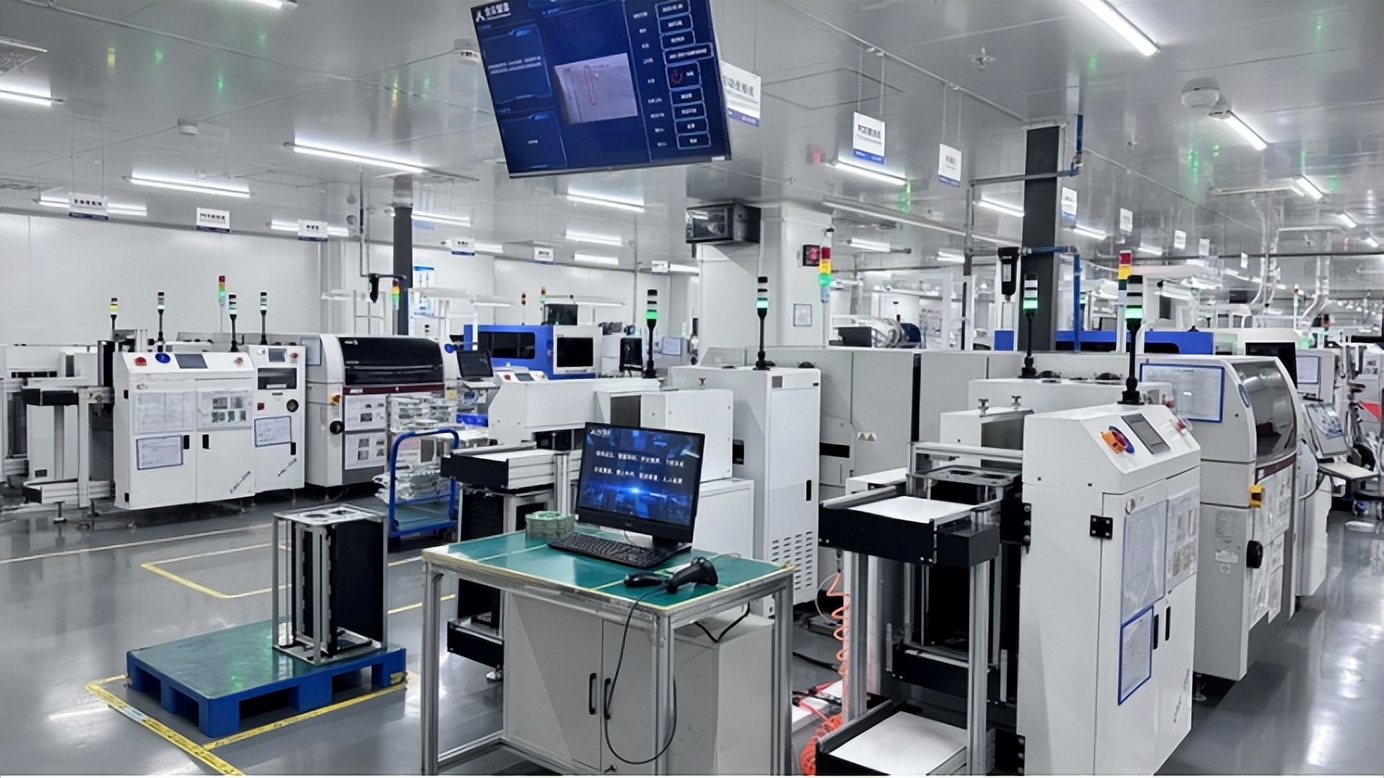
Our R&D division has a successful history of customized hardware development. Last year alone, we introduced 86 new transceiver models, catering to the evolving requirements of next-generation optical networks. With over 6 years of export experience and 11 years of industry presence, we maintain a network of over 860 certified upstream suppliers. This ensures procurement stability for key optical components and microcontrollers even during global component shortages.
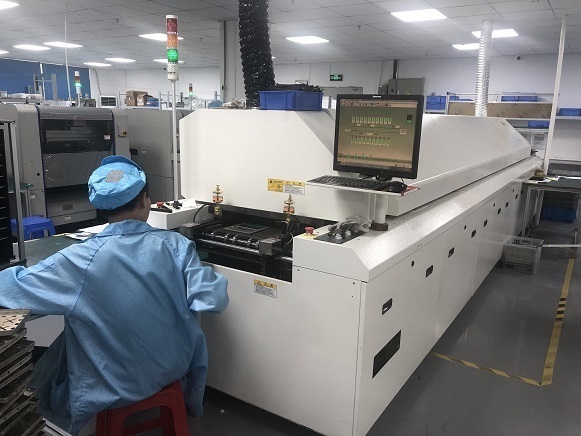
Every batch undergoes strict inspection standardizing with ISO 9001 and our internal reliability frameworks. Final processing includes automated optical testing, eye diagram analysis, environmental thermal chamber cycling, and 100% final compatibility verification on target switch hardware platforms.
Our engineers support customization for specific optical wavelengths (DWDM/CWDM), customized distances, legacy system compatibility, custom EEPROM coding, and specialized form-factor configurations suited for complex deployments.


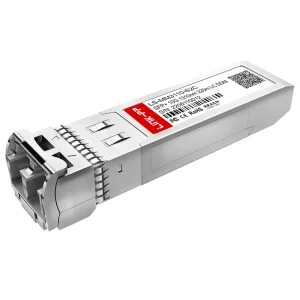
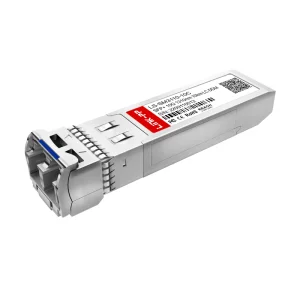
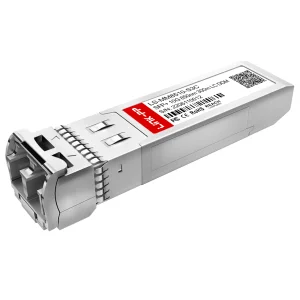
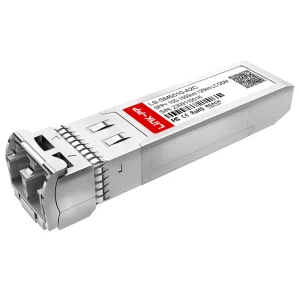
Browse our selection of multi-mode, single-mode, Cisco-compatible, and long-range transceivers engineered to support your network infrastructure.
Importing high-speed networking equipment into Malaysia requires compliance with local standards. Transolix ensures that all export shipments align with the guidelines set by the Malaysian Communications and Multimedia Commission (MCMC) and SIRIM QAS International. We provide the necessary technical documentation, test reports, and declaration forms to facilitate smooth customs clearance through major ports like Port Klang and Penang International Airport.
Our logistics support features optimized DDP (Delivered Duty Paid) shipping solutions, working in partnership with local logistics providers. This mitigates risks associated with customs holding times and tariff assessments. Additionally, for qualified projects in free trade zones, we provide comprehensive documentation support to help clients leverage tax incentives under the Malaysian Investment Development Authority (MIDA) guidelines.
Answers to common technical and logistical questions regarding transceivers in Malaysian enterprise environments.
Need customized configurations, custom compatibility firmware, or volume pricing for regional networks in Malaysia? Contact our engineering team for assistance.
Send Inquiry Now Transolix