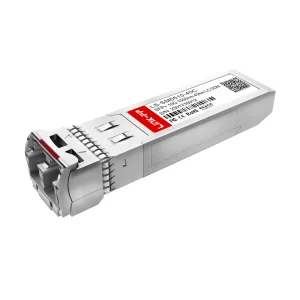
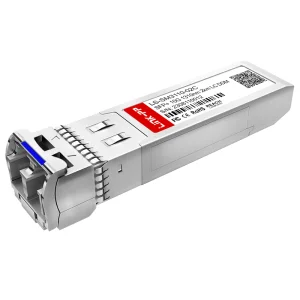
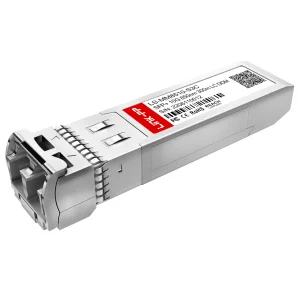
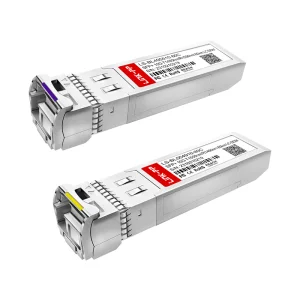
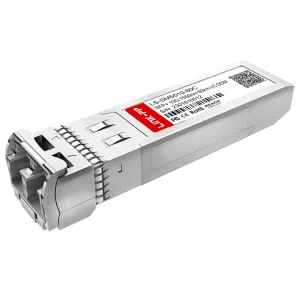
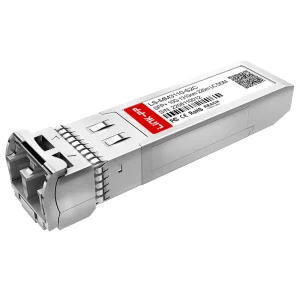
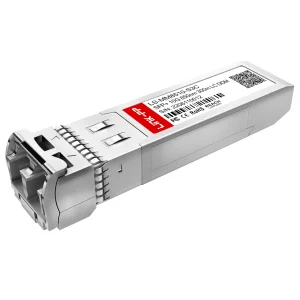
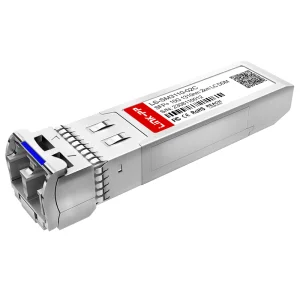
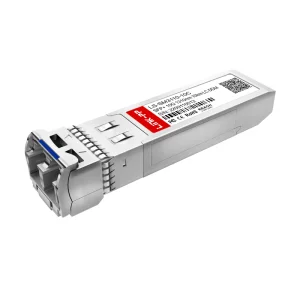
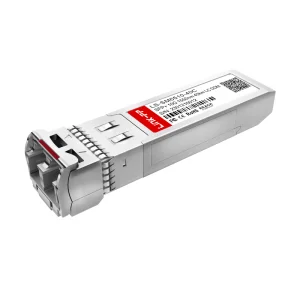
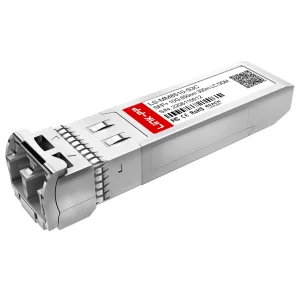
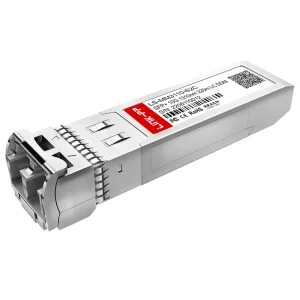
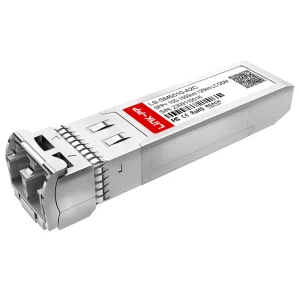
Optimized for metropolitan network backbones and enterprise routing engines across Greater Mexico City.
Mexico City (CDMX) has emerged as the pivotal telecommunications and digital infrastructure node of Latin America. Driven by rapid cloud adoption, the proliferation of Tier III and Tier IV data centers, and massive nearshoring initiatives in metropolitan industrial rings, the demand for high-capacity, low-latency transmission solutions is at an all-time high.
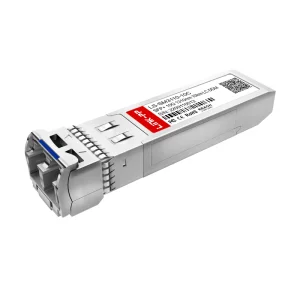
As an industry-leading optical transceiver exporter, Transolix bridges the gap between state-of-the-art silicon photonic manufacturing and local system integrators operating in Santa Fe, Vallejo, and Querétaro. Our range of 10G SFP+ and 16G Fibre Channel (FC) modules are engineered to withstand the demanding thermal and voltage profiles typical of regional multi-tenant data centers.
Whether upgrading existing municipal ring networks or scaling enterprise storage area networks (SANs) for financial hubs along Paseo de la Reforma, our transceivers guarantee seamless interoperability, zero-frame loss, and multi-vendor compatibility.
Engineered for high-density multi-vendor networks requiring precise dispersion compensation over extended geographic spans.
An engineering breakdown of 10G Ethernet vs. 16G Fibre Channel (FC) physical layer dynamics.
Modern enterprise data infrastructures require precise optical solutions. SFP+ form factor modules operate as hot-pluggable optical transceivers utilized for both Ethernet and Fibre Channel protocols. However, the physical and optical requirements differ fundamentally depending on the system distance, fiber dispersion parameters, and routing overhead.
| Transceiver Standard | Wavelength (nm) | Fiber Type | Max Link Length | Laser Source | Primary Industrial Use-Case |
|---|---|---|---|---|---|
| 10GBASE-SR | 850 | MMF (OM3/OM4) | 300m | VCSEL | Intra-rack, switch-to-switch data distribution |
| 10GBASE-LR | 1310 | SMF (G.652) | 10km | DFB | Campus backbones, metropolitan loop aggregation |
| 10GBASE-ER | 1550 | SMF (G.652) | 40km | EML | Inter-city data center interconnects (DCI) |
| 16G Fibre Channel | 850 / 1310 | MMF / SMF | Up to 10km | VCSEL / DFB | High-performance SAN storage arrays and banks |
| 10GBASE-ZR | 1550 | SMF (G.652) | 80km / 120km | Cooled EML | Ultra-long haul regional transit networks |
Enables real-time diagnostics tracking of vital stats like TX bias current, receiver power levels, internal transceiver temperature, and voltage tolerances to prevent unexpected down-times.
Manufactured in strict compliance with Multi-Source Agreements (SFF-8431, SFF-8432, SFF-8472) ensuring mechanical alignment and electrical integrity inside standard host ports.
Optimized electrical path designs result in power consumption levels under 1.0W per module, significantly reducing thermal loads on high-density switches in Mexico City centers.
How Transolix 10G/16G SFP+ modules are deployed within Mexico City's industrial ecosystem.
The hyper-scale expansion in Querétaro and peripheral Mexico City demands redundant, ultra-reliable long-reach links to manage continuous virtual machine migrations. The Transolix 10GBASE-ZR 80km and 10GBASE-ER 40km transceivers serve as crucial bridge links to unify these high-throughput zones without relying on costly signal regenerators.
Outcome: Drastic reduction in CAPEX and OPEX, maintaining sub-millisecond latencies across metropolitan regional optical loops.
Banking institutions along Paseo de la Reforma depend on rapid storage networks (SAN) to record transactions. Incorporating 16G Fibre Channel SFP+ transceivers ensures zero-loss, frame-accurate data replication between localized physical servers and remote backup environments.
Outcome: Enhanced transaction processing speeds, complying fully with local financial network security policies and uptime requirements.
In industrial zones such as Vallejo, manufacturing plants are undergoing digitization under the Industry 4.0 paradigm. Multi-mode 10GBASE-SR SFP+ modules with industrial temperature ratings (-40°C to 85°C) are deployed directly within manufacturing floors to connect smart PLCs and edge servers.
Outcome: Continuous factory operations despite localized electromagnetic interference and variable thermal ranges.
With service providers upgrading optical backhauls to handle increased digital traffic, 10G BiDi (Bidirectional) transceivers are utilized to double the bandwidth capacity over single-strand fiber cables, eliminating the immediate need to lay new fiber paths.
Outcome: Faster deployment of suburban broadband services across greater Mexico City with optimized fiber strand utilization.
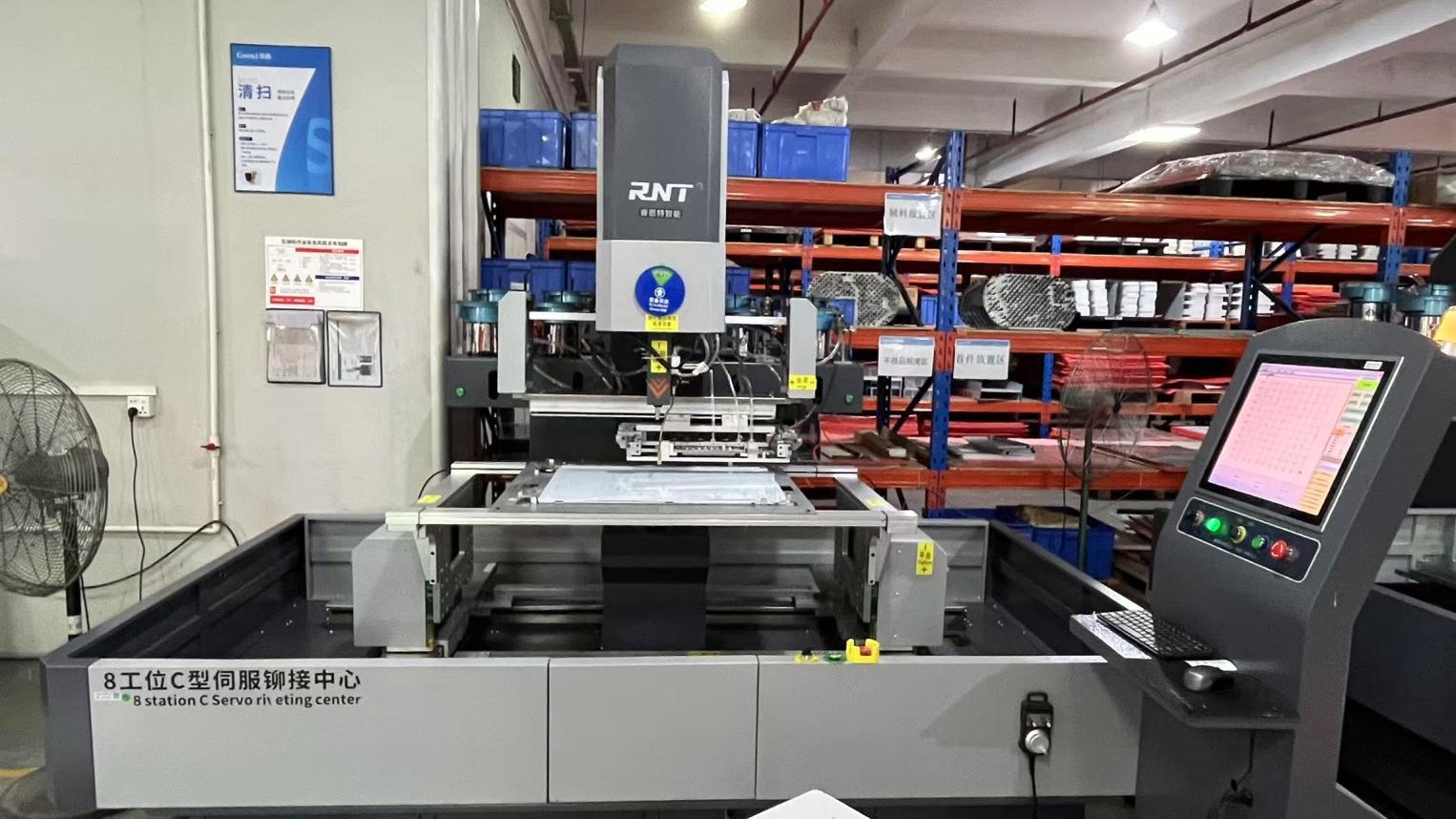
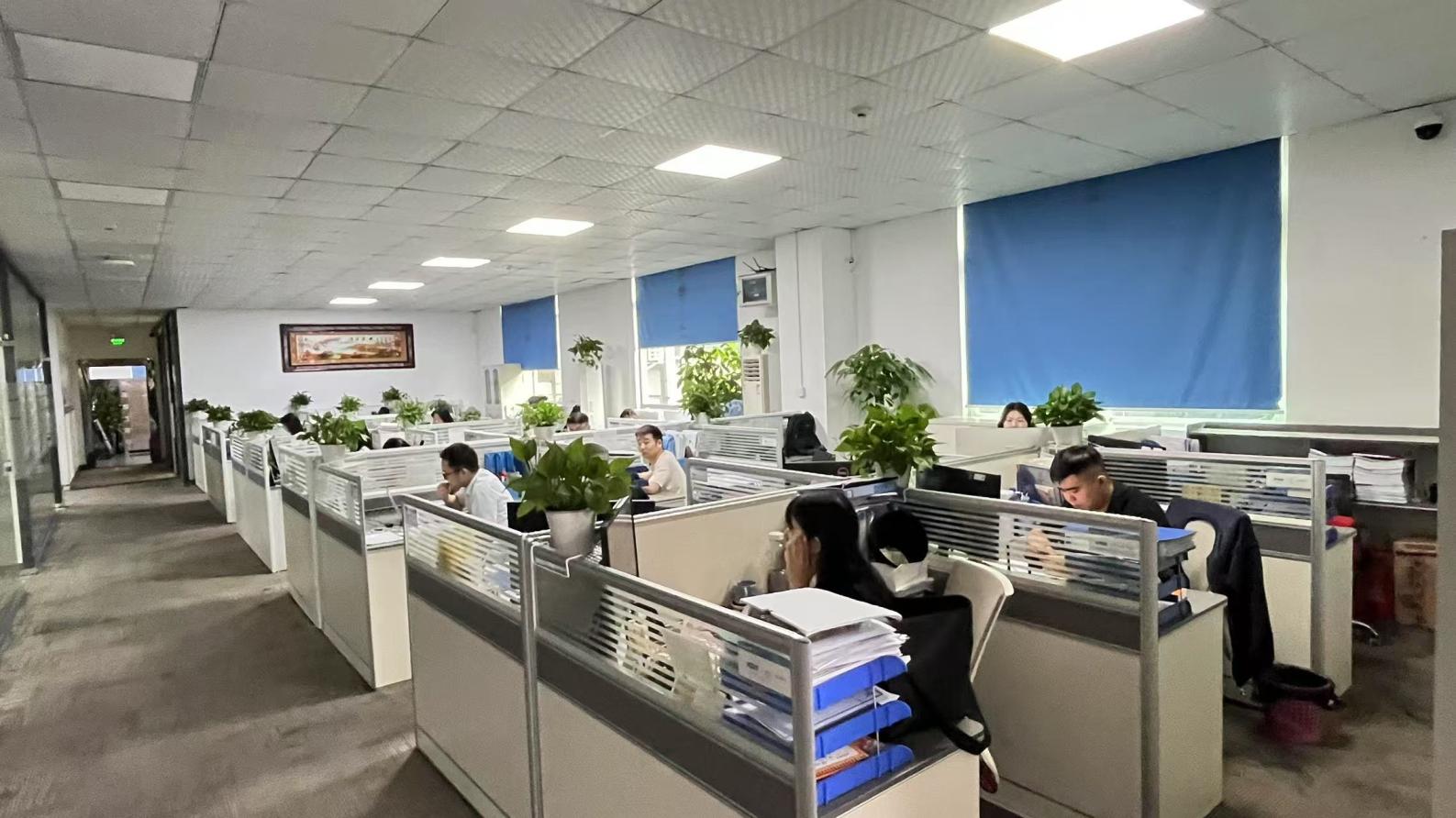
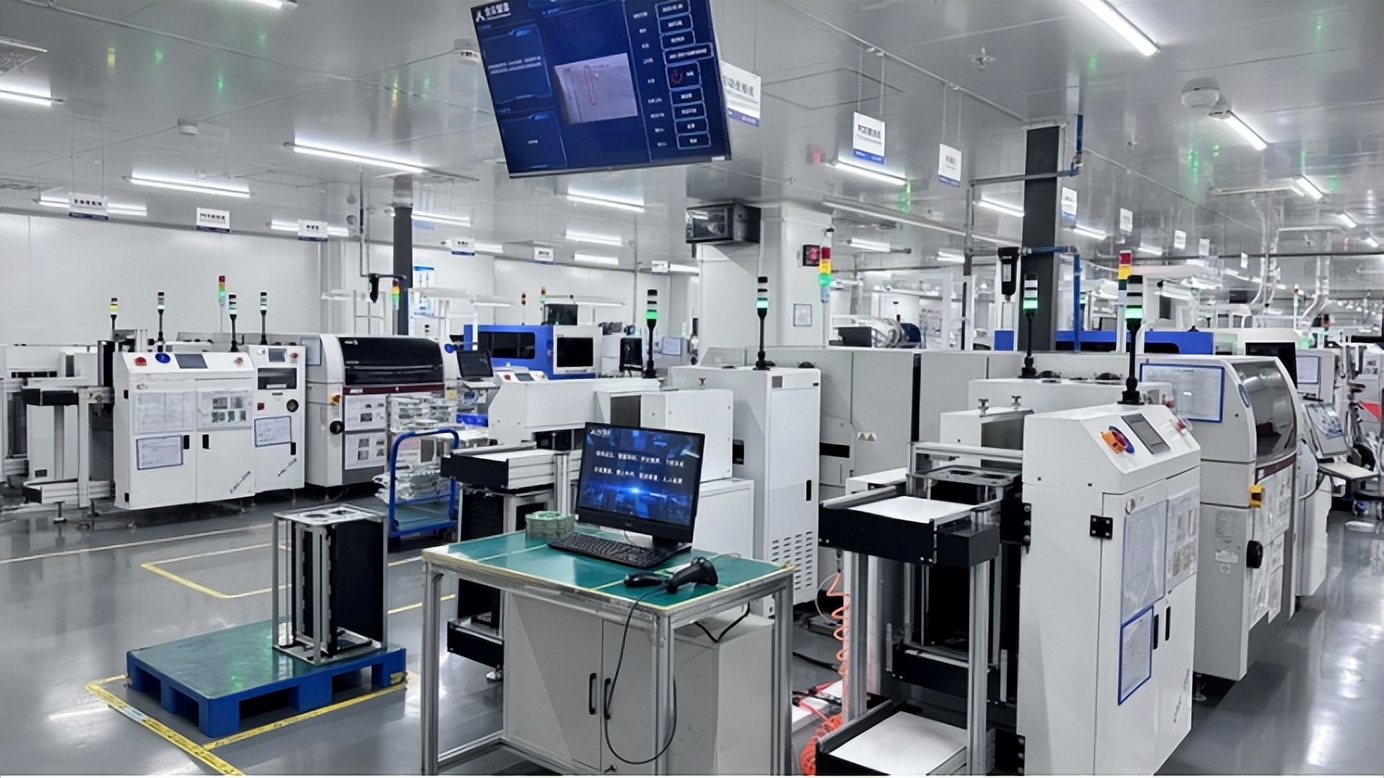
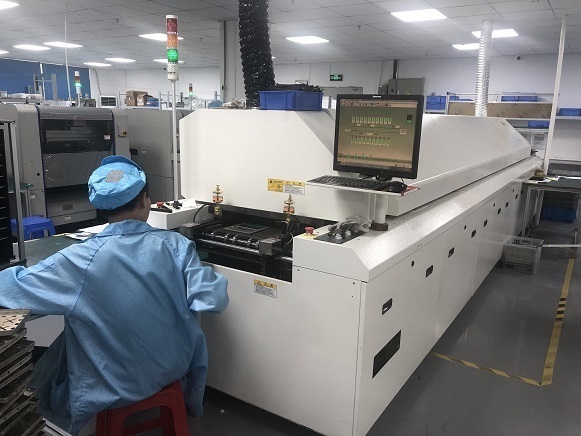
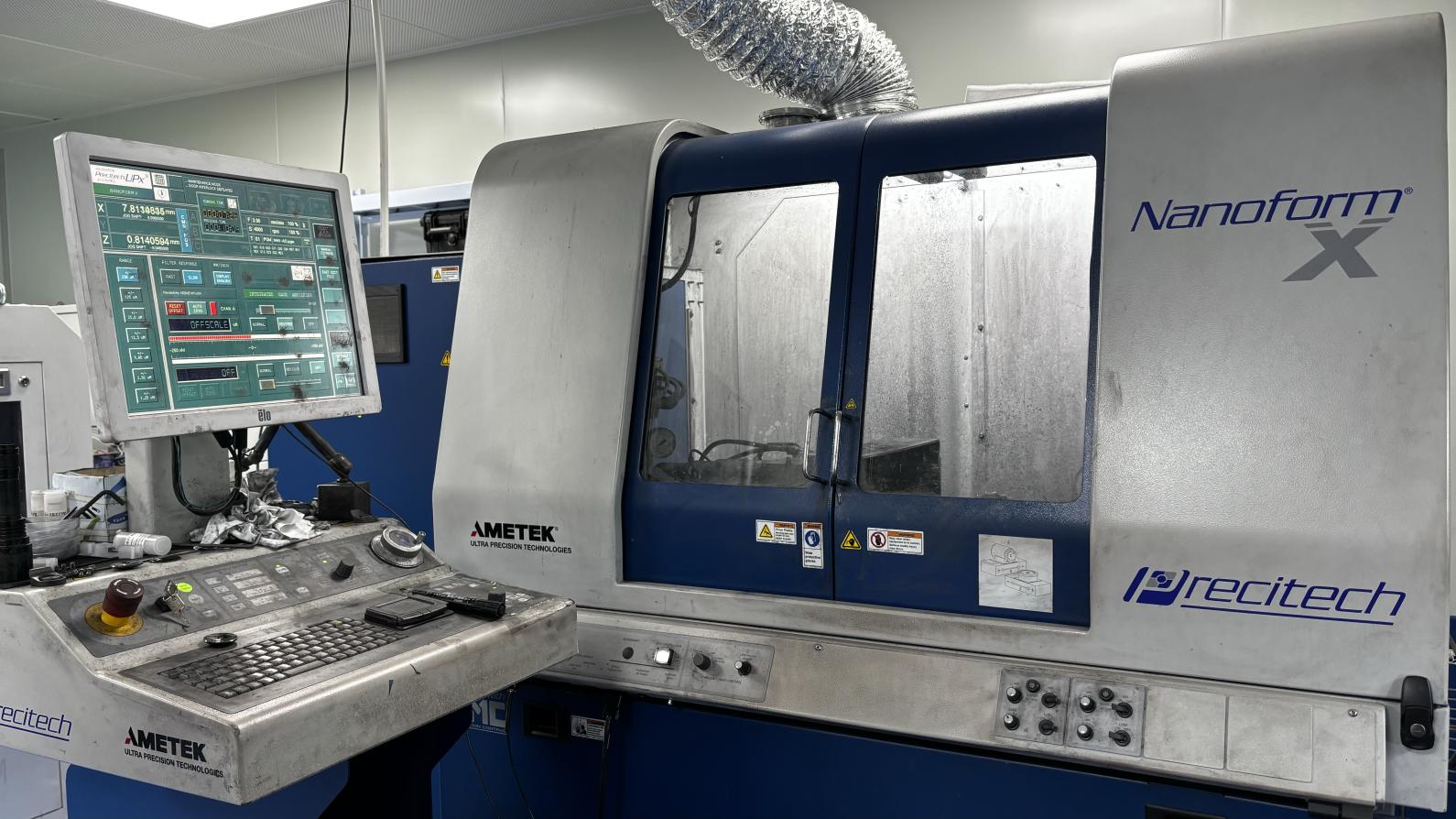
We recognize that structural reliability is paramount when shipping optical modules internationally. Transolix implements a rigorous multi-stage quality protocol in our 320㎡ facility, backed by an experienced team of 42 QC professionals and 128 R&D engineers.
Every single transceiver undergoes automated optical testing, eye diagram analysis, thermal chamber aging tests, and 100% final compatibility verification against specific host switch switches.
To ensure zero delays during custom clearance and installation in Mexico, we supply fully certified materials conforming to international standards (CE, FCC, RoHS, REACH) and Mexican local technical standards.
| Manufacturing Compliance Overview | |
|---|---|
| Quality Standard | ISO 9001:2015 Registered Production lines |
| Testing Methods | Optical spectrum analyzer testing, bit error rate testing, custom switch simulation |
| Upstream Supply Chain | 860+ certified global suppliers for optical sub-assemblies (TOSA/ROSA) |
| Export Support | 6+ Years of direct global exporting, specialized logistics serving Mexico City |
| Custom Solutions | Firmware coding, tailored wavelengths, customized transmission lengths |

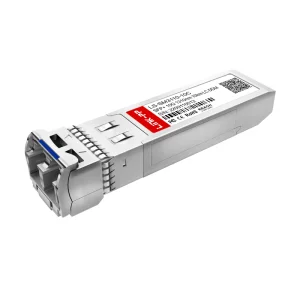
Select from our widely deployed 10G/16G transceivers and platform-compatible solutions.
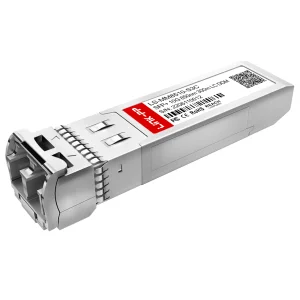
Adapting your optical infrastructure for the next generation of data demands.
The current standard for high-speed edge computing, enterprise switching, and SAN storage systems. Reliable, mature, cost-effective, and compatible across legacy optical layouts.
As bandwidth demands intensify, transitioning to 25G Ethernet and 32G Fibre Channel utilizing SFP28 interfaces provides a direct upgrade pathway without altering the existing physical footprints.
Utilized for core data center backbones, deploying QSFP28 and QSFP-DD form factors utilizing coherent optics to handle cross-metropolitan multi-wavelength links.
Comprehensive guide to deploying Transolix transceivers in regional Latin American network architectures.
 Transolix