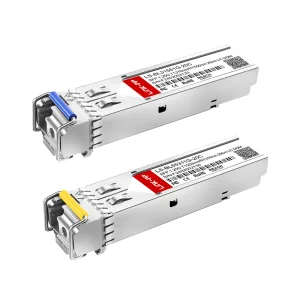
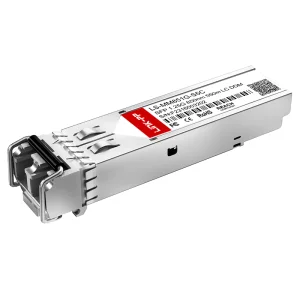
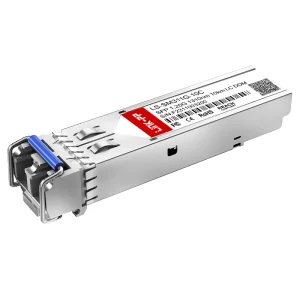
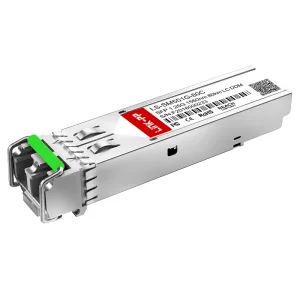
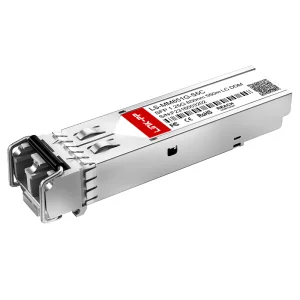
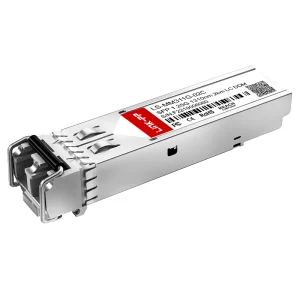
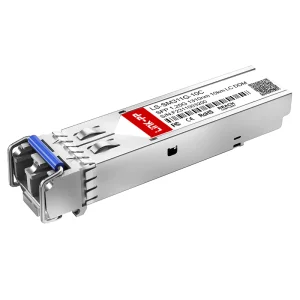
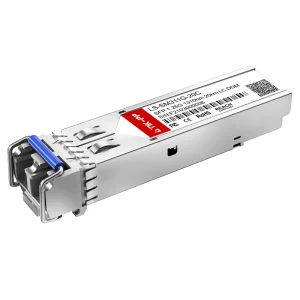
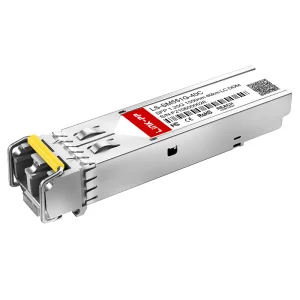
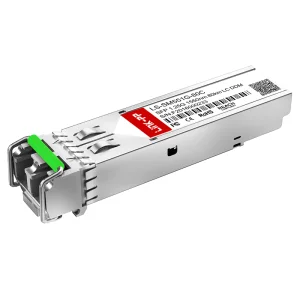
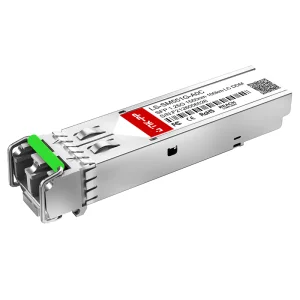
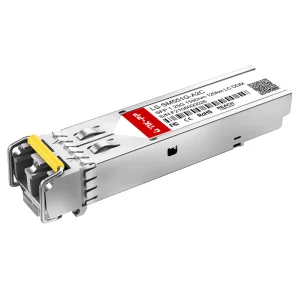
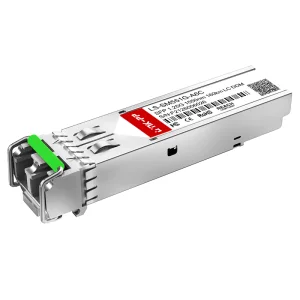
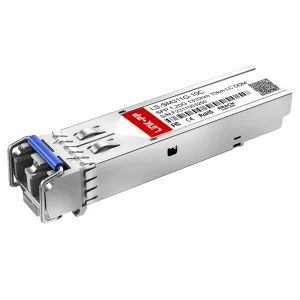
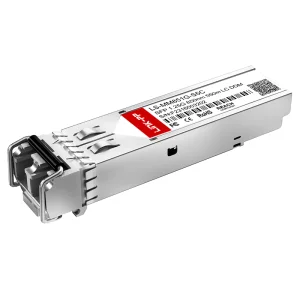
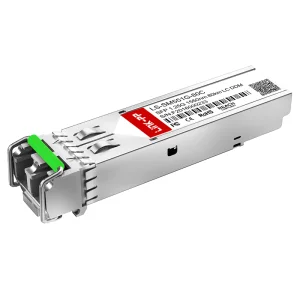
Explore our foundational range of hot-pluggable optical transceivers engineered for core carrier deployments and regional backhauls.
An in-depth analysis of telecommunications growth, localized environmental challenges, and optimized sourcing models in the Upper Nile State.
Located along the White Nile, Malakal represents the primary economic, trade, and logistics hub of the Upper Nile State in South Sudan. Following years of localized infrastructure rebuilding, the region is transitioning through a massive telecommunications revival. Mobile network operators (MNOs), regional internet service providers (ISPs), and humanitarian agencies are actively migrating from high-latency satellite systems (VSAT) to high-speed terrestrial fiber optics and microwave backhauls.
The geographical isolation of Malakal requires reliable, long-distance transmission solutions. 1.25G SFP transceivers form the foundation of these setups. While 10G and 100G optics are deployed at central metropolitan rings, the edge networks, local base stations, NGO compounds, and municipal offices depend heavily on Gigabit Ethernet. These modules offer the optimal balance between power efficiency, heat management, and bandwidth capacity under high physical demands.
"In emerging telecom hubs like Malakal, network reliability is directly correlated with module-level resilience. When operating in ambient temperatures exceeding 40°C, commercial transceivers often experience thermal runaway. Our specialized industrial-grade 1.25G SFPs are engineered with custom thermal padding and high-efficiency lasers to prevent link failures."
Globally, the optical transceiver market is scaling rapidly to 400G and 800G in data centers. However, 1.25G SFP modules remain highly relevant for industrial Ethernet, FTTx (Fiber to the Home/Building), and regional backhauls. Globally, millions of legacy switches, media converters, and optical line terminals (OLTs) are active. Upgrading these systems is economically impractical. By using standardized 1G SFP transceivers, operators can maximize their return on investment (ROI) while maintaining high uptime.
For system integrators, legacy networks represent a stable market. Major original equipment manufacturers (OEMs) often price replacement parts high or declare them end-of-life (EOL). Transolix bridges this gap by manufacturing fully compatible, high-reliability 1.25G SFP modules. These are compatible with brands like Cisco, Juniper, Huawei, Mikrotik, and Ubiquiti, offering up to 70% cost savings compared to OEM components.
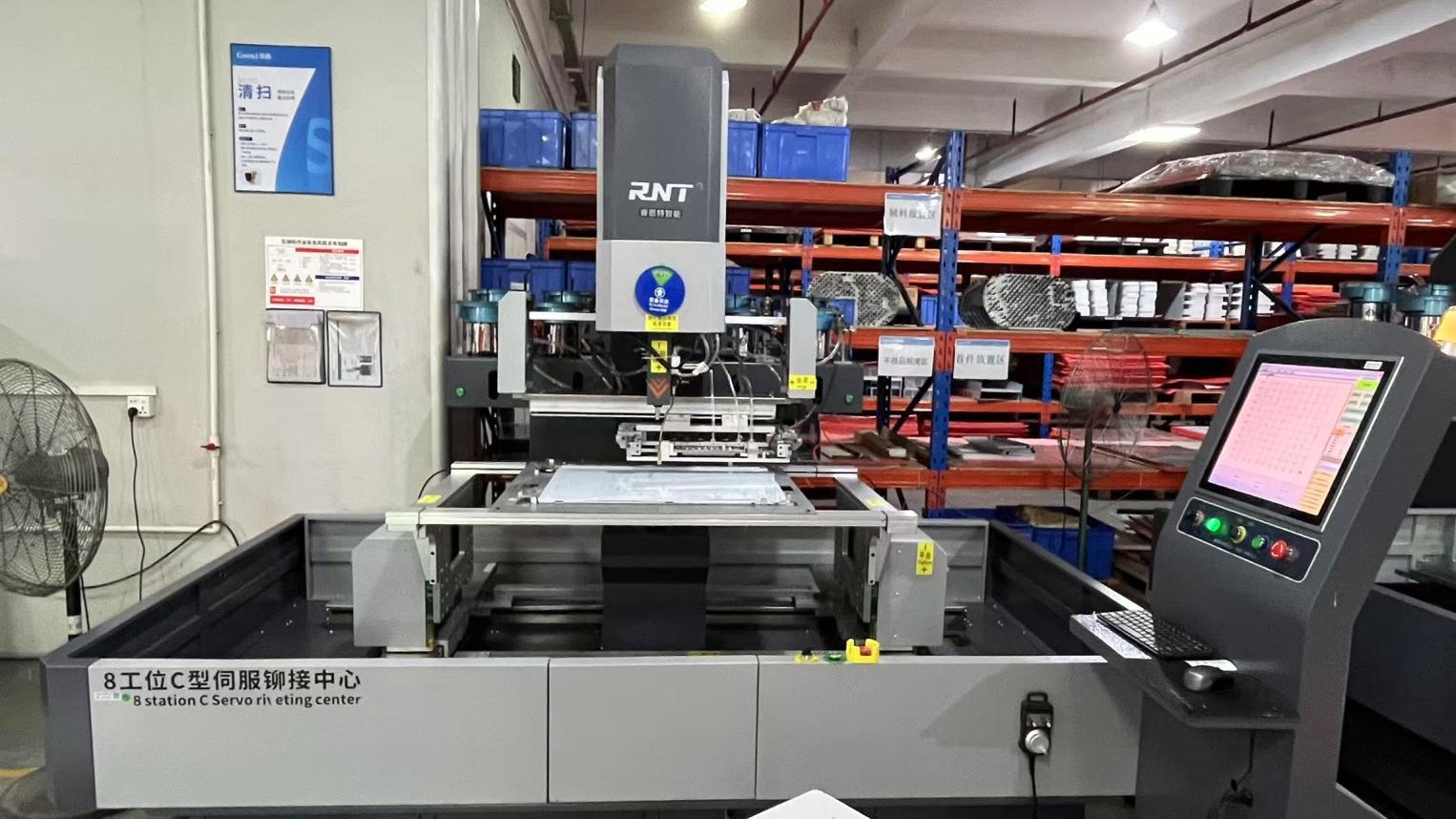
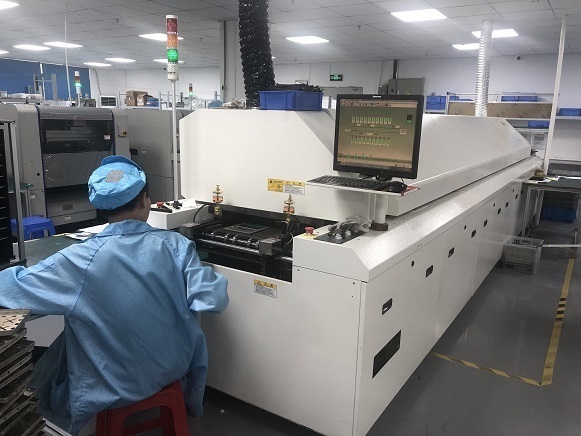
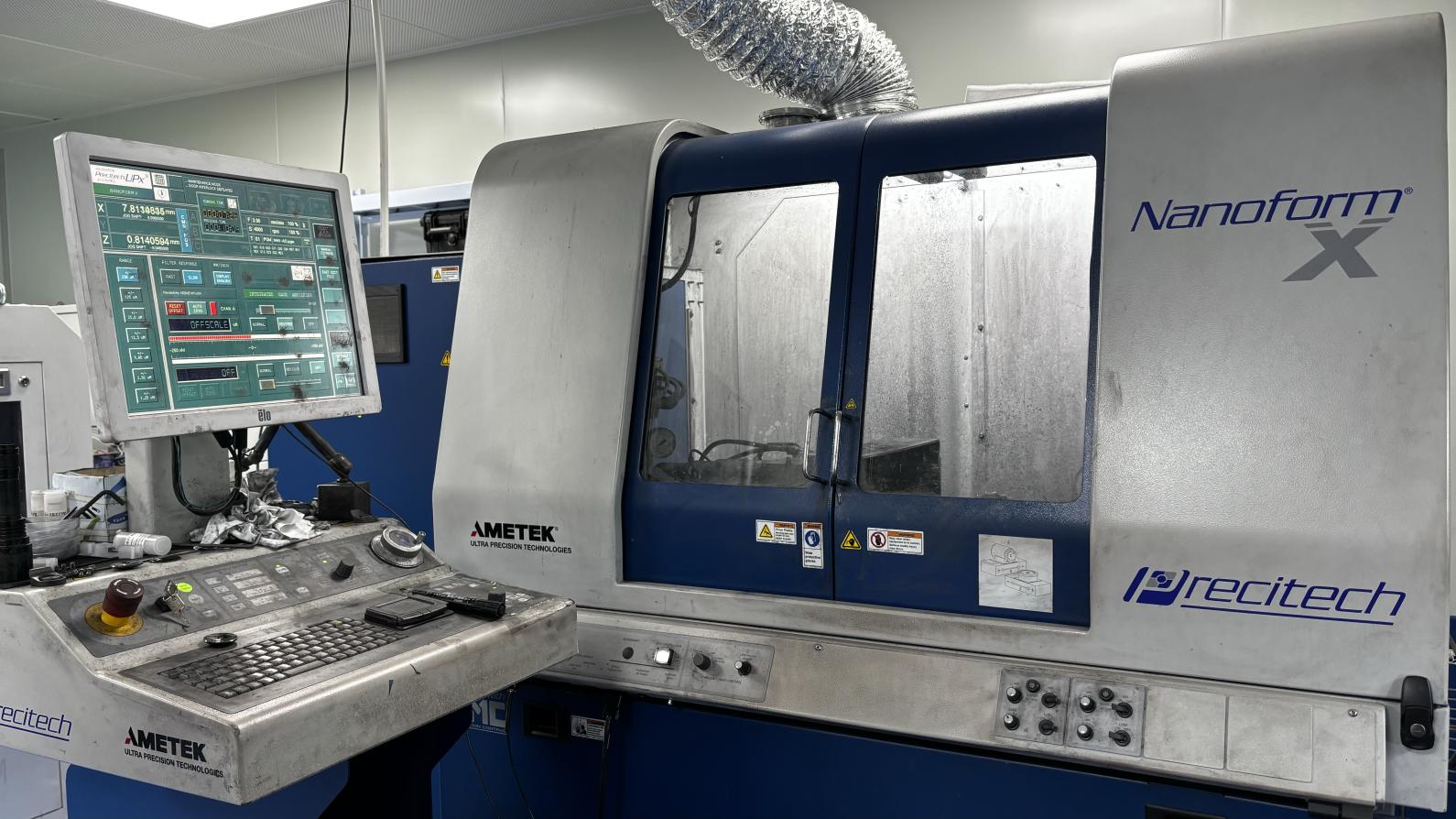
As a leading Chinese optical transceiver manufacturer, Transolix operates on high-efficiency methodologies. We source components through a network of 860 certified upstream suppliers. This ensures stable raw material pricing and prevents component bottlenecks. Our facility includes:
Network environments in the Malakal region encounter specific environmental challenges:
The optical transceiver industry is moving toward higher levels of integrated diagnostics and power optimization. Our latest 1.25G SFP transceivers support Digital Diagnostics Monitoring (DDM) or Digital Optical Monitoring (DOM) in compliance with SFF-8472. This feature allows network administrators in Malakal to monitor parameters like optical output power, receiver input power, temperature, laser bias current, and transceiver voltage in real-time. By tracking these variables, engineers can predict link failures before they happen, reducing maintenance trips to remote locations.
Additionally, modern green telecom goals require minimal power consumption. By optimizing integrated circuit designs, Transolix transceivers operate at under 0.8W per module. This reduces heat output and lowers overall power budgets in solar-operated off-grid telecommunication towers across East Africa.
For buyers and network operators in South Sudan, the supply chain presents distinct challenges. Working directly with a Chinese factory like Transolix simplifies the procurement process. We handle exports, coordinate cargo flights to Juba International Airport, and arrange local transit to Malakal. With over 6 years of cross-border export experience and ISO 9001 quality management standards, we provide standard customs documentation, clean serial numbering, and clear compliance tracking to simplify regional customs clearances.
A comprehensive range of Single Mode, Multimode, BiDi, and Copper modules designed to support local configurations and legacy fiber standards.
A professional optical transceiver manufacturer specializing in high-performance fiber optic communication solutions for global networks.
Established in 2016, Transolix operates an advanced 320m² Class 100/1000 micro-assembly laboratory and cleanroom facility. Our operational footprint is optimized for high-yield transceiver production. Leveraging regional supply chains, we achieve annual export revenues of USD 8 to 15 million. This underscores our engineering capability and product demand in North America, Europe, Southeast Asia, and the Middle East.
With 11 years of industry experience and 6 years of cross-border B2B export history, we understand carrier qualification workflows. Our customer base includes global telecom operators, data center integrators, municipal utility networks, and OEM/ODM partners. We provide customized firmware, custom laser configurations, and custom packaging.
Our Quality Management System is ISO 9001 certified. We maintain a staff of 42 QC professionals who oversee compliance procedures. Each module undergoes a strict testing regimen:



Expert answers addressing compatibility, environment resilience, custom options, and logistics for the East African market.
How does Transolix ensure 1.25G SFP module compatibility with brands like Cisco, Mikrotik, and Ubiquiti?
We write device-specific EEPROM coding into the transceiver's microcontroller. We maintain testing bays equipped with switches, routers, and firewalls from major manufacturers. Each production batch is tested on these switches to verify that DOM data, serial numbers, and vendor profiles read correctly, avoiding vendor lock-in errors.
What safeguards are implemented in your modules to withstand high temperatures in regions like Malakal?
Our industrial-temperature modules use specialized lasers (DFB or FP) rated for operating ranges of -40°C to +85°C. The module housing is constructed from a zinc-alloy composite to enhance heat dissipation. Built-in internal digital monitoring adjusts bias current to maintain consistent optical output as temperatures fluctuate.
What is the difference between single-fiber (BiDi) and dual-fiber SFP modules for local projects?
Dual-fiber SFP modules utilize one fiber core for transmitting (TX) and a second for receiving (RX). BiDi (Bidirectional) SFP modules transmit and receive over a single optical fiber by using two distinct wavelengths (commonly 1310nm-TX/1550nm-RX and vice-versa). BiDi modules allow operators to double their fiber capacity without running new cables, which is highly cost-effective for infrastructure upgrades.
What shipping options and lead times are available for transit to South Sudan?
We maintain inventory of core transceivers, enabling dispatch within 3-5 working days. Shipping is handled via air freight (DHL, FedEx, or air cargo agents) routing through Juba, followed by domestic logistics partners servicing Malakal. Standard delivery to Juba generally ranges between 5 to 9 business days from dispatch.
Can Transolix custom-code modules to support legacy or specialized telecom systems?
Yes. Our R&D team specializes in custom coding and compatibility optimization. We can analyze the vendor signature required by your equipment and burn a custom EEPROM code profile to ensure the transceiver functions correctly within older legacy or niche networking equipment.
Consult with our engineering team to design, code, and source custom optical components tailored for your networks.
Send Inquiry Now Transolix