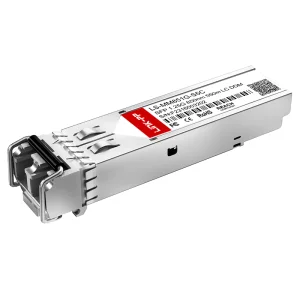
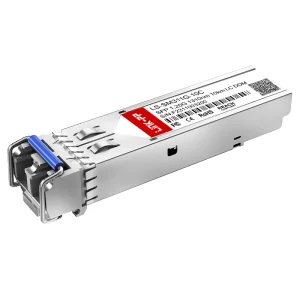
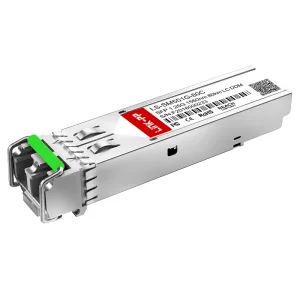
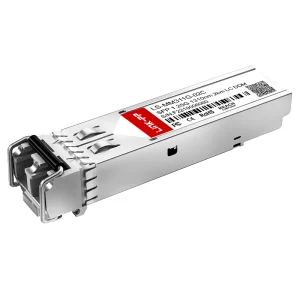
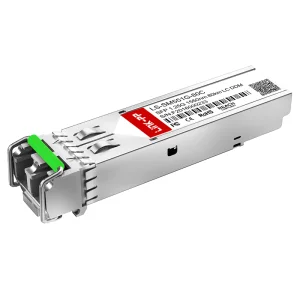
Optimized single-mode and multi-mode SFP transceiver modules tailored to comply with local regional network topologies across the North and South Islands.
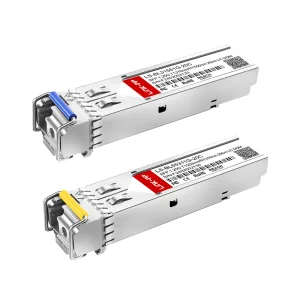
Bridging geographic dispersity with robust, standardized, and high-compatibility fiber backbones.
New Zealand's digital infrastructure is undergoing rapid structural modernization. Driven by the completion of the Ultra-Fast Broadband (UFB) initiative and the continuous roll-out of the Rural Broadband Initiative (RBI), the country requires scalable fiber infrastructure to link regional agriculture hubs, maritime shipping nodes, and municipal centers. To achieve this, modern fiber distribution systems rely on robust optical platforms where high-quality 1.25G SFP modules play a foundational role in edge networks, optical access lines, and industrial control environments.
Due to New Zealand's unique physical geography—characterized by rugged, seismic-prone terrains, variable weather patterns, and long, sparse rural loops—telecom operators like Chorus, Spark, and One NZ, alongside regional lines companies and utility grids (such as Transpower and local distribution networks), require high-tolerance active optics. The standard commercial fiber interface must support extreme temperatures, maintain signal integrity across long distances without active repeaters, and guarantee absolute compatibility across multi-vendor switch architectures.
Enabling rural WISPs and regional fiber operators to extend Gigabit capacity to off-grid stations, ensuring minimal bit-error rate over long-haul fibers.
Meeting harsh EMI standards for power distribution grids, allowing noise-immune optical communication across utility substations.
Securing redundant links for heavy logistics networks at Port of Tauranga, Auckland Ports, and KiwiRail signaling systems.
High reliability, low power consumption, and digital diagnostics in legacy and modern architectures.
While high-speed 100G, 400G, and 800G optical links dominate data center backplanes, 1.25G SFP (Small Form-factor Pluggable) transceivers remain an essential component of industrial ethernet, access nodes, and FTTH networks. The longevity of 1.25G technology is secured by its low power profile, cost-efficient manufacturing, and structural simplicity. This makes it ideal for distributed networks where massive bandwidth is secondary to continuous, uninterrupted uptime and long-distance reach.
All Transolix 1.25G SFP modules feature DDM/DOM as standard. This enables real-time monitoring of key parameters including optical output power, receiver input sensitivity, laser bias current, module temperature, and supply voltage. For network operations teams in Auckland or Wellington, DOM data permits proactive link health analysis, dramatically reducing truck rolls to remote sites.
From short-haul Multimode 850nm dual LC for intra-building links, to extended Single-mode 1550nm lasers supporting 80km (ZX), 120km (EZX), and up to 160km (ZXC) configurations. This wavelength diversity supports both CWDM and DWDM configurations, enabling operators to maximize the bandwidth of single fiber pairs through optical multiplexers without laying extra cable.
Request customized firmware coding, specific industrial temperature ratings, and volume B2B quotes for New Zealand delivery.
Send Inquiry NowAn established global B2B optical OEM/ODM partner with 11 years of expert optical module design.
Established in 2016, Transolix has grown into a highly specialized optical transceiver manufacturer focused on high-performance fiber optic communications. With a strong commitment to quality and engineering precision, we maintain a comprehensive ISO 9001-certified testing facility, featuring advanced automated optical alignment, rigorous eye diagram analysis, environmental chambers, and physical network simulation setups.
Our business is designed for global scale. We support telecom operators, enterprise integrators, and distributors by offering customized firmware tuning, flexible private labeling, and deep compatibility testing. Whether matching Cisco, Juniper, HP, H3C, or Allied Telesis configurations, our engineering team ensures that every shipped module is ready for immediate deployment.
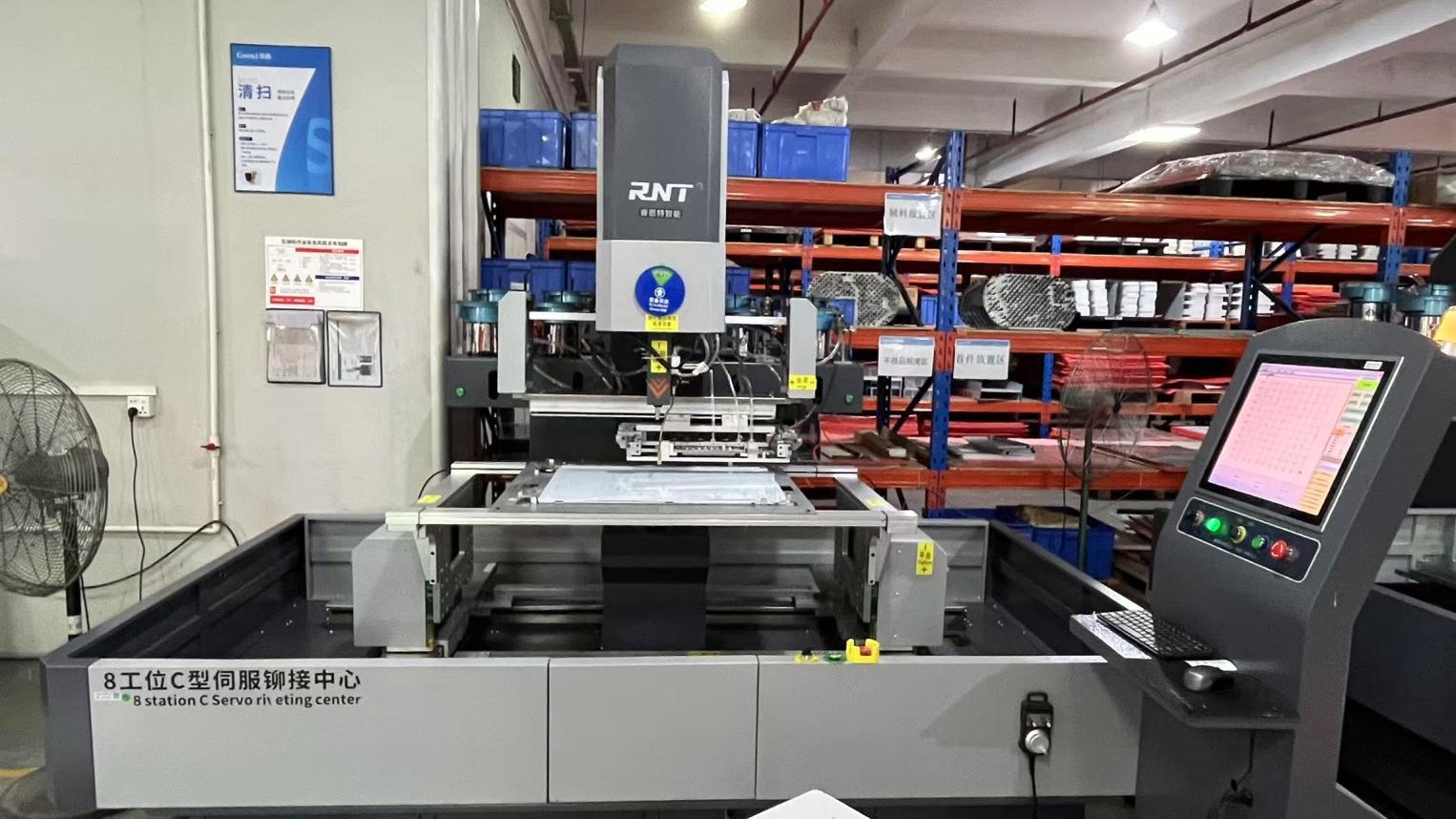


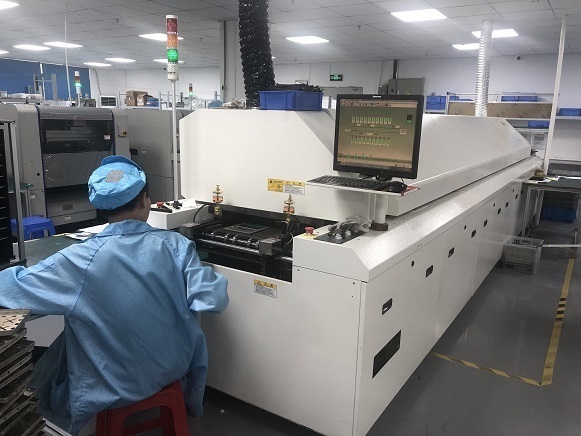

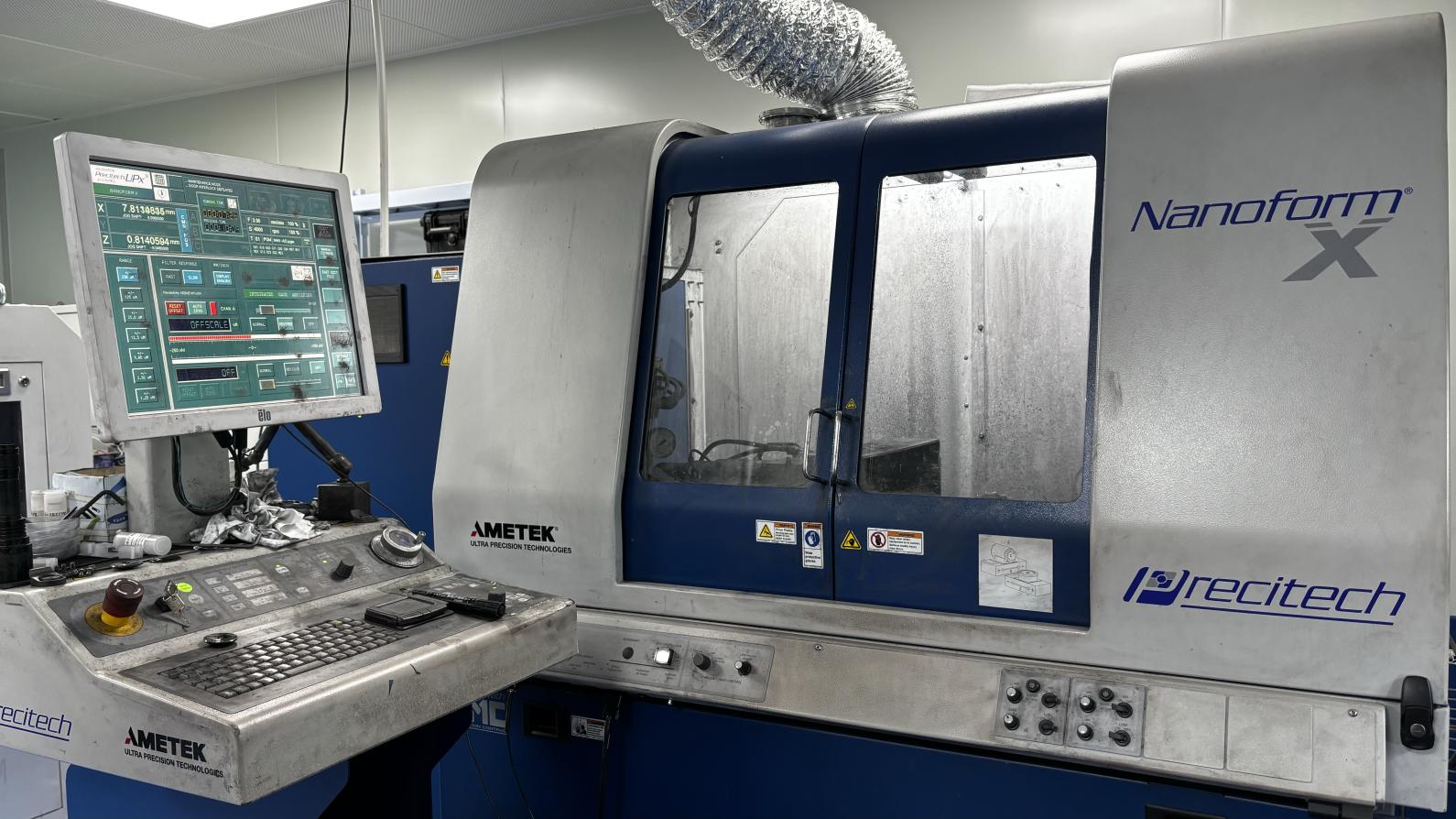
Why manufacturing in China's leading optics clusters guarantees technical excellence and supply security.
As a global leader in optical component manufacturing, the Chinese supply chain ecosystem offers unmatched production speed, raw material sourcing, and specialized talent pools. By coupling China's advanced packaging infrastructure with our strict quality control methodologies, Transolix bridges cost-efficiency and enterprise-grade performance.
Our upstream integration spans over 860 certified chipset, TO-can optics, and PCB packaging vendors. This guarantees a highly resilient supply flow even during global component shortages. For our B2B procurement partners in New Zealand, this means minimized lead times, standardized unit pricing, and the ability to customize firmware on-the-fly to support legacy multi-vendor switch deployments.
Every single SFP module undergoes automated optical testing, eye diagram analysis, and thermal aging tests to guarantee 100% field reliability.
All transceivers are fully compliant with RoHS, CE, FCC, and regional telecom standards, making them ready for standard network integration.
We provide full hardware customization including dynamic label design, customized EEPROM coding, and specialized protective packaging.
Explore our full line-up of optical SFP transceivers, matching standard wavelengths and extreme-distance requirements.
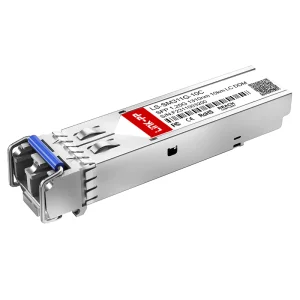
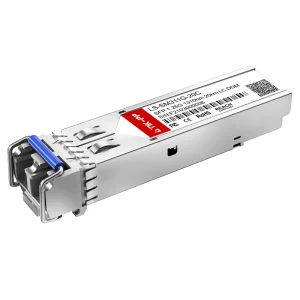
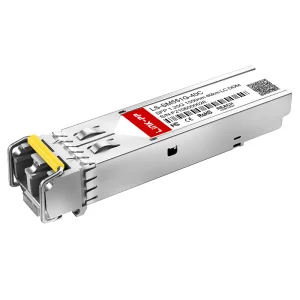
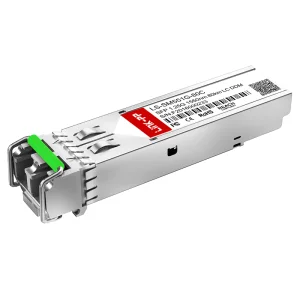
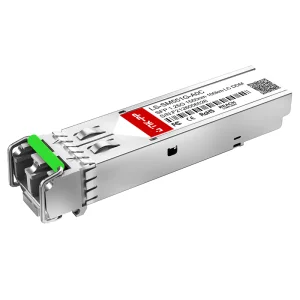
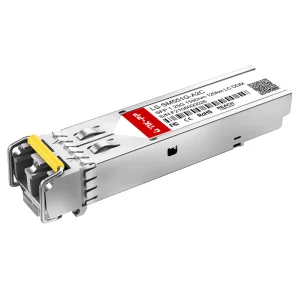
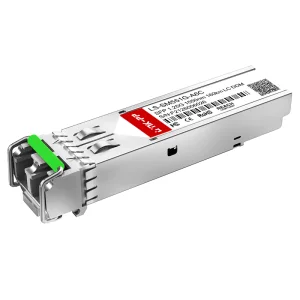
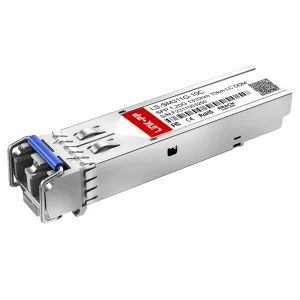
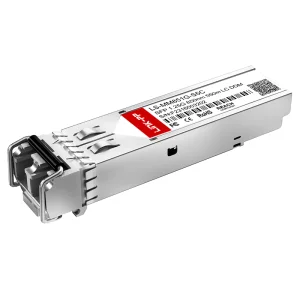
Every single optical transceiver we manufacture undergoes a rigorous multi-stage validation test cycle before leaving our assembly lines.
Our engineers test transmitter signal integrity using high-bandwidth sampling oscilloscopes, ensuring clear optical eye patterns with ample margin above MSA standard masks. This minimizes jitter and bit errors across fiber runs.
By simulating host system communication, we customize EEPROM configurations to match target vendor platforms. This prevents warnings on network switches (such as Cisco 'unsupported transceiver' alerts).
For outdoor cabinets, rural WISPs, or harsh industrial environments, we validate industrial-grade transceivers to reliably function across a wide temperature spectrum, ranging from -40°C up to +85°C.
Technical and commercial guidance for network engineers, buyers, and integrators in New Zealand.
Yes, all Transolix transceivers are MSA compliant. We specialize in custom firmware coding, allowing us to replicate original manufacturer IDs. This ensures complete plug-and-play compatibility with Allied Telesis, Cisco, Juniper, HP, Aruba, and other leading switch brands deployed across New Zealand.
Standard orders are processed and shipped within 3 to 7 working days via major international express carriers (such as DHL, FedEx, or UPS). Delivery typically takes 4 to 6 business days to arrive in main New Zealand cities, complete with import declaration support.
DOM (also called DDM) allows network operators to remotely query the SFP module via SNMP or CLI. You can read the current laser output power, temperature, voltage, and receiver optical power. This makes it easy to detect optical loss, fiber pinches, or dirty end-faces without having to send a technician to remote regional nodes.
Absolutely. We produce both commercial temperature grade (0°C to 70°C) and industrial temperature grade (-40°C to 85°C) transceivers. Industrial modules utilize hardened optoelectronics and laser components designed to withstand temperature fluctuations in unconditioned roadside cabinets or remote utility structures.
Yes, all Transolix products are manufactured in compliance with international environmental standards, including RoHS, CE, and FCC regulations. This meets the safety and compliance criteria set by New Zealand network standards.
 Transolix