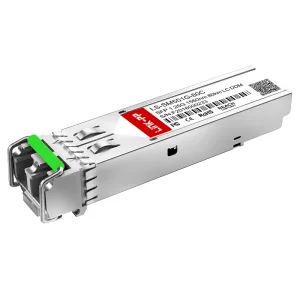
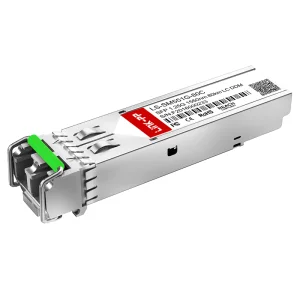
Premium 1.25G SFP modules engineered for extreme density and strict telecom-grade compatibility.
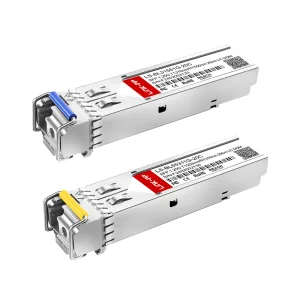
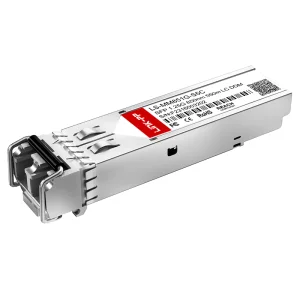
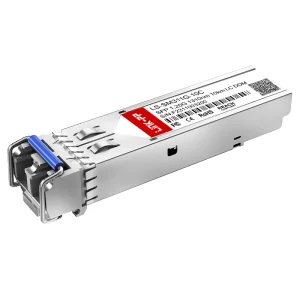
A deep dive into why South Korea’s capital requires robust, MSA-compliant physical layer transceivers.
As one of the world's most connected smart cities, the Seoul Metropolitan Area—spanning major technological hubs like Pangyo Techno Valley, Sangam Digital Media City (DMC), and the Mok-dong IDC cluster—operates on highly optimized fiber networks. Enterprises, Tier-1 telecom operators (such as KT, SK Broadband, and LG Uplus), and system integrators rely heavily on SFP (Small Form-factor Pluggable) transceivers to bridge core fiber rings with local data hubs.
While the market shifts toward 10G, 25G, and 100G in data center cores, the 1.25G SFP module remains the indispensable workhorse for access layers, industrial automation, metro Ethernet loops, campus FTTH deployments, and city-wide CCTV surveillance networks. Seoul's dense underground layout demands modules that feature superior thermal management and robust resistance to electromagnetic interference (EMI).
Ideal for access-switch level connectivity where low latency and stable Gigabit speeds are prioritized for cloud services.
Enabling reliable, high-density residential broadband fiber connections across Gyeonggi province and Seoul metro.
Perfect for long-distance, high-reliability transport networks supporting metropolitan public safety networks.
Expert insights on optical mechanics, multi-source agreement compliance, and module diagnostics.
1.25G SFP transceivers, though standardized, require precision engineering to minimize Bit Error Rates (BER) and optical return loss. For networks in Seoul, transceivers must fully comply with the SFP MSA (Multi-Source Agreement) INF-8074i. This guarantees universal mechanical and electrical compatibility with networking gear from global brands like Cisco, Juniper, Arista, and Edge-Core, as well as South Korean native systems like DASAN Zhone Solutions (DZS) and Ubiquoss.
Key architectural components of our 1.25G SFP modules include:
How Transolix bridges cost-optimized advanced manufacturing with high-speed delivery to Seoul.
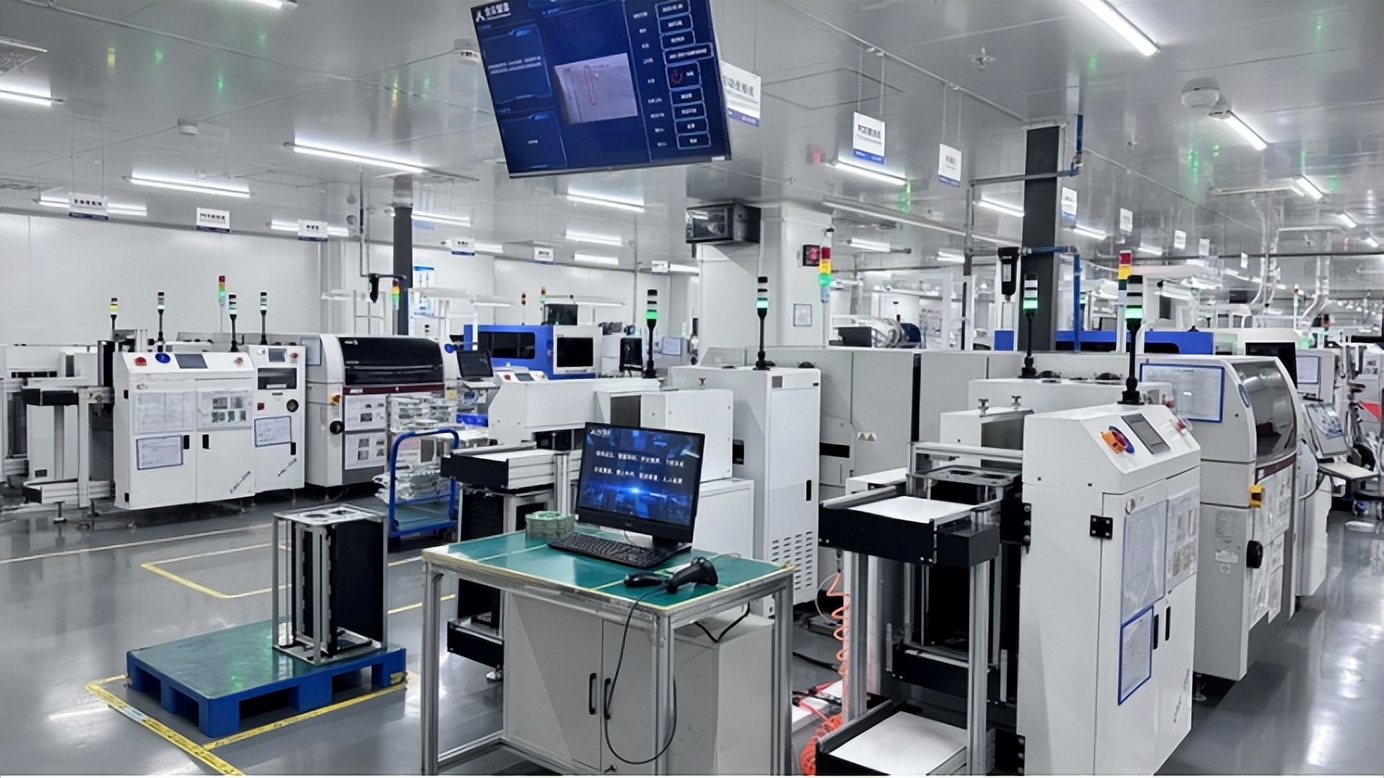
By pairing South Korea’s rigorous demands with Transolix's industry-leading production plant in China, buyers access a resilient, highly competitive supply chain. Our raw component sourcing relies on 860 certified upstream vendors. This network keeps SFP modules competitively priced, while maintaining strict control over optoelectronic sub-assemblies (TOSA and ROSA).
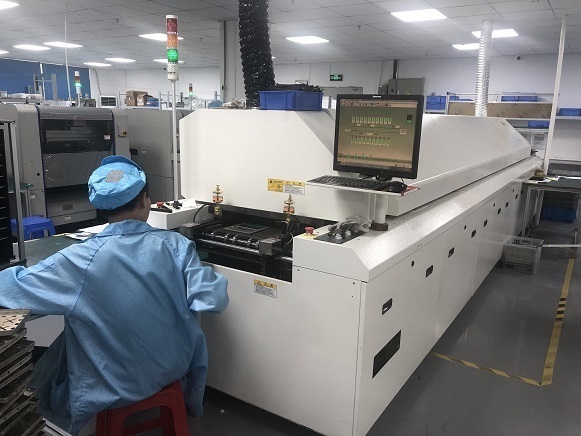
Our Quality Management System is built on the ISO 9001:2015 standard. Transolix modules undergo rigorous testing protocols, including automated optical testing, eye diagram analysis, thermal chamber stress cycling, and real-system interoperability evaluations. This rigorous pipeline yields an exceptionally low return rate, making Transolix a trusted partner for telecommunication installations throughout Seoul.
Seamlessly integrating imported high-quality optical components into South Korean networks.
Deploying telecom and networking gear in South Korea requires compliance with strict safety and radio-frequency standards. All Transolix 1.25G SFP transceivers are manufactured to meet KC (Korea Certification) requirements, mitigating risk of EMI/RFI issues (conforming to MSIT standards). In line with global green mandates, our transceivers carry full RoHS compliance certificates, minimizing electronic waste impact for eco-conscious enterprises in Gangnam, Yeouido, and Gasan Digital Complex.
Furthermore, Transolix works with local distribution and system integration partners in Seoul, guaranteeing prompt customer support, fast-turnaround warranty replacements, and tailored firmware adaptation for complex legacy switches.
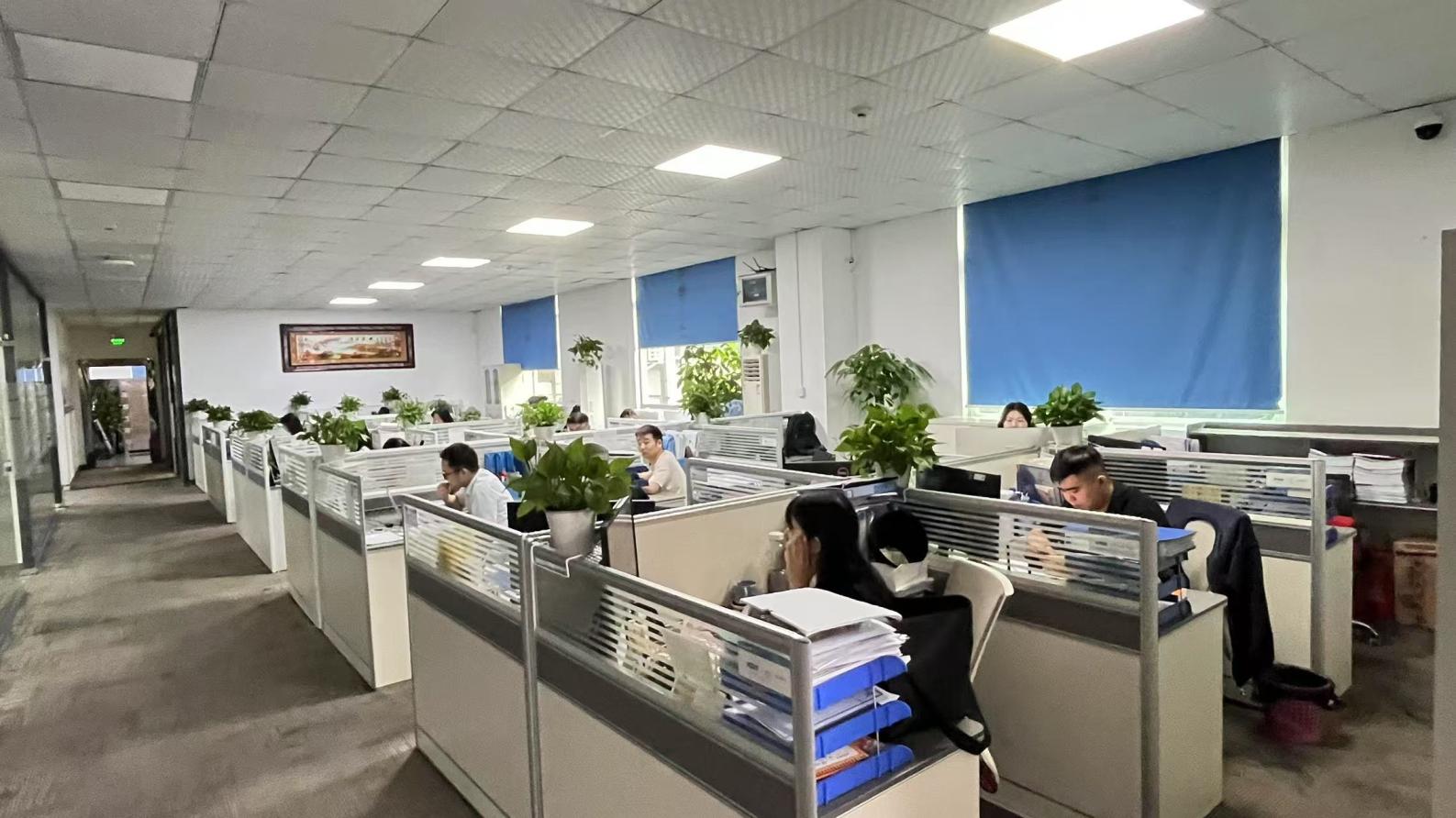
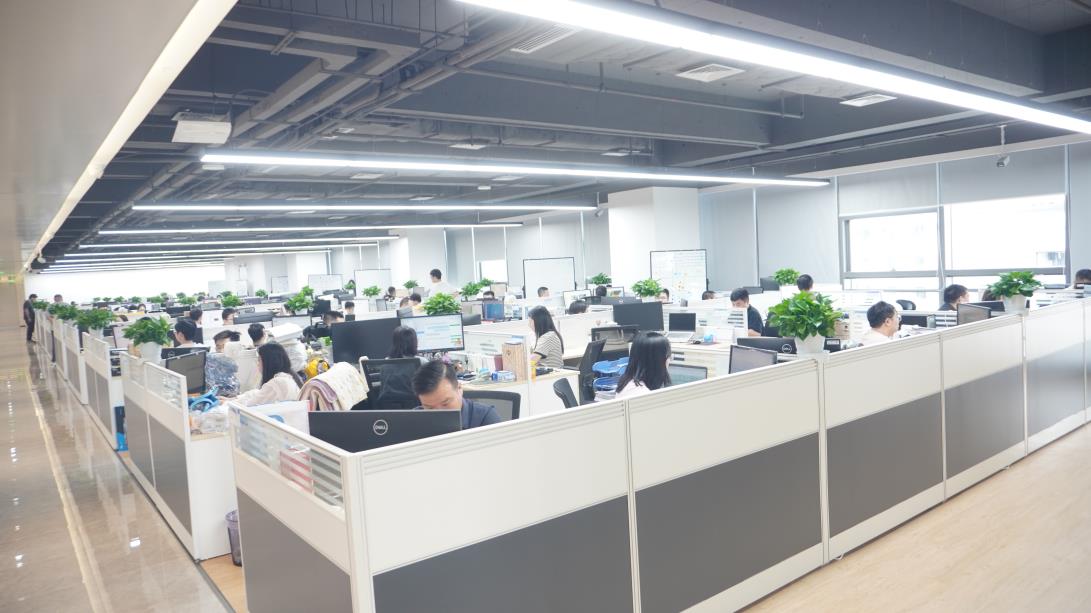
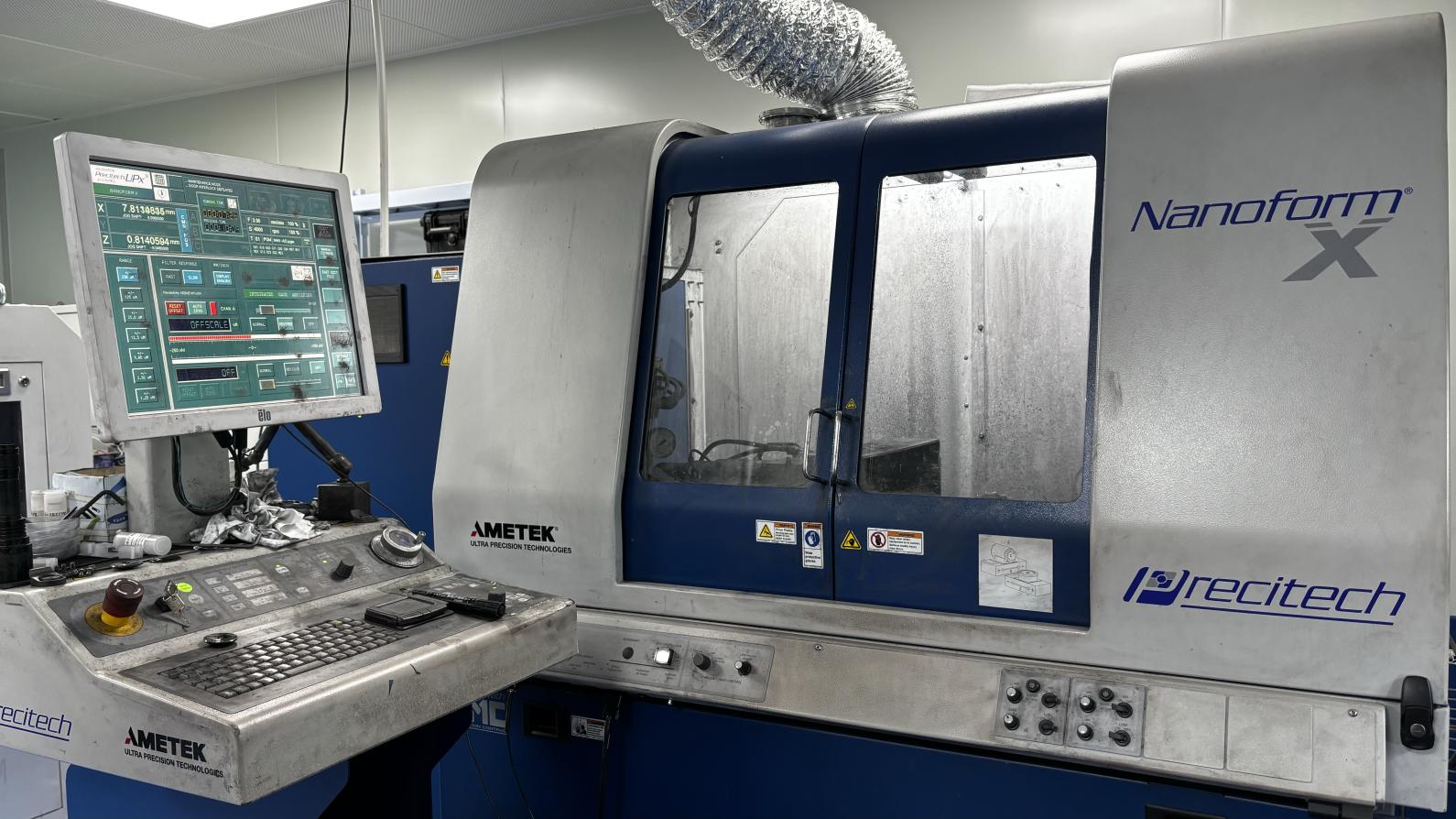
A glance inside our production facility, showcasing precision manufacturing and packaging.
Transolix is a professional optical transceiver manufacturer specializing in high-performance fiber optic communication solutions for global data centers, telecom operators, and enterprise networks. With strong engineering capabilities and scalable production capacity, Transolix is committed to delivering reliable, high-speed, and cost-effective optical connectivity products worldwide.
Operating from a modern production environment, Transolix manages a dedicated 320㎡ facility, turning out USD 8–15 million in annual export value. We continue to invest in next-generation R&D, deploying over 128 specialized design engineers. In the last year alone, we introduced 86 new models across SFP, SFP+, QSFP28, and QSFP-DD classes to meet changing data demands.

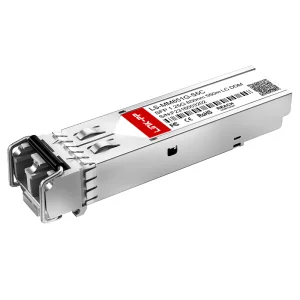
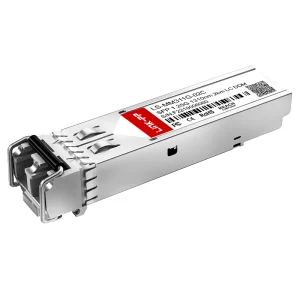
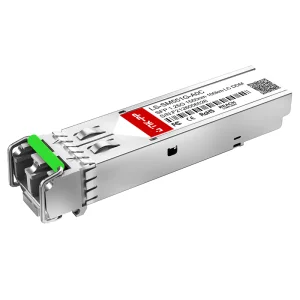
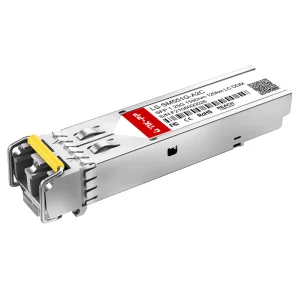
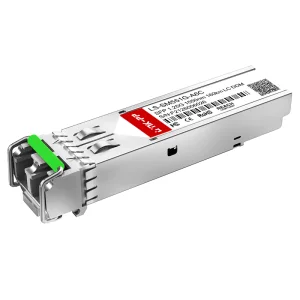
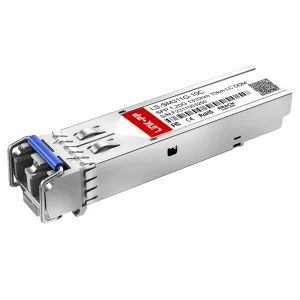
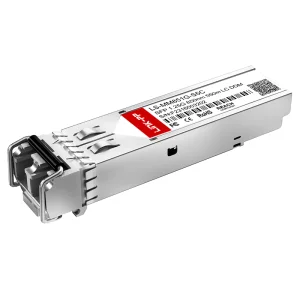
Select from our complete range of high-performance transceivers optimized for Seoul network designs.
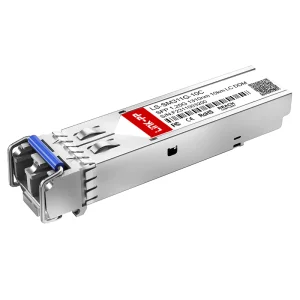
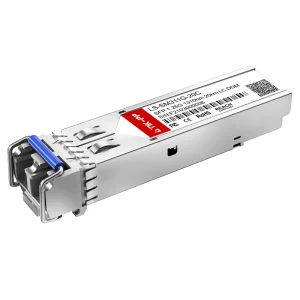
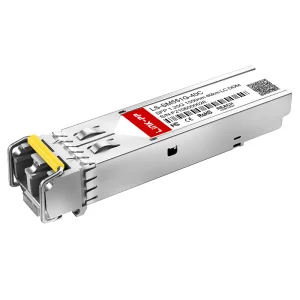
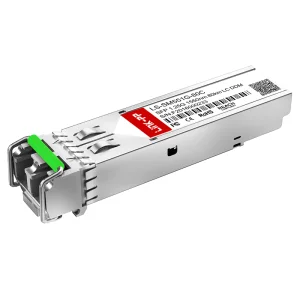
Strategic sourcing considerations to reduce Total Cost of Ownership (TCO) while ensuring compatibility.
Purchasing optical transceivers for data systems requires balancing upfront capital expenditure (CapEx) against ongoing operational expenses (OpEx). Enterprise buyers in Seoul face several common pitfalls that can disrupt project schedules and strain IT budgets. Our procurement framework outlines key checkpoints for sourcing 1.25G SFP transceivers:
By bypassing domestic middleman markups and sourcing directly from our China production facility, operators can reduce unit costs by 40% to 60%, without sacrificing technical support or hardware reliability.
Evolving specifications to support smart-city infrastructure and industrial automation.
Though high-speed 400G and 800G modules lead the conversation in hyperscale data centers, 1.25G SFP technology continues to mature. New developments focus on thermal range extension and energy optimization. With Seoul's deployment of edge-computing nodes in various outdoor cabinets, industrial-grade transceivers capable of operating from -40°C to 85°C are becoming standard.
Additionally, modern green-energy initiatives require reduced power draw from active optoelectronic components. Transolix has redesigned its SFP drivers to consume less than 0.8W per module, translating to significant operational savings when scaled across thousands of switch ports.
Expert technical answers regarding SFP configuration, local compliance, and shipping logistics.
Get in touch with our network engineering team for compatibility confirmation, samples, and direct factory quotes.
Partner with a reliable manufacturer to secure your supply chain and reduce operational costs. We provide fast quotes, custom configurations, and comprehensive technical support.
Send Inquiry Now Transolix