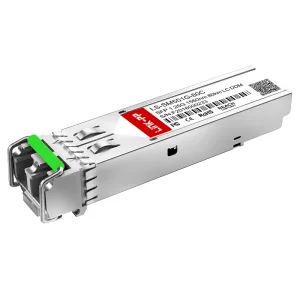
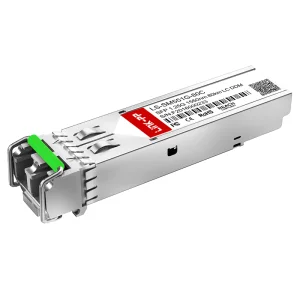
Engineered to meet Costa Rica's expanding metropolitan networks and enterprise structures. Fully compatible with mainstream switches and routing hardware.
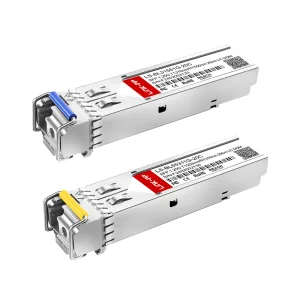
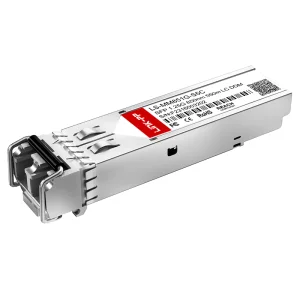
Understanding the local landscape for optical transceiver deployment and optical infrastructure development.
Costa Rica has positioned itself as the premier digital hub of Central America. Led by the Ministry of Science, Innovation, Technology and Telecommunications (MICITT) and regulated by SUTEL (Superintendencia de Telecomunicaciones), the country is undergoing a comprehensive optical transport network upgrade. Both public utilities and private telecom providers are aggressively replacing legacy copper systems with high-density fiber networks to satisfy the exploding demand for data center connections, FTTH, and 5G backhauls.
In San José, Alajuela, Cartago, and the specialized Free Trade Zones (FTZs) hosting Fortune 500 multinationals, gigabit infrastructure is the baseline standard. Standardizing on cost-effective, premium-grade 1.25G SFP modules enables regional ISPs (such as ICE-Kölbi, Liberty, and Telecable) to bridge local aggregation rings with corporate networks. Additionally, rural connectivity initiatives sponsored by Fonatel require resilient optical transceivers capable of withstanding the tropical environments of mountainous provinces and coastal ports alike.
How local infrastructure projects leverage different configurations of 1G SFP transceivers.
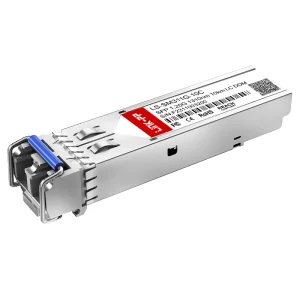
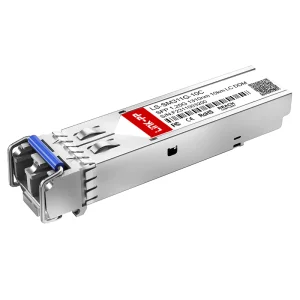
Local telecommunication utilities construct comprehensive Metropolitan Area Networks (MANs) to connect communities in Limón, Puntarenas, and Guanacaste. Single-Mode Fiber (SMF) 1310nm/1550nm duplex modules covering 10km to 20km distances are extensively used to establish stable, low-latency links between OLTs (Optical Line Terminals) and switches.
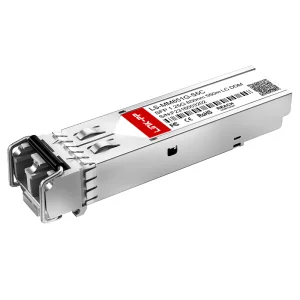
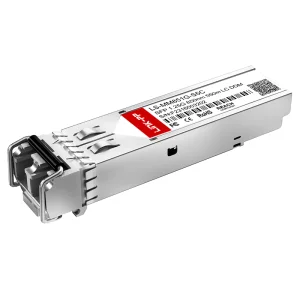
Technology parks, medical device manufacturers, and financial centers require highly secure, high-bandwidth local infrastructure. Multimode 850nm transceivers operating over LC duplex networks cover intra-building fiber links up to 550 meters, facilitating fast, local database access and server clustering without signal degradation.
Deploying fiber transceivers in Costa Rica presents challenges such as high tropical humidity, coastal salt spray, and lightning storms that induce voltage spikes on copper-to-fiber boundaries.
Integrating world-class research and development with scalable Chinese manufacturing to optimize Costa Rican optical procurement.
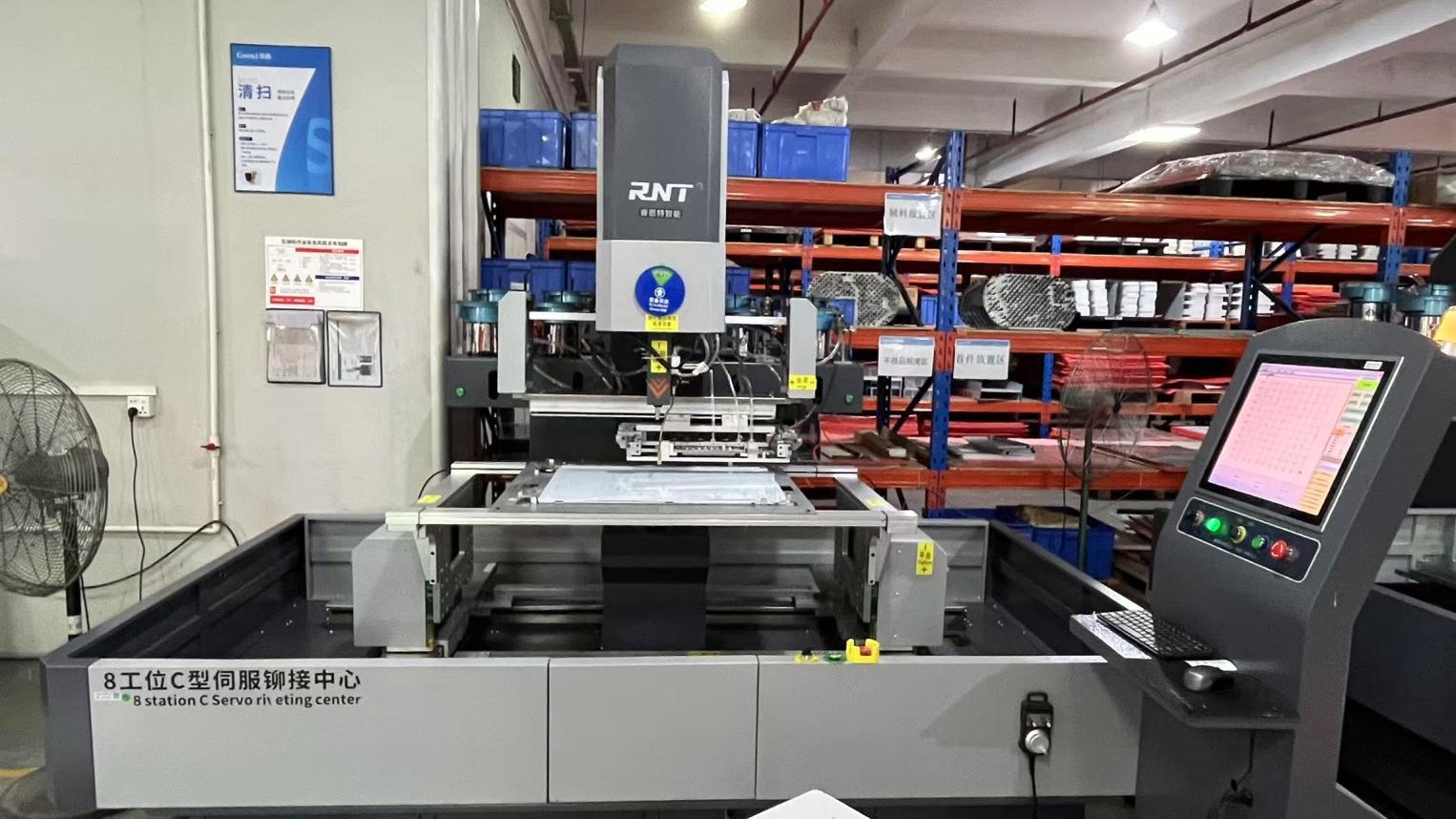
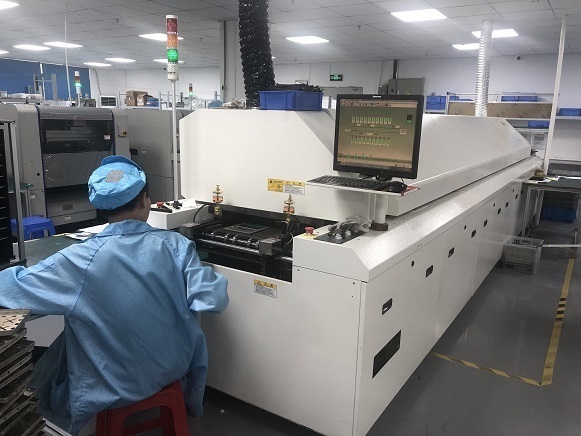
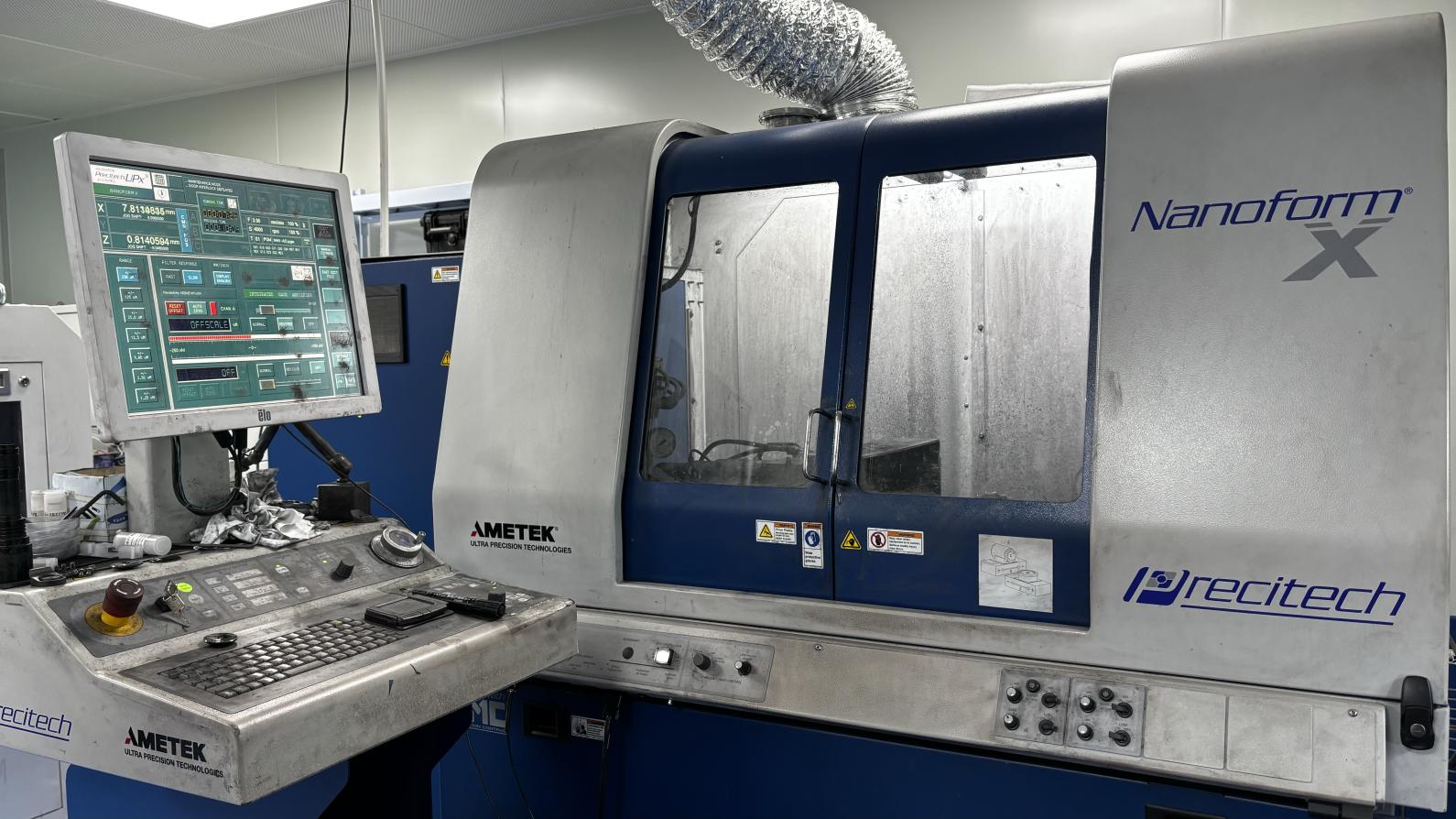
Transolix is a premier manufacturer specializing in high-performance fiber optic transceivers for data centers, telecom operators, and enterprise networks globally. Registered in 2016, Transolix features 11 years of deep optical-interconnect experience. Operating from a state-of-the-art facility, Transolix manages a lean production line, boasting an annual export revenue of USD 8 million to 15 million, backed by rigorous quality assurance frameworks.
Our competitive advantage lies in combining a robust supply chain network (featuring 860+ certified upstream material vendors) with high-performance manufacturing techniques. We utilize premium chipsets from industry-leading manufacturers, and perform automated optical tests, eye diagram analysis, and extensive thermal aging tests to assure 100% field reliability before dispatch.
Our facility operates strictly under ISO 9001 certified quality systems. Every SFP transceiver is programmed and tested in compatibility racks simulating client switch environments.
We support firmware encoding and physical labeling custom-built to match hardware specifications, including Cisco, HP, Aruba, Mikrotik, Juniper, and Huawei compatibility.
Every batch undergoes rigorous eye diagram tests, bit error rate (BER) checks, and optical power calibration to guarantee zero-defect shipments.
Technical and logistics answers for engineers, procurement officers, and network integrators in Costa Rica.
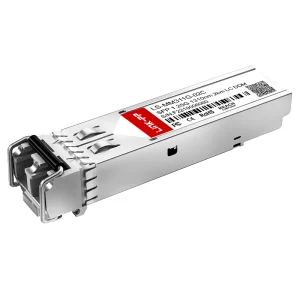
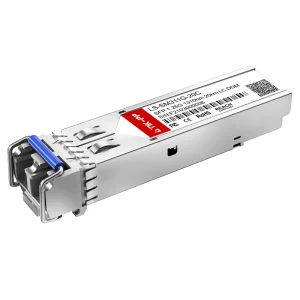
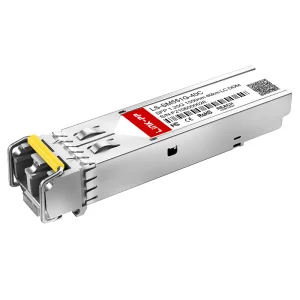
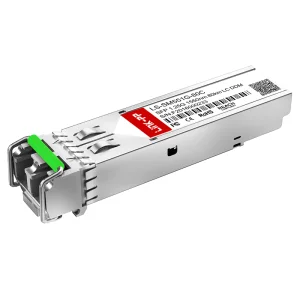
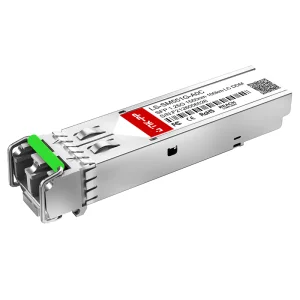
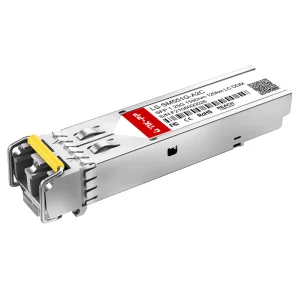
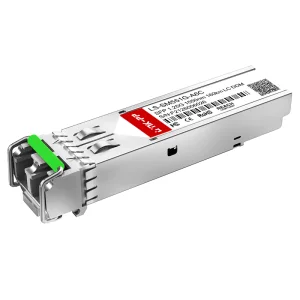
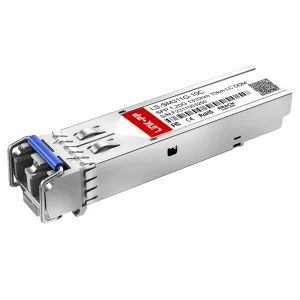
Explore our complete range of optical fiber modules, offering various transmission distances, wavelengths, and fiber modes.
Strict industrial quality controls behind every single transceiver.



 Transolix