These industrial-grade 1.25G Single Mode modules are engineered with optical alignments optimized for the Hanshin Industrial region's demanding automation environments.
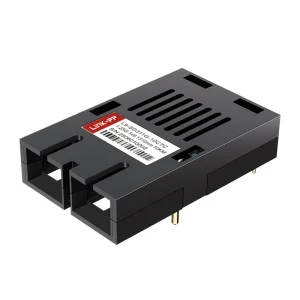
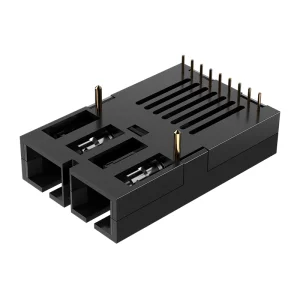
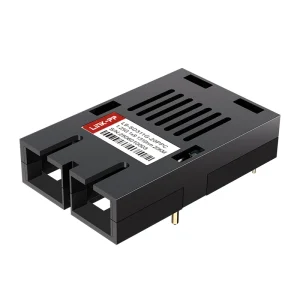
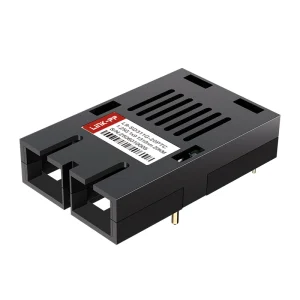
An examination of why the Keihanshin metropolitan area remains a global stronghold for 1x9 optical transceiver form-factors in high-vibration and electromagnetic interference environments.
As the historic merchant capital and industrial heartbeat of Western Japan, Osaka anchors the Hanshin Industrial Zone—a massive manufacturing powerhouse hosting leading global conglomerates in heavy machinery, electronics, and railway engineering. While modern hyperscale data centers in Osaka's outskirts shift rapidly towards pluggable form factors like SFP28 and QSFP-DD, the region's massive legacy networks, factory automation (FA) platforms, and metropolitan transportation controls remain deeply dependent on the rugged, solderable 1x9 optical transceiver.
Unlike standard commercial modules, the 1x9 transceiver features a secure, direct-to-PCB pin footprint (typically 9 pins in a single row) that guarantees high mechanical stability. In Osaka’s extensive subway networks and high-voltage power substation frameworks (such as those managed within the Kansai Electric Power networks), the risks of contact oxidation, slot-vibration loosening, and electrical noise make standard pluggable SFPs less reliable. The physical soldering of a 1x9 module eliminates mechanical failure points completely, ensuring uninterrupted data flow for decades.
The survival of the 1x9 layout in Osaka's modernizing infrastructure is not a matter of technical inertia, but of targeted engineering efficiency. The primary design benefits of utilizing premium 1x9 transceivers from a reliable exporter include:
How advanced engineering balances legacy footprints with modern high-speed optical standards.
| Feature Set | Legacy 1x9 Transceiver (155M / BiDi) | Modern 1.25G 1x9 Transceiver | SFP Transceiver (For Comparison) |
|---|---|---|---|
| Mounting Interface | Direct Soldered (9-Pin Through-Hole) | Direct Soldered (9-Pin Through-Hole) | Pluggable (20-Pin Edge Card in Cage) |
| Vibration Resistance | Excellent (Military / Rolling Stock Grade) | Excellent (Military / Rolling Stock Grade) | Moderate (Subject to contact micro-wear) |
| Typical Applications | SCADA, RS-485/422 links, Subway signaling | Gigabit Industrial Ethernet, Factory Ring Networks | Commercial Switches, Telecom Routers |
| Operating Temp Range | -40°C to +85°C (Standard Industrial) | -40°C to +85°C (Standard Industrial) | -5°C to +70°C (Typically Commercial) |
By using premium Japanese or American chipsets and advanced optical sub-assemblies (OSA), Transolix ensures that custom-engineered 1x9 modules can drop directly into systems designed decades ago while meeting the strict jitter and optical output requirements of modern gigabit hardware. This technical resilience protects heavy industry assets from costly retrofitting cycles.
With decades of collective experience, Transolix bridges Chinese manufacturing efficiencies with Japan's uncompromising quality standards.
Founded in 2016, Transolix has grown into a highly specialized optical design and export firm. Spanning a specialized 320㎡ production and diagnostic facility, we work closely with 860 certified upstream material suppliers, enabling us to obtain the most stable silicon photonics, high-performance laser diodes, and precision metal housings on the market.
Our commitment to Japan’s high quality control demands is reflected in our strict adherence to the ISO 9001 standard alongside our custom-designed internal reliability protocols. All of our 1x9 transceivers destined for Osaka, Kobe, and Tokyo undergo rigorous automated optical testing, eye diagram analysis, thermal aging chambers, and 100% final performance verification prior to air or sea cargo shipment.
Ensuring consistent, high-yield manufacturing to deliver batch-consistent transceivers on tight project deadlines.
Modern supply chains require rapid responses to sudden design variations. Transolix supports full structural and firmware customization. Whether your Osaka-based railway application requires a unique Tx/Rx wavelength combination (such as BiDi 1490nm-Tx/1550nm-Rx for 80km spans), or specific optical power levels to prevent receiver saturation in shorter runs, our R&D team can customize firmware to ensure seamless compatibility with target platforms.
Last year alone, our engineers released 86 new product variants, proving our agility in responding to industrial systems integrators globally. By choosing Transolix as your primary exporter, you gain access to factory-direct engineering support without intermediary communication delays.
Engineered for long-distance municipal networking, railway telemetry, and substation links throughout Osaka and the Kansai region.
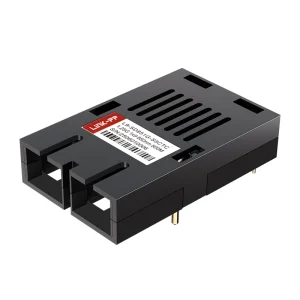
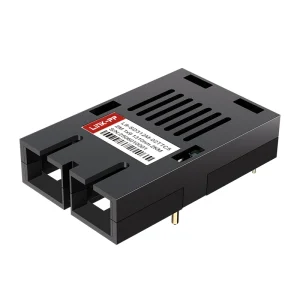
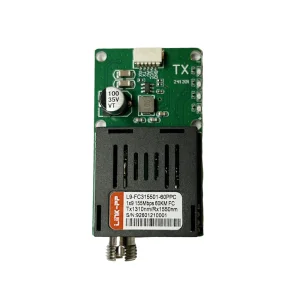
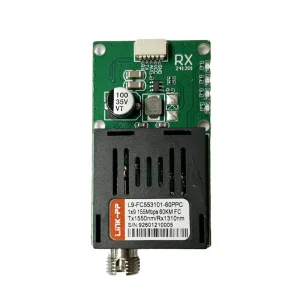
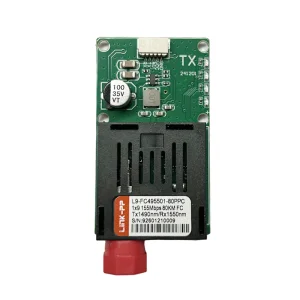
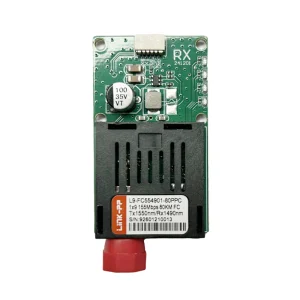
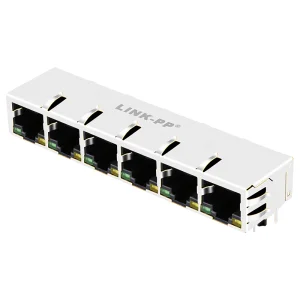
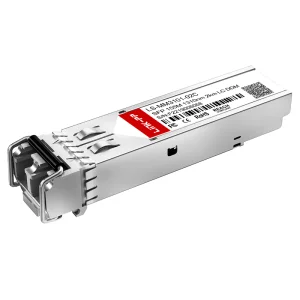
Ensuring full physical layer coverage with high-performance SFP modules and industrial magnetic jacks.
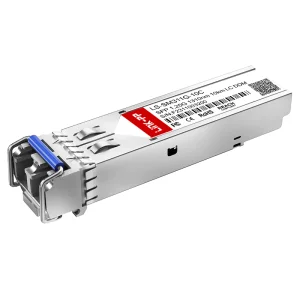
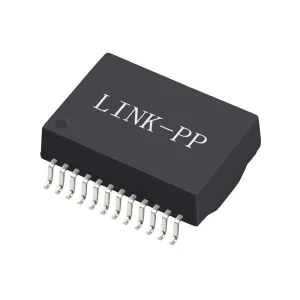
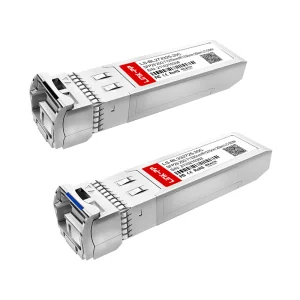
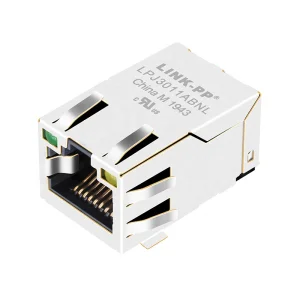
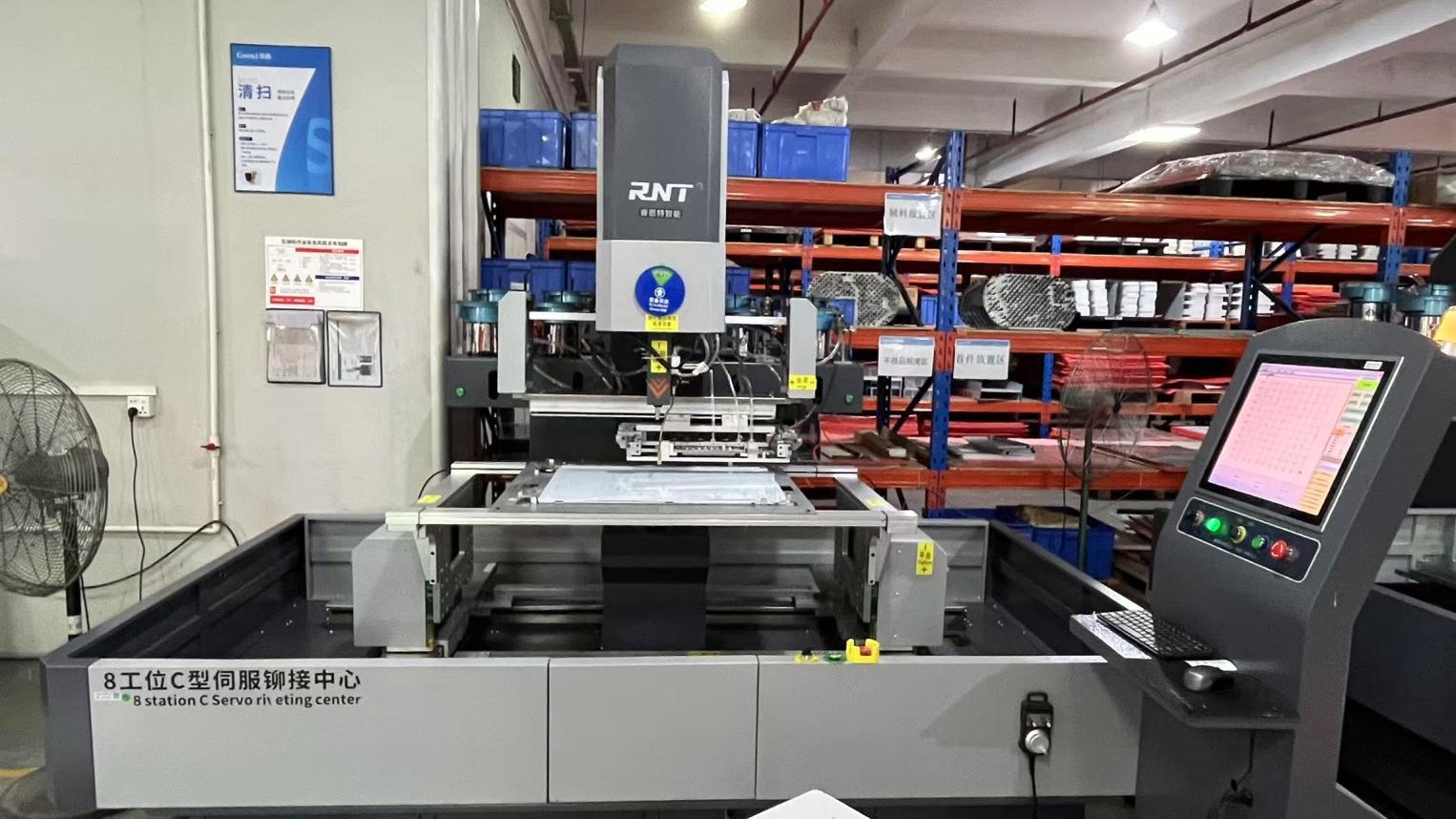
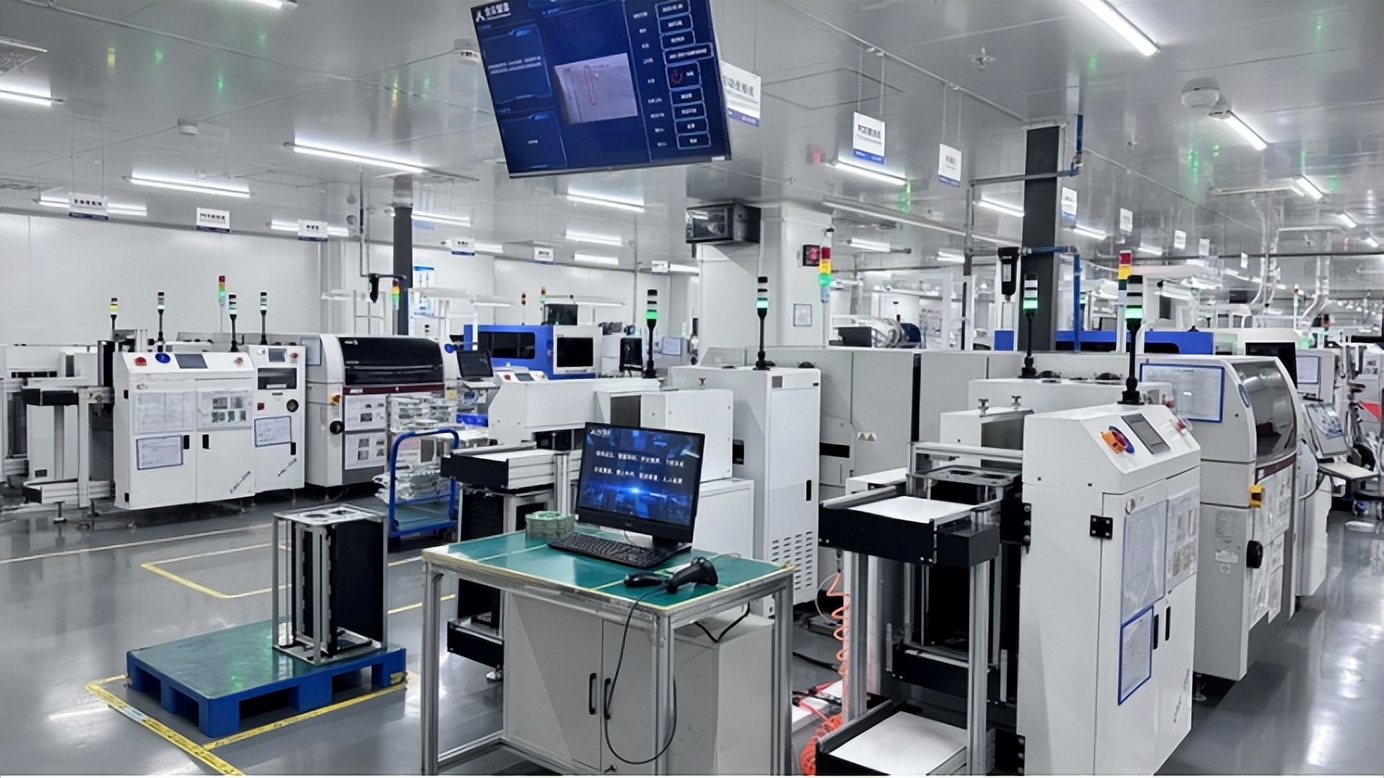
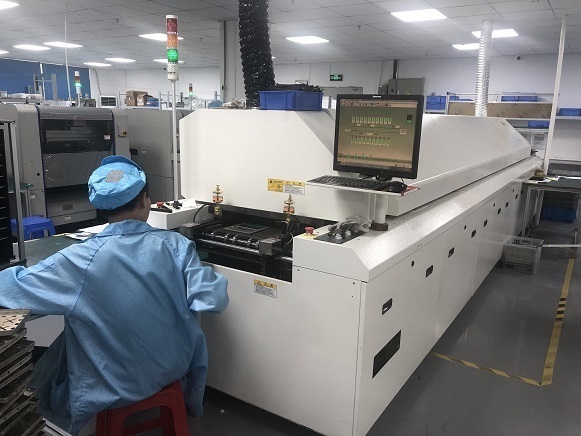
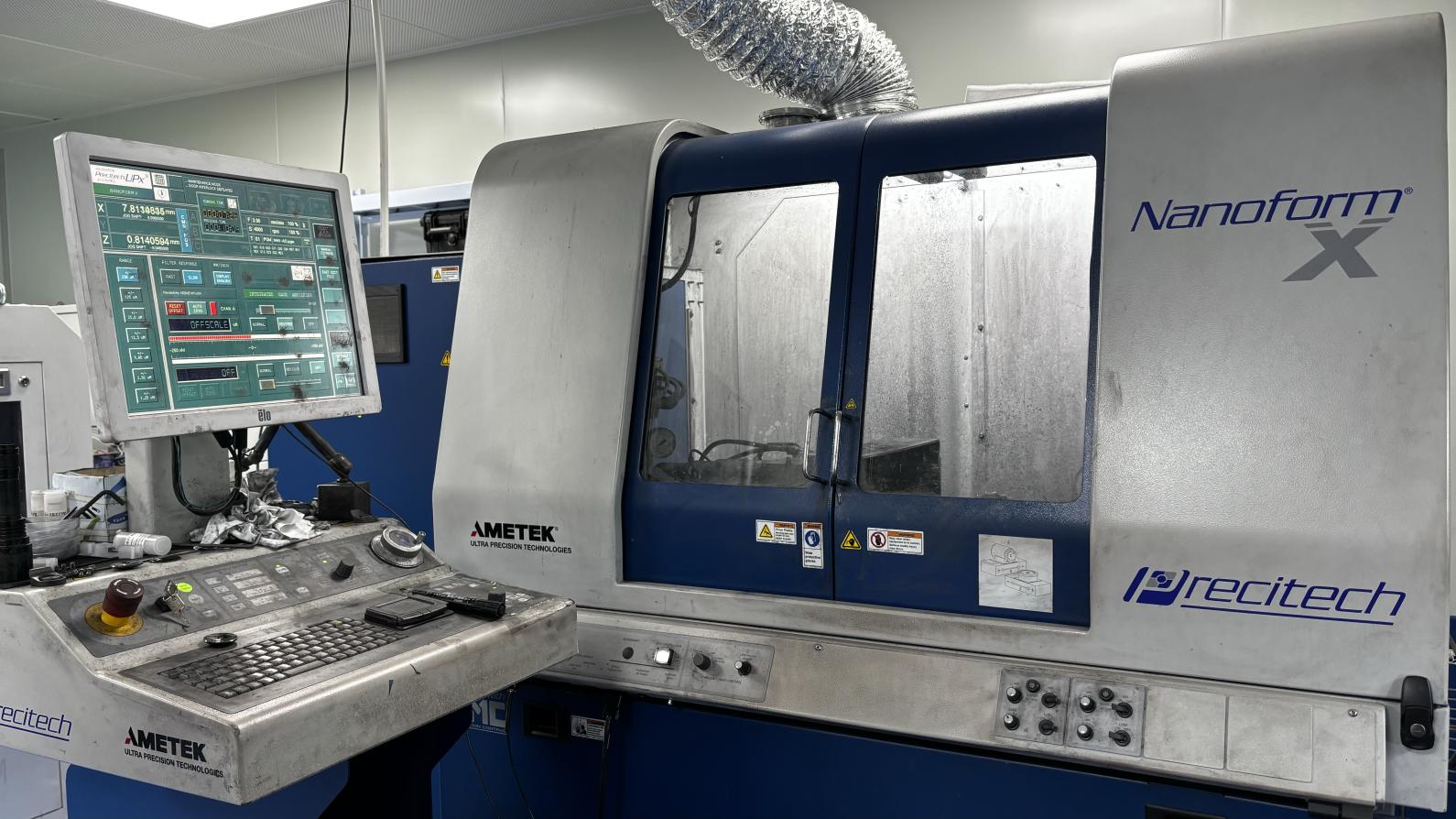
Our ISO 9001-certified factory utilizes advanced automated optical alignment systems and strict performance analysis.


Technical insights regarding integration, standards compliance, and custom engineering support.
1x9 transceivers are soldered directly to the motherboard, eliminating the mechanical tolerances and contact degradation inherent to hot-pluggable modules like SFP. This direct interface is highly resistant to heavy vibrations (e.g., rolling stock, subways) and high electrical noise (e.g., electrical substations).
Yes, our export modules comply with international and Japanese standards, including JIS C 5961 for optical connectors, VCCI Class B for electromagnetic interference, and RoHS directives, ensuring trouble-free integration into systems built by major Japanese manufacturers.
We provide full customization, supporting combinations of 850nm, 1310nm, 1490nm, and 1550nm wavelengths. Distances can range from 500m on multimode fiber up to 80km on single-mode fiber, utilizing SC or FC terminations with PECL or TTL electrical signal configurations.
Standard batches take 1 to 2 weeks for production and quality testing. Air freight to Kansai Airport (KIX) typically takes 2 to 3 business days, while sea freight to the Port of Osaka takes roughly 7 to 10 days, depending on custom clearance speeds.
Contact our technical sales team for comprehensive datasheet comparisons, custom configuration requests, or volume-based pricing for your projects in Osaka and worldwide.
Send Inquiry Now Transolix