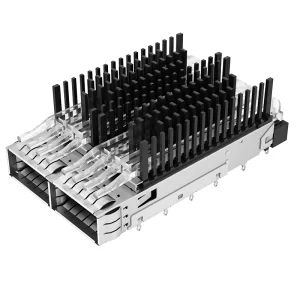
Optimized for high-speed network switch interfaces, localized for Mumbai's expanding telecom infrastructure.
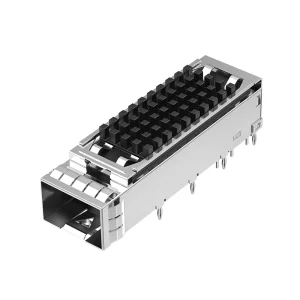
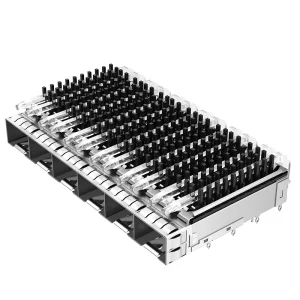
Mumbai has emerged as the central gateway for digital connectivity in South Asia. As hyperscalers, global cloud service providers, and major telecommunications operators aggressively scale their facilities across Navi Mumbai and the Mumbai-Pune industrial corridors, the demand for high-density, reliable physical layer infrastructure has experienced unprecedented growth. The integration of 1xN (Ganged Ports) SFP/SFP+ cages is critical in optimizing port densities on network switch interfaces, edge routers, and server blades.
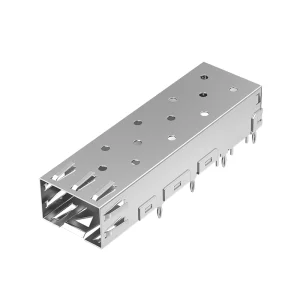
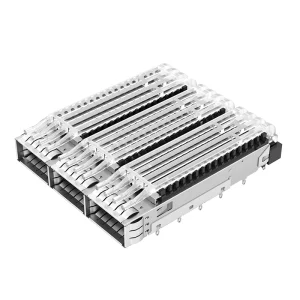
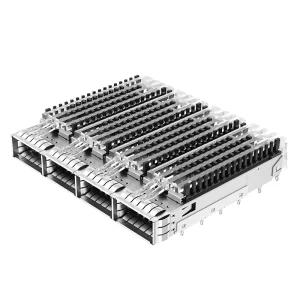
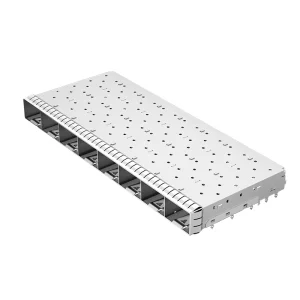
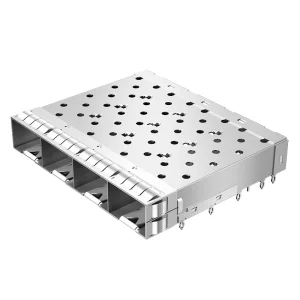
The manufacturing ecosystem in Mumbai, centered around key export zones like the Santacruz Electronic Export Processing Zone (SEEPZ), has adapted to these global requirements. Exporters leverage advanced metal-stamping, precision injection molding, and automated assembly processes to supply SFF-compliant cages that match the electrical, mechanical, and thermal expectations of international networks. These 1xN configurations (ranging from 1x2 to 1x8 ports) provide a unified mechanical shell that reduces PCB space requirements, optimizes EMI shielding continuity, and eases line card assembly compared to single-port implementations.
In high-speed switching systems, board real estate is premium. Ganged (or grouped) multi-port SFP cages allow network design engineers to package multiple SFP/SFP+ transceivers in a single row without compromising signal integrity. The contiguous shielding of a ganged port array provides superior grounding paths, which are essential for containing high-frequency radiation. As operators in Mumbai transition networks to 10G SFP+, 25G SFP28, and even higher data rates, minimizing electromagnetic interference (EMI) leakage becomes a primary engineering challenge.
Engineered connectivity solutions backed by decades of technical expertise and ISO-certified manufacturing facilities.
Transolix is a leading optical transceiver and structural component manufacturer specializing in high-performance fiber optic communication solutions. With 11 years of industry experience and 6 years of global export pedigree, Transolix bridges the gap between raw component manufacturing and deployment-ready networking solutions. Operating under stringent ISO 9001 quality systems, our 42 QC professionals ensure every 1xN ganged port assembly, transceiver cage, and auxiliary optical module passes automated optical testing, eye diagram analysis, aging tests, and 100% final performance verification. Our R&D capability is backed by 128 dedicated engineers, facilitating continuous firmware customization, protocol compatibility matching, and custom structural thermal solutions for clients across North America, Europe, Southeast Asia, and the Middle East.
A comparative analysis of physical layer architectures for high-speed network interfaces.
| Parameter | 1xN Ganged (Single-Row) Cages | 2xN Stacked (Dual-Row) Cages | Design Considerations & Trade-offs |
|---|---|---|---|
| Port Density | High linear density along a single horizontal axis. | Ultra-high volumetric density (stacked rows). | Stacked designs save horizontal PCB space but require complex thermal management. |
| Thermal Management | Excellent; direct air path over each module and heatsink. | Challenging; bottom row modules operate under higher ambient heat. | Ganged ports are preferred for high-power optical transceivers (>3.5W). |
| Signal Routing (PCB) | Simple; single-layer routing for transceiver high-speed signals. | Complex; multi-layer routing with via matching and skew correction. | Ganged cages keep trace lengths uniform, reducing insertion loss and crosstalk. |
| EMI Compliance | Unified chassis ground contact around the bezel cutout. | Increased surface area increases potential gap locations. | Precision-engineered elastomeric gaskets or spring fingers are vital. |
The primary concern in high-density installations is maintaining EMI integrity. Standard cages utilize copper alloy (such as phosphor bronze) with nickel underplating and matte tin finish to ensure solderability and oxidation resistance. To achieve low contact resistance with the chassis bezel, integrated metal spring fingers (made from beryllium copper or stainless steel) are standard. These fingers ground the cage directly to the metal enclosure, preventing high-frequency harmonics generated by the transceiver from leaking outside the chassis.
Modern telecommunication factories prefer Press-fit (compliant pin) technology over wave or reflow soldering. Press-fit pins (such as eye-of-the-needle design) rely on elastic deformation to create a gas-tight mechanical and electrical connection inside the plated through-holes of the PCB. This eliminates thermal stresses associated with soldering, allows for easy repair or replacement of cages, and enables double-sided PCB populating. For legacy systems, THT soldering cages remain available where mechanical shear strength under extreme vibration is paramount.
Managing thermals and user feedback in density-constrained environment profiles.
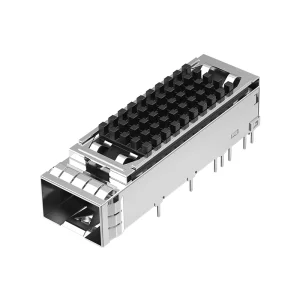
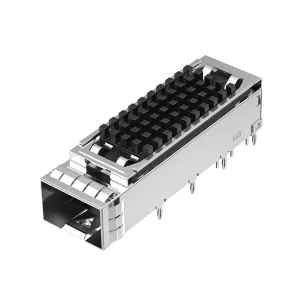
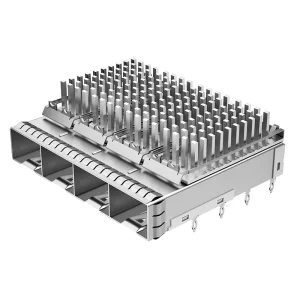
As networks scale to 25G SFP28 and 50G PAM4 technologies, optical transceivers draw more power, generating substantial heat. Excess heat directly correlates with optical laser degradation and increased bit error rates (BER). To mitigate this, 1xN ganged cages are engineered to support custom riding heatsinks. A clip-on thermal design holds the heatsink base in direct contact with the top of the transceiver body, utilizing a thermal interface material (TIM) to bridge the physical gap.
These heatsinks are available in various pin-fin and fin-profile configurations, customized to the chassis airflow directions (front-to-back or back-to-front). The heights of the heatsinks are optimized to fit within standard 1U system rack dimensions, ensuring maximum airflow bypass and structural clearance.
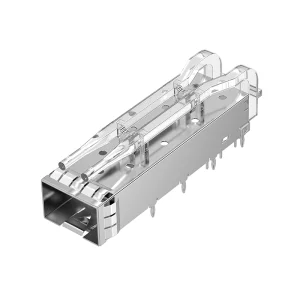
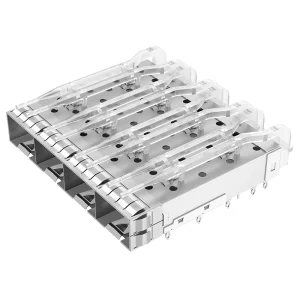
In high-density switches, tracking port connectivity and status is critical for system maintenance. Exporters in Mumbai supply 1xN ganged cages with pre-installed lightpipes. Molded from optical-grade polycarbonate (UL 94V-0 compliant), these lightpipes route light from surface-mount LEDs on the motherboard to the front bezel, immediately above or below the transceiver port opening. Standard variations include:
An inside look at our state-of-the-art testing equipment, optical assembly labs, and packaging centers.

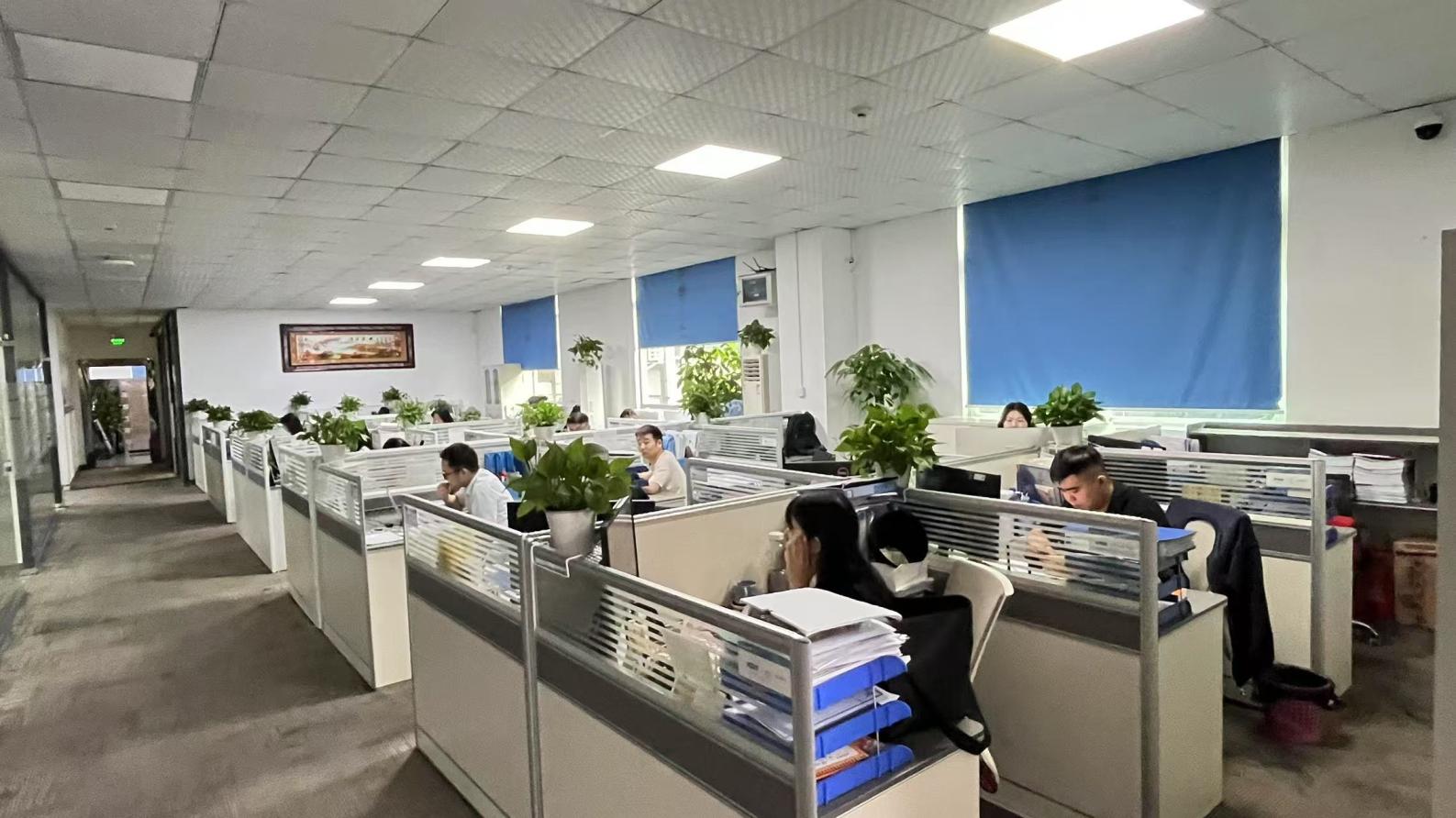
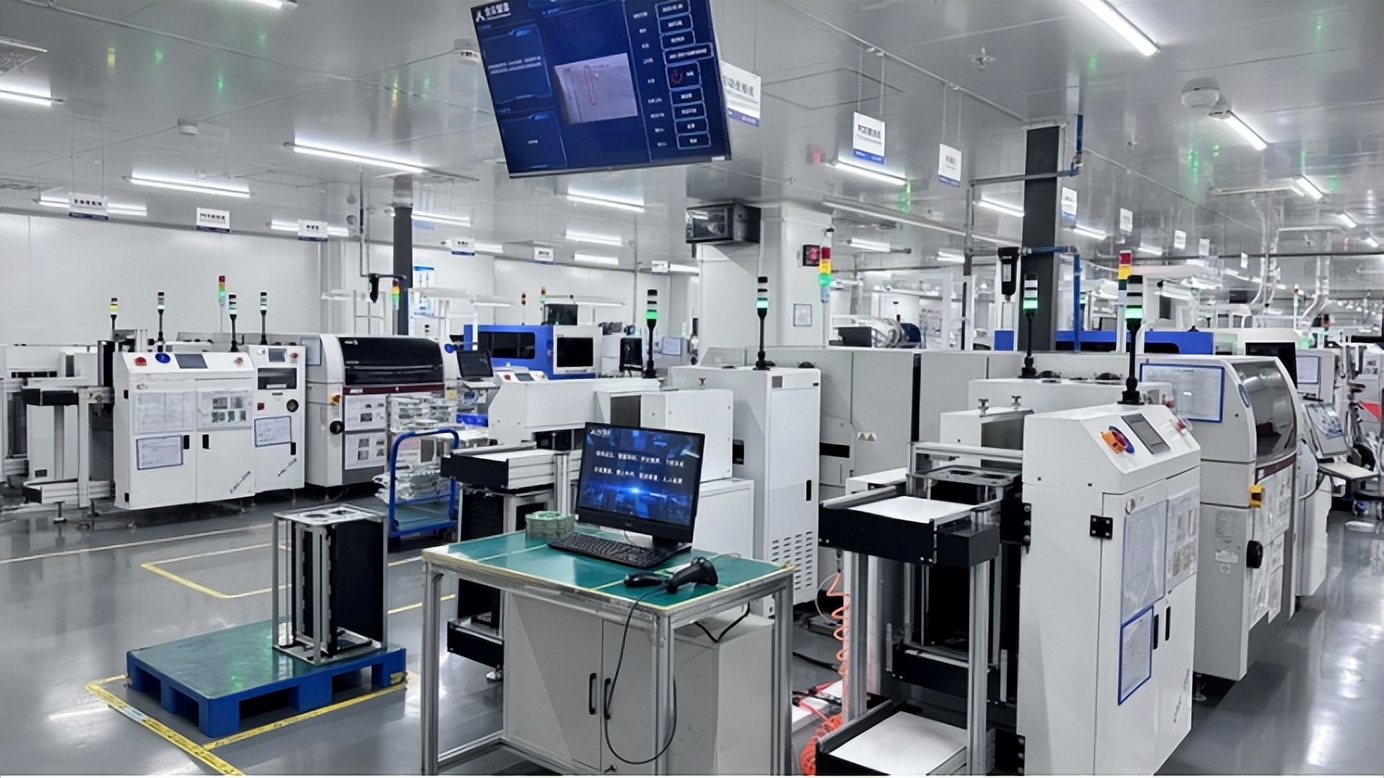
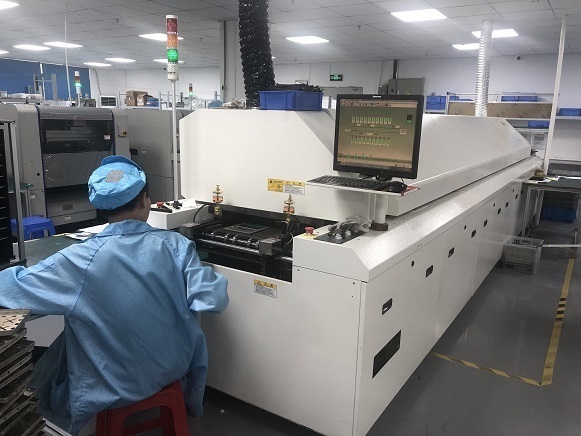
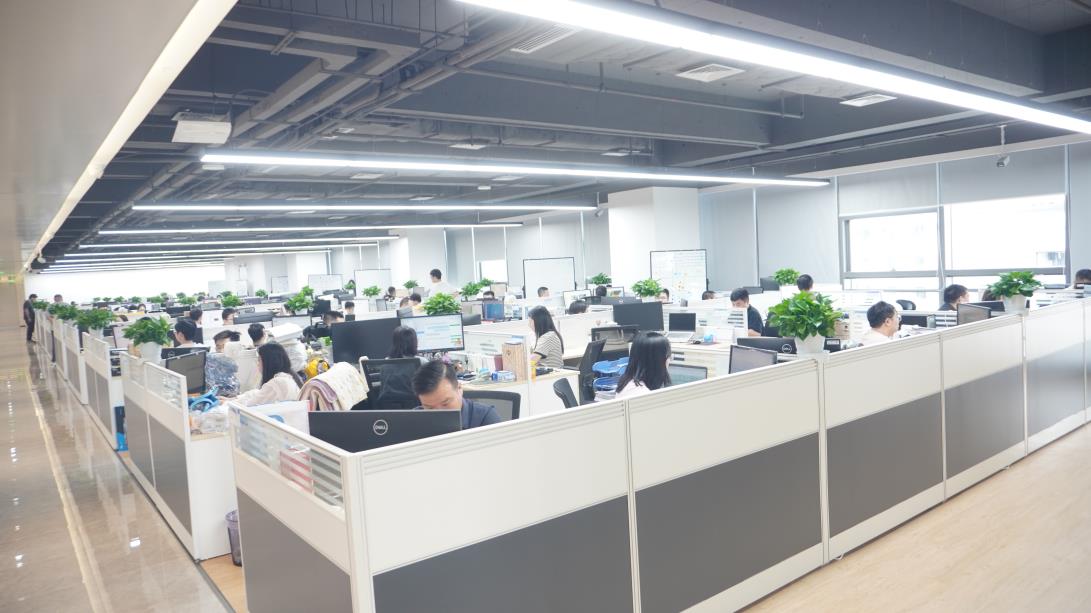
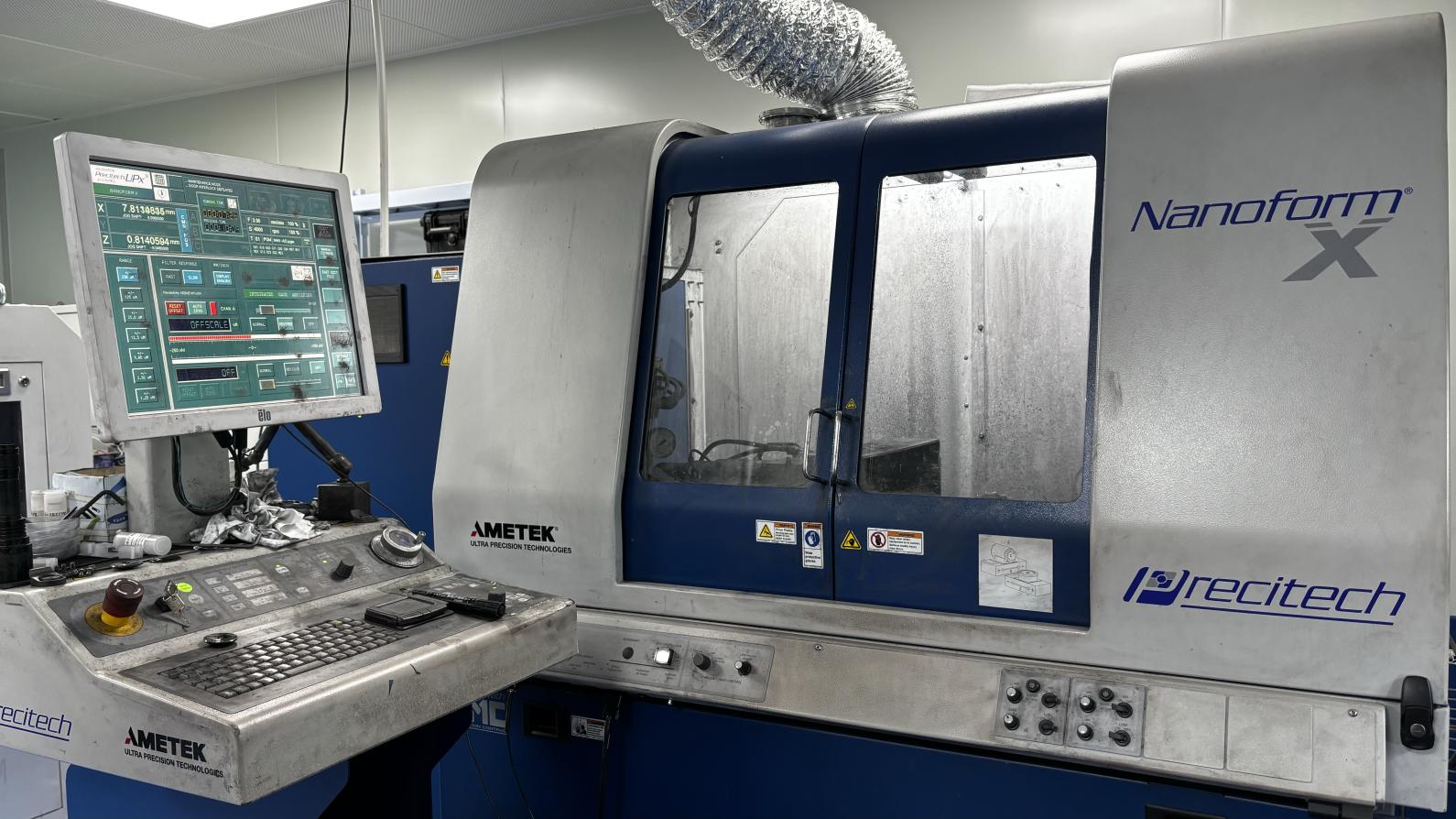
International OEMs and network integrators demand a resilient supply chain with streamlined export processing. Mumbai is uniquely positioned as a premier logistics gateway, leveraging the Jawaharlal Nehru Port Trust (JNPT) (also known as Nhava Sheva), which handles over 55% of containerized cargo in India. This geographical advantage enables Transolix and local Mumbai exporters to execute maritime and air cargo dispatches with minimal lead times. For critical projects, expedited shipping via Chhatrapati Shivaji Maharaj International Airport (BOM) ensures component shipments reach hubs in North America and Western Europe within days.
SFP cages must comply with various environmental and safety regulations to be deployed in global networks. We ensure compliance with the following international frameworks:
Fast Customs Processing: Close integration with EDI (Electronic Data Interchange) customs declaration systems in Mumbai speeds up clearance processes.
B2B Logistics Partners: Close cooperation with top-tier global freight forwarders like DHL, FedEx, DB Schenker, and Kuehne+Nagel.
Schengen & US Custom Cleared: Experienced processing teams ensure all B2B documentation (Commercial Invoices, Certificates of Origin, Packing Lists) is meticulously formatted to prevent delays.
Technical answers to critical integration, compatibility, and design-in questions.
Select from our extensive inventory of high-density ganged cages and single-port EMI assemblies.
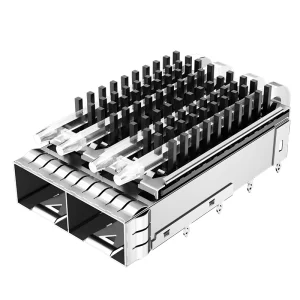
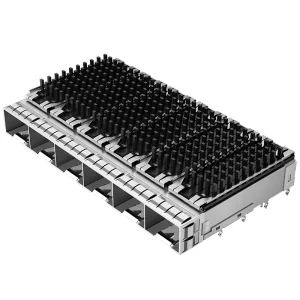
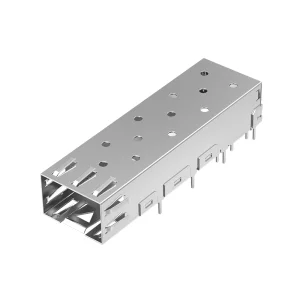
Connect with our design engineers in Mumbai today to configure custom heights, lightpipe options, heatsinks, or request free engineering samples.
Send Inquiry Now Transolix