Engineered for signal integrity, heat dissipation, and dense board spacing. Compatible with Amphenol and TE Connectivity legacy systems.
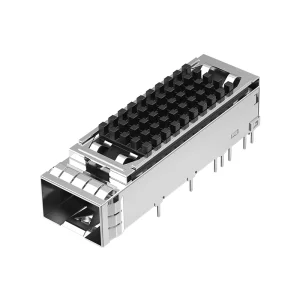
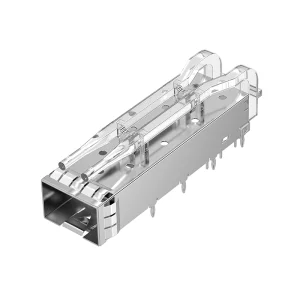
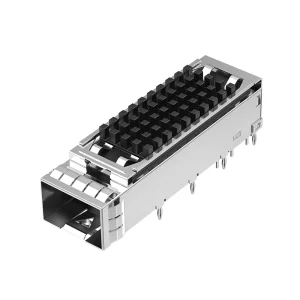
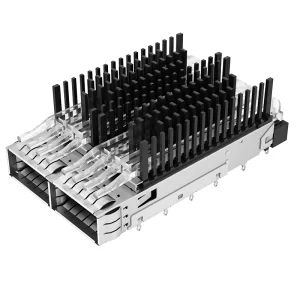
As the secondary cities of East Africa prepare for next-generation telecommunication hubs, the region of Gitarama (Muhanga District, Rwanda) is establishing itself as a digital node. The expansion of high-speed FTTx (Fiber to the Home/Business) frameworks and localized cloud networks demands cutting-edge server-grade components. The core of this hardware revolution lies in the physical layer interconnects—specifically, 1xN (Ganged Ports) SFP/SFP+ cage assemblies.
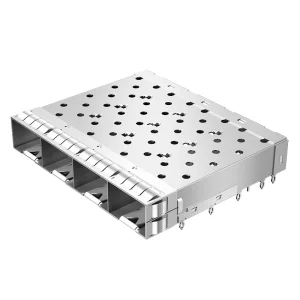
Ganged ports allow multiple transceiver modules (SFP, SFP+, QSFP) to sit side-by-side in a unified housing. This configuration optimizes space on the printed circuit board (PCB), allowing telecom operators and system integrators in Gitarama to scale up bandwidth without increasing the equipment size. Whether upgrading mobile backhaul towers or developing secondary data storage centers, high-performance ganged cages form the backbone of reliable fiber optic links.
Deploying 1xN ganged ports is not merely an exercise in mechanical design; it is a complex electromagnetic challenge. When multiple high-speed optical transceivers function adjacent to each other at rates reaching 10 Gbps (SFP+) or 28 Gbps (SFP28 per channel), Electromagnetic Interference (EMI) and crosstalk become critical barriers to performance.
Procurement managers at operators like MTN, Airtel, and local ISP hubs face unique logistical challenges in East Africa. To minimize downtime, sourcing components that are pin-compatible with industry-standard brands like TE Connectivity and Amphenol is essential.
Transolix addresses this market gap by manufacturing equivalent, cross-referenced products that are directly compatible with legacy network equipment. This compatibility ensures that network engineers in Gitarama can drop new cages into existing layouts without redesigning the host board. This dramatically lowers Capital Expenditure (CapEx) and shortens deployment cycles.
Combining deep technical expertise with global supply chains to serve telecommunications nodes in Gitarama and beyond.
Cages are designed and tested to limit insertion loss, return loss, and near-end crosstalk (NEXT) up to 28 Gbps per port, preparing your systems for next-generation upgrades.
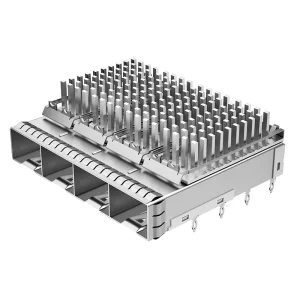
We support customized configurations for optical fiber transceiver components, including light pipes, integrated heatsinks, and tailored outer geometries to fit dense PCBs.
Our ISO 9001 certified plants enforce rigorous automated optical testing, eye diagram analysis, and environmental aging verification on 100% of production runs.
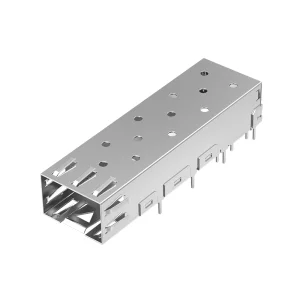
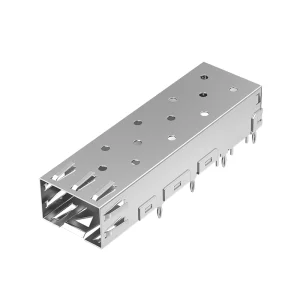
Explore our full line of ganged press-fit and solder-tail cages designed for telecommunication racks and network switches.
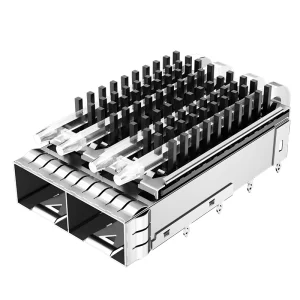
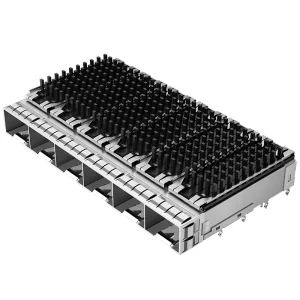
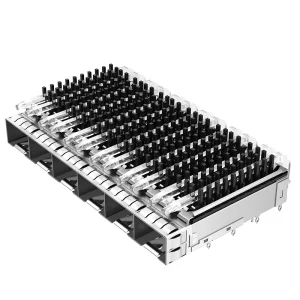
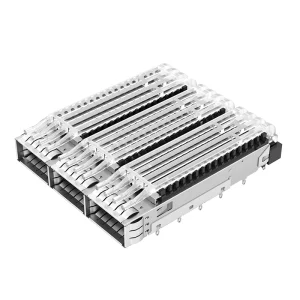
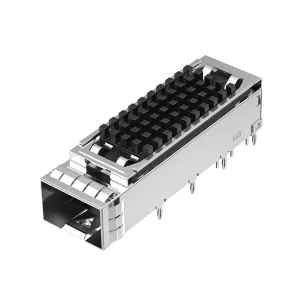
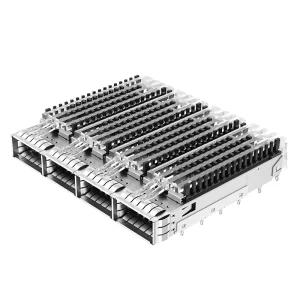
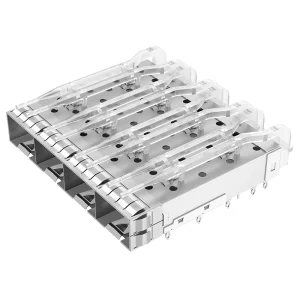
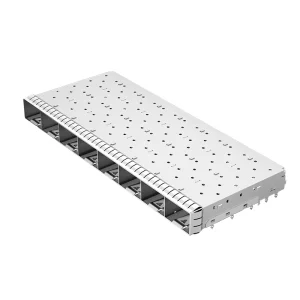
Transolix is a professional optical transceiver and physical cage manufacturer specializing in high-performance fiber optic communication solutions for global data centers, telecom operators, and enterprise networks. With robust engineering capabilities and scalable production capacity, Transolix is committed to delivering reliable, high-speed, and cost-effective optical connectivity products worldwide.
Operating from state-of-the-art facilities with a total building area of 320 square meters, our company is strategically positioned to handle high-volume exports. Over the past 6 years, Transolix has expanded its export footprint across North America, Europe, Southeast Asia, and the Middle East, leveraging 11 years of deep-rooted industry expertise to drive innovation in high-speed networks.


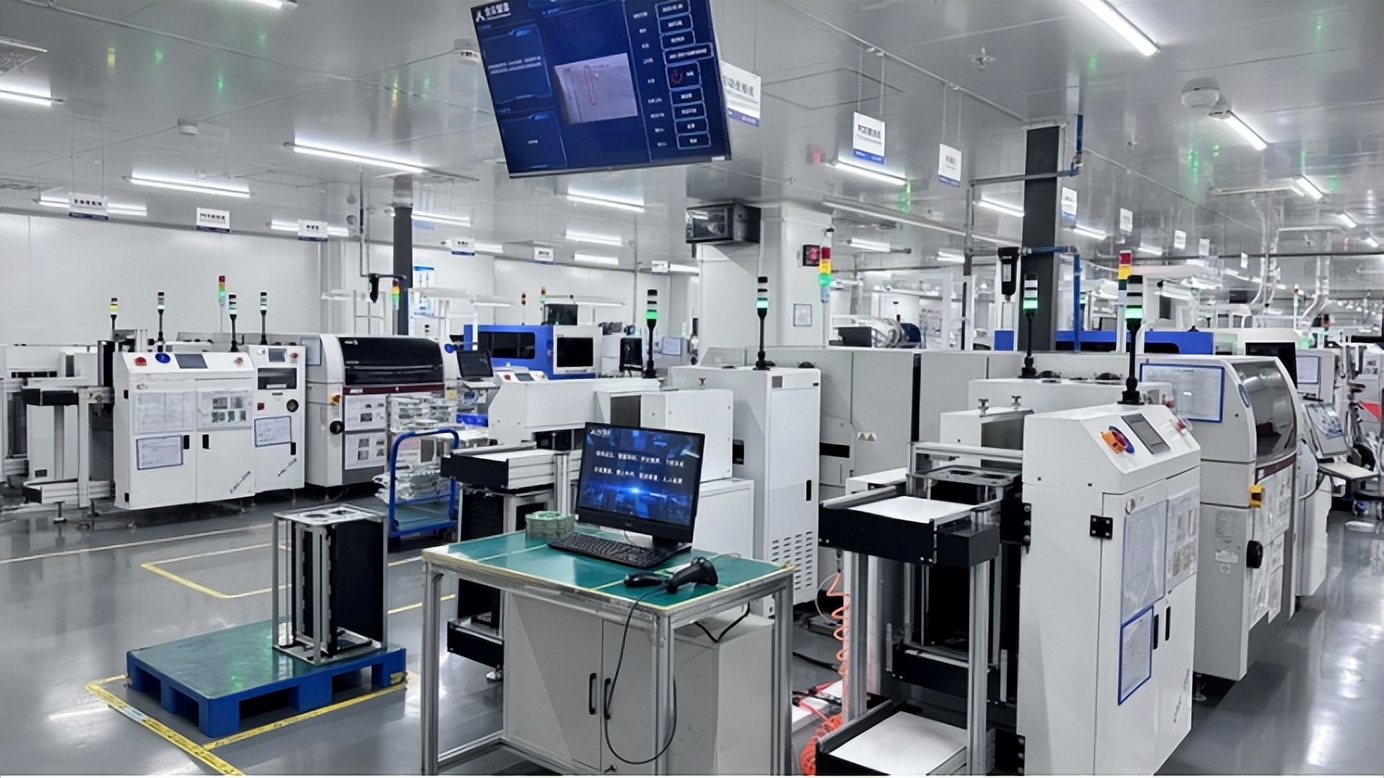
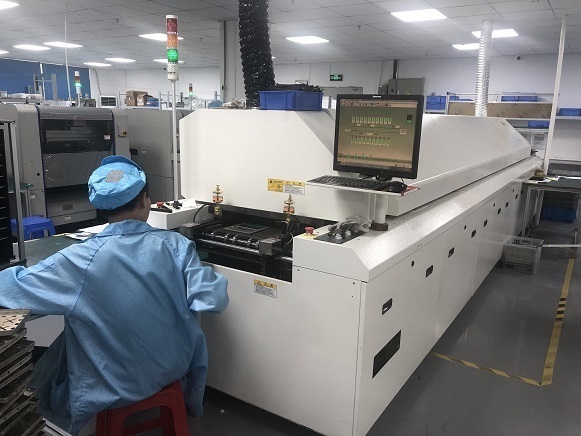

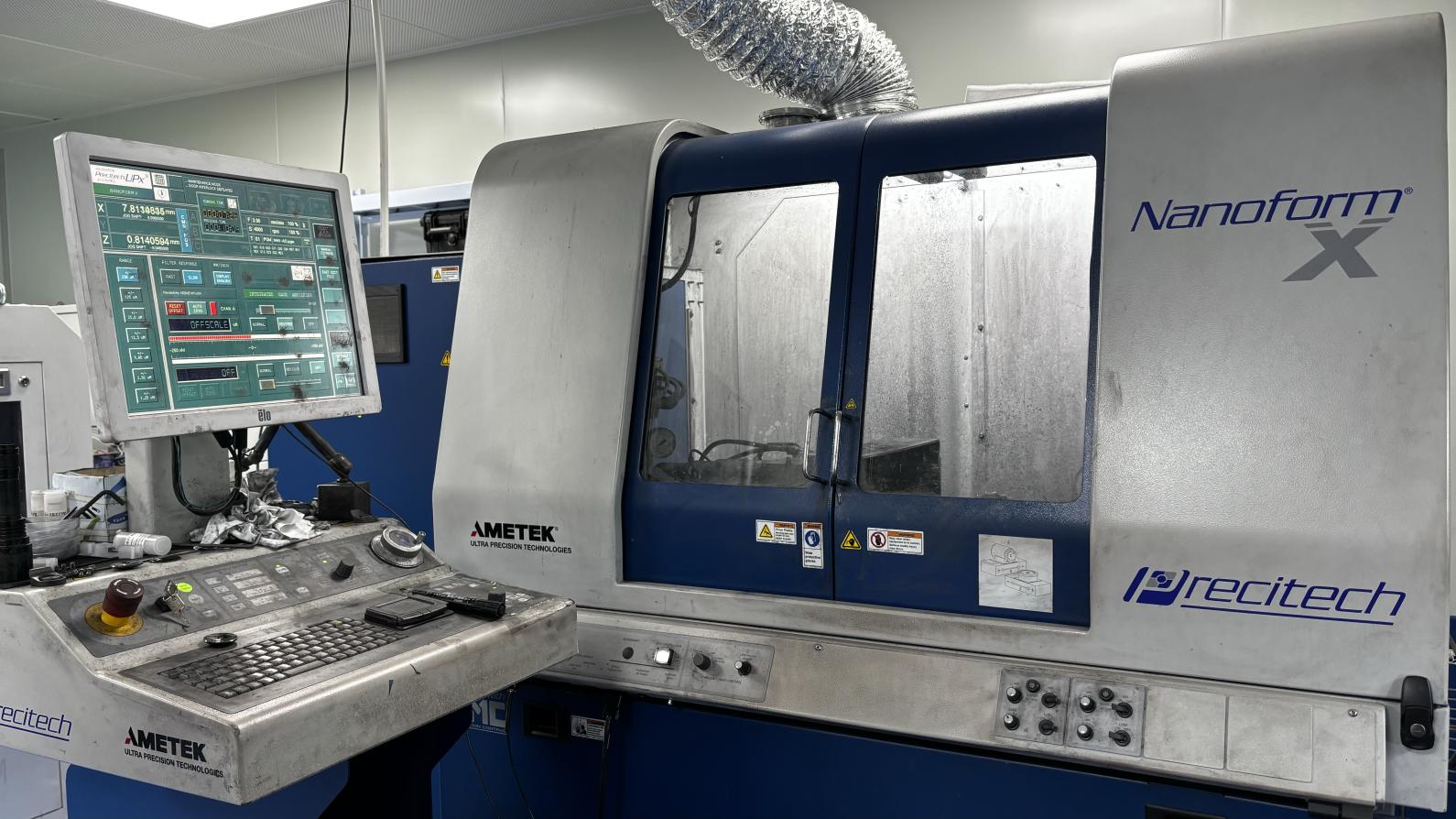
Quality assurance is the foundation of our business model. Transolix adheres to the ISO 9001 quality management framework alongside rigorous internal reliability guidelines. To maintain excellent signal paths and structural reliability, our dedicated team of 42 QC professionals utilizes state-of-the-art diagnostic protocols:
With 128 R&D engineers driving engineering initiatives, Transolix focuses on continuous design cycles. In the last fiscal year alone, we released 86 new product models, ranging from customized multi-port QSFP-DD cages to specialized low-profile SFP modules.
Our supply chain is powered by 860 certified upstream vendors supplying top-grade raw materials (copper alloys, stainless steel EMI springs, and high-conductivity plating materials). This comprehensive network ensures a consistent supply of premium materials, enabling us to serve telecom operators, cloud providers, and OEM/ODM partners worldwide.
As bandwidth requirements escalate from 10G/25G (SFP+/SFP28) to 100G/400G (QSFP28/QSFP-DD), the mechanical architecture of the physical ports must adapt. System designs are hitting thermal and space limits, prompting key transitions in technology:
1. Optimized Thermal Paths: Higher transmission speeds generate more heat per port. Modern layouts feature built-in heatsinks that make direct contact with the module casing, utilizing integrated heat pipes to route thermal loads away from critical hardware.
2. Enhanced EMI Suppression: At higher signal rates, copper trace geometry and connector interfaces can act as antennas for noise. Using specialized conductive elastomeric gaskets instead of metal springs helps shield higher frequencies and keeps EMI under control.
3. Co-Packaged Optics (CPO) and Beyond: System architectures are shifting toward placing optical engines directly on the substrate with the switch ASIC. While standard cages will continue to support edge transceivers, they will increasingly include integrated bypass circuits to match the high signal densities of modern hardware.
Get professional answers about 1xN ganged ports, press-fit SFP cages, and custom technical integrations.
1xN ganged cages house multiple SFP modules horizontally in a single metal chassis. This design saves valuable board space, reduces component count on the PCB, and simplifies assembly. It also creates a unified grounding path, which helps suppress EMI more effectively than installing multiple individual cages side-by-side.
Press-fit cages rely on compliant pins that form a gas-tight mechanical connection when pressed into PCB plated through-holes, eliminating the need for wave or hand soldering. This preserves signal path impedance, avoids heat-induced PCB warping, and makes replacement much easier during maintenance. Solder-tail (THT) options remain common for cost-sensitive or legacy hardware designs.
Yes. Our products are fully cross-referenced to industry-standard model numbers from TE Connectivity and Amphenol (such as U77-E16D3-3001, 2170193-1, and 2198235-1). They match the electrical pinout, mechanical footprints, and faceplate openings of the original parts, allowing you to drop them into your designs without modifying existing PCB layouts.
We work with reliable international logistics networks to deliver directly to industrial parks, distributors, and telecom hubs across East Africa. Every shipment is securely packaged in ESD-safe materials and includes comprehensive customs documentation to ensure smooth import clearance.
Get in touch with our engineering team today for technical details, cross-reference matches, and volume pricing custom-tailored for your project needs.
 Transolix