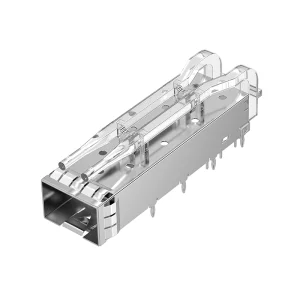
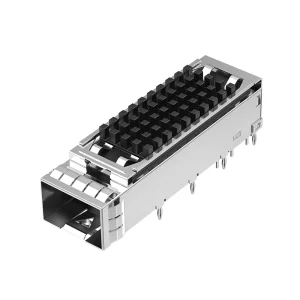
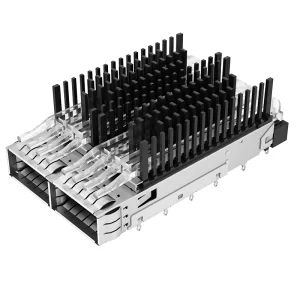
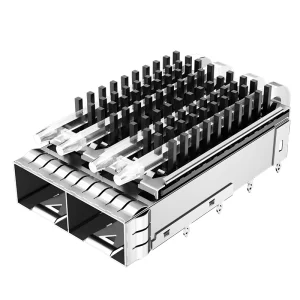
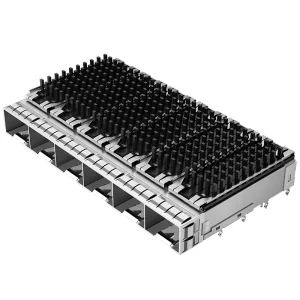
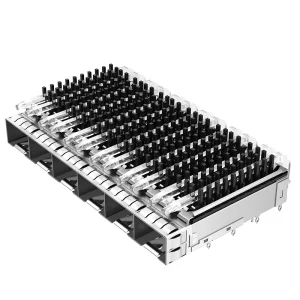
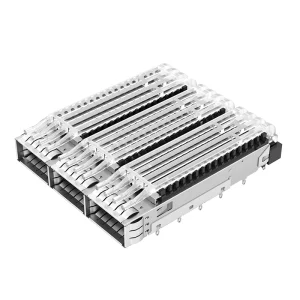
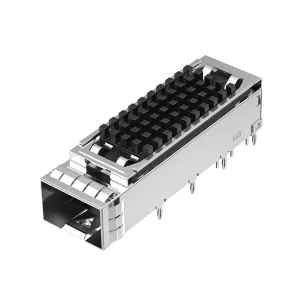
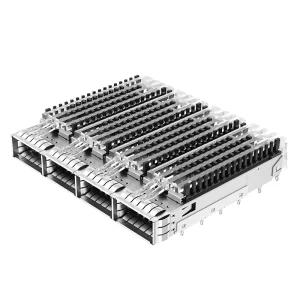
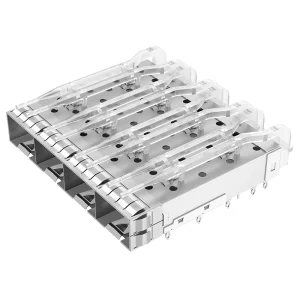
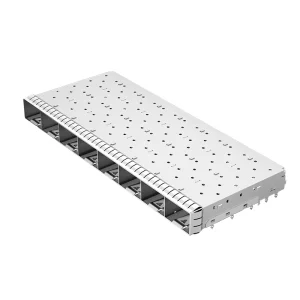
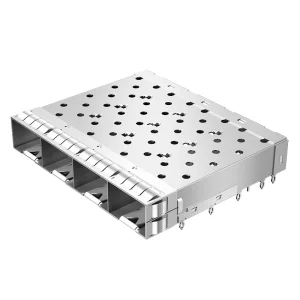
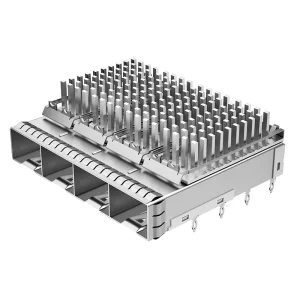
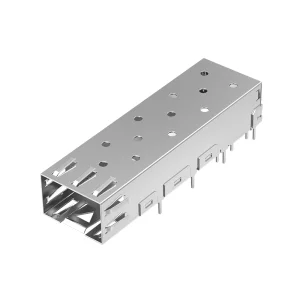
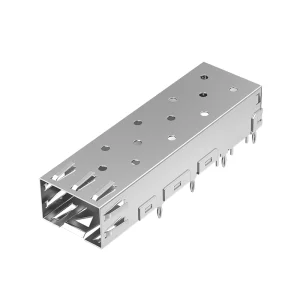
1xN (Ganged Ports) SFP/SFP+ Cages for Algeria

High-Density Optical Interconnect Solutions Engineered for Algeria's National Telecom Infrastructure & Enterprise Datacenter Upgrades

Algeria's Telecommunications Transition & Industrial Grid Demand

Analyzing the integration of high-density SFP/SFP+ cage assemblies within North Africa's rapidly digitizing network architecture.

Algeria's Digital Footprint: Upgrading Core Infrastructure

Algeria is undergoing a profound digital transformation. Driven by the Ministry of Post and Telecommunications and spearheaded by national operators like Algérie Télécom, Djezzy, Ooredoo, and Mobilis, the nation is systematically upgrading its core optical transport networks (OTN) and municipal routing hubs. The rapid expansion of Fiber-to-the-Home (FTTH) networks and the rollout of localized edge data centers in major industrial corridors—spanning Algiers, Oran, Constantine, and Hassi Messaoud—have catalyzed demand for high-density, low-latency interconnection interfaces.

In these complex networking environments, standard single-port components are no longer sufficient to handle the required port-density limitations of modern switch and router line cards. This has made the adoption of 1xN (Ganged Ports) SFP and SFP+ Cage configurations a technical necessity. By placing multiple transceivers in a single, robust metal enclosure, Algerian system integrators and telecommunications planners can achieve optimal board-space utilization while maintaining the stringent signal integrity and thermal efficiency parameters needed in North Africa's challenging climatic zones.

Algerian Local Network Specifications & Import Compliance Requirements

  • ARPCE Regulatory Compliance: Hardware deployed in local public network infrastructures must meet strict EMI/EMC benchmarks regulated by the Algerian Postal and Electronic Communications Regulatory Authority.
  • Thermal Resilience: Outdoor cabinet deployments in Southern Algeria require high-efficiency pin-fin or custom clip-on heatsinks to mitigate desert ambient heat buildup.
  • Sovereign Cloud Data Centers: New governmental hosting facilities in Algiers mandate 10Gbps+ SFP+ modular routing platforms using EMI-shielded press-fit cages to prevent signal degradation and maintain enterprise uptime.

The Crucial Role of 1xN (Ganged) Architectures in High-Speed Data Links

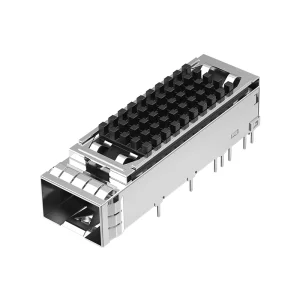
Ganged cages are structural components mounted directly on the system printed circuit board (PCB) to house SFP or SFP+ optical transceivers. The "1xN" design indicates a horizontal arrangement of N ports in a single row (commonly 1x2, 1x4, 1x6, or 1x8 configurations). This configuration minimizes the PCB edge area required for I/O ports compared to deploying multiple individual single-port cages.

However, packing multiple high-frequency transceivers into close proximity introduces significant engineering challenges:

  1. Electromagnetic Interference (EMI): High-speed data paths operating at 10Gbps (SFP+) or higher generate significant electromagnetic noise. Ganged cages must feature integrated EMI shielding fingers or conductive elastomeric gaskets to prevent signal leakage between adjacent channels (cross-talk) and shield the system from external electromagnetic threats.
  2. Thermal Management: Optical transceivers generate heat during operation. In a 1x6 or 1x8 ganged configuration, heat accumulates rapidly in the center ports. Incorporating specialized heatsinks (riding heat sinks) with optimized airflow channels is critical to keeping the transceivers within their specified operating temperatures, avoiding thermal throttling or optical link loss.
  3. Mechanical Robustness: Press-fit (compliant pin) designs are widely favored over through-hole technology (THT) solder joints in high-reliability applications. They provide secure mechanical retention and clean electrical connections without the thermal stress of wave soldering, making field repairs and board re-work far simpler for local engineers.

China Factory 4.0: Reinventing Interconnect Logistics & OEM Quality

How state-of-the-art manufacturing automation guarantees supply chain continuity and cost efficiency for international procurement managers.

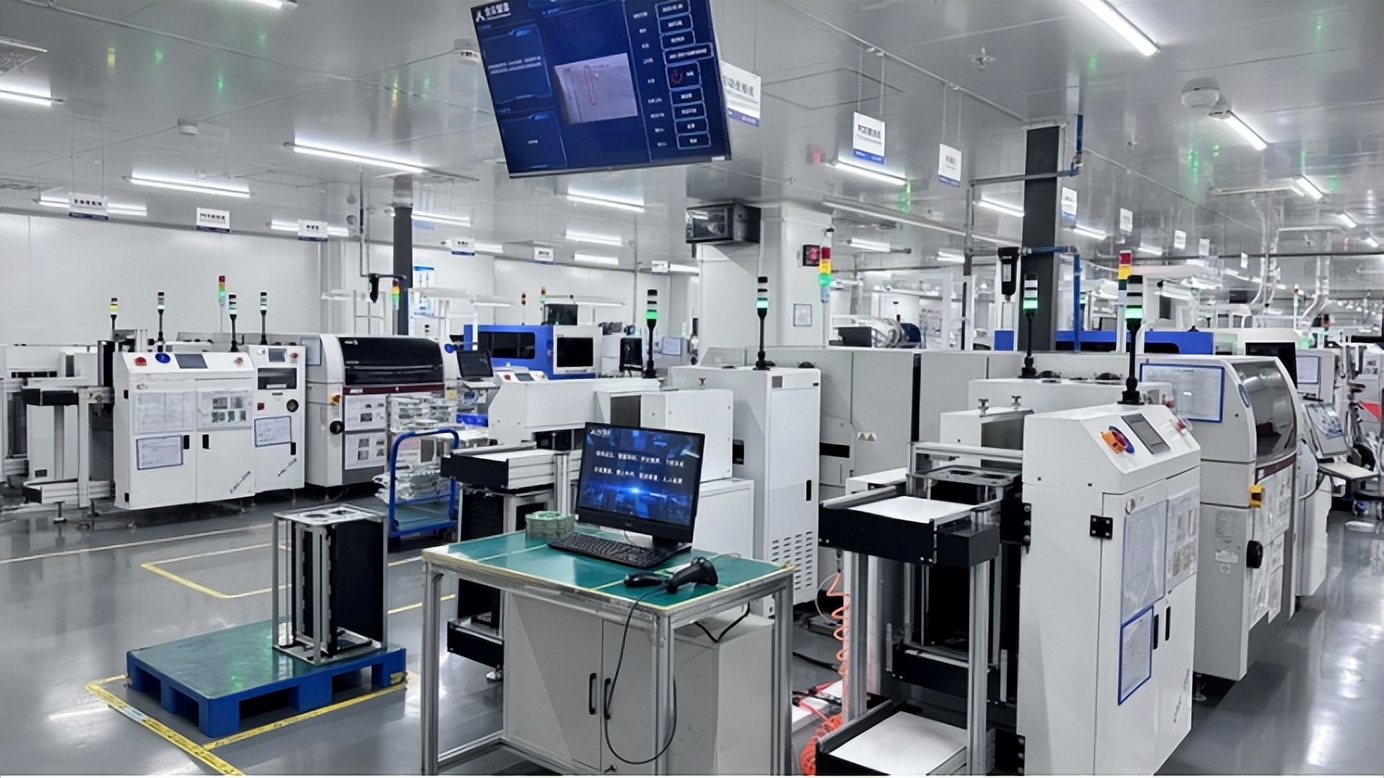
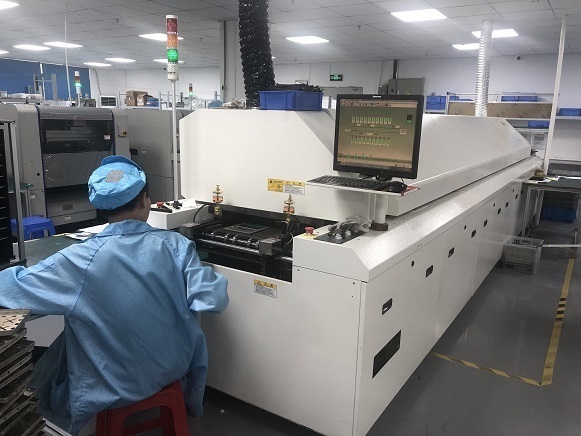
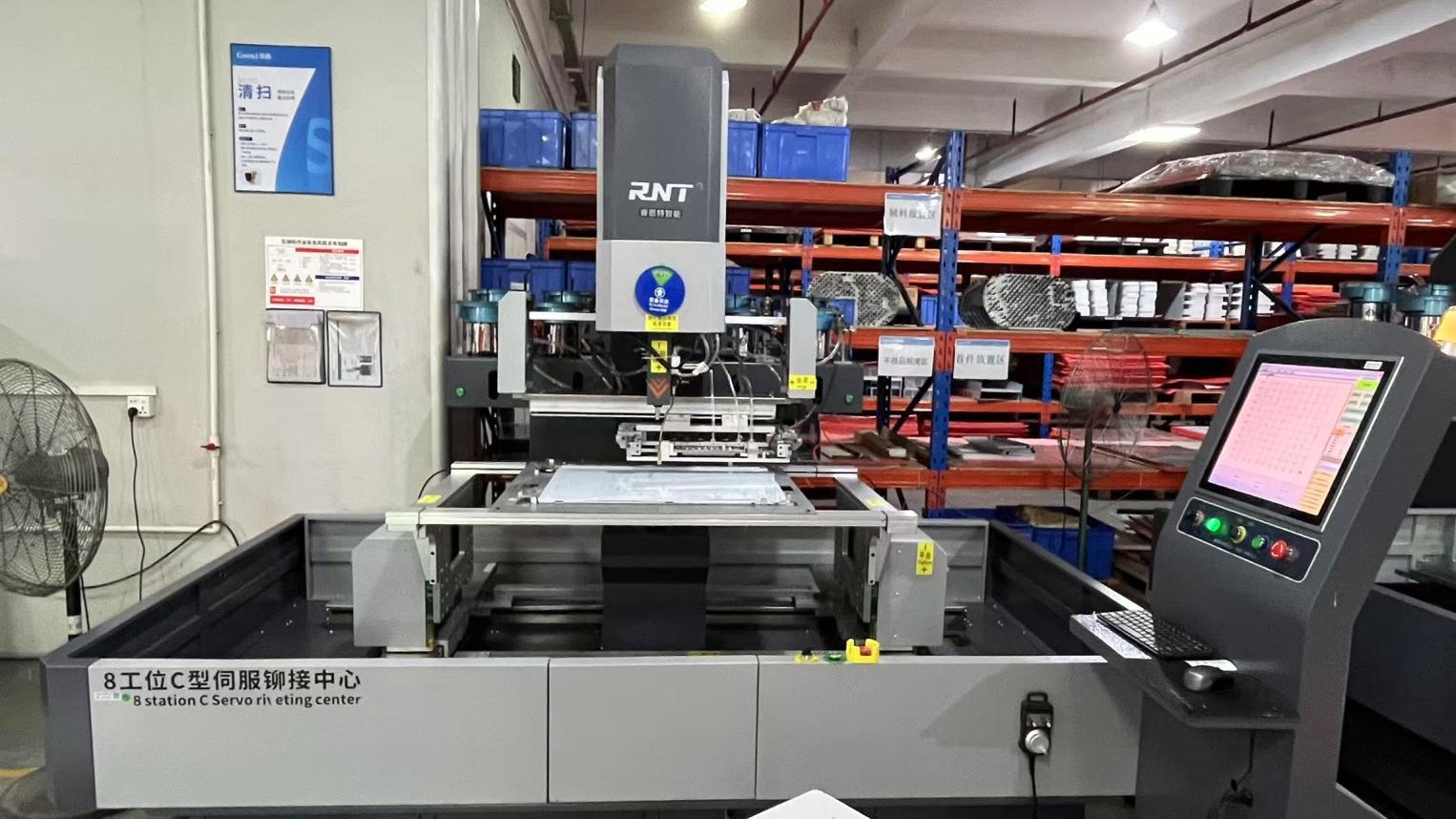
Global procurement of high-speed interconnect products has evolved beyond simple unit pricing. Modern procurement teams in Europe, the Middle East, and Algeria focus heavily on supply chain resilience, technological adaptability, and manufacturing scale. Transolix addresses these concerns directly through our China Factory 4.0 production framework.

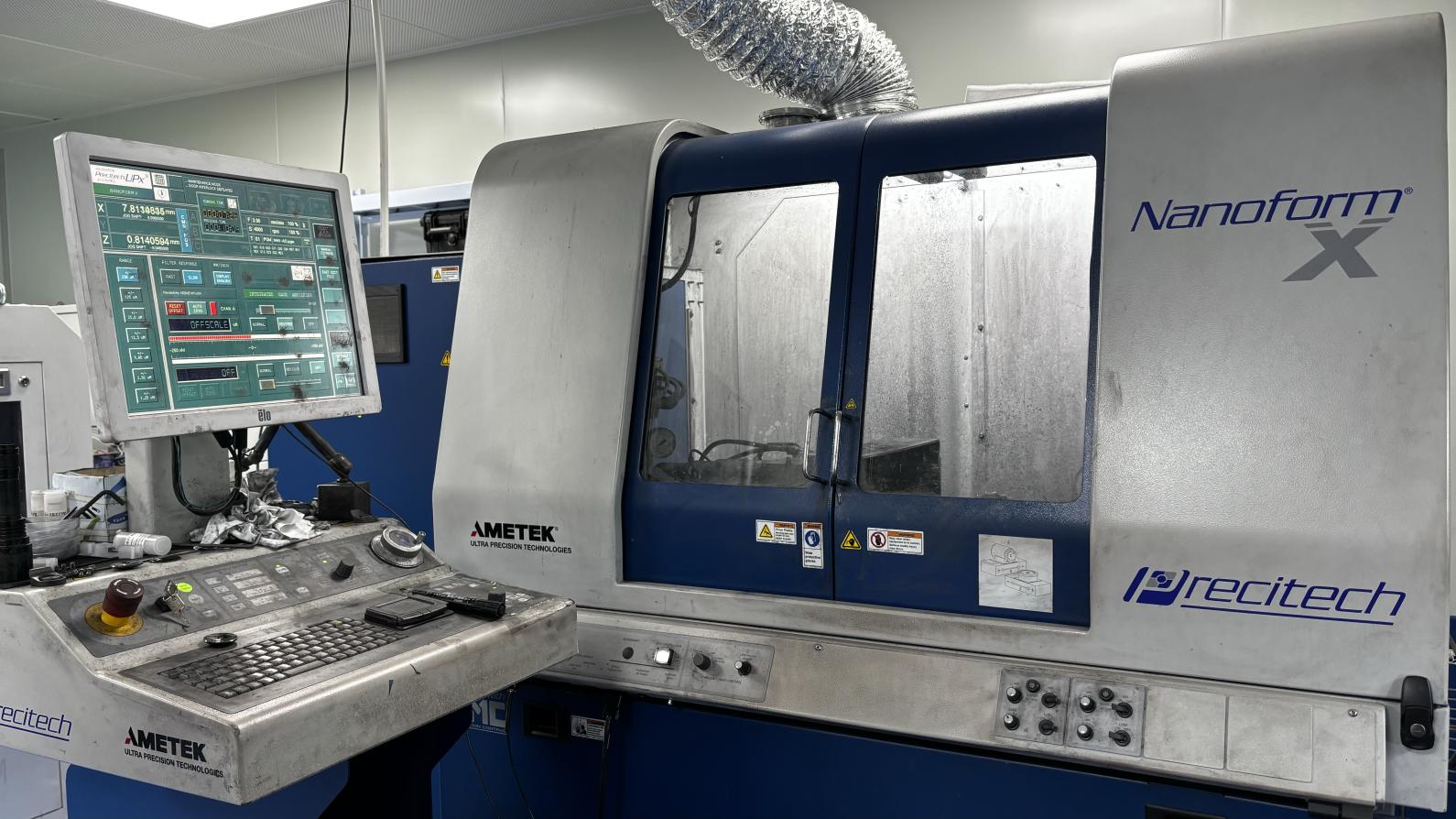
By automating high-precision stamping and insert-molding stages, Transolix ensures that every 1xN SFP/SFP+ cage assembly achieves exact tolerances. This automated process minimizes variations in contact resistance and pin alignment, guaranteeing drop-in compatibility with major industry standards like TE Connectivity and Amphenol.

2016
Established Year
USD 8-15M
Annual Export Revenue
128
R&D Engineers
860
Certified Supply Partners

Our manufacturing capacity is backed by deep R&D integration. With 128 active design engineers and 86 new product models released annually, we quickly adapt to custom configuration requests—whether that involves modifying heatsink heights for restricted-space switch chassis or tuning EMI finger layouts for specific PCB grounding profiles.

Furthermore, our logistics network provides reliable delivery options from Chinese production hubs directly to the Port of Algiers or Houari Boumediene Airport. We manage all documentation, including Certificates of Conformity and customs clearance files, to ensure a seamless integration into Algeria's local supply chains.

SFP/SFP+ 1xN Ganged Cage Catalog & Technical Index

Review our comprehensive selection of ganged and single-port configurations, featuring press-fit mounting, advanced thermal options, and integrated light pipes.

Transolix Corporate Overview

A professional optical transceiver manufacturer specializing in high-performance fiber optic communication solutions for global data centers, telecom operators, and enterprise networks.

R&D Capability & Quality Control

Operating with a high-precision micro-assembly and optical clean-room facility spanning 320㎡, Transolix focuses on continuous innovation in optical interconnect technology. We offer a full range of products including SFP, SFP+, QSFP28, QSFP-DD, and emerging high-speed optical transceiver solutions for next-generation networks.

  • Company Registration Date: 2016
  • Quality Inspection Standards: ISO 9001 & Internal Reliability Standards
  • Years of Export Experience: 6 Years
  • Years of Industry Experience: 11 Years
  • Quality Control Staff: 42 Professionals
  • Product Verification Methods: Automated Optical Testing, Eye Diagram Analysis, Aging Tests, and 100% Final Performance Verification

Strategic Supply & Technical Scalability

Through strong engineering capabilities and scalable production capacity, Transolix is committed to delivering reliable, high-speed, and cost-effective optical connectivity products worldwide. Our integration of R&D with a resilient sourcing ecosystem guarantees long-term supply stability.
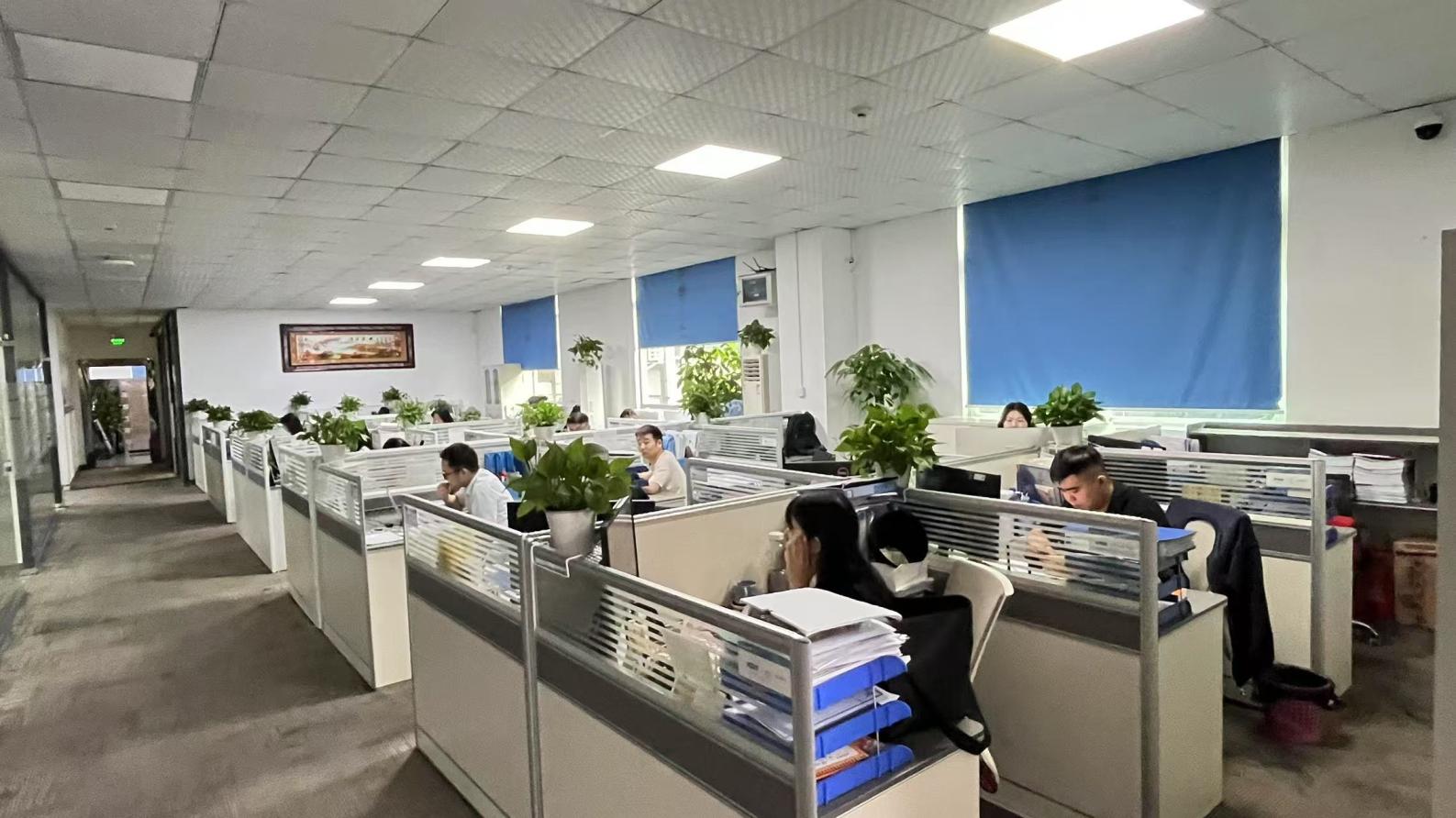
  • Supply Chain Partners: 860 Certified Upstream Chipset, Optics, & Packaging Vendors
  • Main Customer Types: Telecom Operators, Cloud Service Providers, Data Center Integrators, and OEM/ODM Partners
  • Customization Options: Wavelength, Form Factor, Distance, Protocol Compatibility, Firmware Customization Supported
  • Last Year New Product Releases: 86 Models
  • Key Export Markets: North America, Europe, Southeast Asia, Middle East, North Africa

Technical FAQ: Ganged SFP/SFP+ Cage Deployment

Addressing engineering, thermal, and compliance inquiries for system designers and network procurement managers.

Q1: What are the primary differences between Press-Fit and Through-Hole (THT) solder cages?
Press-Fit (compliant pin) cages use mechanical force to establish a gas-tight electrical connection with the PCB vias, eliminating the thermal stress of wave soldering and simplifying replacements. Through-Hole Technology (THT) solder designs rely on traditional solder alloys, providing high mechanical strength suitable for systems subjected to high vibration levels, though they are more difficult to rework.
Q2: How does a 1xN ganged design manage thermal dissipation in hot outdoor cabinet environments?
Ganged cages pack multiple transceivers close together, which can concentrate heat. To counter this, we design custom clip-on heatsinks (with pin-fin or fin-duct structures) tailored to the cabinet's airflow direction. Using high-grade Thermal Interface Materials (TIM) between the transceiver housing and the cage ceiling also accelerates thermal transfer away from the optical components.
Q3: Are these cages compatible with other industry brands like TE Connectivity and Amphenol?
Yes, our cages are designed to strictly match SFF-8432 and SFF-8433 multisource agreements (MSA). This ensures they serve as direct drop-in replacements for standard TE or Amphenol parts, matching the exact footprint, grounding pin configuration, and mechanical dimensions on your PCB.
Q4: How do integrated light pipes affect EMI performance in 1xN cages?
Integrated light pipes route status LED indicators from the PCB surface to the front bezel. Because they require openings in the cage structure, they could potentially allow electromagnetic leakage. We design our EMI-shielded cages with isolated light pipe channels and spring fingers around the openings to ensure high-frequency containment, meeting standard class B emission limits.
Q5: What documentation is provided for shipping hardware into Algeria?
For shipments to Algeria, we supply full commercial invoices, packing lists, Bills of Lading, and Certificate of Origin documents. When required, we provide Certificates of Quality/Conformity to comply with DPQC import inspections, ensuring smooth customs processing at the Port of Algiers or regional airports.