Premium interconnect interfaces built to withstand extreme environmental parameters while maximizing mechanical and optical signal integrity.
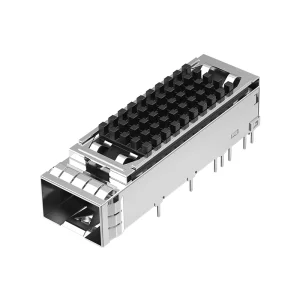
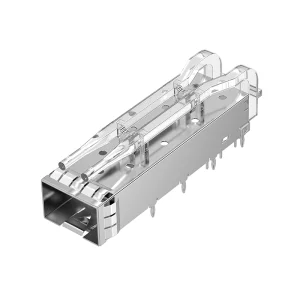
As the Sultanate of Oman advances rapidly toward the goals of Oman Vision 2040, the demand for robust, scale-ready digital infrastructure has reached unprecedented heights. Undergoing complete modernization across telecom sectors, smart cities, and port logistics, Oman's network nodes are evolving. Central to this evolution is the deployment of high-density hardware, specifically 1xN (Ganged Ports) SFP and SFP+ architectures.
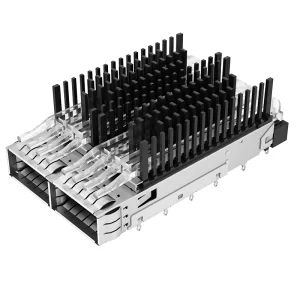
1xN configurations (typically 1x2, 1x4, 1x6, and 1x8 port cages) act as the backbone of switches, routers, and host bus adapters (HBAs) deployed within Muscat's growing tier-4 data centers and Salalah's strategic subsea landing stations. By ganging multiple ports into a single integrated stamped-metal structure, network equipment design engineers achieve two critical objectives: maximizing panel density and reducing overall board foot-space, all while safeguarding high-frequency signal paths from local external interference.
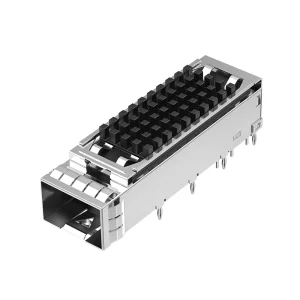
In the Middle East, climate challenges pose immediate threats to optical infrastructure. During summer months, ambient temperatures outside telecom shelters can reach up to 50°C. Transolix's 1xN ganged ports feature structural integrations for advanced heatsink profiles and light pipes. This structural layout provides optimal thermal dissipation directly away from active transceiver optical packages, preventing thermal runaway and ensuring stable latency cycles.
Additionally, the proximity of Oman's major hubs (Sohar, Duqm, and Salalah) to marine coastlines introduces high relative humidity and salt-laden air. Choosing physical interfaces with robust nickel/tin plating over high-performance copper alloys is imperative to mitigate electrochemical corrosion and sustain operational life beyond 10-15 years.
Exploring structural integrity, signal suppression mechanisms, and physical mechanical termination criteria.
At multi-gigabit routing speeds (10Gbps SFP+ up to 28Gbps SFP28 rates), high-frequency signals running through PCB tracks present major EMI emissions risks. When ganging ports together (e.g., 1x6 or 1x8 arrangements), the cumulative radiation increases, complicating compliance with CISPR 22 / FCC Class B parameters.
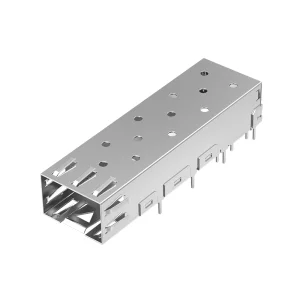
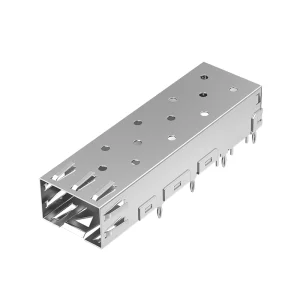
To address this, our 1xN ganged ports feature highly engineered external EMI shielding mechanisms:
Active optical transceivers produce heat, ranging from 1W for basic SFP+ modules up to 2.5W+ for high-reach DWDMs. When packed side-by-side in a 1x8 ganged port configuration, local heat generation is concentrated.
Transolix solves this engineering hurdle by integrating custom thermal dissipation routes:
Empowering Tier-1 telecom integrators and hyperscalers with premium optical modules and mechanical hardware.
Founded in 2016, Transolix has grown from a specialized engineering cell into a prominent cross-border B2B exporter of high-performance fiber optic communications equipment and interface housings. With an active footprint in North America, Europe, Southeast Asia, and the Middle East, we address complex physical-layer requirements under ISO 9001 quality guidelines.
Our core capabilities span high-speed optical design, signal integrity optimization, and physical layer mechanical integration. We operate a highly automated facility, featuring state-of-the-art packaging lines, optical eye diagram analysis, and automated optical testing. Every single 1xN ganged port and transceiver assembly undergoes rigorous aging and functional verification tests, ensuring zero field failures under demanding environmental stress.
Explore our complete catalog of SFP & SFP+ interconnect cages, standard and custom-configured for GCC-region network layouts.
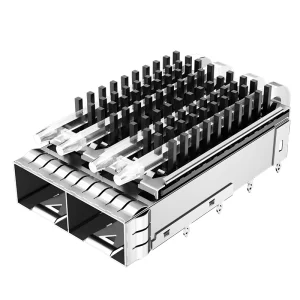
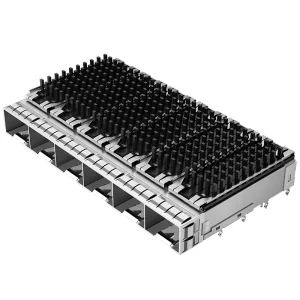
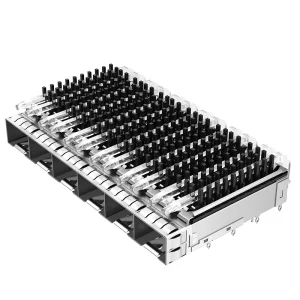
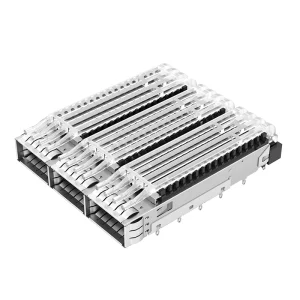
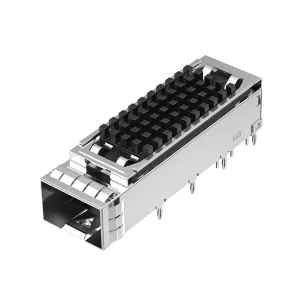
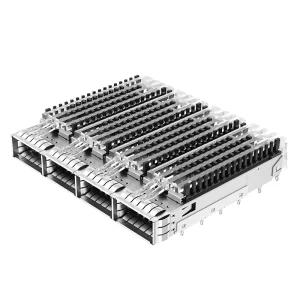
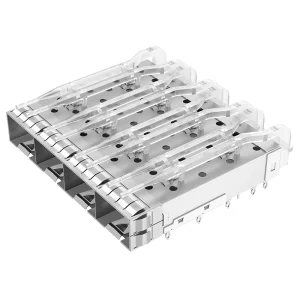
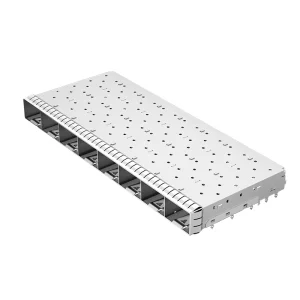
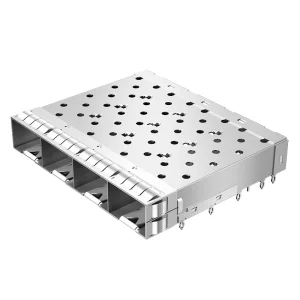
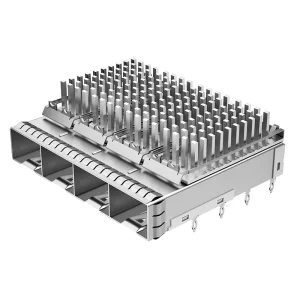
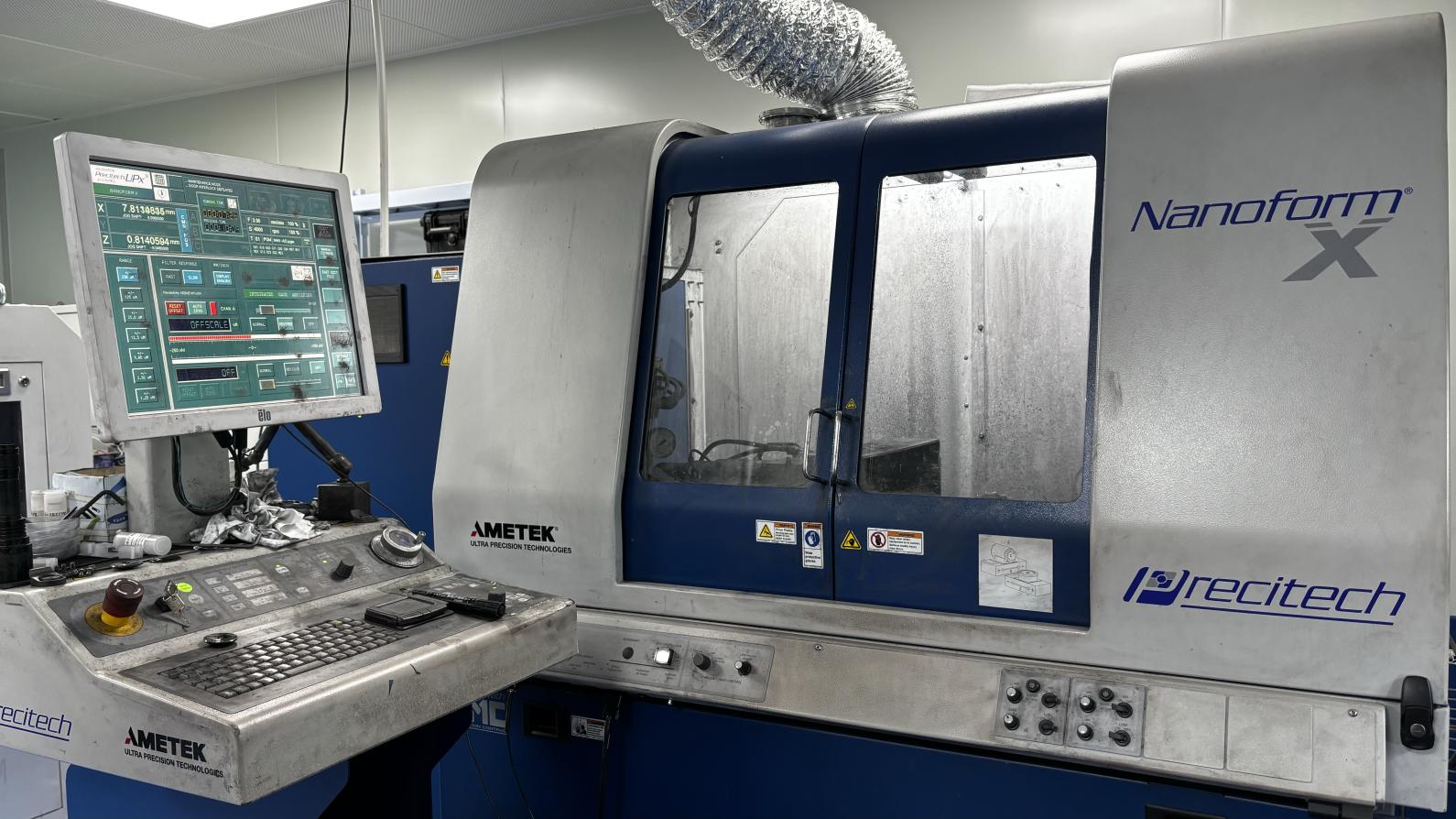
A look inside our ISO 9001 certified development labs and high-speed precision manufacturing floor.

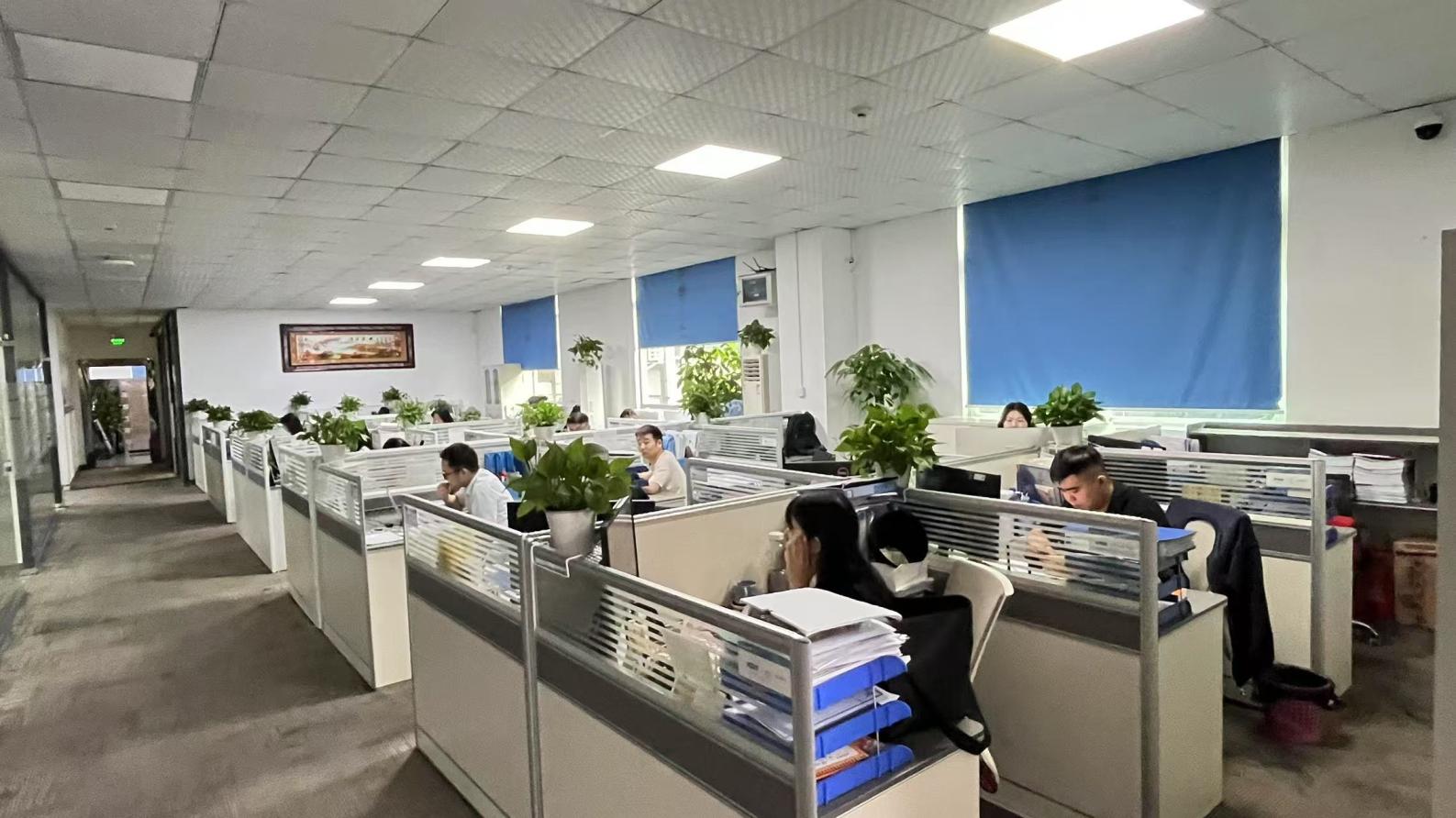
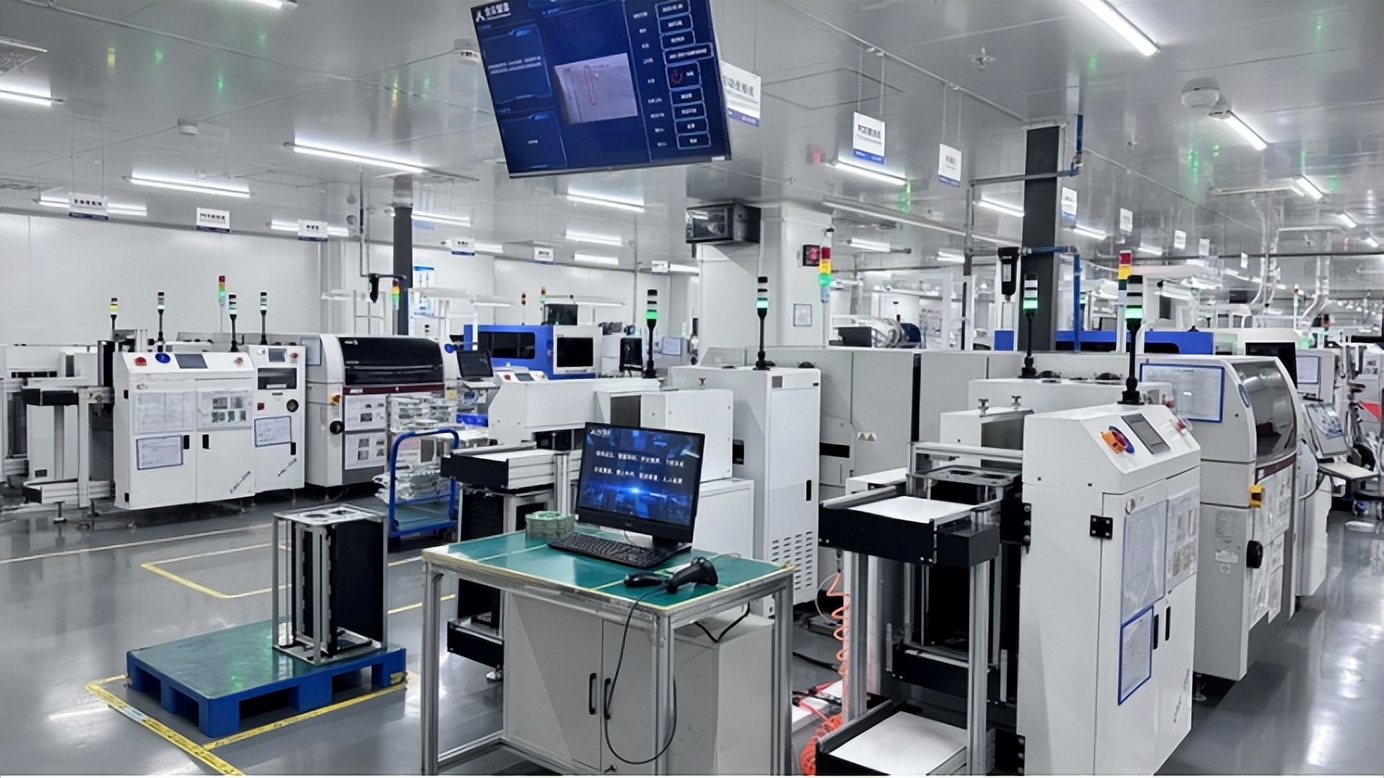
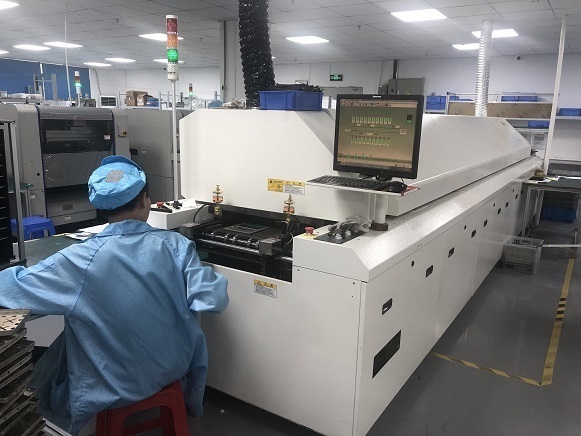
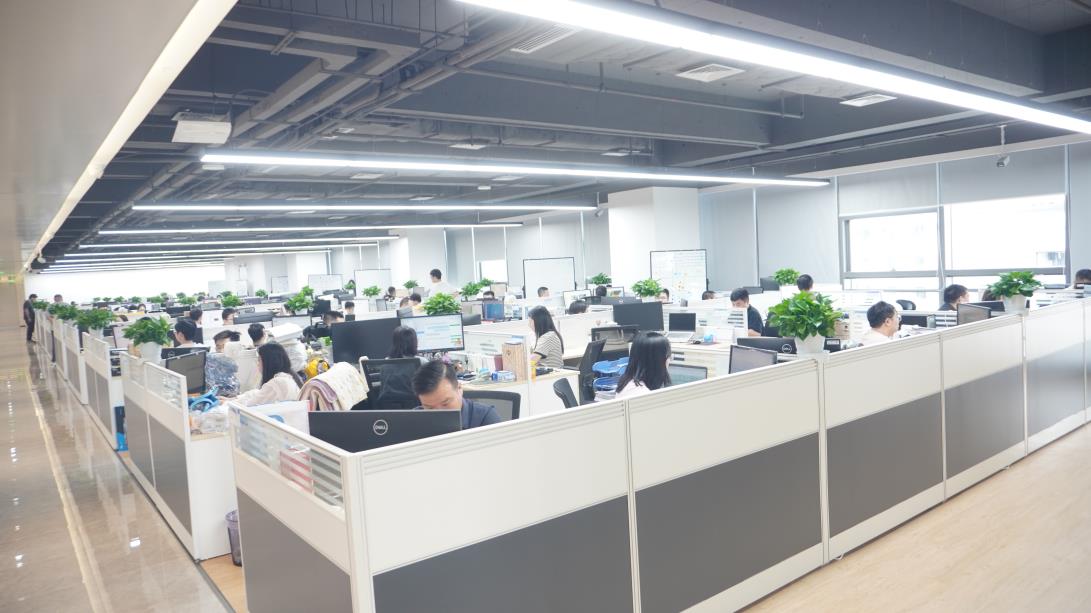
Deploying robust, ganged SFP/SFP+ mechanical interfaces across critical infrastructure fields.
Petroleum Development Oman (PDO) pipelines utilize high-density fiber networks to feed telemetry data back to Muscat control hubs. Our press-fit, EMI-shielded single and ganged cages ensure signal preservation under harsh field conditions.
With major subsea cables linking Salalah to Europe, East Africa, and Asia, landing station switches demand maximum density. 1x8 ganged port cages enable compact PCB layout designs with low insertion-force tolerances.
Automated port logistics networks require robust Ethernet hubs operating 24/7. Cages optimized with integrated heatsinks prevent thermal failure, securing uninterrupted freight transit operations.
Modern networking demands are pushing speed thresholds from 10G/25G per channel up to 50G and 112G PAM4. As a result, ganged cage designs must adapt to limit cross-port coupling noise and insertion loss.
Transolix's development roadmap focuses on these critical paths:
Select the correct mechanical footprint and thermal interface style based on your system requirements:
| Port Configuration | Mounting Style | Thermal Management | Best Application |
|---|---|---|---|
| Single Port (1x1) | THT / Solder | Optional Standard Heatsink | Edge Routers, Oil Field Scada |
| 1x2 / 1x4 Ports | Press-fit / THT | Integrated Fin Heatsink | Enterprise Switches, Access Nodes |
| 1x6 / 1x8 Ports | Press-fit Compliant Pins | High-Airflow Fin Heatsink | Muscat Data Center Aggregators |
Detailed technical answers for infrastructure designers and procurement professionals sourcing hardware for Oman.
Press-fit (compliant pin) cages allow solderless mechanical application to the PCB, eliminating thermal stress during assembly and making field repairs easier. Through-Hole (THT) solder cages offer robust mechanical anchoring, which can be advantageous in high-vibration industrial environments. Both configurations support high-speed data rates up to 10Gbps+ SFP+ specs.
Our cages feature spring-loaded contact points that hold active transceivers flush against aluminum or copper heatsinks. This design lowers thermal resistance pathing, reducing transceiver case temperatures by 5°C to 12°C compared to cage designs without heatsinks. This cooling capability helps prevent link dropouts in uncooled telecom enclosures.
Yes. Our cages are engineered to match industry-standard footprints, including TE Connectivity and Amphenol equivalents (such as the U77 and 217 series). This ensures they can serve as drop-in replacements on existing PCBs without requiring redesigns of traces or contact pads.
The cage body is stamped from high-strength copper alloy and plated with a nickel underplate, followed by a matte-tin finish. This plating system provides reliable corrosion resistance against moisture and salt-fog environments in coastal industrial zones like Sohar and Duqm.
Contact our technical sales team for comprehensive drawings, 3D CAD files, and sample requests. We offer tailored OEM/ODM support for local compliance specifications.
Request Engineering Samples Now Transolix