Optimized interconnect interfaces designed to meet the immediate capacity expansion needs of Philippines metro telecom hubs and edge cloud facilities.
The Philippines is witnessing an unprecedented transformation in its digital ecosystem. Propelled by the rapid rise of local digital services, remote workforce consolidation, and a strategic geographic position in Southeast Asia, major international cloud operators are establishing hyperscale data centers across key hubs like Metro Manila, Cavite, Laguna, and Cebu. Leading local telecommunications providers, including PLDT, Globe Telecom, and Dito Telecommunity, are aggressively upgrading their fiber-to-the-home (FTTH) networks and deploying comprehensive 5G standalone (SA) infrastructure.
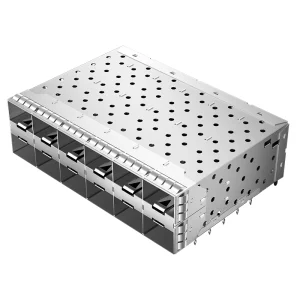
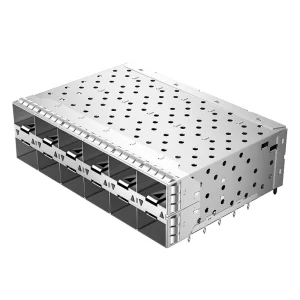
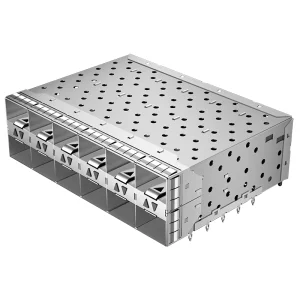
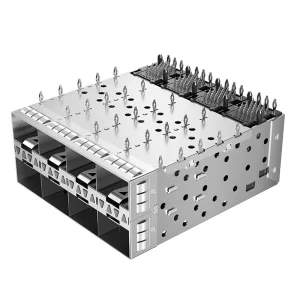
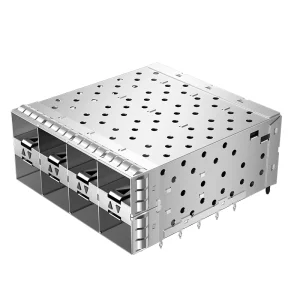
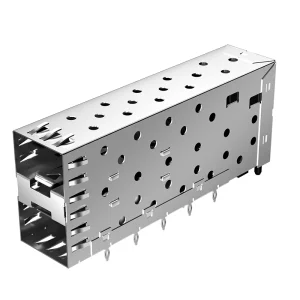
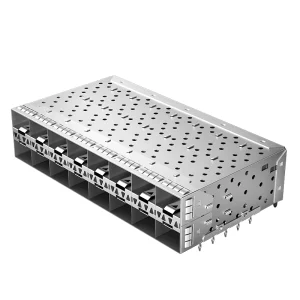
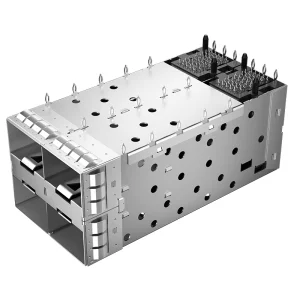
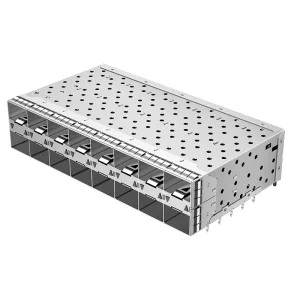
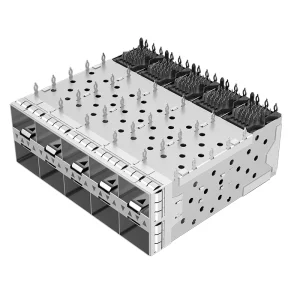
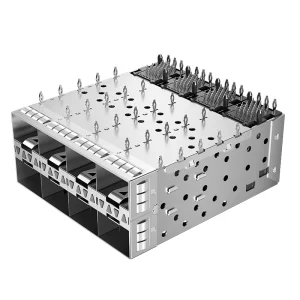
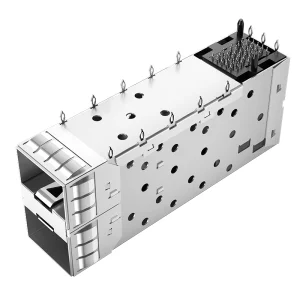
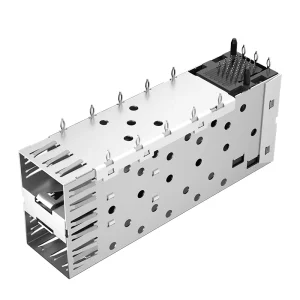
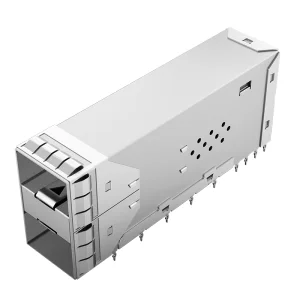
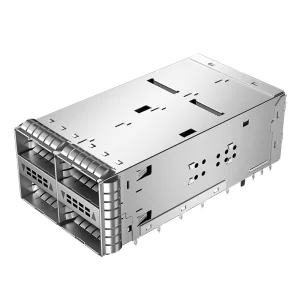
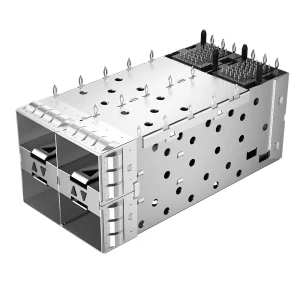
To support this high-bandwidth framework, network infrastructure engineers must deploy hardware that optimizes space, increases port density, and maintains flawless signal integrity. This is where 2xN Stacked SFP+ and SFP28 Cages play a critical role. By stacking ports vertically (e.g., 2x1, 2x2, 2x4, 2x6, 2x8), network equipment manufacturers can double the external interface bandwidth on standard 1RU switch and router faceplates, bypassing the physical limitations of single-row horizontal cages.
Providing the physical high-speed interconnect interfaces required for high-density leaf-spine network switch ports in Metro Manila.
Ideal for space-constrained outdoor cabinets and cellular base station routers where ambient heat and dust demand robust metal EMI shielding.
Helping local financial institutions in Makati and BGC transition legacy data systems to next-generation high-speed SFP28 (25Gbps) fabrics.
Implementing 2xN (Stacked Ports) in modern networks requires resolving three major physical challenges: electromagnetic interference (EMI), thermal management, and mechanical installation reliability.
As transmission frequencies rise from SFP+ (10Gbps) to SFP28 (25Gbps) and zSFP+ architectures, high-frequency electromagnetic leakage increases exponentially. To prevent packet loss, cross-talk, and signal degradation, our stacked cages feature integrated EMI shielding fingers and elastomeric gaskets. The outer press-fit pins establish a low-impedance ground connection directly to the PCB, ensuring superior Faraday cage performance around each individual port.
In high-density configurations, heat dissipation becomes critical. The stacked 2xN architecture isolates the bottom port from direct convective airflow. Our design addresses this issue by integrating custom-molded, multi-path light pipes and thermal interface extensions. The integrated light pipes are structurally isolated from the electrical contact pathways, ensuring diagnostic LEDs are visible on the front panel without creating physical thermal blocks within the cage.
Solder-free press-fit technology simplifies manufacturing and prevents thermal stress on multi-layer PCBs (often 12-24 layers in modern switches). The press-fit contacts must have precise elasticity to survive insertion force limits while offering high retention force to withstand repeated optical transceiver insertions and extractions in high-vibration environments.
For procurement officers in the Philippines, sourcing high-performance interconnect components entails navigating international trade compliance, technical compatibility risks, and lead-time constraints. Transolix bridges this gap by offering high-precision OEM/ODM equivalents that directly replace TE Connectivity, Molex, Amphenol, and Pulse Electronics configurations.
Transolix is a professional optical transceiver and interconnect manufacturer specializing in high-performance fiber optic communication solutions for global data centers, telecom operators, and enterprise networks. With robust engineering capabilities and scalable production capacity, Transolix is committed to delivering reliable, high-speed, and cost-effective optical connectivity products worldwide.

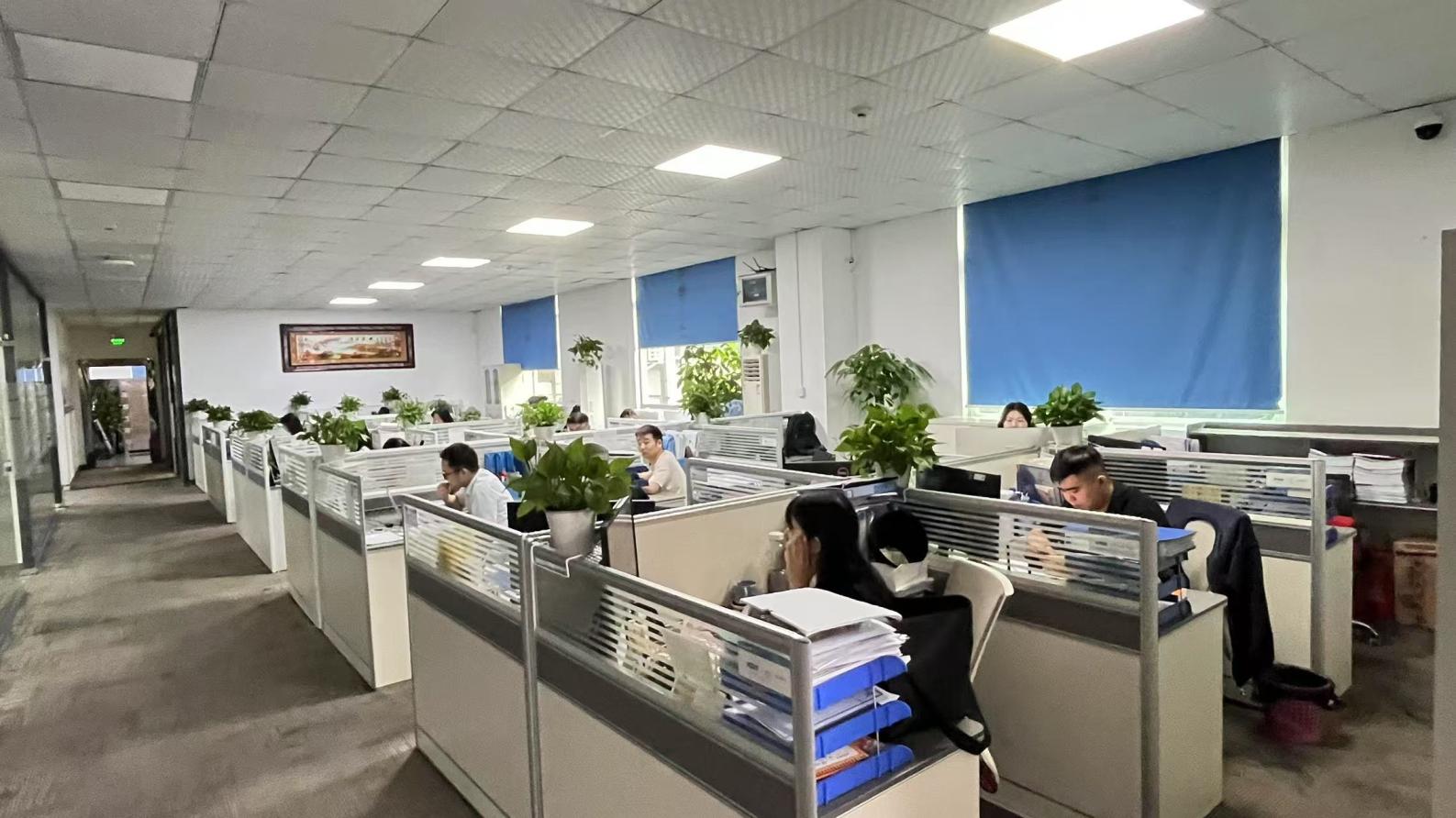
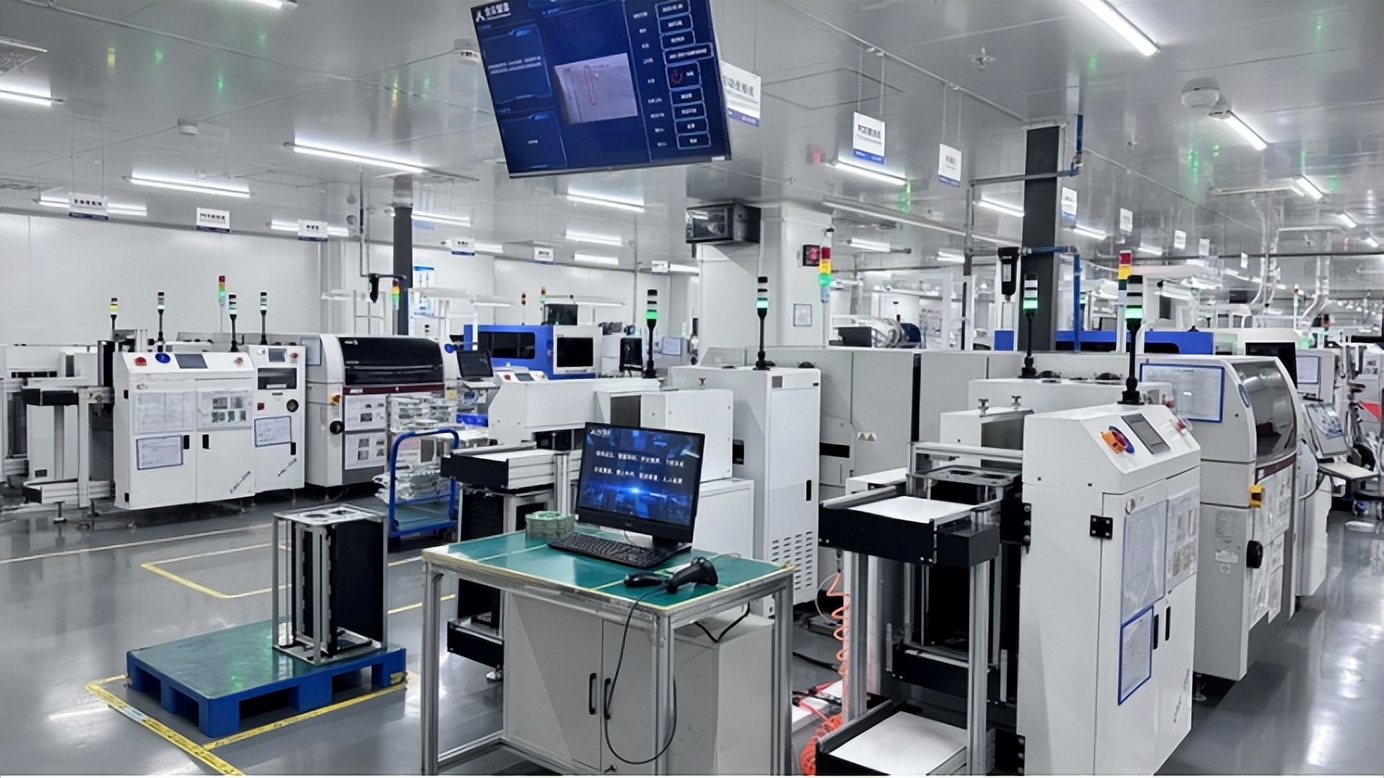
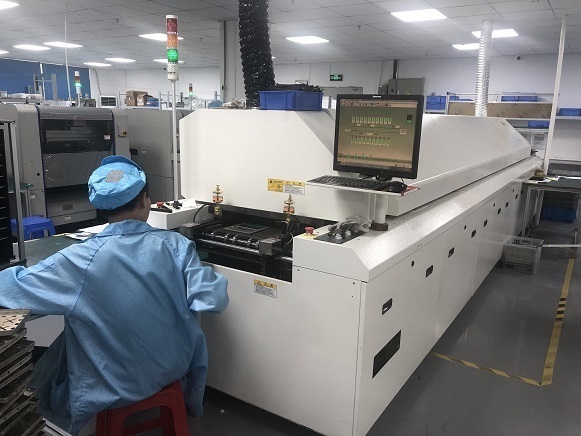
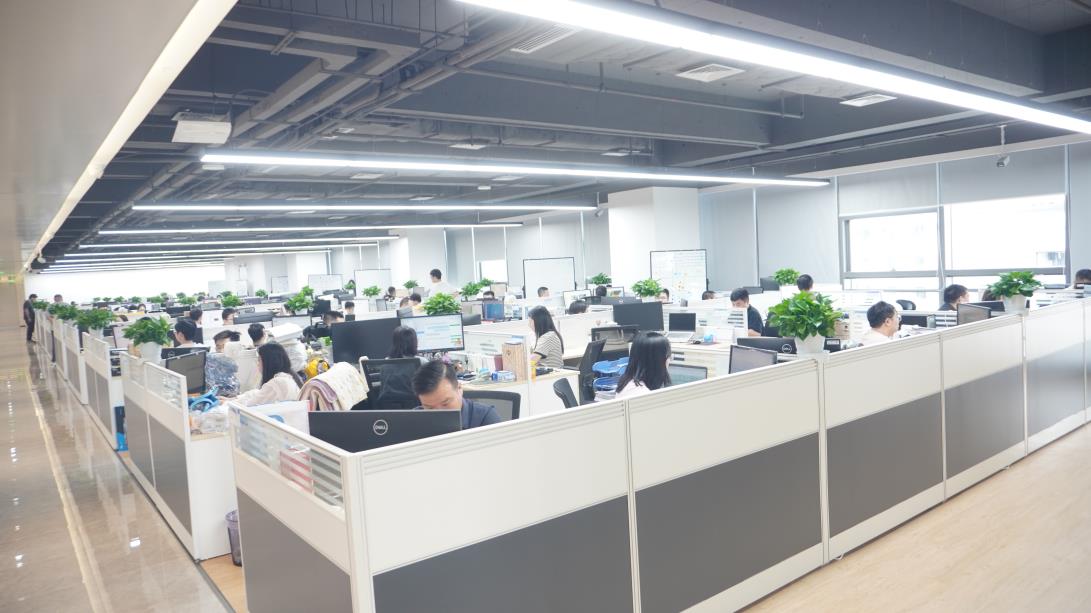
As the Philippines continues its nationwide infrastructure push, system integrators often face compatibility bottlenecks. Our stacked 2xN connector series acts as a plug-and-play drop-in replacement for mainstream high-speed switch backplanes. This enables network operators in Makati, Pasig, and Quezon City to optimize legacy switches without redesigning the entire system architecture.
Our global engineering team provides comprehensive localized design support, ensuring all products comply with telecom industry benchmarks (including RoHS, REACH, UL 94V-0 flammability ratings, and Telcordia GR-1217-CORE standards). We maintain direct-to-enterprise shipping lines to the Port of Manila and major logistics hubs, bypassing intermediary supply bottlenecks to guarantee on-time delivery for complex network deployments.
With data requirements shifting from 10G to 25G and 50G per channel, signal attenuation poses a key challenge. Our zSFP+ compatible stacked cages feature enhanced ground planes and revised internal pin layouts. This design mitigates resonant frequencies, ensuring a smooth transition to higher-frequency protocols without requiring structural mechanical alterations on the PCB.
High humidity and ambient salinity near coastal Philippine data centers can accelerate the oxidation of standard tin-plated copper contacts. Transolix uses high-performance nickel and gold-plated copper alloys for all EMI fingers and grounding pins. This design resists corrosion, maintaining low ground resistance even under continuous operation in high-temperature, high-humidity environments.
Clear, technical answers to common queries regarding design, thermal performance, and compliance for system engineers in the Philippines.
Our cages are designed to be fully compatible with major industry standards, serving as drop-in replacements for TE Connectivity, Molex, and Amphenol part numbers. Their footprints, pin spacing, and physical outer dimensions align precisely with standard multi-layer PCB design rules, allowing engineers to replace components without modifying the circuit board layout.
We integrate multi-port thermal vent paths and optional thermal interface pads that channel heat away from the optical transceivers. Combined with high-grade copper alloys that optimize thermal conductivity, our stacked cages maintain reliable performance in environments with high ambient temperatures, preventing optical module shut-offs caused by thermal overload.
Press-fit installation uses compliant pin shapes (often called "Eye-of-the-Needle") to establish gas-tight electrical connections without requiring high-temperature soldering. This protects thick, high-layer-count communications PCBs from thermal shock, avoids cold solder joints, and simplifies component replacement during maintenance or upgrades.
Yes. Transolix ensures that all components, including plastic housings, metal cages, light pipes, and conductive gaskets, are fully compliant with RoHS and REACH regulations. We also offer flame retardant ratings (UL 94V-0) to meet the safety requirements of modern data centers and telecom operators.
Explore our full line of stacked SFP, SFP+, zSFP+, and zQSFP+ cages, engineered to deliver high port density and signal integrity.
Whether you require modifications in mechanical pin layouts, customized light pipes, enhanced EMI grounding fingers, or direct shipments to Manila/Cebu, our engineering team is here to support you.
Send Inquiry Now Transolix