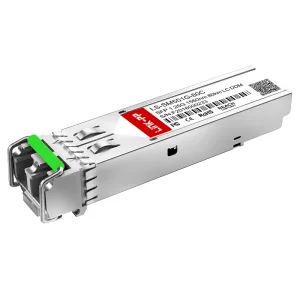
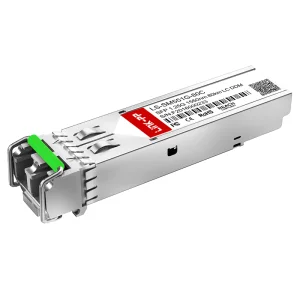
Engineered for high density, optimal thermals, and backward compatibility in 2xN stacked switch frameworks.
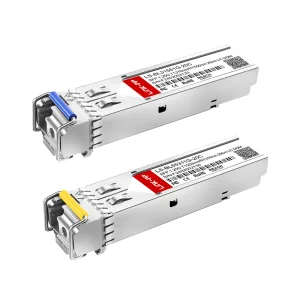
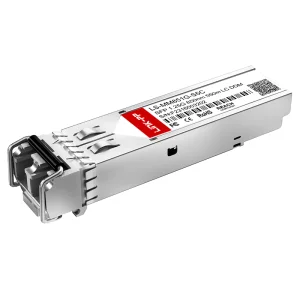
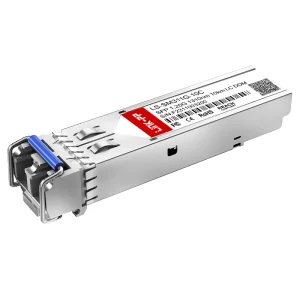
As Southern Africa experiences rapid digital transition, major metropolitan centers like Johannesburg, Cape Town, and Durban are driving substantial infrastructure updates. Fiber-to-the-Home (FTTH) and Fiber-to-the-Business (FTTB) models deployed by regional networks such as Vumatel, Openserve, MetroFibre, and Octotel demand optical network architectures that are highly optimized for space, thermals, and power.
Operating optical network systems in South Africa requires understanding localized physical constraints. Load-shedding and power fluctuations put severe strain on distributed switching installations, increasing operating temperatures and requiring hot-swappable, low-power-consumption SFP modules. In such environments, 1.25G SFP optical modules configured in 2xN stacked port switch systems maximize port density without overtaxing server cabinets or raising heat dissipation to unsafe levels.
Our 1.25G modules feature industrial-grade components designed to handle high-temperature and power-cycled conditions typical of outdoor enclosures in South Africa.
Equipped with real-time DOM diagnostics, engineers can monitor optical output power, temperature, bias current, and transceiver voltage remotely to minimize site visits.
In modern switching equipment, the mechanical configuration of the input/output ports defines the maximum bandwidth capacity per rack unit (RU). A 2xN stacked port configuration involves grouping RJ45 or optical cages vertically and horizontally (e.g., 2x4, 2x8, or 2x12 cages).
This layout offers double the density of a single row of ports in the same horizontal footprint, making it ideal for edge networks and high-density telecom cabinets. For network administrators managing dense optical setups in Cape Town or Johannesburg's financial hubs, adopting stacked ports yields several benefits:
By combining high-density 2xN stacked cages with Transolix's low-power SFP transceivers, operators can lower overall thermal loads. This is particularly valuable for containerized edge data centers and remote base stations where active cooling systems operate under strict power limits.
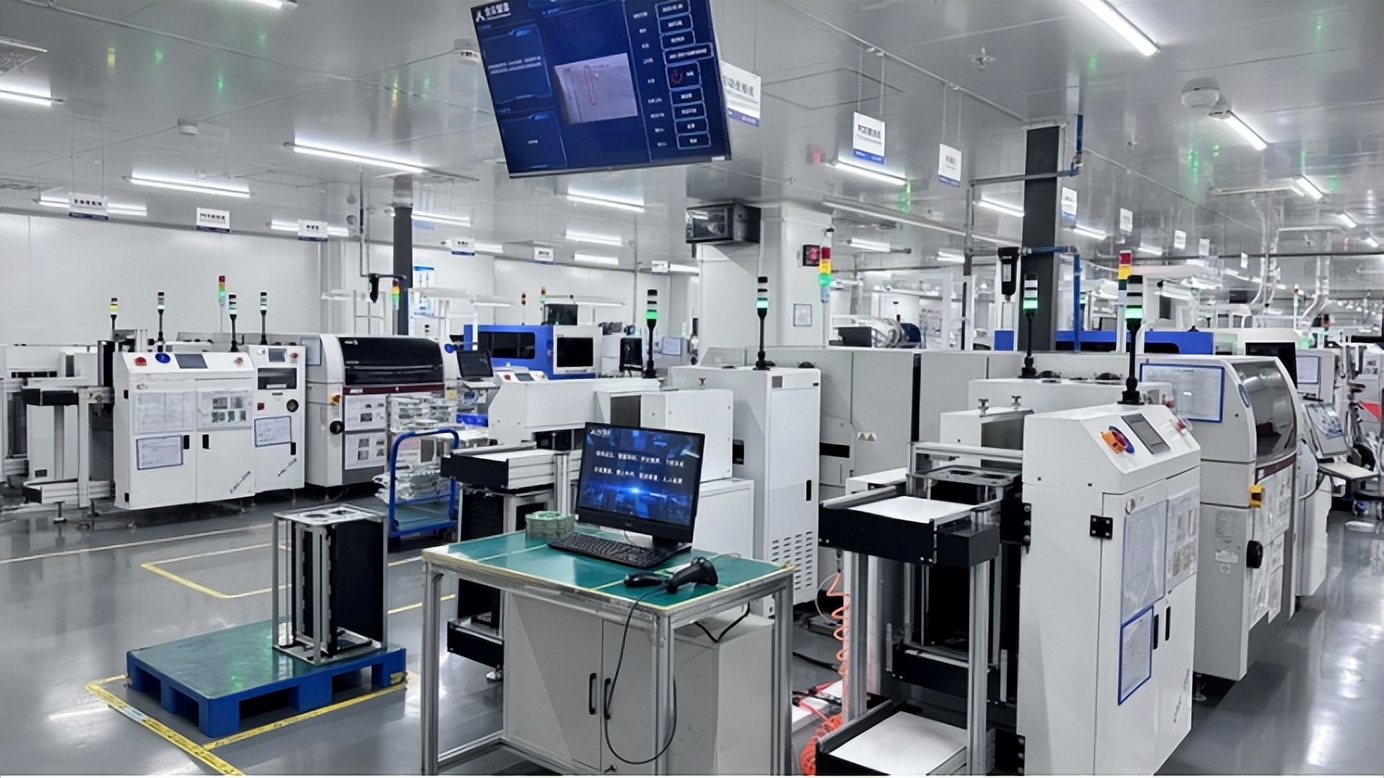
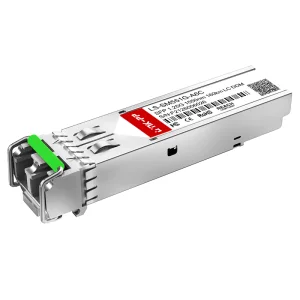
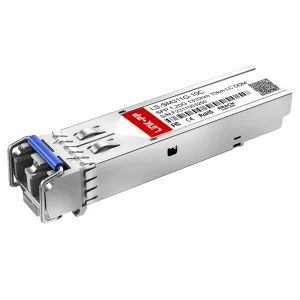
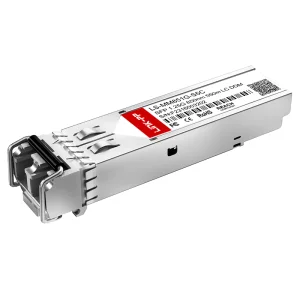
Figure 1: High-density stacked optical transceiver port layout optimized for space-constrained telecom rack deployment.
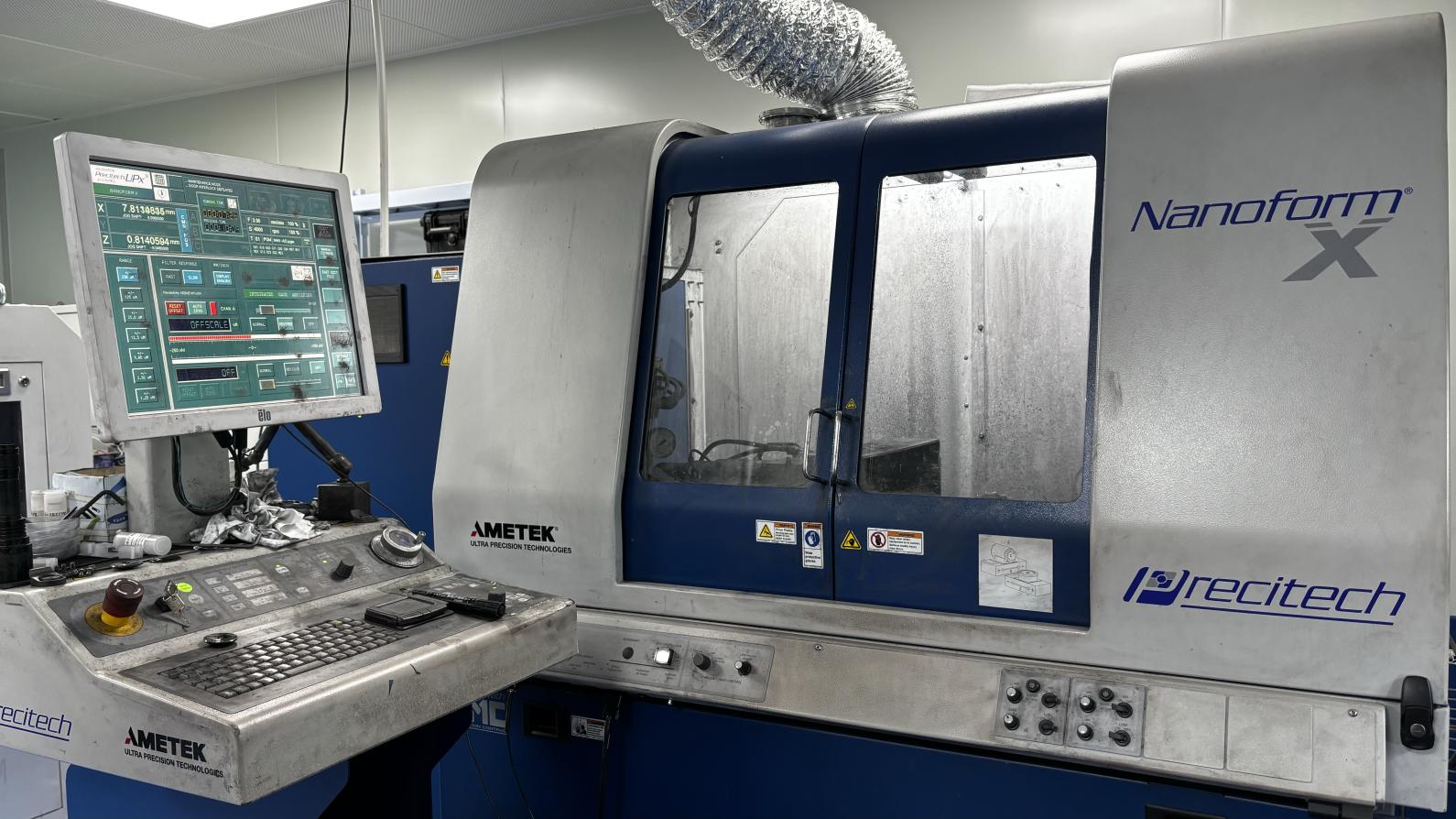
Figure 2: Automated manufacturing processes ensure high-yield optical transceiver alignment and consistency.
In the globalized B2B technology ecosystem, supply chain resilience is a critical factor for network deployment timelines. Our **Factory 4.0** production systems minimize delivery timelines to South Africa through automated scheduling, automated optical testing, and strategic supplier relationships.
Integrating precision hardware manufacturing with automated processes offers clear operational advantages:
This integrated manufacturing setup enables Transolix to support telecom networks, system integrators, and distributors across South Africa with consistent, high-yield product supply.
A professional optical transceiver manufacturer specializing in high-performance fiber optic communication solutions for global networks.
Transolix specializes in the R&D and production of advanced optical communication systems. Operating from our specialized design facilities, we supply high-reliability transceivers to cloud data centers, telecommunications carriers, and system integrators worldwide.
Our core focus is providing cost-effective, high-performance network components. We support customizable features including wavelength selection, transmission distances (from short-range multi-mode to long-haul 160km single-mode configurations), firmware customization, and compatibility matching.
Our production cleanrooms utilize robotic optical alignment systems and automated testing setups. This highly controlled environment allows us to scale production efficiently while maintaining strict compliance with international quality standards.


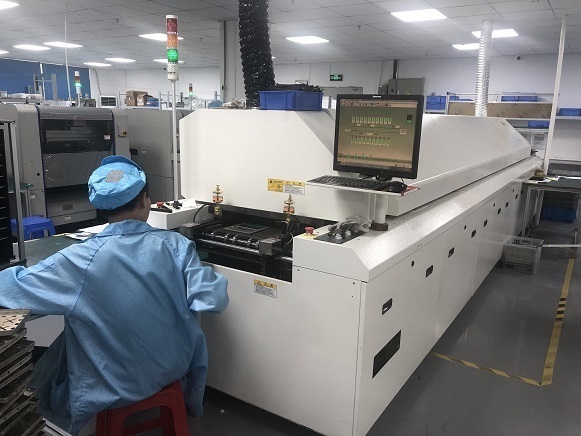

Engineered for full compatibility with South African network infrastructure standards and hardware vendor configurations.
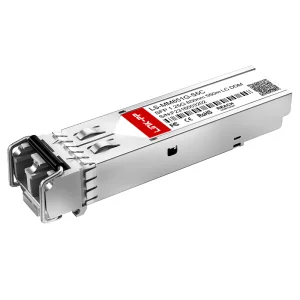
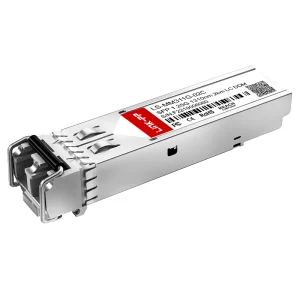
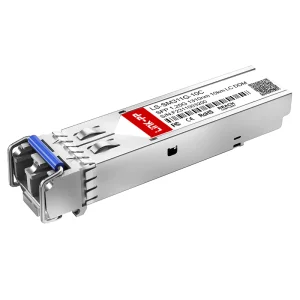
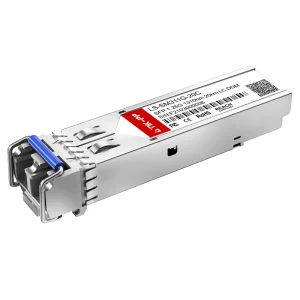
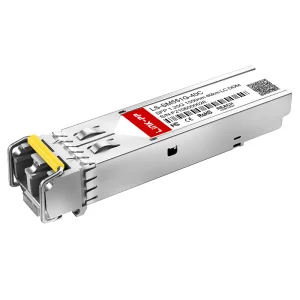
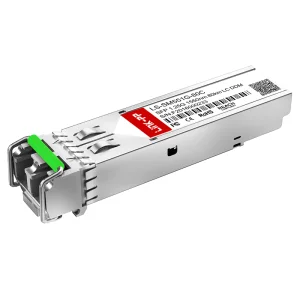
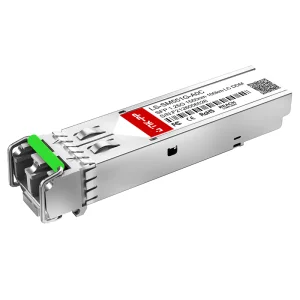
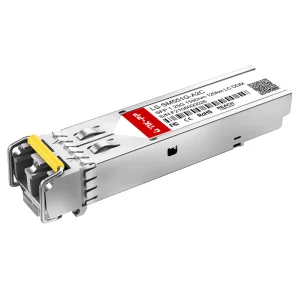
Expert guidance on matching 1.25G SFP transceivers and 2xN stacked architecture with regional network protocols.
 Transolix