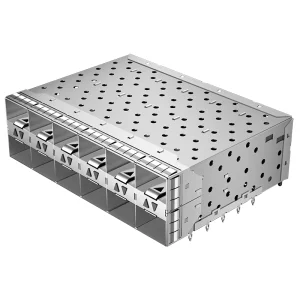
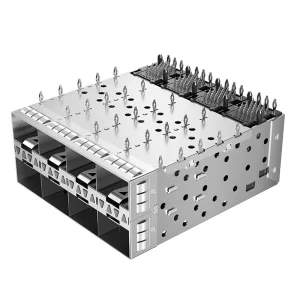
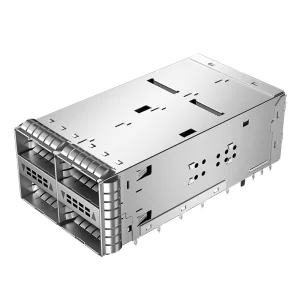
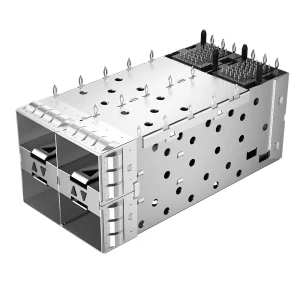
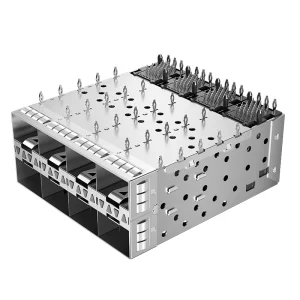
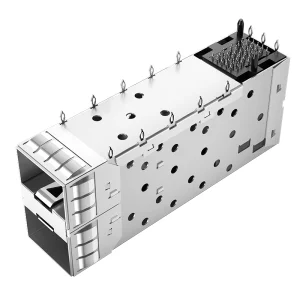
Engineered to meet the precise requirements of high-frequency telecommunication switches, enterprise edge deployments, and edge servers operating within the UK region.
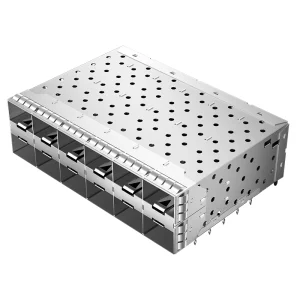
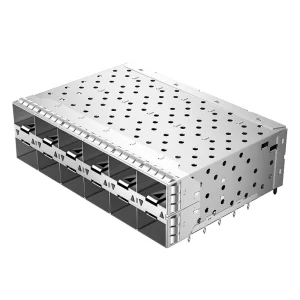
The telecommunications infrastructure of the United Kingdom is undergoing an aggressive transition. Propelled by hyper-scale data center investments in Slough, the M4 Corridor, and London, infrastructure engineers are constantly facing the physical constraints of rack space and heat load. The 2xN stacked port architecture (including SFP+, SFP28, and zSFP+ variants) addresses these spatial challenges by doubling the faceplate port density without altering the standard unit space (1RU) parameters on networking switchboards.
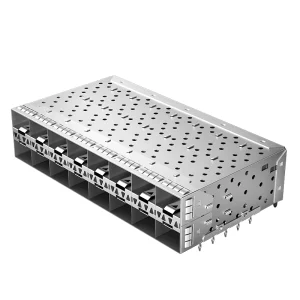
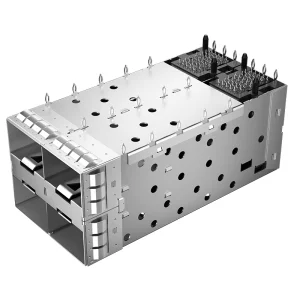
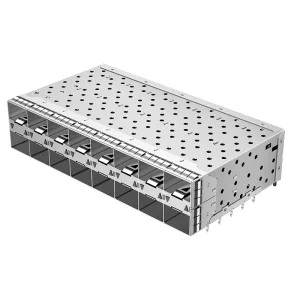
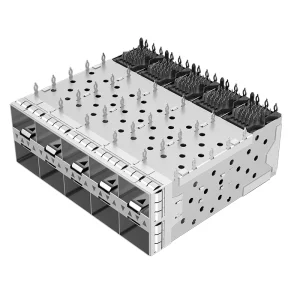
For instance, when utilizing standard 1xN single-row cages, a typical 1RU network switch panel can only support up to 24 ports comfortably due to spacing regulations and mechanical tolerances. Stacking the configuration into a 2xN arrangement (e.g., 2x4, 2x6, or 2x8) allows developers to array 48 high-performance ports within the identical space profile. This 100% density enhancement is crucial for processing massive multi-gigabit data streams across financial processing networks in the City of London and key co-location facilities nationally.
Unlike general consumer interconnect components, enterprise infrastructure products delivered to British and European companies must meet stringent regulatory frameworks. Following Brexit, products imported to the United Kingdom require compliance with the UKCA (UK Conformity Assessed) standards, alongside the CE directive. The compliance profiles demand rigorous validation of EMI integrity, RoHS (Restriction of Hazardous Substances), and lead-free mechanical engineering processes.
In modern 25G and high-frequency 56G networks, electromagnetic radiation (EMI) leakage acts as the primary bottleneck for data integrity. The high-speed transmission leads to resonance at high frequencies, which can disrupt neighboring circuits and degrade signal-to-noise ratios. Transolix stacked cages combat this through structured multi-point grounding tabs, elastomer gaskets, and solid press-fit compliant pin designs. These engineering designs establish robust, low-resistance connections to the PCB ground plane, containing radiated emissions within the cage structure.
A specialized subset of our high-density interface portfolio, supporting diverse footprints from industry-standard vendors like Molex and TE Connectivity.
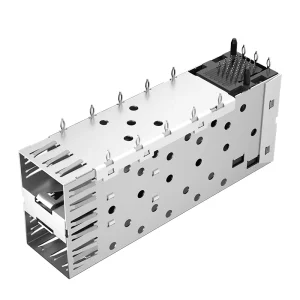
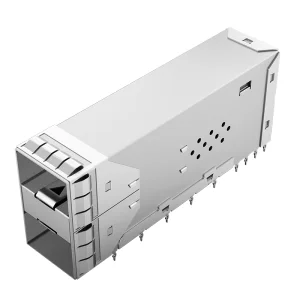
When utilizing stacked 2xN connectors, physical properties demand critical review. As high-speed signals move through the copper interface, differential insertion loss, return loss, and crosstalk scale rapidly. Our 2xN cages leverage optimized internal spatial footprints and precision-stamped contacts to guarantee impedance matching within 100 ohms ± 10%. This prevents signal reflection at data transition rates reaching 28 Gbps per channel.
Additionally, stacking ports creates a concentrated heat pocket. High-density multi-channel configurations can generate substantial operational heat when populated with active optical modules. To mitigate this thermal challenge, Transolix integrates highly efficient copper alloy thermal spring structures and custom venting pathways. Dual-row integrated light pipes enable real-time port activity visualization while bypassing the core heat paths, ensuring signal continuity even at extended operating temperatures of up to 85°C.
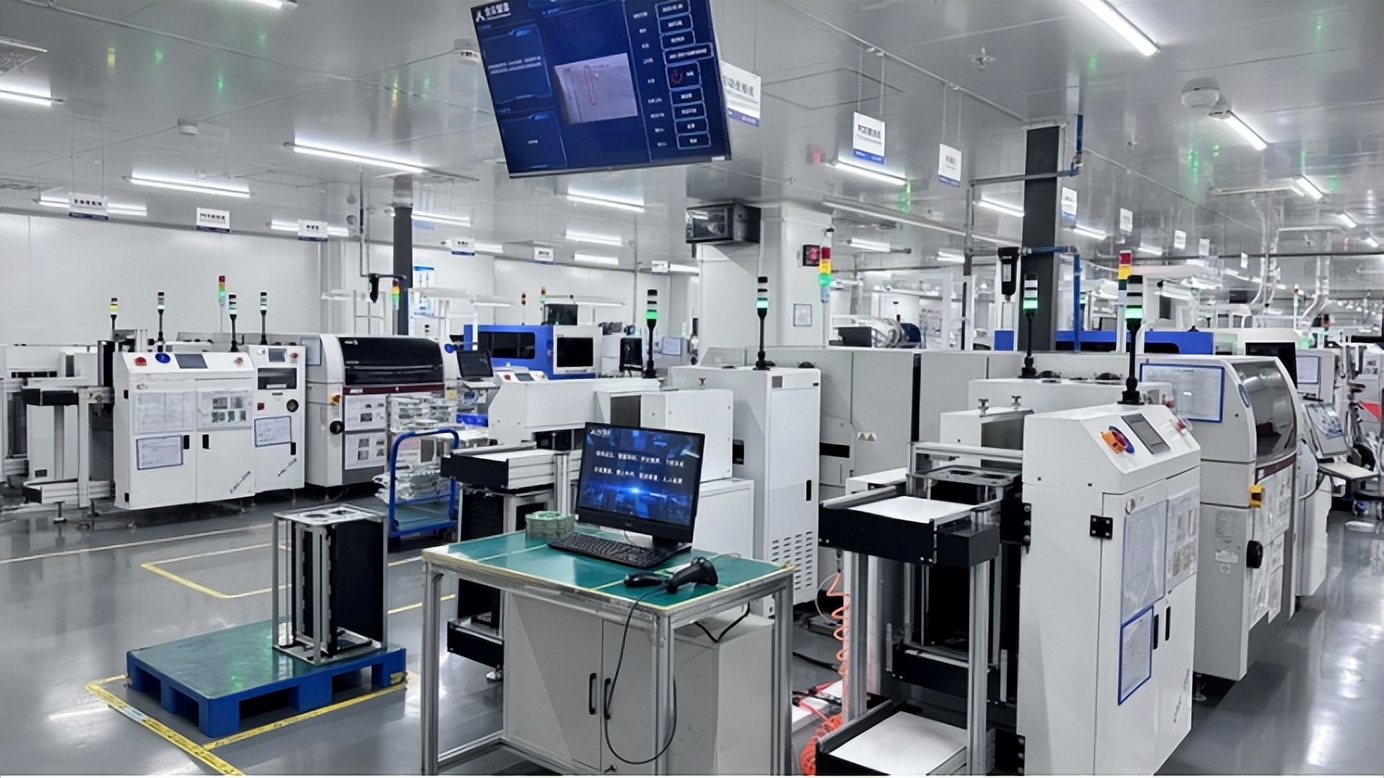
Transolix is a specialized optical transceiver manufacturer and high-density connector supplier, driving fiber optic communication excellence globally.
Founded in 2016, Transolix operates high-precision engineering facilities engineered for high-frequency testing, product validation, and custom optical interconnect production. With over a decade of deep domain experience, we specialize in high-speed optical design, signal integrity optimization, and multi-protocol module integration. We serve global telecom operators, hyperscale cloud service providers, and OEM/ODM systems integrators.
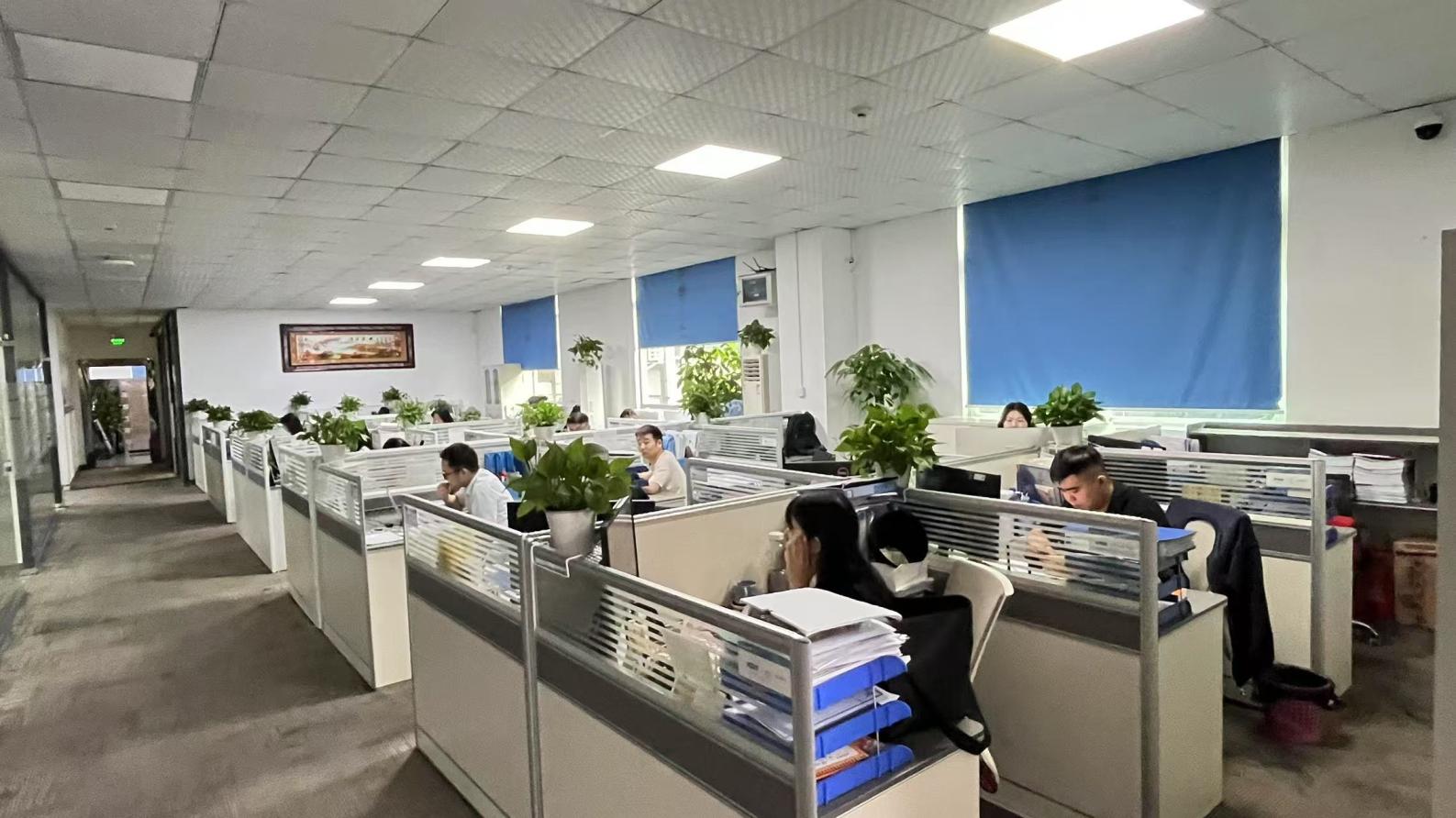
Transolix implements a rigorous multi-stage quality control structure. All products undergo automated optical testing, eye diagram analysis, environmental thermal aging, and 100% final performance verification. Our internal testing framework aligns with ISO 9001 certification. With a dedicated QC staff of 42 certified professionals, we guarantee zero-defect shipments.

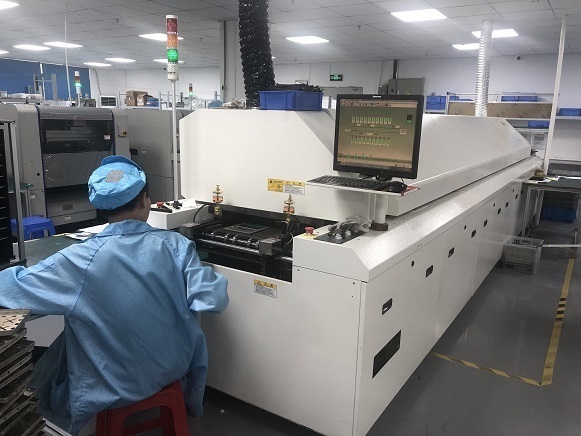

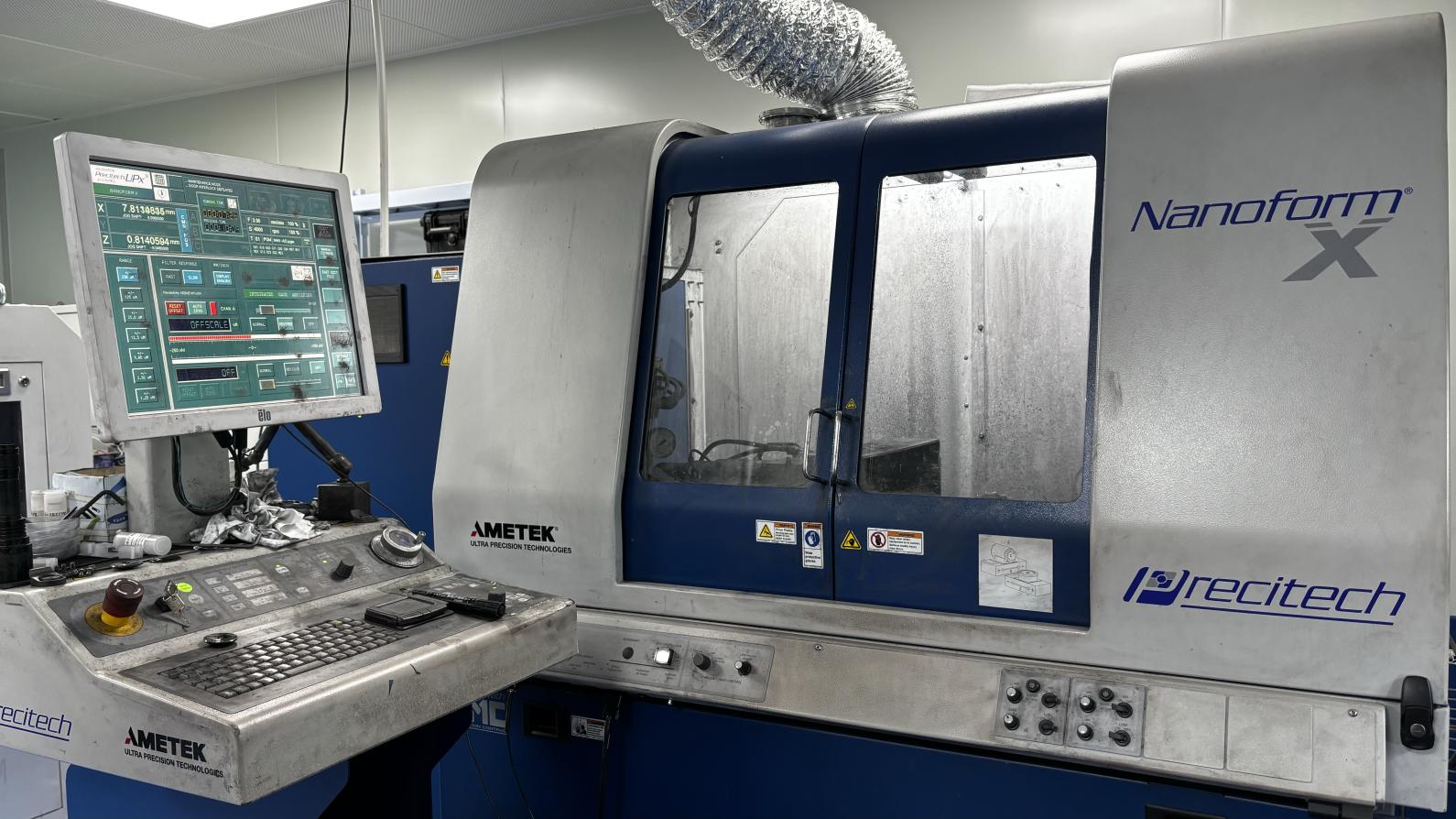
Essential mechanical and electromagnetic considerations for systems architects design-in SFP, SFP+, and SFP28 high-density connectors.
Explore our range of 2x2, 2x4, and 2x8 stacked SFP and SFP+ cages, designed for reliable high-speed data transmission.
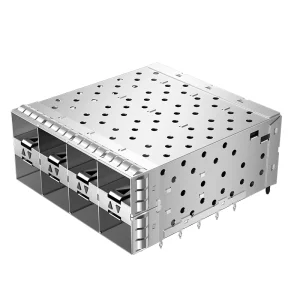
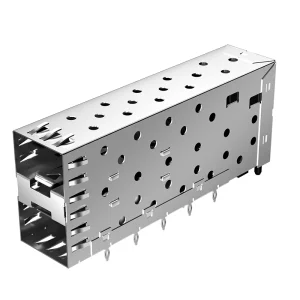
Get in touch with our engineering team for customized pin configurations, thermal simulation models, and bulk pricing terms for UK and European projects.
 Transolix