Engineered to ensure zero-packet-loss, minimal crosstalk, and optimal heat management in high-frequency networking environments.
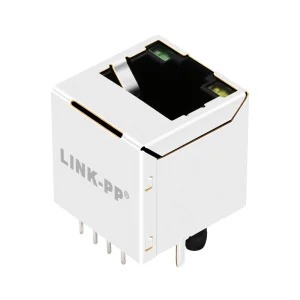
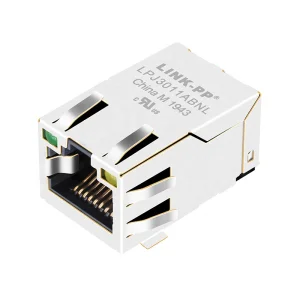
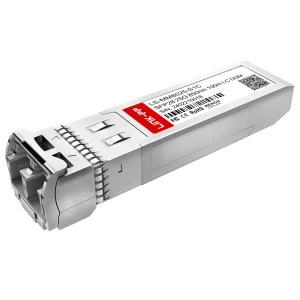
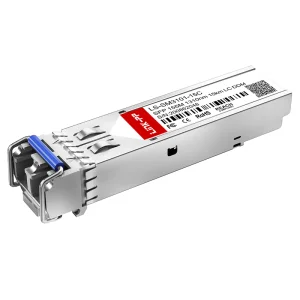
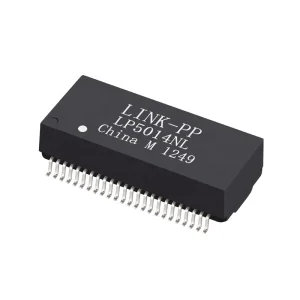
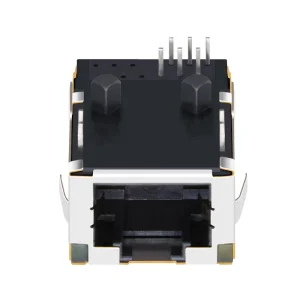
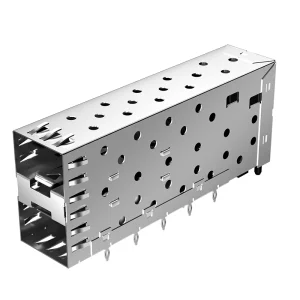
Modern telecommunications, edge data centers, and advanced manufacturing platforms operate in environments where high-speed physical layers are non-negotiable. At the heart of this deployment lies the Ethernet Port Connector. Originally designed for simple desktop networks, the humble RJ45 modular jack and SFP enclosure systems have evolved into sophisticated components capable of handling high bandwidth, massive Power over Ethernet (PoE) current loads, and harsh electro-magnetic interference (EMI).
The rise of artificial intelligence, high-frequency algorithmic trading, and cloud computing requires minimal latency. Optical transceivers, copper cages, and patch bay connectors must handle speeds ranging from 10Gbps to 400Gbps. Shielding degradation or micro-corrosion of pin plating can cause severe packet loss, creating critical latency issues across servers.
Factory floors are notorious for high ambient temperatures, oil mist, physical vibration, and heavy EMI caused by variable frequency drives and high-voltage motors. Connectors must adhere to strict industrial protection requirements. Features like integrated TVS diodes for surge protection and rigid mechanical compliance are paramount to prevent system failure.
Small cells and base stations require modular connectivity units that can survive wide outdoor temperature variations (-40°C to +85°C). Integrating copper RJ45 modular jacks with high-frequency SFP cages provides local engineers with flexible field-upgrade paths, lowering total cost of ownership (TCO) for telecom operators.
High-speed copper interfaces must continuously evolve to meet rising demands. The convergence of signal integrity requirements and structural engineering has triggered significant design trends:
Under Google's Search Quality Rater Guidelines, content addressing high-precision electronic manufacturing must exhibit true industry expertise. At Transolix, our engineering division does not simply assemble standard designs; we specialize in customized signal integrity simulations, cross-talk modeling (NEXT/FEXT), and thermal performance testing.
Our raw materials, from phosphor bronze base metal pins to high-temperature LCP housings, are fully traceable, satisfying RoHS, REACH, and UL 94 V-0 requirements to ensure absolute reliability in hazardous environments.
Procurement directors and hardware architects do not buy components solely based on price. They evaluate manufacturers based on a complex matrix of engineering competence, supply chain agility, and quality assurance workflows. Standard requirements include:
Minimizing insertion loss, return loss, and crosstalk across frequencies ranging from 100 MHz (Cat5e) to 500 MHz (Cat6a) and up to 25 GHz for SFP28 optical interfaces. Test reports utilizing network analyzers must be provided for every production run.
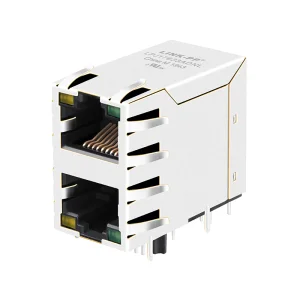
Precision is key for high-density multi-port configurations (such as 1x8, 2x1, or 2x8 stacked SFP cages). Tolerance variations above ±0.05mm can prevent transceivers from seating properly or lead to assembly failure on automated pick-and-place lines.
For smart energy grids and marine hardware, connectors must resist oxidation. This requires a nickel underplate of at least 50 micro-inches, followed by selective gold plating (up to 50u") on key contact mating points.
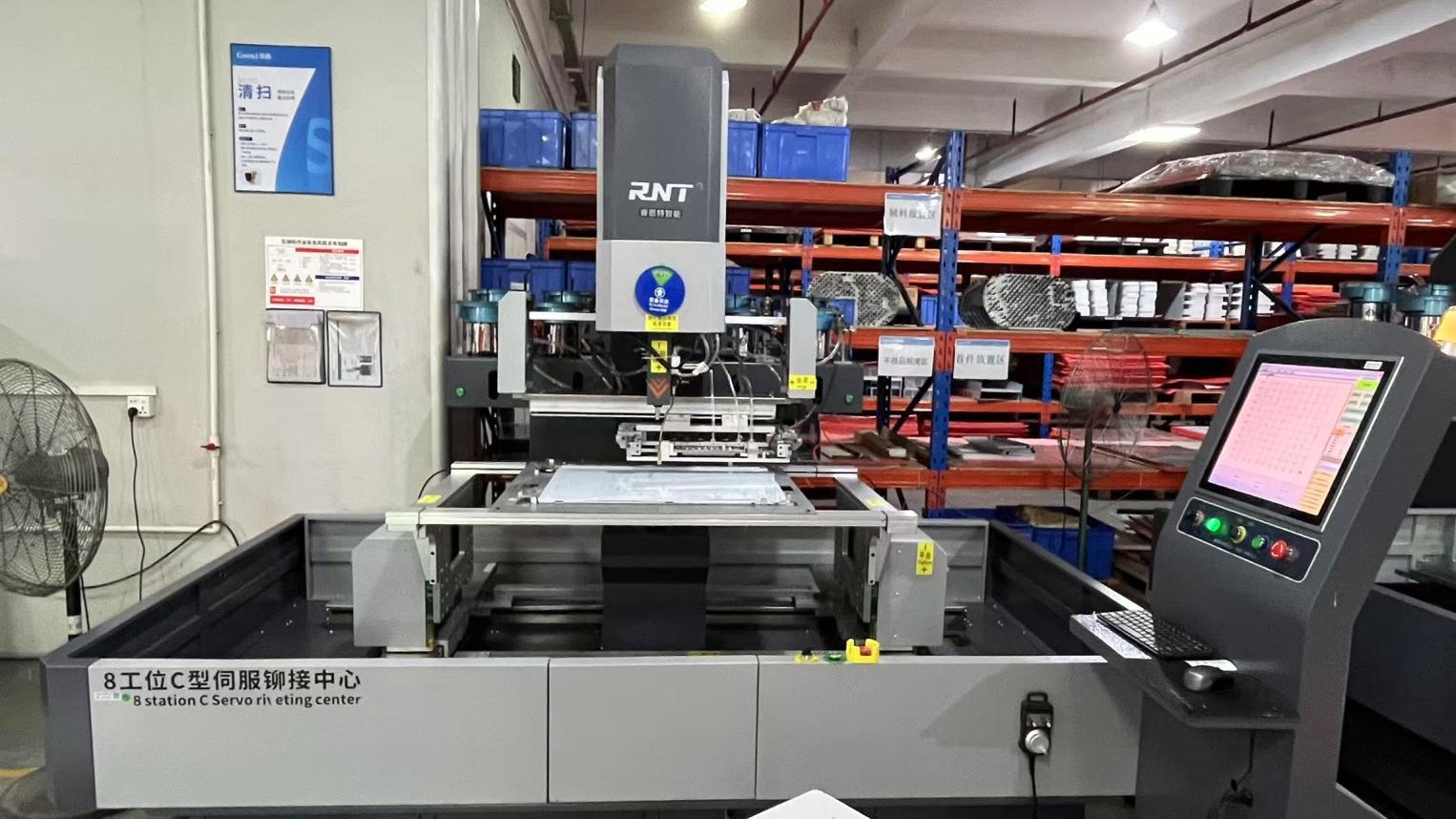

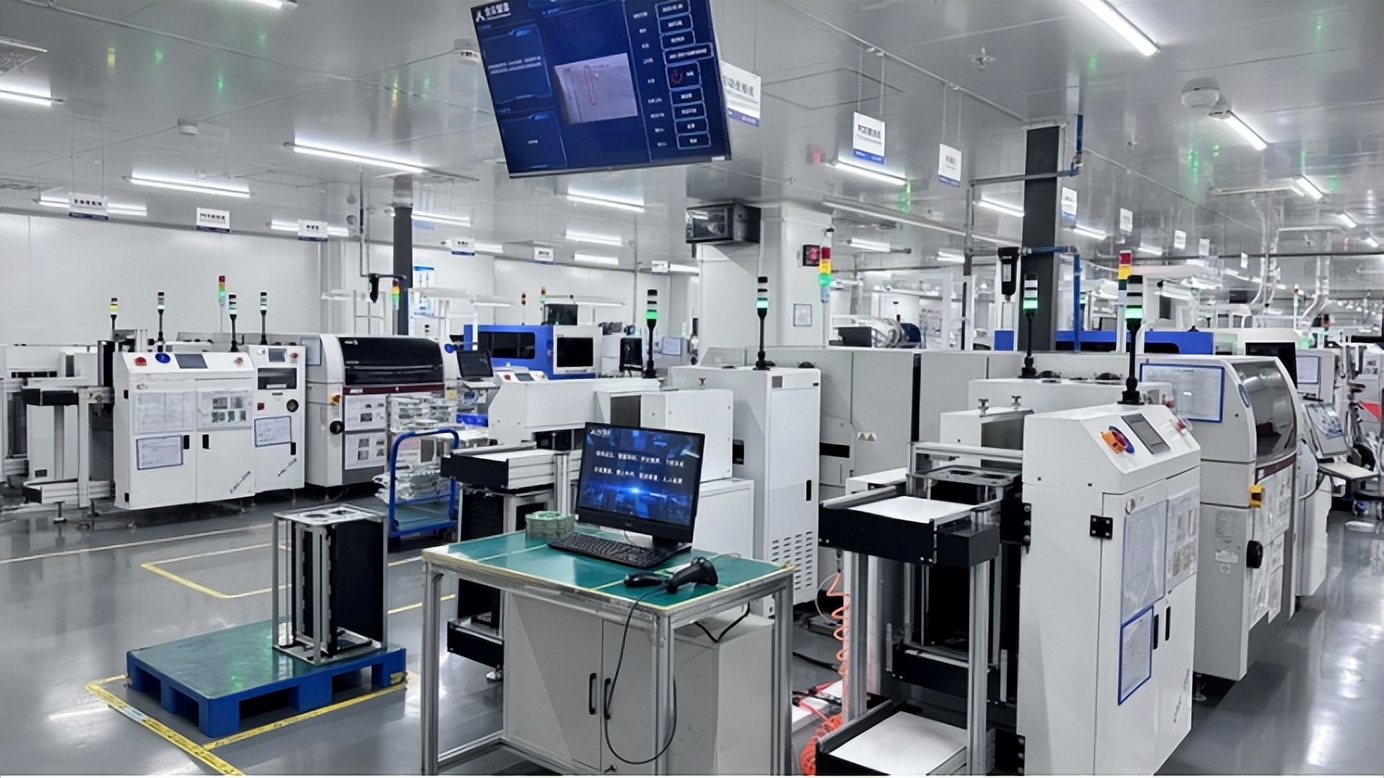
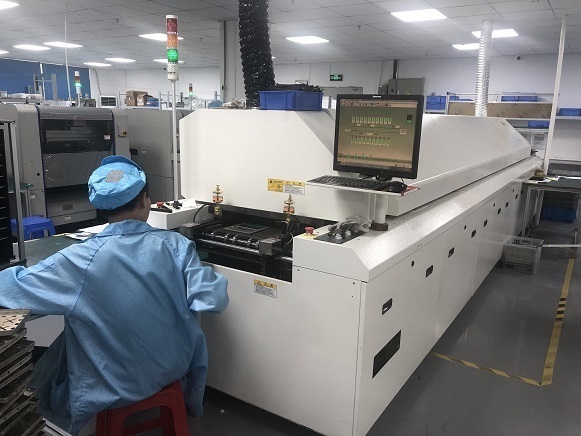

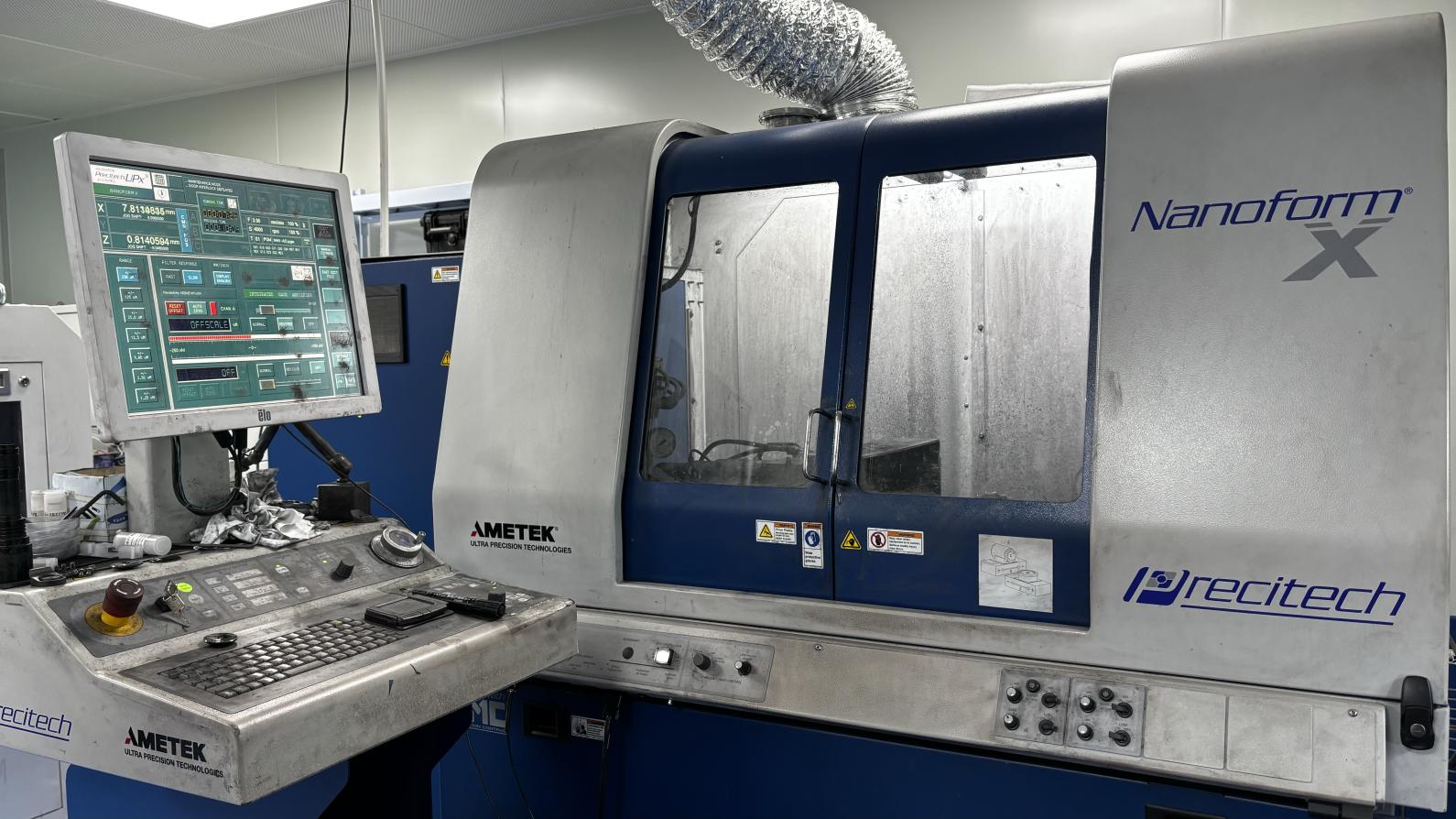
Choosing a manufacturing partner in China means securing the benefits of a highly integrated electronics ecosystem. At Transolix, we combine the regional supply chain density of the Pearl River Delta with our proprietary Factory 4.0 automation model:
Different industries present unique engineering demands. Below are examples of how our products address real-world deployment challenges:
Challenge: Power grid installations suffer from severe electrical noise, high voltage surges, and variable ambient temperatures.
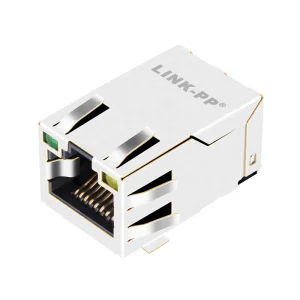
Solution: Implementing our TVS RJ45 Female Connectors (like the 1840456-1) provides robust ESD and transient voltage protection directly on the port, shielding downstream electronics from unexpected surges.
Challenge: Multi-terabit data switches generate massive heat, risking thermal shutdown or packet loss on optical links.
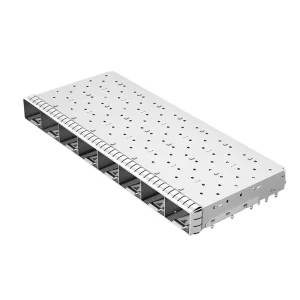
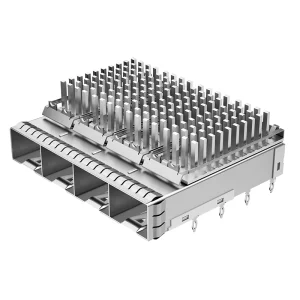
Solution: Our Press-Fit SFP+ Cages with integrated heat sinks maximize thermal dissipation, ensuring optical transceivers operate within optimal safe temperature ranges.
Challenge: Multi-axis robotic arms subject connectors to continuous, high-frequency mechanical vibration.
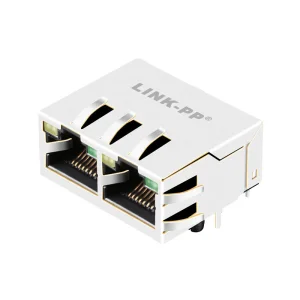
Solution: Utilizing our specialized SMT RJ45 Modular Jacks with robust mechanical solder pegs prevents solder joint fatigue and ensures continuous connectivity under heavy vibration.
Transolix is a professional optical transceiver manufacturer specializing in high-performance fiber optic communication solutions for global data centers, telecom operators, and enterprise networks. With strong engineering capabilities and scalable production capacity, Transolix is committed to delivering reliable, high-speed, and cost-effective optical connectivity products worldwide.
Our modern manufacturing facility serves as the foundation for our high-precision product lineup, enabling us to support complex customization requests for a global clientele.
Our engineering capabilities are supported by a rigorous quality control framework:
Providing clear, engineering-backed answers to critical questions faced by hardware design teams and sourcing managers.
Designed to support high-density configurations, direct-attach setups, and high-temperature optical transceivers.
 Transolix