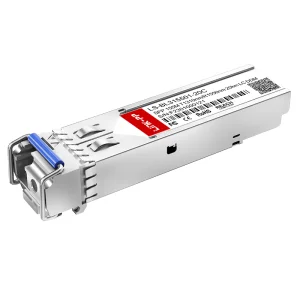
Established in 2016, Transolix is a professional, high-precision optical transceiver and ethernet connector manufacturer specializing in high-performance networking solutions. Over the past 11 years of industry experience, we have developed a comprehensive operational flow, providing hardware and firmware co-design, signal-integrity verification, and scalable manufacturing facilities to global clients.
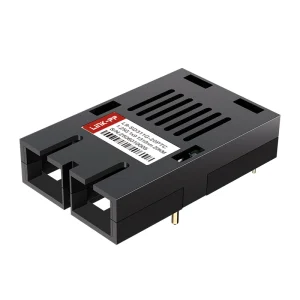
Operating from our modern facilities, Transolix focuses on continuous innovation in high-speed optical interconnect technology. We offer an expansive product portfolio ranging from legacy SFP and SFP+ modules to advanced high-density QSFP28, QSFP-DD, and custom magnetic RJ45 connectors. Last year alone, our specialized engineering team launched 86 new models, underscoring our leadership in rapid prototyping and technological iteration.
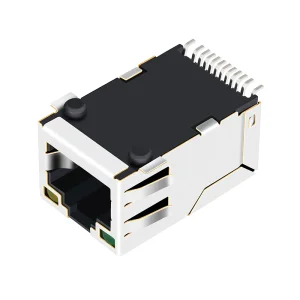
Compact Ethernet connectors are the backbone of modern high-speed physical layer networks. In high-density computing environments—such as server racks, industrial edge gateways, and telecom base stations—board space is a premium asset. Designers can no longer rely on bulky, traditional connector assemblies. This limitation has driven the development of highly integrated RJ45 jacks with integrated magnetics (known as Integrated Connector Modules or ICMs) and SFP/SFP+ cage systems.
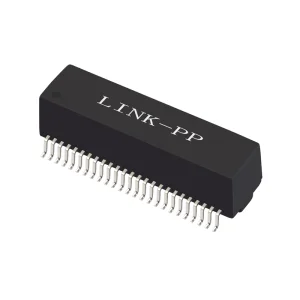
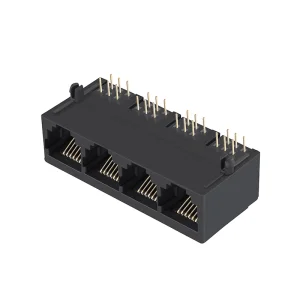
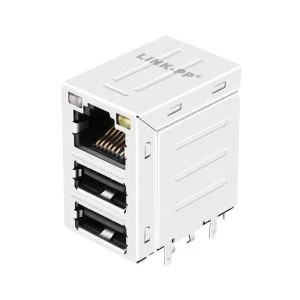
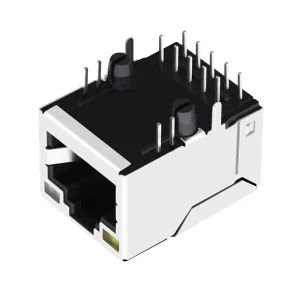
Traditional setups require discrete magnetic components (transformers and common-mode chokes) placed on the PCB alongside a basic mechanical RJ45 connector. Transolix's compact solutions, such as the RU1-161A9WGA 1000 Base-T Dual USB RJ45 Modular Jack, combine these elements into a single shielded housing. This integration delivers three crucial advantages:
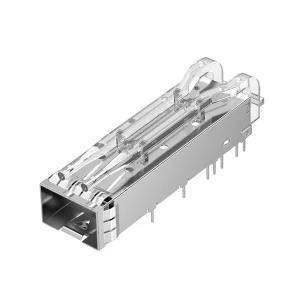
For high-frequency applications, such as 10G Base-T and optical links, electromagnetic interference (EMI) is a major failure point. Products like the U77-A1613-3001 Amphenol Replacement EMI Shielded SFP+ Cage utilize high-grade copper alloy stamping with nickel and tin plating to guarantee structural rigidity and superior electrical grounding. Integrating advanced grounding tabs and lightpipe indicators allows developers to ensure safe grounding profiles and visual diagnostic signals without increasing the external dimensions of the connector system.
China has evolved from a low-cost assembly hub into a global epicenter for complex, high-precision interconnect engineering. The ecosystem surrounding Chinese manufacturing facilities provides unique advantages that enable Transolix to offer competitive, industrial-grade connectivity products globally:
Direct integration with 860 certified upstream suppliers ensures instant access to specialized raw materials (e.g., LCP heat-resistant resins, phosphor bronze contact pins, high-permeability ferrite cores) without supply bottlenecks.
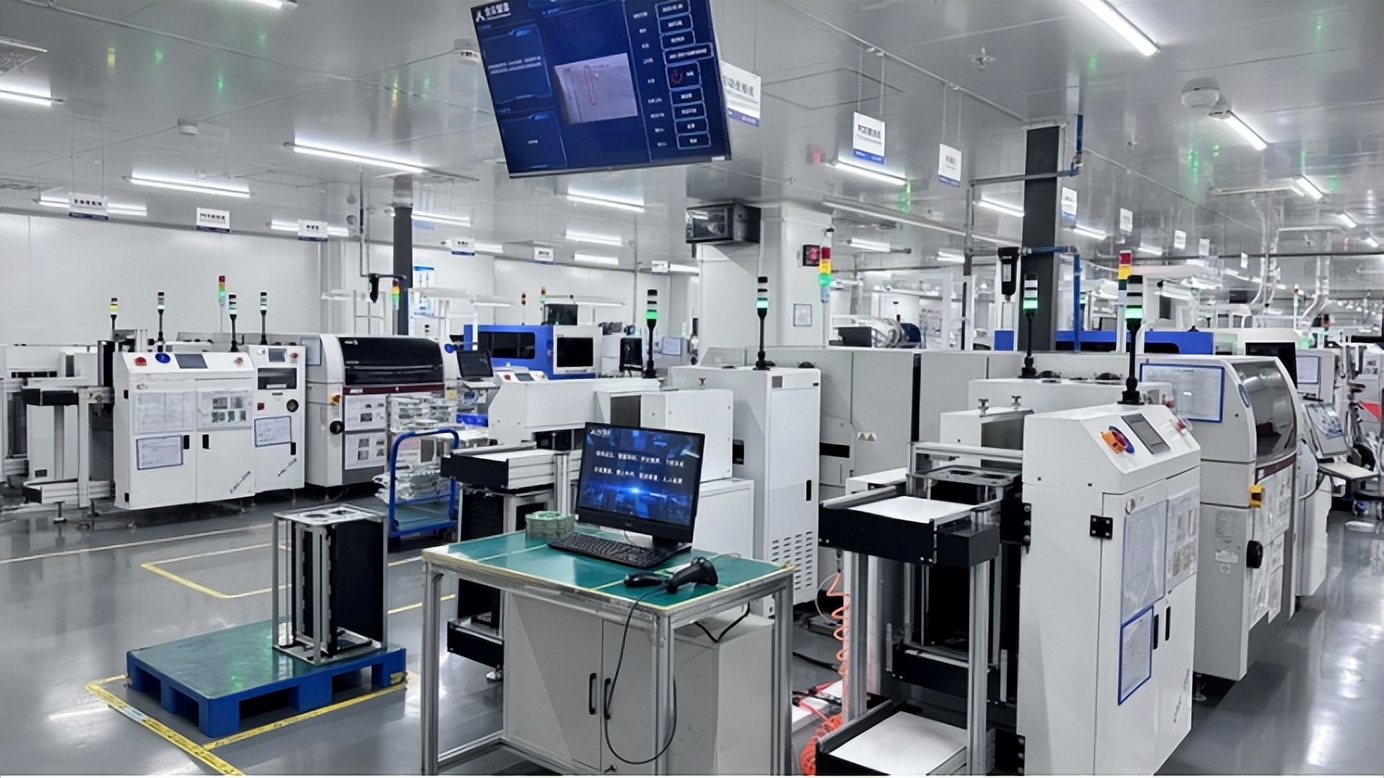
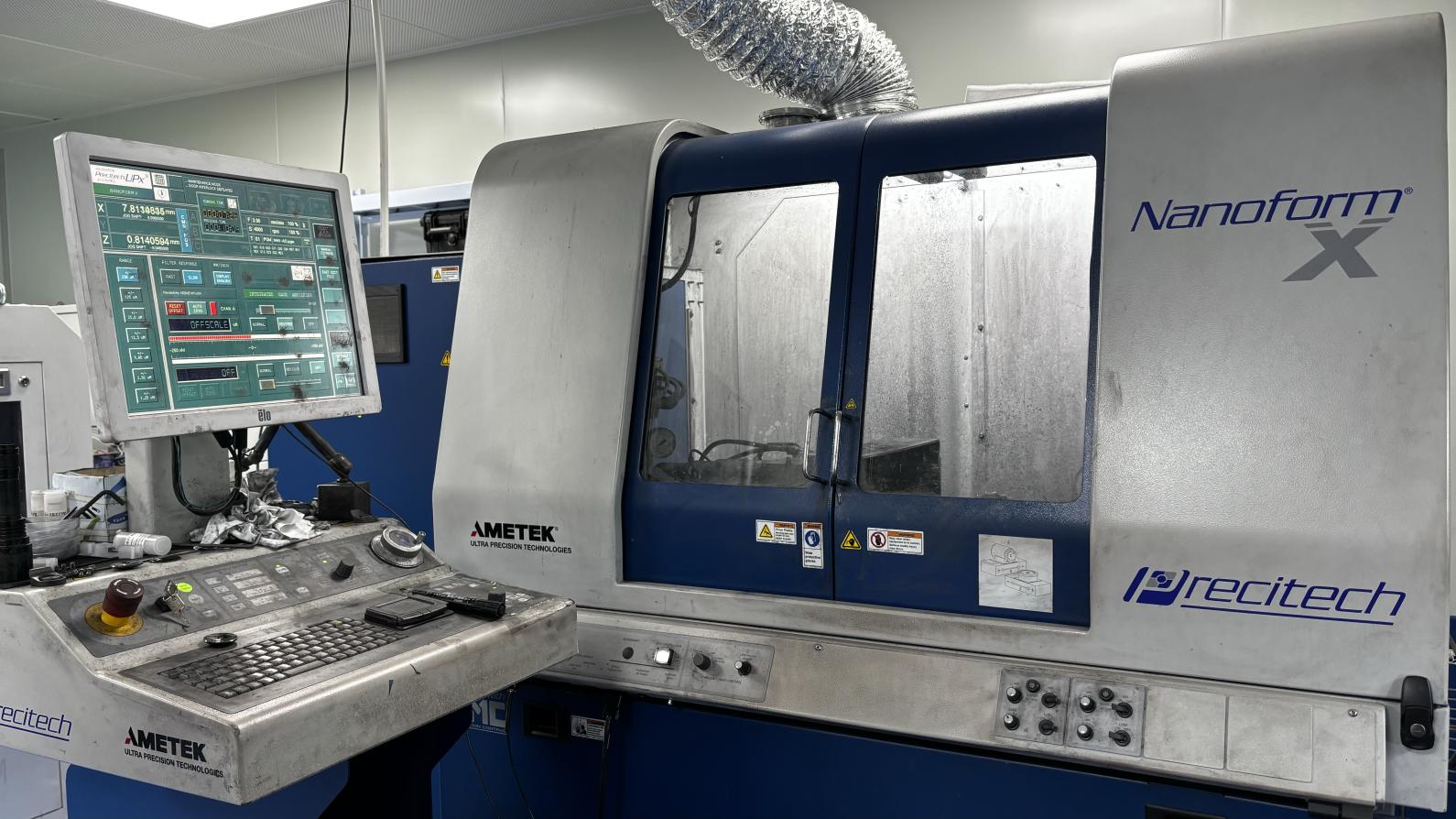
Our factory floors utilize state-of-the-art multi-axis CNC micro-winding machines that construct telecom transformer modules with sub-millimeter precision. This technique prevents wire overlap and minimizes internal impedance drift.
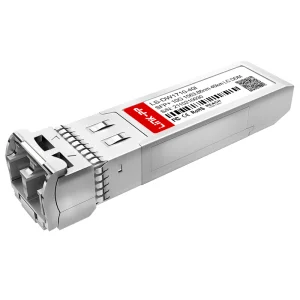
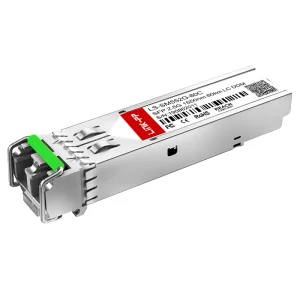
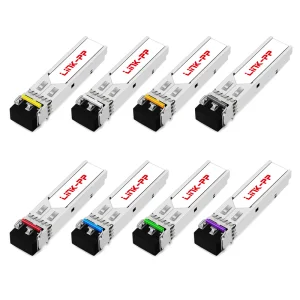
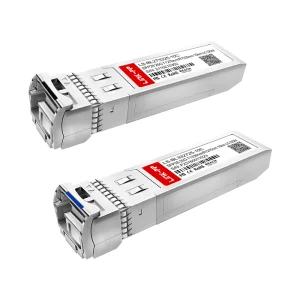
Rapid conversion tooling frameworks allow our factory to shift high-speed optical transceivers from single-mode bidirectional platforms (e.g., 25G BiDi SFP28) to standard CWDM architectures within hours, reducing minimum order sizes.
By operating inside these dynamic industrial hubs, Transolix maintains an optimal cost-to-performance ratio. This cluster advantage is paired with our dedicated in-house engineering team of 128 R&D professionals, enabling us to adapt standard designs (e.g., changing pinout patterns, upgrading from Category 5e to Category 6a specifications, or modifying optical firmware protocols) to meet specific, bespoke requirements.
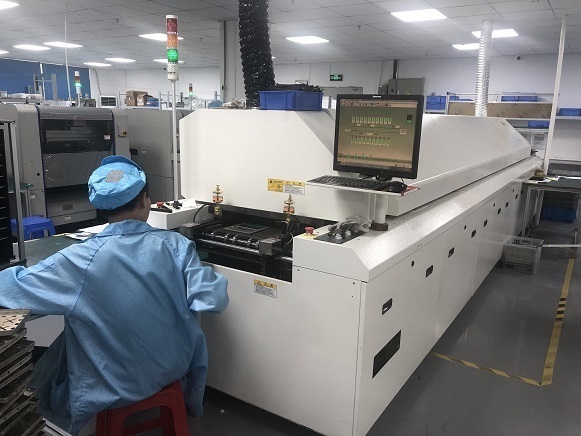
A connectivity device is only as good as its reliability. In massive data centers and carrier networks, a single connector failure can trigger costly downtime. Therefore, Transolix enforces a multi-tier quality control regimen managed by 42 dedicated QA specialists. Our verification systems go far beyond basic continuity checks:
To support global deployments, our manufacturing processes align with international regulatory demands. We maintain certified compatibility with the following frameworks:
Compact Ethernet and optical connectivity solutions are implemented across diverse environments, each presenting its own challenges:
Modern data centers pack more virtual machines into single physical servers, driving the demand for high-density networking interfaces. Multi-port SFP+ cages and multi-port RJ45 jacks with integrated magnetics allow network cards (NICs) to handle high-bandwidth loads (such as 10G/25G links) within a standardized, single-slot PCIe profile.
Smart factories rely on Ethernet protocols (such as EtherCAT, PROFINET, and Modbus TCP) to synchronize robotic systems and machinery. These settings feature high electromagnetic noise, severe vibrations, and fluctuating temperatures. Using robust, high-isolation telecom transformer modules like the HST-48029SXCR guarantees that microcontrollers remain shielded from voltage spikes and static noise.
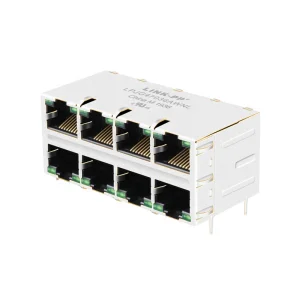
Power over Ethernet (PoE) has shifted from powering simple VoIP phones to driving IP surveillance cameras, smart lighting networks, and wireless access points. Deployments require connectors that can carry high currents alongside gigabit data. Transolix's 2x4 Port PoE Cat5e 2.5G Jack features heavy-duty contacts with selective gold plating (up to 50 micro-inches) to prevent contact erosion from electrical arcing during connection cycles.
The Ethernet connector market is undergoing significant transformations driven by the need for higher speeds and compact footprints:
Historically, Ethernet required two to four twisted wire pairs. Single Pair Ethernet (IEEE 802.3cg/ch) delivers 10Mbps to 1Gbps over a single twisted pair of copper wires. This reduces weight and cable volume by up to 60%, making it ideal for automotive networks and aerospace sensor configurations.
As networks cross the threshold of 400G and 800G, traditional copper links face physical limitations due to high attenuation. We are seeing a structural migration toward Co-Packaged Optics (CPO), where optical engines are integrated directly onto the silicon substrate next to the switch ASIC. This shift will require hybrid connector systems that bridge optical fibers and electrical power rails within a single micro-housing.



 Transolix