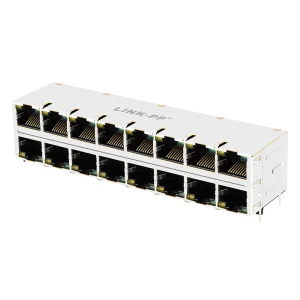
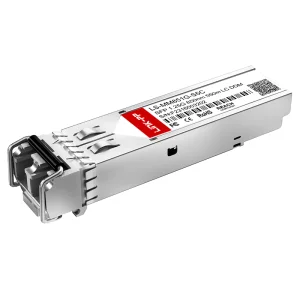
Explore our premium selection of integrated RJ45 jacks, SFP transceiver modules, and transformer connectors engineered for loss-free data transmission and optimal electromagnetic compatibility.
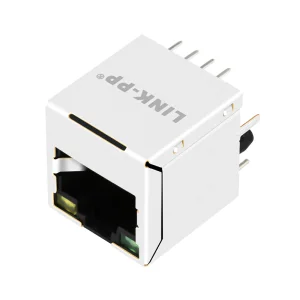
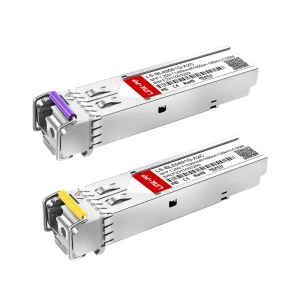
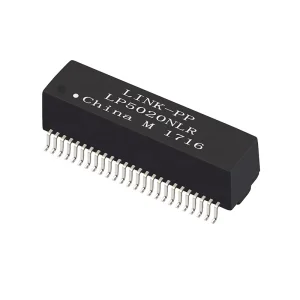
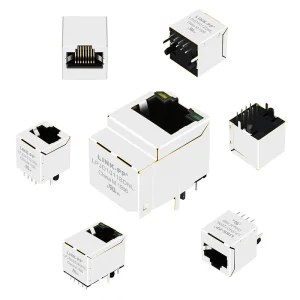
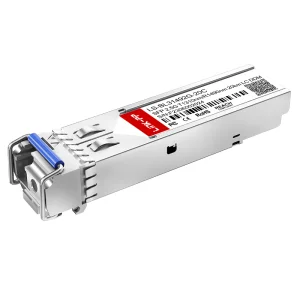
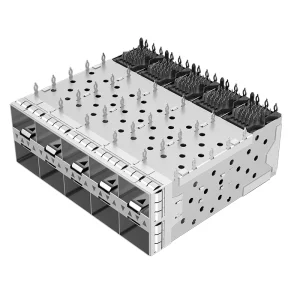
As the backbone of global industrial automation, telecommunication networks, and data center infrastructure, specialized connectors like the RJ45 D-Sub hybrid have transitioned from basic mechanical fittings to high-frequency, signal-optimized components. In today's digital landscape, modern electronics must withstand extreme mechanical vibration, thermal stress, and electro-magnetic interference (EMI).
Standard RJ45 connectors are highly reliable for office environments but lack physical defense for harsh conditions. The integration of D-Sub rugged metal shells, mounting flanges, and screw-locking systems secures the connection point, eliminating signal losses from vibrations in heavy machinery and transit systems.
Industrial lines running alongside high-voltage motor cables experience intense electromagnetic distortion. The hybrid D-Sub design acts as a continuous Faraday cage, preventing external interference from corrupting the high-speed Ethernet packets passing through the gold-plated pins.
Engineers can combine Ethernet signals (RJ45 configurations) and power pins (D-Sub legacy lines) within a single space-saving connector. This hybrid setup lowers cable weight, saves valuable board space, and streamlines hardware layouts in aeronautical and medical electronics.
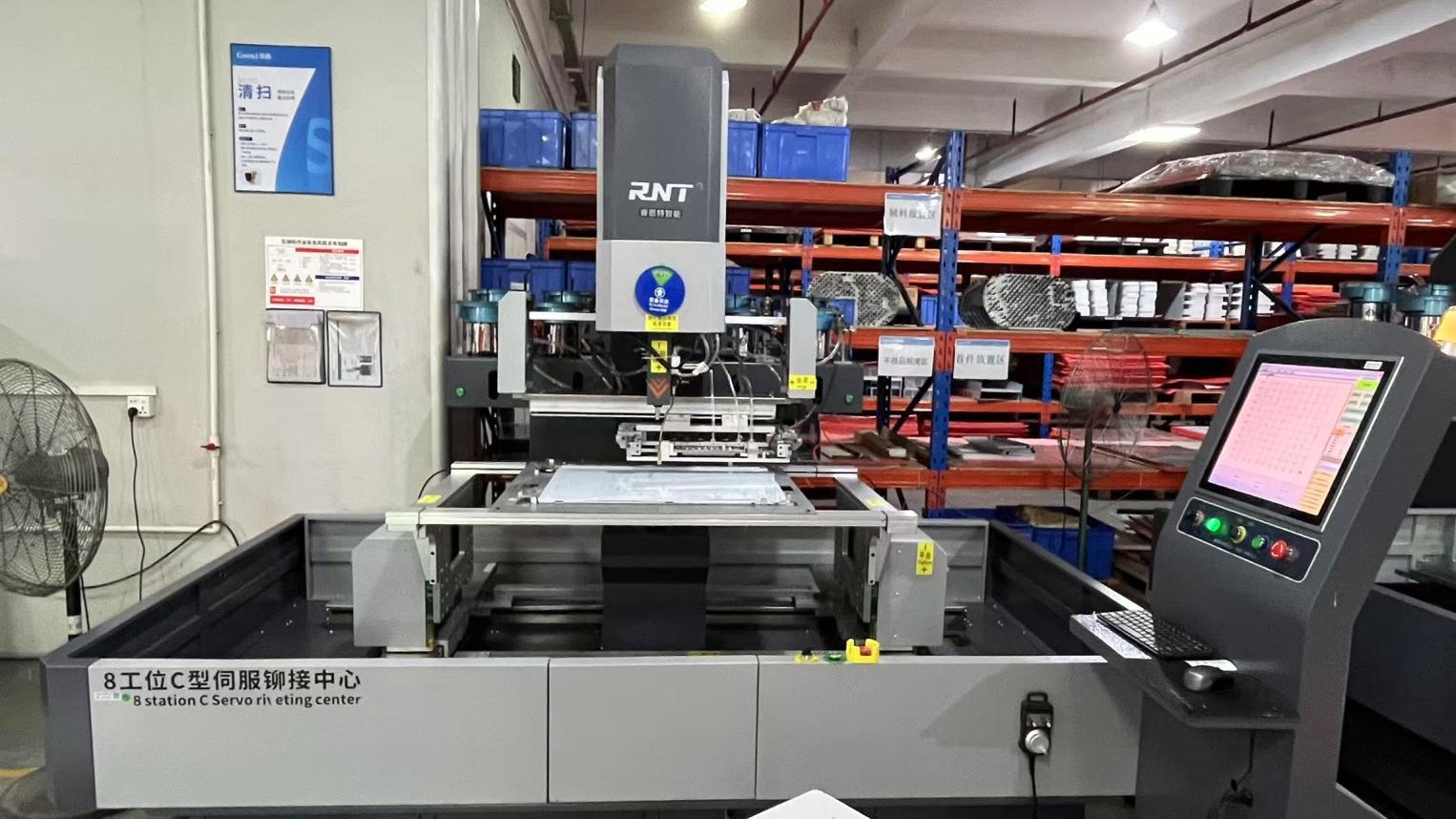
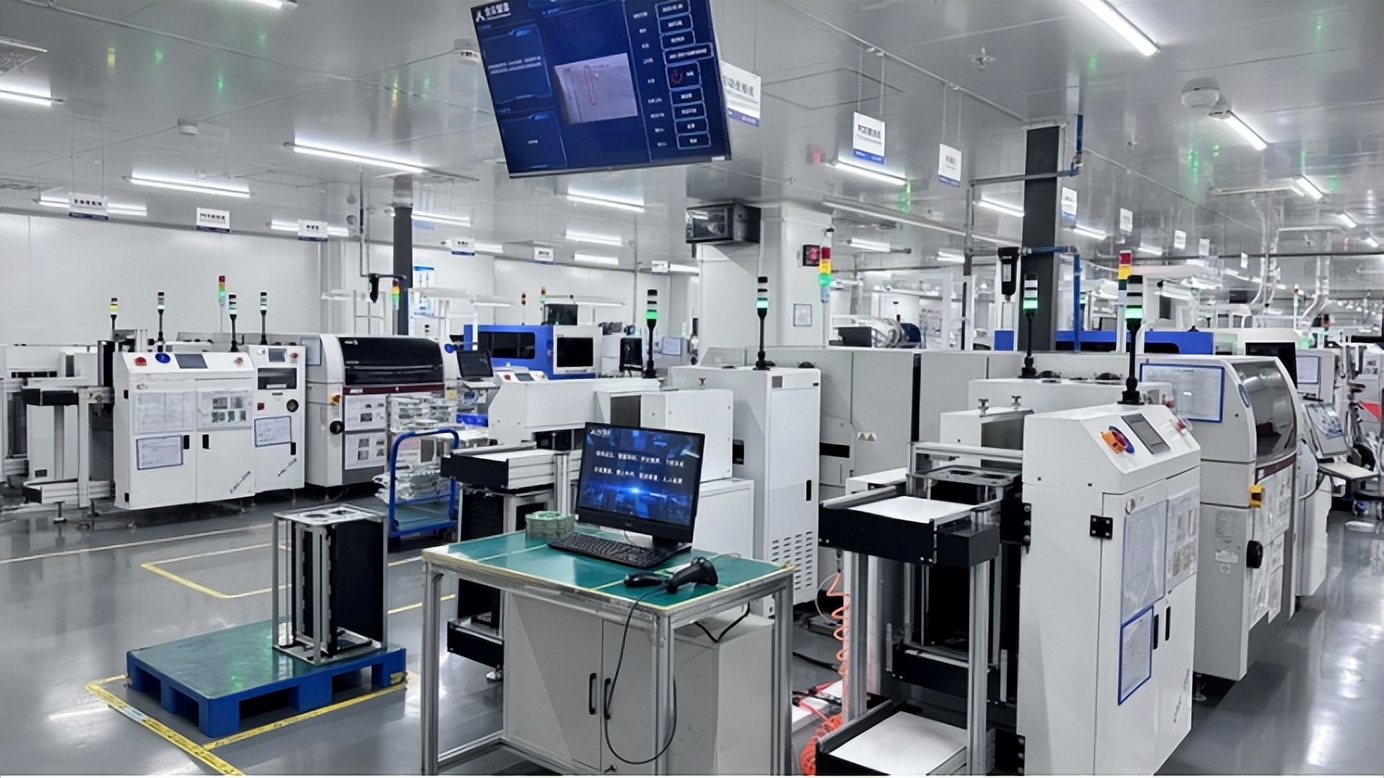
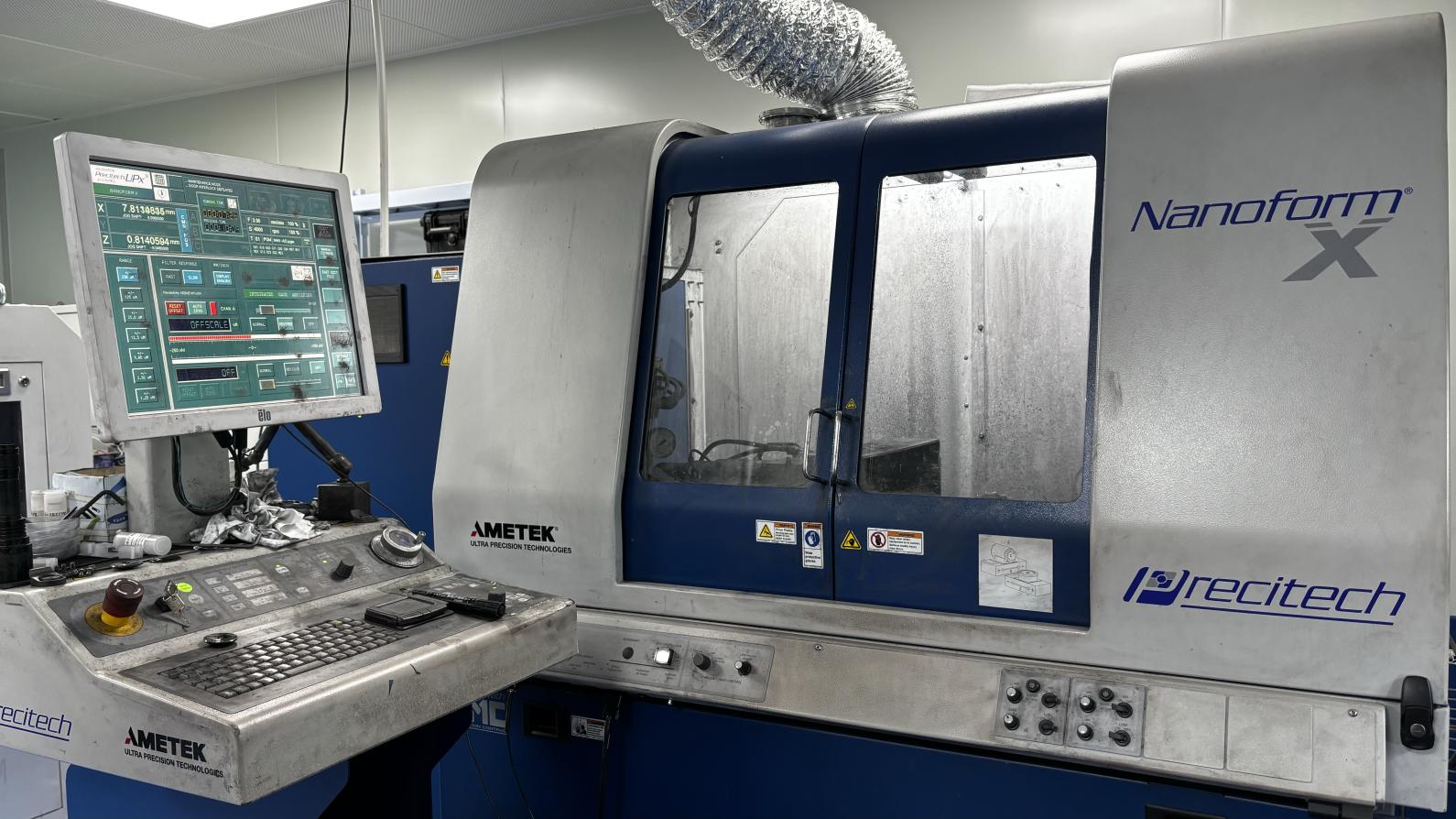
China's component manufacturing industry has advanced from low-cost assembly to highly automated, precision production. By adopting automated optical inspection (AOI), real-time signal reflection testing, and precise metal stamping, manufacturers ensure consistent performance at a commercial scale.
At Transolix, we leverage these advantages to deliver high-quality optical and electrical connectors to global buyers. Our production facilities utilize vertical integration—controlling the supply chain from raw metal alloy sourcing to plating, terminal assembly, and final compliance testing.
Our commitment to E-E-A-T principles is demonstrated through traceable data and rigorous testing frameworks:
Industrial connectors are deployed in diverse environments, each requiring distinct mechanical and electrical properties. Standard components often fail in harsh operating conditions.
In multi-axis robotic arms, cabling undergoes constant twisting and pulling. Standard RJ45 clips can break, causing communication drops. The integrated screw locks of D-Sub shells ensure continuous uptime on the factory floor.
Locomotives generate persistent vibration across the chassis. Passenger information displays, telemetry, and braking networks require connectors certified under shock and vibration standards. Sealed D-Sub housings protect the RJ45 inserts from dust and moisture.
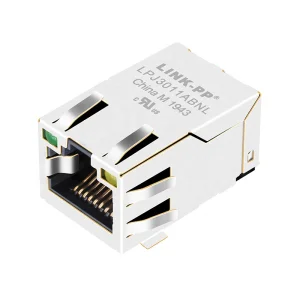
Outdoor cellular basestations and antenna arrays are exposed to rain, snow, and extreme temperatures. Using waterproof, silicone-sealed RJ45 modular jacks prevents corrosion on the contact pins, preserving signal integrity over years of service.
Interconnect technology is evolving rapidly, driven by the demand for higher bandwidth, increased Power-over-Ethernet (PoE) wattage, and tighter space constraints inside network enclosures.
Next-generation RJ45 connectors must support power delivery up to 90W without overheating the contact pins. Proper thermal isolation, venting, and high-performance copper alloys prevent material degradation from high-power loads.
As standard data rates transition from 1Gbps to 10Gbps and higher, high-frequency design becomes critical. Eliminating internal crosstalk and maintaining matched differential impedance are key to avoiding packet loss in noise-heavy environments.
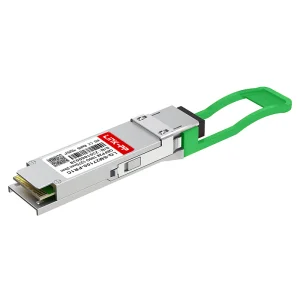
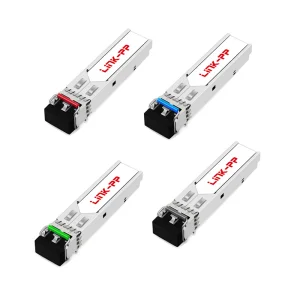
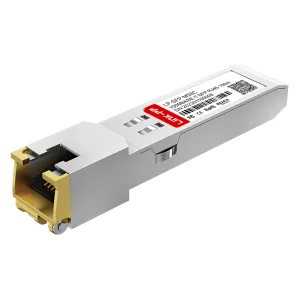
High-end installations combine SFP/QSFP optical transceivers with copper RJ45 links. This hybrid topology utilizes fiber for long-haul backplane communication and copper for local power distribution and control networks.
Future connectors will feature built-in diagnostic LEDs or internal sensors to monitor connection quality, temperature spikes, and EMI events, allowing operators to address issues before they lead to system failure.
Procuring electronic components globally requires careful verification of certifications, electrical specifications, and mechanical tolerances. Use this engineering checklist when auditing potential suppliers:
Transolix is a professional optical transceiver manufacturer specializing in high-performance fiber optic communication solutions for global data centers, telecom operators, and enterprise networks. With strong engineering capabilities and scalable production capacity, Transolix is committed to delivering reliable, high-speed, and cost-effective optical connectivity products worldwide.
Transolix focuses on continuous innovation in optical interconnect technology, offering a full range of products including SFP, SFP+, QSFP28, QSFP-DD, and emerging high-speed optical transceiver solutions for next-generation networks.
Find answers to common questions about industrial-grade hybrid connectors, signal degradation, and electrical specifications.
Discover our extended line of high-performance transceivers, PCB-mount modular jacks, and customized RJ45 interfaces designed to meet modern data demands.
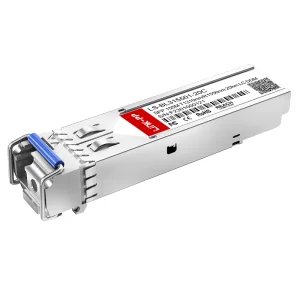
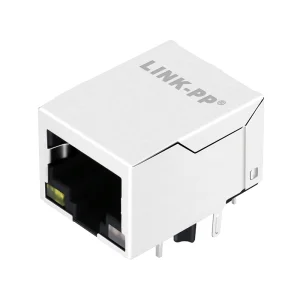
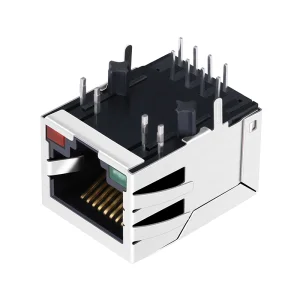
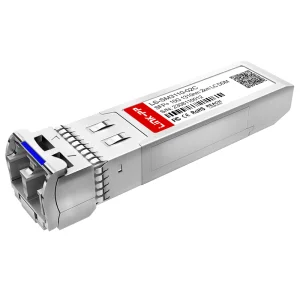
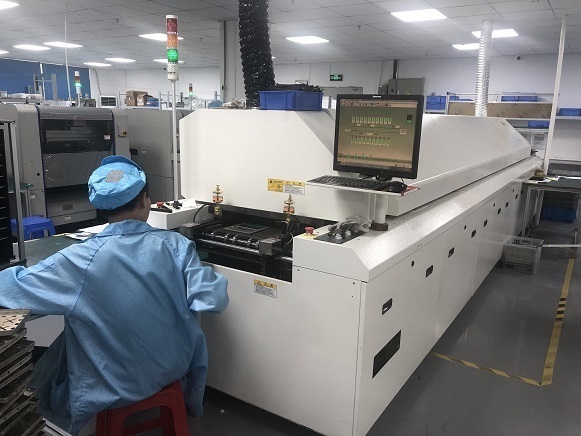
Take a look inside our high-frequency signal testing laboratory, clean-room assembly bays, and automated connector production facilities.


 Transolix