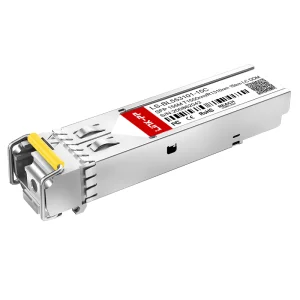
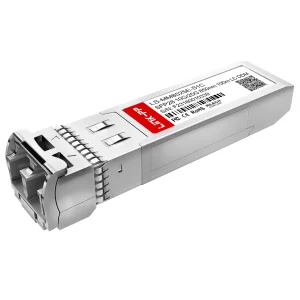
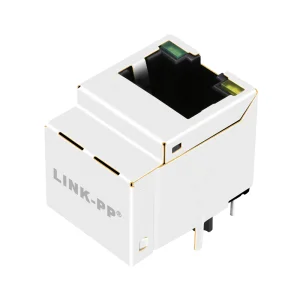
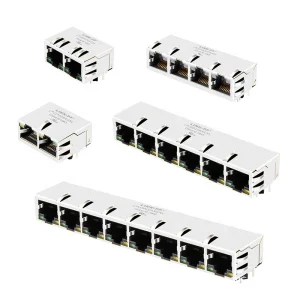
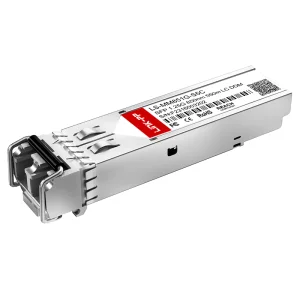
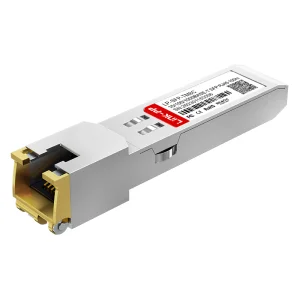
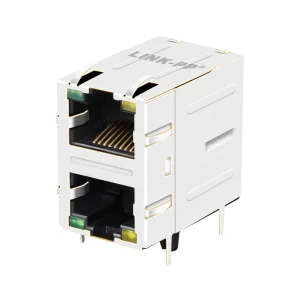
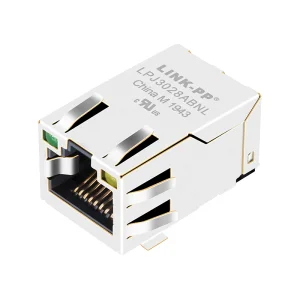
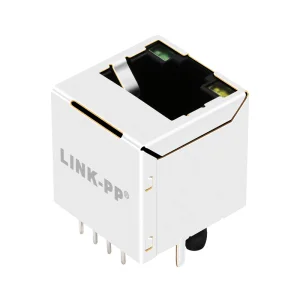
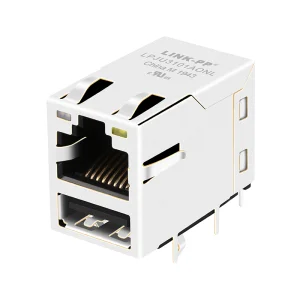
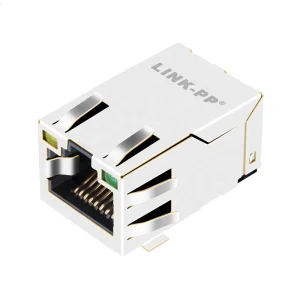
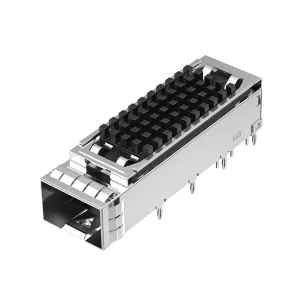
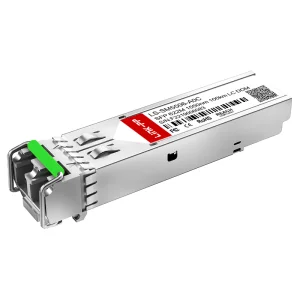
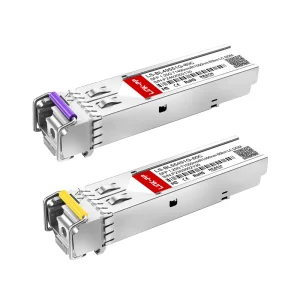
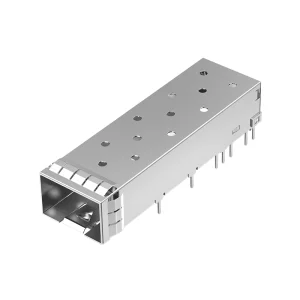
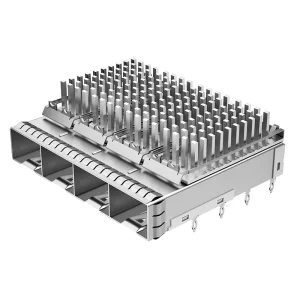
Explore our industrial-grade RJ45 integrated connectors, high-speed SFP optoelectronic modules, and network interfaces engineered for high reliability and low latency.
The global networking landscape is undergoing a paradigm shift driven by enterprise virtualization, 5G deployments, and AI-accelerated high-performance computing. At the core of local network interfaces is the RJ45 port and copper-optical hybrid systems. Modern RJ45 Network Interface Cards (NICs) are no longer simple Layer-1 interfaces; they have evolved into intelligent nodes capable of offloading protocol processing, managing dynamic traffic routes, and maintaining structural signal integrity under extreme environments.
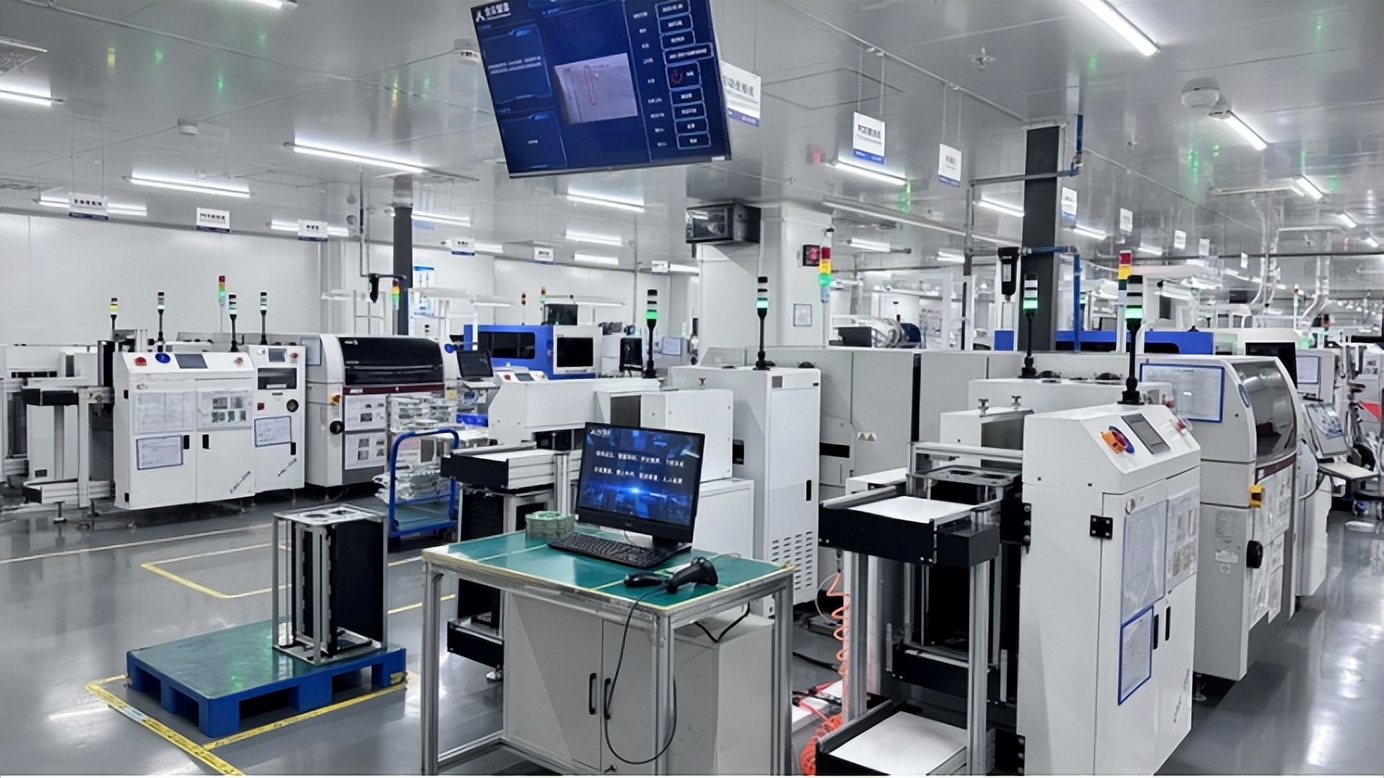
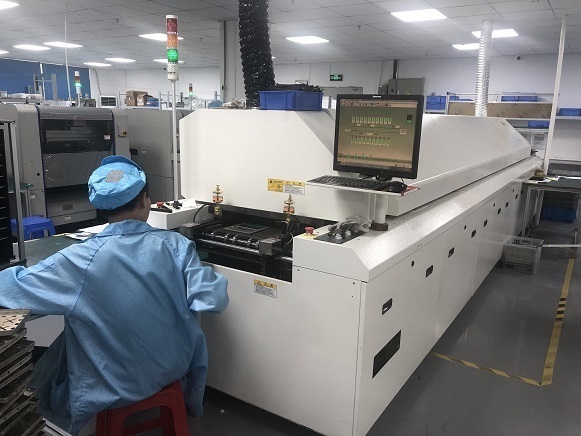
China has consolidated its position as the premium global hub for RJ45 manufacturing and R&D. Leveraging advanced precision injection molding, fully automated magnetics winding, and rigorous signal testing setups, Chinese factories supply up to 70% of the world's high-speed networking components. The cluster effect within China enables companies like Transolix to seamlessly bridge raw component sourcing with state-of-the-art electro-optical simulation, guaranteeing scalable production cycles and cost efficiency that meet strict global demands.


How modern network interface hardware resolves scalability, latency, and environmental challenges across three essential global verticals.
Hyperscale datacenters deploy hybrid copper-fiber network interfaces. ToR (Top-of-Rack) switch infrastructure uses SFP cages and RJ45 connectors to handle high-bandwidth distributions. Integrated shielding ensures zero-packet-loss environments even when stacked under high thermal loads.
Factory environments suffer from heavy electromagnetic noise and vibration. Using shielded, magnetic-isolated RJ45 connectors with built-in LEDs allows industrial PLCs and IPCs to operate on 1000 Base-T standards with complete immunity to surrounding motor noise and voltage spikes.
Carrier networks utilize Bidi SFP transceivers and modular SFP cages to extend optical links up to 80km, terminating at rugged localized network interface units. Dynamic DDM (Digital Diagnostics Monitoring) allows real-time health updates, minimizing field inspection costs.
A benchmark for global network infrastructure supply: transparency, strict engineering certification, and proven performance validation.
Transolix is a professional optical transceiver and networking interface component manufacturer specializing in high-performance fiber optic communication and copper interconnect solutions. We cater to global data centers, telecom operators, and enterprise networks. With robust engineering capabilities and scalable production capacity, Transolix is committed to delivering reliable, high-speed, and cost-effective optical connectivity products worldwide.
Our quality system operates on strict ISO 9001 and internal reliability frameworks. Supported by a dedicated crew of 42 QC professionals, we employ automated optical testing, eye diagram analysis, aging tests, and 100% final performance verification to ensure all components resist cross-talk, heat build-up, and environmental corrosion.
As a cross-border B2B export-focused manufacturer, Transolix serves core markets across North America, Europe, Southeast Asia, and the Middle East. Over the past 6 years of active export operations, we have optimized our distribution channels to offer localized logistics and inventory hubs.
Our supply chain is supported by 860 certified upstream suppliers including premier chipset vendors, precision optical manufacturers, and material packaging partners. This extensive ecosystem ensures that custom firmware modifications, wavelength shifts, form-factor adaptations, and specific protocol compatibilities (such as Moxa, Cisco, and Wurth equivalents) can be developed and scaled with minimal lead times.

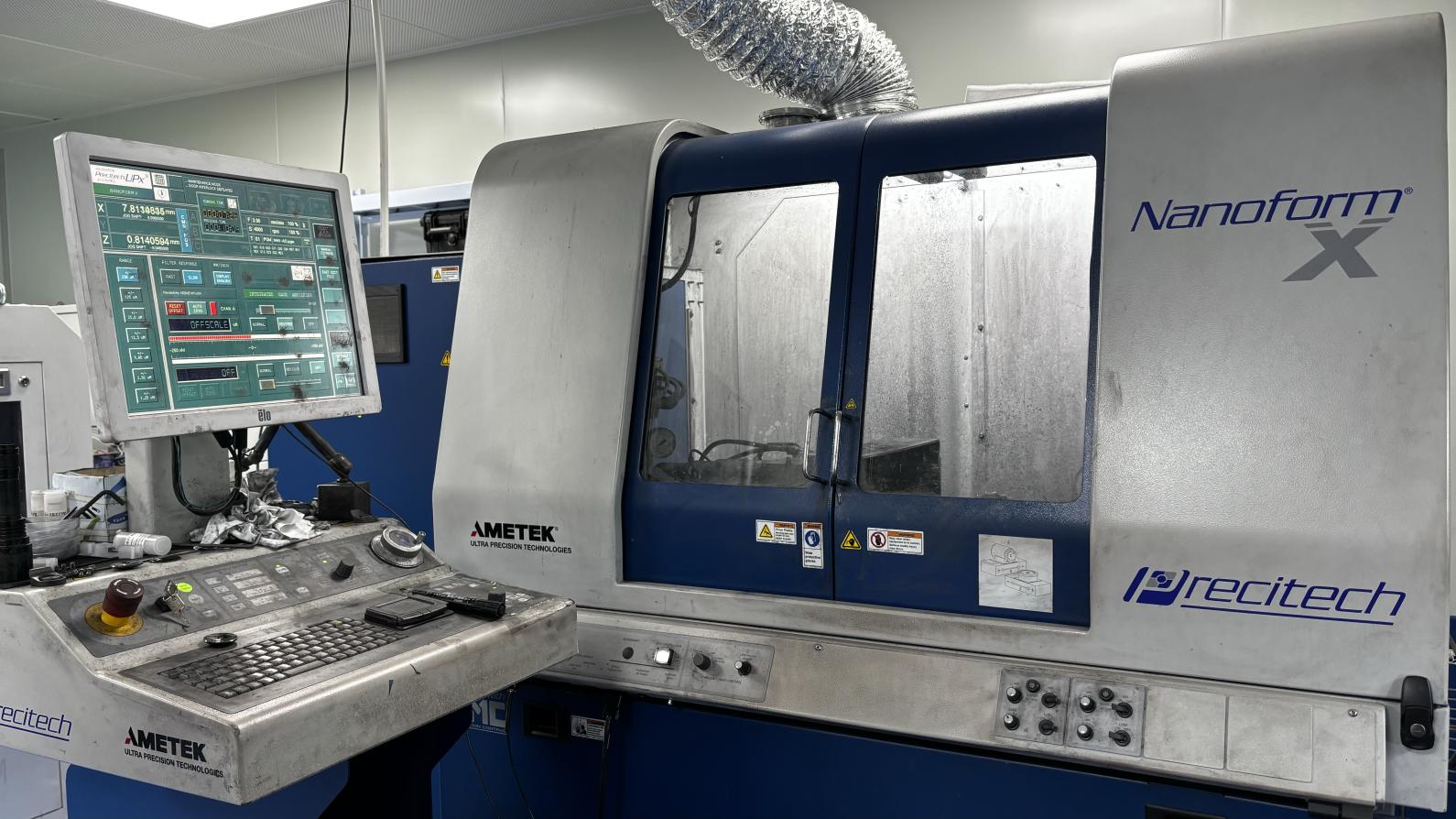
As enterprise networks transition from 1G to Multi-Gigabit architectures (2.5G, 5G, and 10G Base-T), physical layer (PHY) chips require cleaner paths. Traditional RJ45 designs struggle with high-frequency insertion loss and near-end crosstalk (NEXT). Transolix’s technology roadmap actively targets advanced passive filtering and automated magnetic winding to sustain stable 10G speeds over Cat6a and Cat7 copper lines without signal degradation.
Simultaneously, for dense optical transitions, the development of high-density SFP+ and QSFP cages with integrated thermal heat sinks is vital. As co-packaged optics (CPO) shift standard layouts closer to the processor, managing heat dissipation and EMI shielding becomes paramount. Our research focuses on high-frequency press-fit cages that limit EMI leaks while providing reliable thermal channels for high-performance optical transceiver modules.
Addressing the core electrical, mechanical, and compatibility concerns of network engineers and procurement professionals.
Explore our industrial shielded SFP+ cages, high-distance single-mode optical transceivers, and robust vertical socket ports.
 Transolix