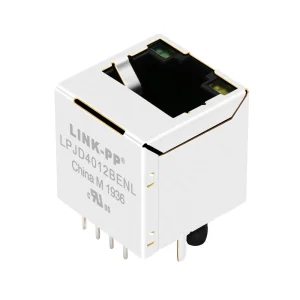
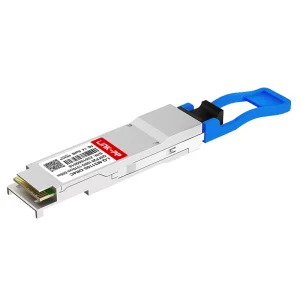
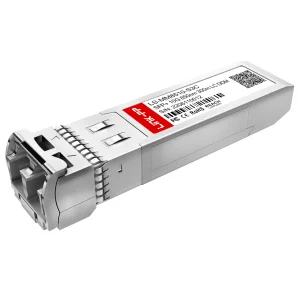
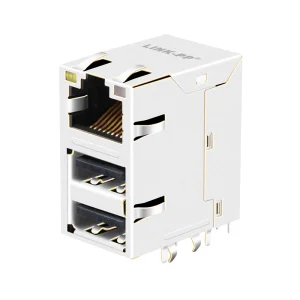
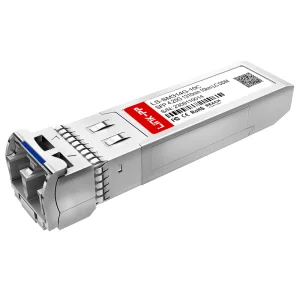
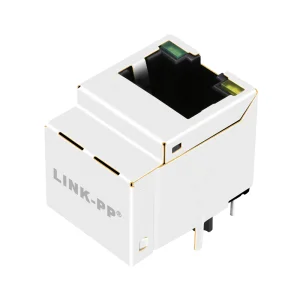
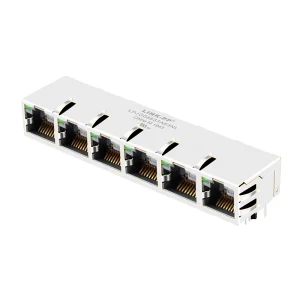
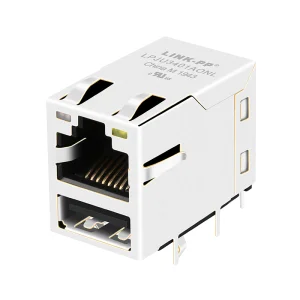
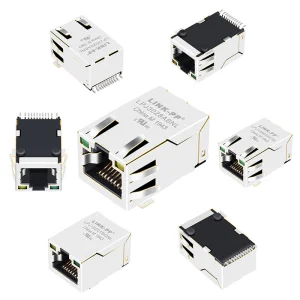
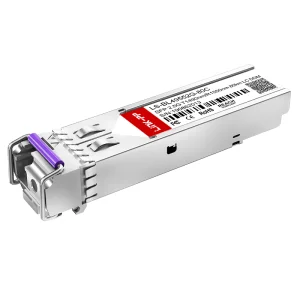
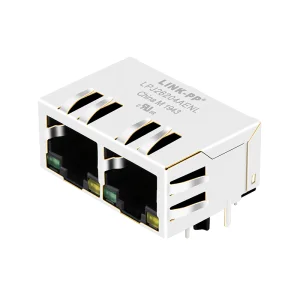
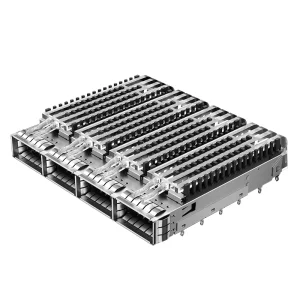
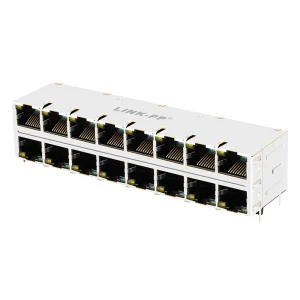
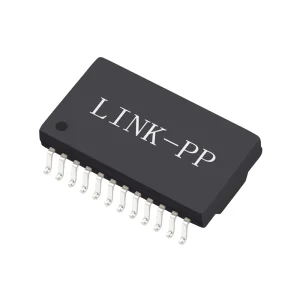
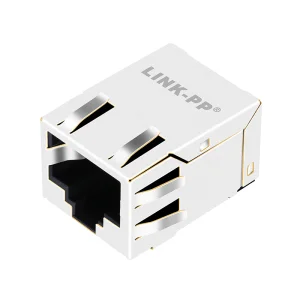
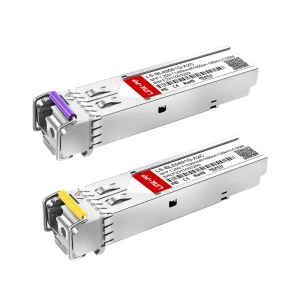
Select standard configurations of physical interfaces engineered for system integration and physical-layer stability.
Technical Insights into LACP, SFP-to-Copper translation, and bandwidth load balancing at the physical layer.
Link Aggregation Control Protocol (LACP) defined under IEEE 802.3ad allows for the grouping of several physical Ethernet interfaces into a single logical channel. When deploying copper networks, high-reliability RJ45 components must maintain low signal degradation and matched propagation delay lines. Doing so prevents frames from arriving out of sequence, which could degrade system CPU efficiency during frame reassembly.
High-density networking environments require bridging fiber-optic backplanes with legacy copper infrastructure. Standard RJ45 modules convert electrical signals to optic-compatible digital inputs. By integrating high-performance PHY chips within local transceiver chassis, these systems achieve 10G Base-T performance over Cat6A copper wires, facilitating seamless local link aggregation.
One primary challenge of high-speed RJ45 modules is power dissipation. Unlike low-power optical transceivers, a 10G copper transceiver can consume up to 2.5W. Transolix's custom designs feature specialized heatsinks and optimized PHY chips, reducing power consumption to 1.6W. This ensures stable performance across aggregated multi-port chassis without experiencing thermal throttling.
Providing reliable, high-speed, and cost-effective optical connectivity products worldwide.
Transolix is a professional optical transceiver manufacturer specializing in high-performance fiber optic communication solutions for global data centers, telecom operators, and enterprise networks. With strong engineering capabilities and scalable production capacity, Transolix is committed to delivering reliable, high-speed, and cost-effective optical connectivity products worldwide.
Our quality control utilizes ISO 9001 and strict internal reliability standards. Products undergo automated optical testing, eye diagram analysis, thermal aging tests, and 100% final performance verification. Our facilities are staffed by 42 dedicated quality assurance professionals to guarantee compliance.
With 128 R&D engineers, Transolix focuses on signal integrity, multi-gigabit hardware integration, and firmware programming. We support custom wavelength, form factor, reach, and protocol compatibility. Last year, our team launched 86 new product models to address changing network standards.
Aligning structural component supplies with the technical demands of international buyers, integrators, and telecom providers.
As operators migrate from legacy 10G architectures to 100G and 400G platforms, optical and copper transceivers must interface cleanly. High-speed QSFP28 modules and magnetic RJ45 jacks bridge high-speed optical switch fabrics with localized management servers. Selecting components with certified cross-platform compatibility prevents network link dropping and data center downtime.
Modern industrial IoT demands high EMI immunity. Machinery and factory cabling environments induce crosstalk and high voltage spikes. Shielded RJ45 systems featuring integrated isolation transformers and magnetic components protect internal PHY chips. These systems maintain data packet integrity over multi-gigabit link aggregation lines, ensuring continuous industrial automation.
Global equipment providers need reliable component scaling. Custom firmware options allow our modules to integrate seamlessly with switches from Cisco, Juniper, Arista, and other major vendors. By maintaining a reliable supply chain of 860 certified partners, Transolix ensures consistent production quality and on-time international delivery.
Analyzing trends in high-frequency signal design, automated quality inspection, and copper technology.
High-speed standards are pushing copper interfaces past 10G. Developing Cat8 structural cabling modules allows 25G/40G Base-T setups to operate over short lengths (up to 30m). Transolix's R&D team is optimizing internal magnetic modules to handle high-frequency signals and keep crosstalk to a minimum.
Next-generation transceivers incorporate adaptive DSPs to compensate for high-frequency signal loss on long copper links. Dynamic equalizer logic adjusts to varying link lengths in real-time, providing consistent eye diagrams and low bit error rates (BER).
Our quality control relies on automated optical testing, eye diagram analysis, and aging chambers. Using automated test fixtures reduces human error during inspection. This guarantees that all batches shipped to North America, Europe, and the Middle East match international performance standards.
Additional connectivity components designed for telecom carriers and network integrators.
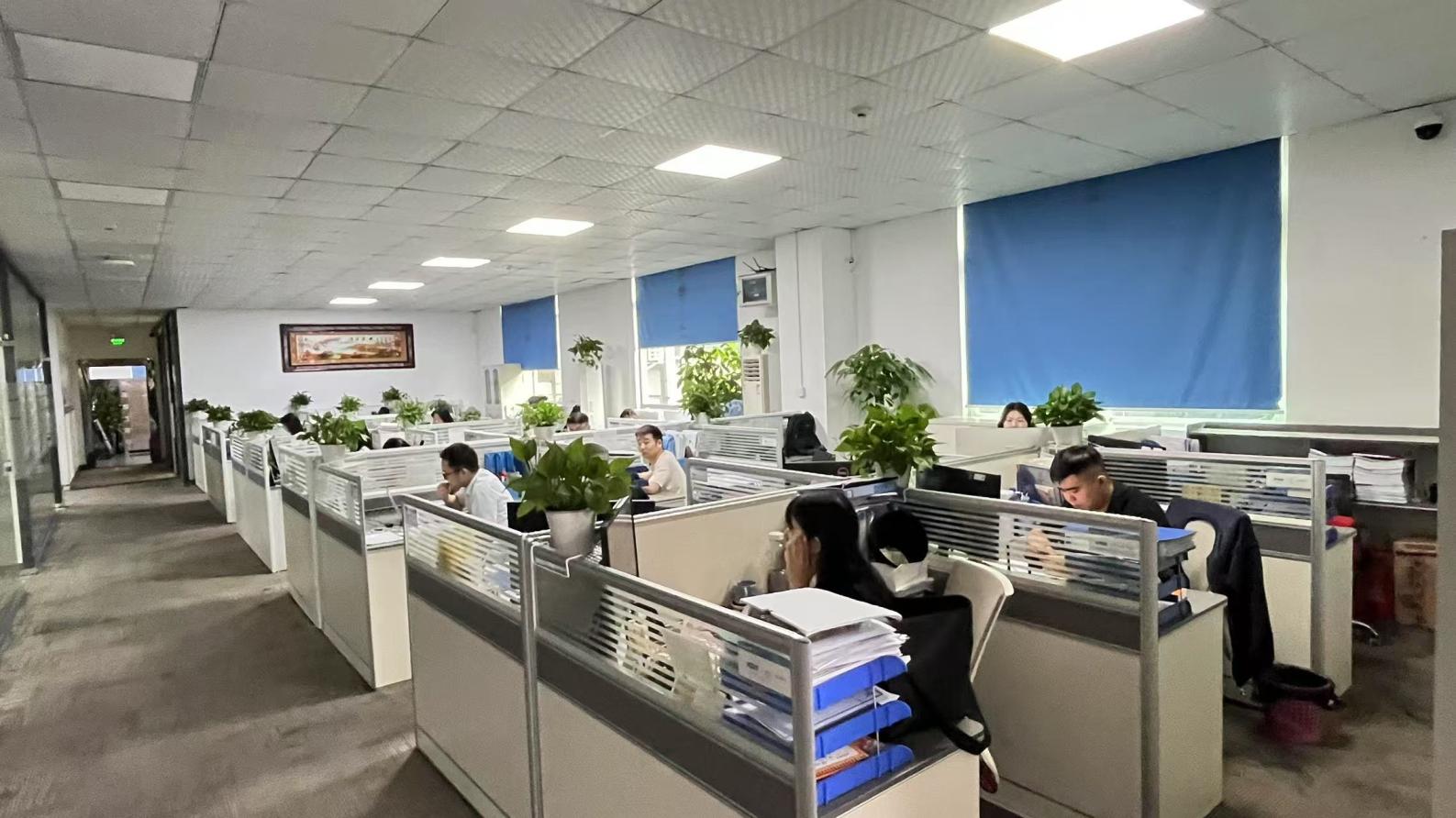
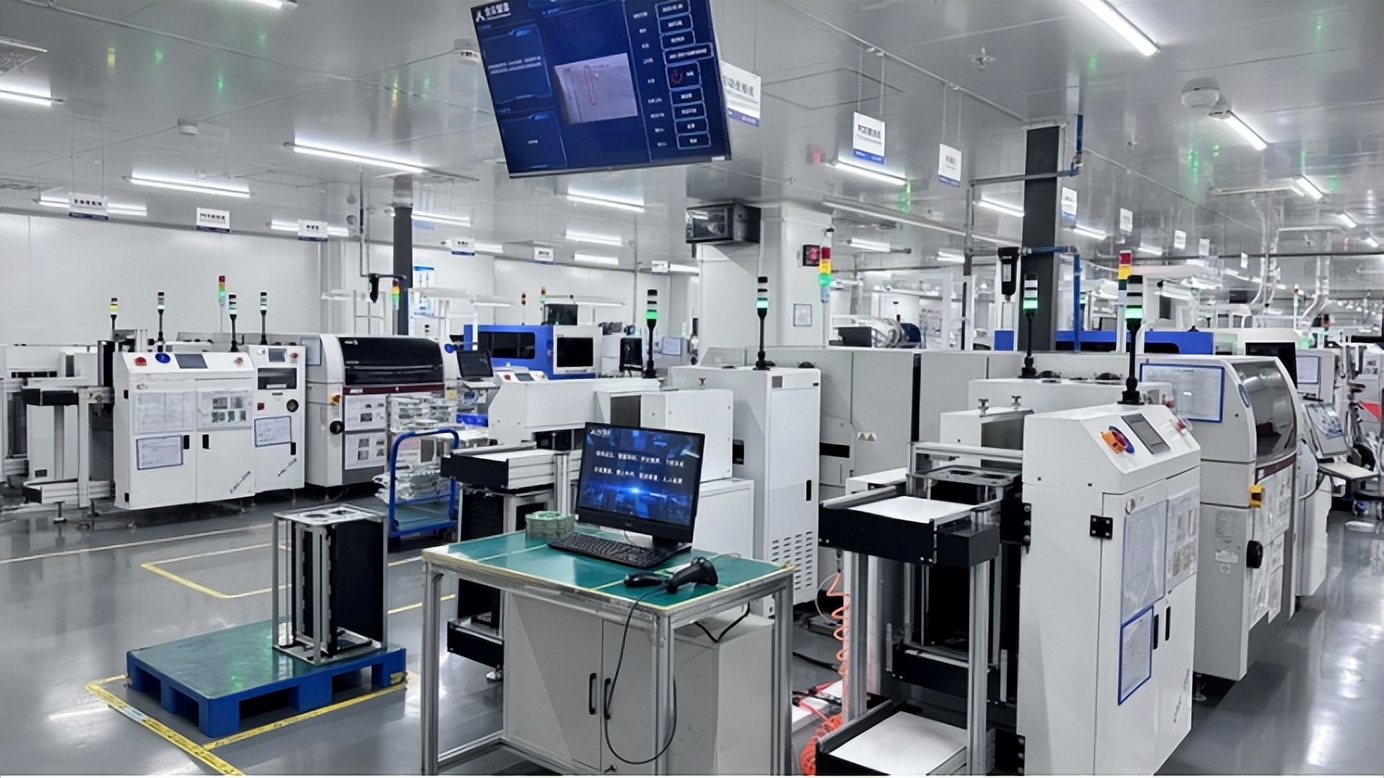
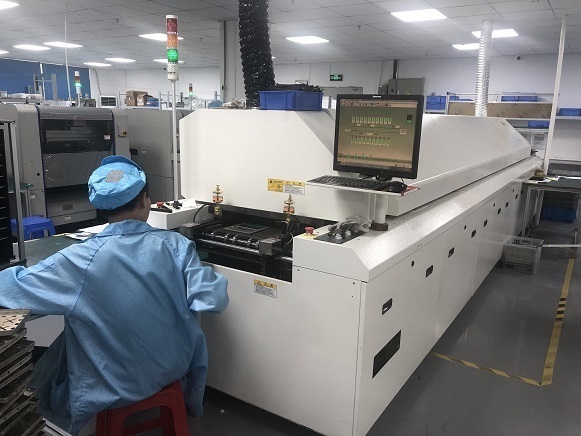
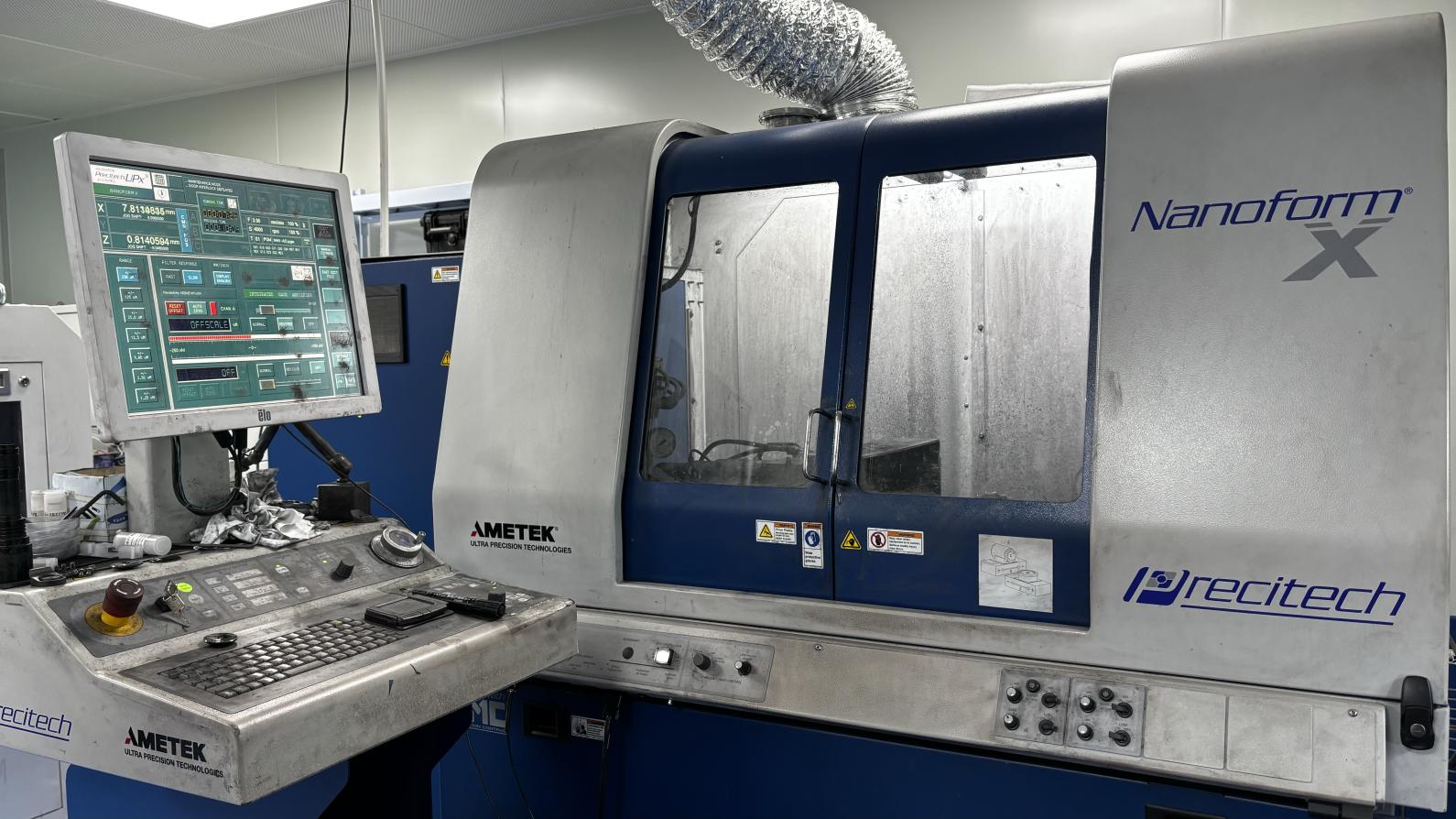
A visual tour of our facilities, showcasing precision manufacturing, assembly, and quality assurance processes.


Answers to common technical questions about link aggregation, compatibility, and design.
We write and optimize vendor-specific EEPROM codes to ensure broad compatibility. Our firmware supports direct identification by Cisco, Arista, Juniper, and other major network systems, reporting correct SFP details and temperature metrics to avoid interface lockouts.
Every module undergoes real-time automated optical testing and eye diagram analysis. Using hardware traffic simulators, we test for low bit error rates (BER) and return loss across different temperature cycles. This ensures that the aggregated links remain stable under high traffic loads.
Yes, standard Cat6 cable can support 10G speeds over shorter distances (typically up to 37 meters in low-noise environments). For optimal performance and longer runs of up to 100 meters, we recommend using shielded Cat6A (SFTP) cabling to minimize alien crosstalk on aggregated interfaces.
Built-in magnetics (such as isolation transformers, common-mode chokes, and resistors) provide electrical isolation, filter out high-frequency noise, and protect internal physical layer (PHY) chips from electrostatic discharge (ESD) and voltage surges, ensuring stable data transfer.
With our team of 128 R&D engineers, we customize hardware aspects like form factors, wavelength configurations, power consumption ranges, and packaging designs. We work closely with our partners' system teams from prototyping through mass production.
 Transolix