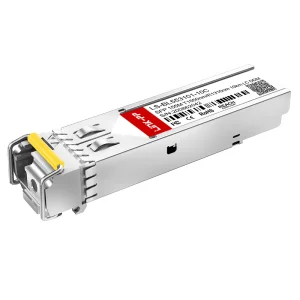
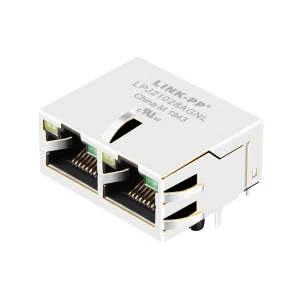
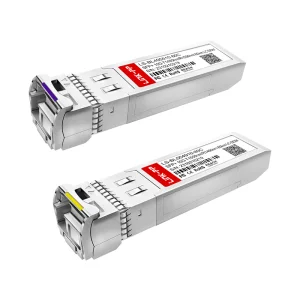
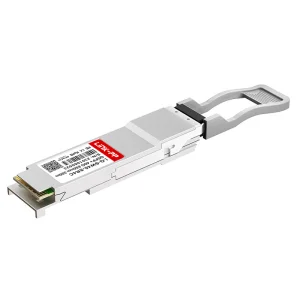
Explore our top industrial-grade transceivers and magnetics engineered for high integrity in extreme environments.
The global industrial networking landscape is undergoing a massive paradigm shift. As industries push toward Industrial IoT (IIoT), edge computing, and smart factory automation, standard commercial networking hardware no longer suffices. In rugged settings, optical transceivers face extreme challenges, including intense thermal fluctuations, mechanical vibrations, high humidity, and electromagnetic interference (EMI).
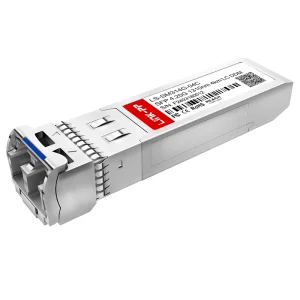
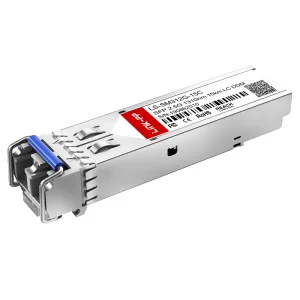
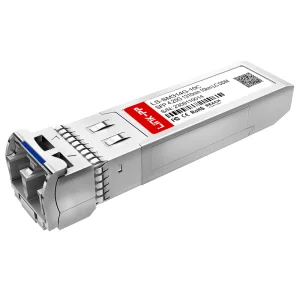
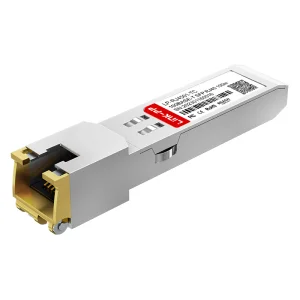
This is where Industrial-grade Transceiver Modules become vital. Unlike commercial modules restricted to 0°C to 70°C, industrial variants operate reliably under severe temperature fluctuations spanning from -40°C to +85°C. These devices are constructed using hardened internal components, advanced thermal management layers, and rigorous ESD protection to ensure zero packet loss in critical automation workflows.
Analyzing the global procurement patterns and supply parameters critical to major telecommunication networks and enterprise operators.
Enterprise procurement teams prioritize compatibility above all. Standard systems are locked into vendor ecosystems (Cisco, Juniper, Arista, Tyco). As an experienced OEM, Transolix bypasses these constraints by writing customized, device-specific firmware, ensuring seamless cross-vendor functionality.
Industrial and telecom networks operate on 10-to-15-year cycles. Sourcing components that offer backwards compatibility and persistent MTBF (Mean Time Between Failures) metrics reduces physical maintenance cycles, thereby heavily cutting down overall Operational Expenditure (OPEX).
With increasing demands for environmental sustainability in public and enterprise grids, strict adherence to global mandates like RoHS, REACH, CE, and FCC certification is crucial to avoid customs roadblocks and maintain product viability in highly regulated regions.
In modern optical and magnetic manufacturing, speed without precision yields failure. The transition to China Industry 4.0 focuses heavily on integrated assembly, automated parameter testing, and local supply chain optimization. By utilizing localized micro-optics packing, automated chip mounting, and real-time electronic testing, modern Chinese production lines maintain absolute performance consistency.
Furthermore, supply chain resilience relies on extensive partner networks. Leveraging a deep pool of 860 certified upstream raw material suppliers, Transolix mitigates silicon and connector component shortages, offering customers predictable lead times, highly competitive pricing, and uninterrupted delivery schedules even during market shocks.
Our quality assurance process integrates automated optoelectronic alignment, real-time eye-diagram analysis, and bit-error-rate testing. Every single transceiver is subjected to high-temperature thermal cycling stress tests before shipping, guaranteeing flawless out-of-the-box operation and prolonged system reliability.
A look at the capabilities and structural metrics supporting our world-class optical transceiver manufacturing.
Deploying industrial optical modules and magnetic RJ45 connectors in harsh operating conditions.
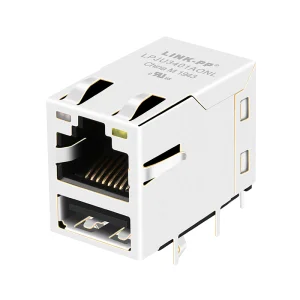
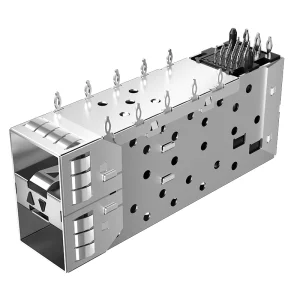
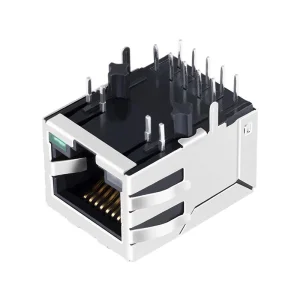
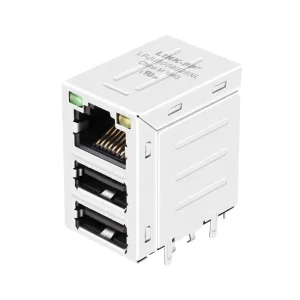
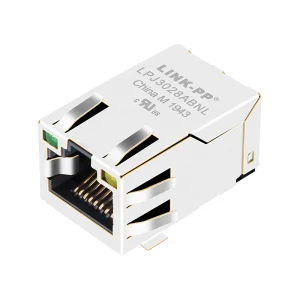
Smart power grids demand high electromagnetic interference (EMI) insulation. Our magnetic RJ45 connectors and SFP cages feature specialized ground tabs and robust metal housings that prevent electrical noise from disrupting critical optical signal paths.
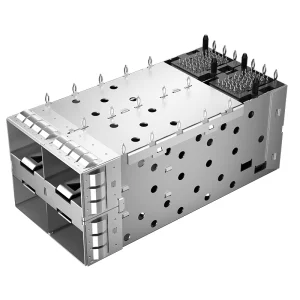
Automated production floors are prone to continuous physical vibrations. Using press-fit cages and reinforced modular RJ45 designs prevents connectivity dropouts caused by mechanical shifts, maintaining constant uptime.
Outdoor telemetry systems are exposed to harsh elements. Operating from -40°C to +85°C, our transceivers function consistently, preventing system downtime in remote trackside cabinets and outdoor communication hubs.
A look inside our testing labs, state-of-the-art production floors, and automated assembly operations.


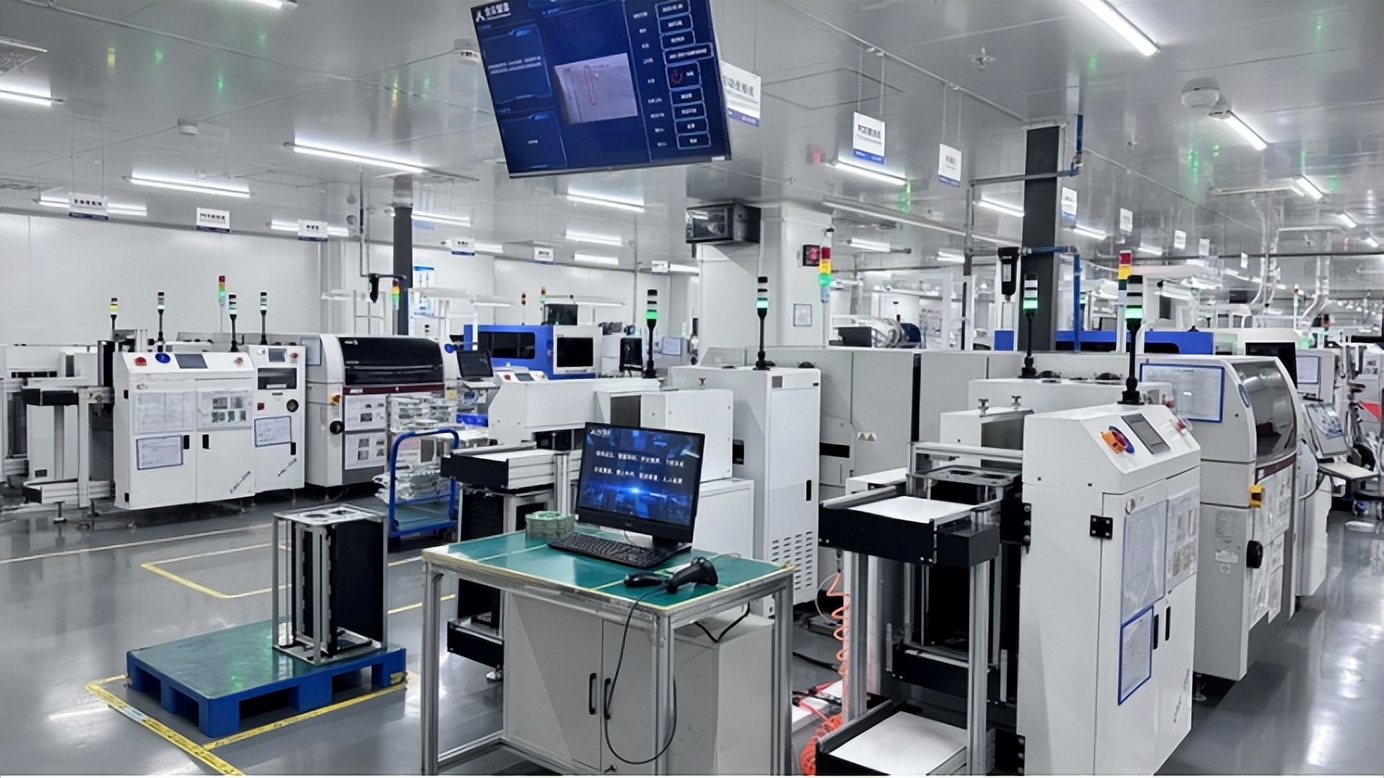
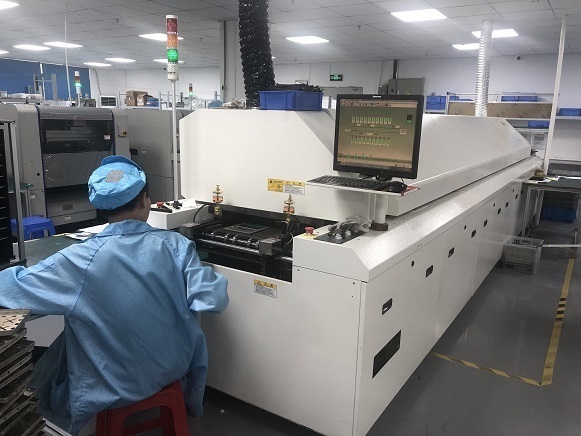

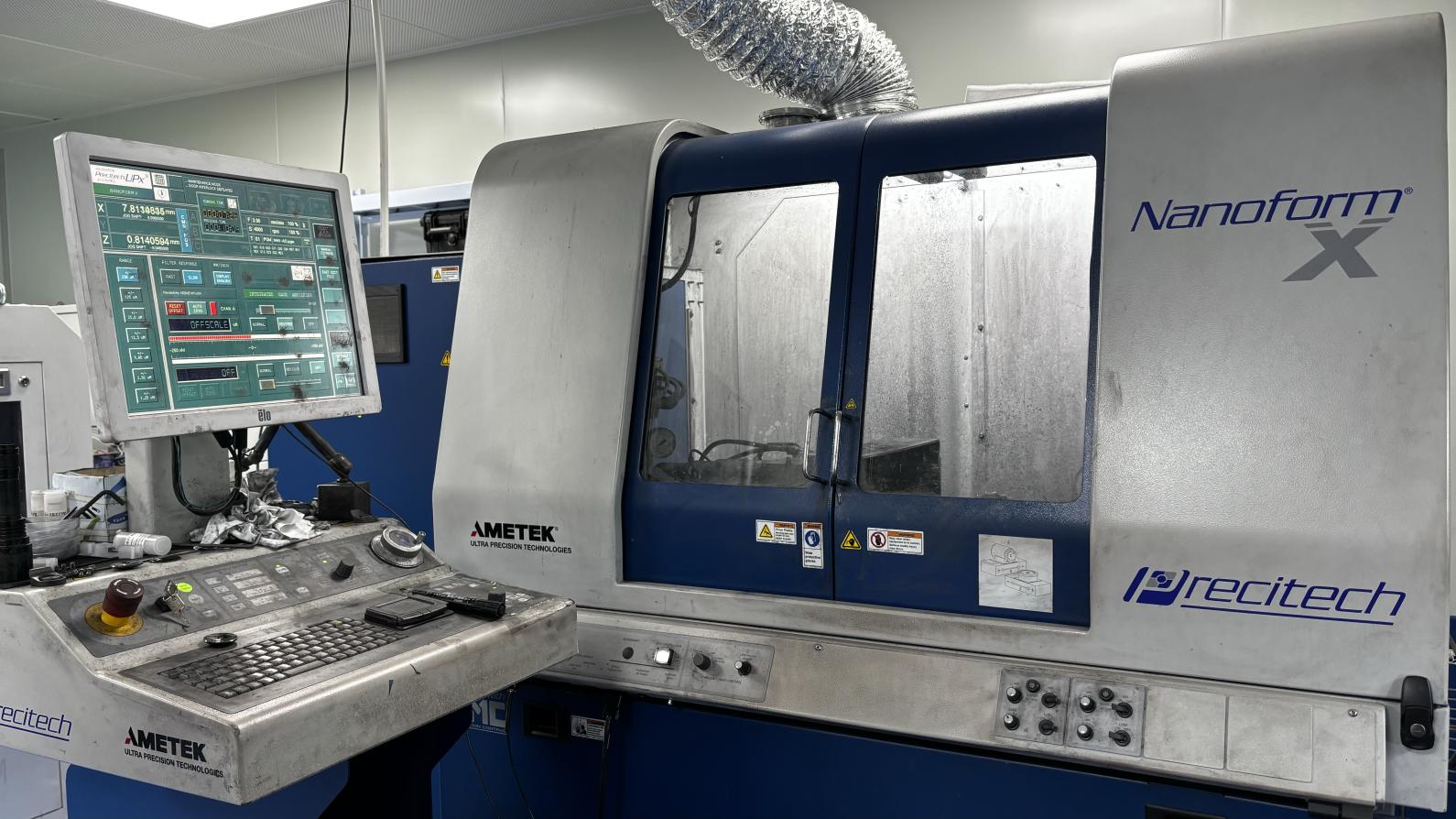
Exploring structural configurations, material interfaces, and design specifications that guarantee performance reliability.
Answers to common engineering and sourcing questions regarding industrial transceivers and connector components.
An industrial-grade transceiver is designed to operate reliably across extreme temperatures from -40°C to +85°C. They feature ruggedized physical designs, advanced thermal management materials, and specialized firmware to maintain laser wavelength stability across extreme thermal shifts.
We write and test custom EEPROM code tailored to match specific host platforms. Our modules are programmed to comply with Multi-Source Agreement (MSA) standards, ensuring seamless plug-and-play operation in multi-vendor hardware environments.
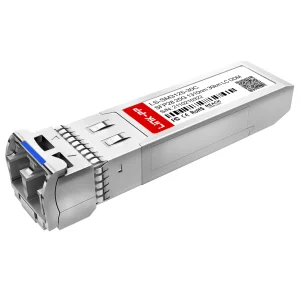
The main difference lies in their maximum data transmission speed. Standard SFP modules support speeds up to 1.25Gbps. SFP+ supports data rates up to 10Gbps, and SFP28 is optimized for high-speed 25Gbps applications, matching the requirements of modern high-speed enterprise networks.
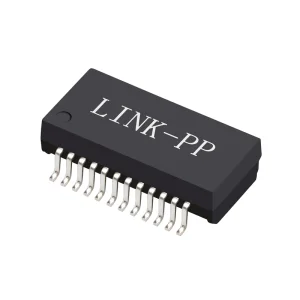
Integrating magnetics inside the RJ45 housing provides electrical isolation and helps filter out common-mode noise. This protects sensitive system components from voltage spikes, making them crucial for industrial networks.
We provide full customization, including custom optical wavelengths, connection distances, protocol tuning, compatibility coding, and mechanical modifications for SFP cages and RJ45 connector footprints.
High-quality components engineered for modern network infrastructures.
 Transolix