Direct manufacturer-certified active optoelectronics, passive cages, and magnetic modular jacks optimized for telecom & enterprise environments.
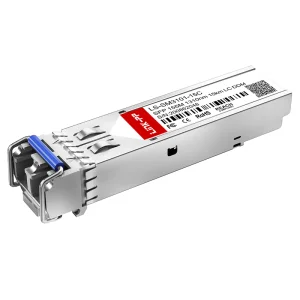
As the global economy migrates rapidly to high-density cloud computing architectures, edge distribution nodes, and 5G optical frontiers, the Small Form-factor Pluggable (SFP) module connector has consolidated its status as an indispensable pillar of system hardware engineering. Originally specified by the Multi-Source Agreement (MSA) group, these pluggable interfaces establish the electrical-to-optical conversion pathway directly at the equipment backplane. By isolating the transceiver interface from the main PCB host board, network equipment designers gain unprecedented deployment versatility, allowing end-users to populate ports on-demand using custom wavelengths, reach parameters, and transmission media.
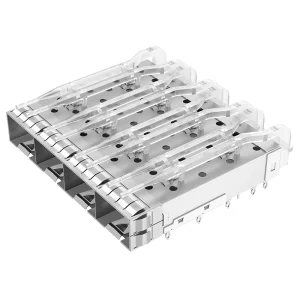
In modern hyperscale data centers, enterprise networking closets, and carrier-grade telecommunications infrastructures, the mechanical interface—comprising the host receptacle connector and its surrounding metal electromagnetic interference (EMI) containment cage—serves as the primary line of defense for signal integrity. As interface speeds scale from legacy 1Gbps channels up to high-speed 28Gbps SFP28 and even emerging multi-lane QSFP-DD standards, mechanical tolerances have tightened exponentially. Any physical deviation or impedance mismatch at the contact interface introduces signal degradation, jitter, and increased Bit Error Rates (BER) that can compromise large-scale network operations.
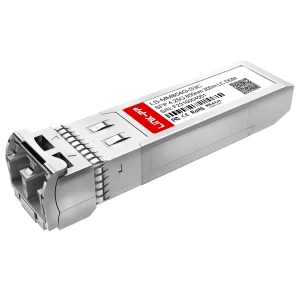
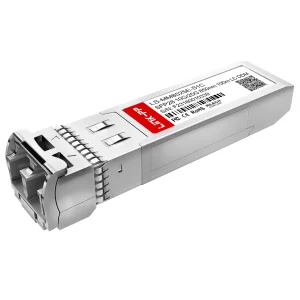
Full conformance to SFF-8431, SFF-8472, and IEEE 802.3 Ethernet protocols ensures seamless drop-in interoperability with existing multi-vendor core network systems.
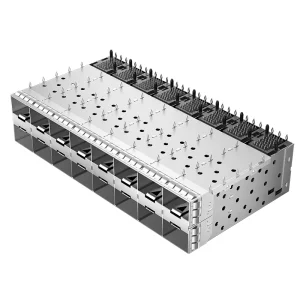
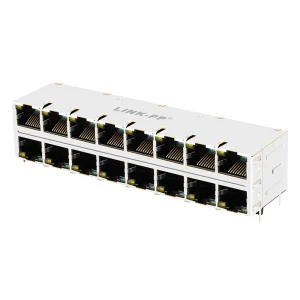
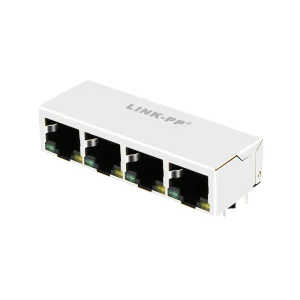
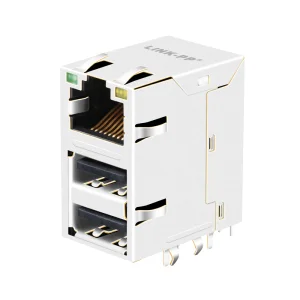
Ganged configurations (1x4, 1x6) and stacked architectures (2x8) enable maximize port concentration within standard 1RU rackmount server layouts.
Integrated copper-alloy spring fingers and conductive elastomeric gaskets suppress electromagnetic leakage under high frequency workloads.
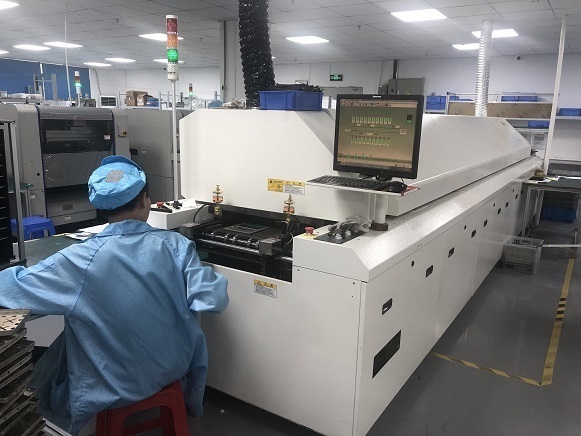
As a leading exporter based in China's advanced electronic manufacturing corridor, Transolix capitalizes on a highly integrated industrial ecosystem to offer clients superior SFP connectors and assemblies. The geographical centralization of precision stamping, high-speed plastic injection molding, and automated robotic assembly lines translates to shorter lead times and unparalleled adaptability. Unlike localized boutique manufacturers, our facility bridges the gap between raw component fabrication and finished module integration, providing complete control over the engineering value chain.
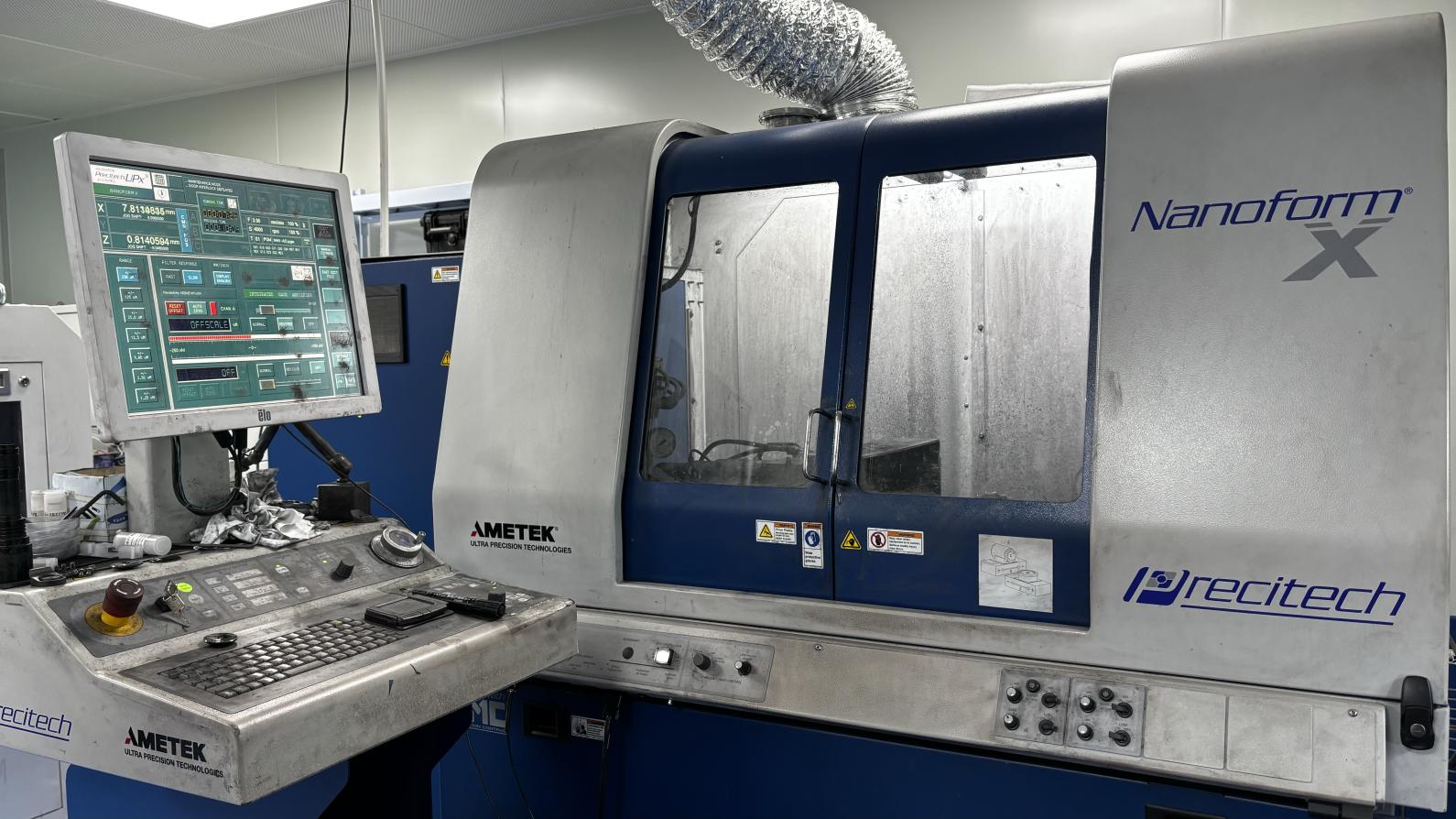
By leveraging certified local partners for raw copper alloys, high-temp liquid crystal polymers (LCP), and gold electroplating materials, we maintain a highly resilient supply architecture. This allows us to pivot rapidly from standard catalog productions to bespoke OEM designs without running into material shortages. Our dedicated 320㎡ advanced calibration and high-speed signal validation lab serves as our primary engineering hub, enabling our team of 128 R&D professionals to execute custom layout modifications, draft mechanical layouts, and validate impedance profiles in real time.
Different networking topologies introduce unique physical and electrical stresses. Our OEM products are engineered specifically to thrive across various mission-critical industrial and enterprise environments:
In high-density server architectures running virtualized applications, space is at a premium. Our SFP+ and SFP28 press-fit cages allow stackable configurations, keeping transmission lines tight while preventing adjacent port crosstalk and preserving signal integrity at 25 Gbps rates.
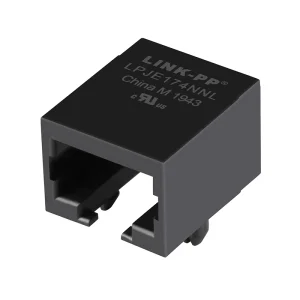
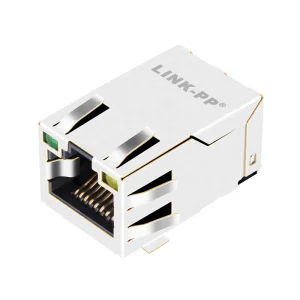
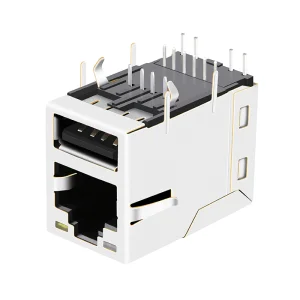
Industrial machinery generates high ambient EMI and experiences constant mechanical vibration. Our shielded modular jacks and SFP connectors feature robust PCB retention mechanisms (like press-fit alignment pins) and heavy-duty grounding tabs to ensure continuous uptime under harsh physical strain.
Outdoor cabinets and telecom towers undergo rapid temperature swings. Transolix modules are designed to run within wide temperature envelopes (Industrial: -40°C to +85°C), utilizing advanced thermal heatsinks integrated into the SFP cages to facilitate heat dissipation.
The networking landscape is accelerating beyond the bounds of legacy copper wiring. As standard enterprise switches transition from 10G/25G architectures toward 100G, 400G, and 800G frameworks, the physical layer must evolve. In high-speed serial networks, even minuscule capacitive mismatches at the connector pins can act as high-pass filters, distorting high-frequency signals. To combat this, modern connector design utilizes advanced modeling tools like 3D Electromagnetic Field Simulation to model physical structures before physical die cast manufacturing.
Key technological frontiers driving the development of SFP connectors include:
Procuring reliable interconnect systems is about more than just matching a part number. Global purchasers require verification of long-term mechanical reliability, supplier scalability, and customized firmware capability. Transolix serves telecom operators, cloud providers, and system integrators with tailor-made optical transceiver modules and physical connectors, adapting to specific protocol compatibilities (such as Cisco, Juniper, Arista, and HP) at the firmware level.
Wavelength allocations (850nm, 1310nm, 1550nm, CWDM/DWDM grids), media formats (Single-mode/Multi-mode fiber), customized EEPROM identification mapping for hardware integration, and specialized PCB footprints including SMT and right-angle press-fit alignments.
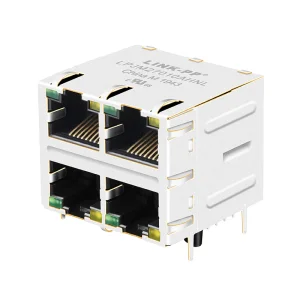
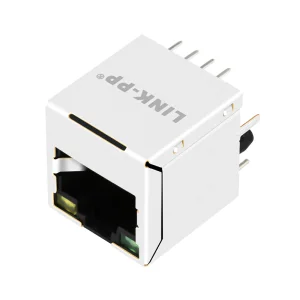
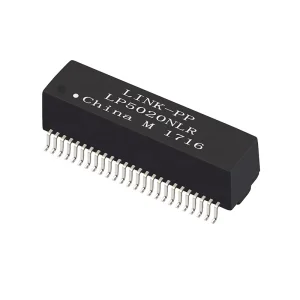
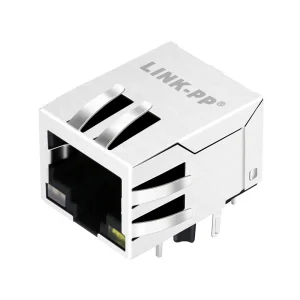
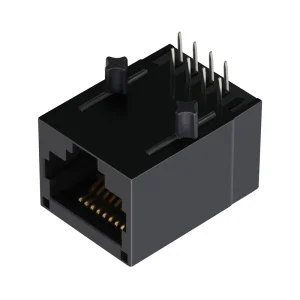
Full system compatibility, mechanical durability, and robust electrical isolation engineered for telecommunications routers and local area networks.
A visual window into our high-precision assembly halls, automated SMT setups, clean calibration labs, and shipping lines servicing customers worldwide.




 Transolix