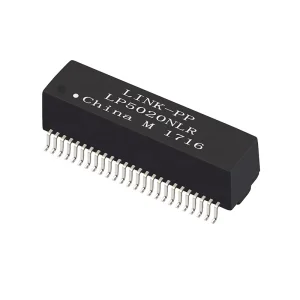
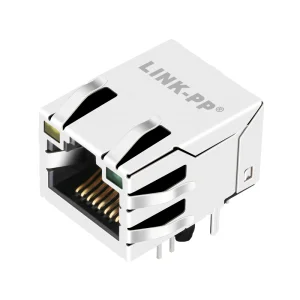
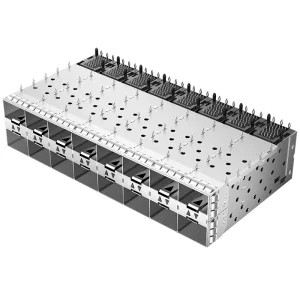
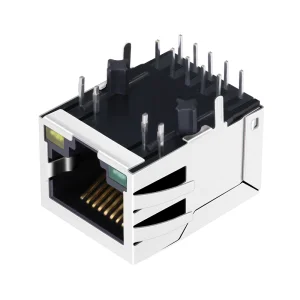
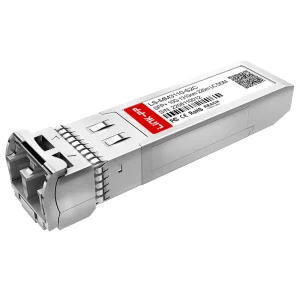
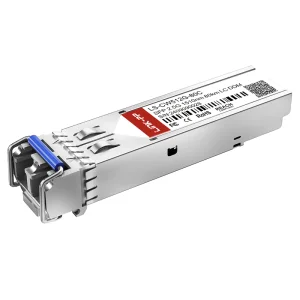
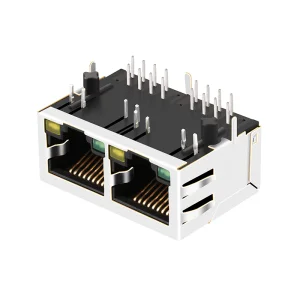
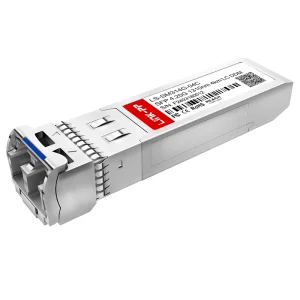
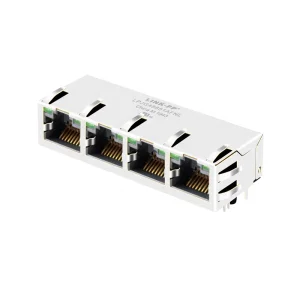
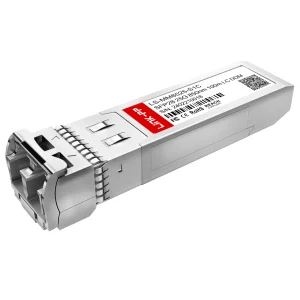
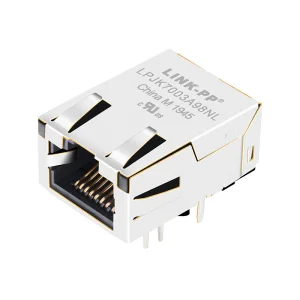
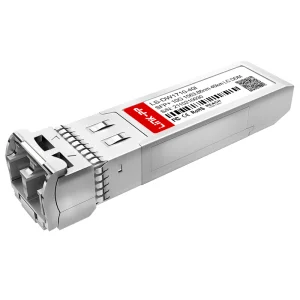
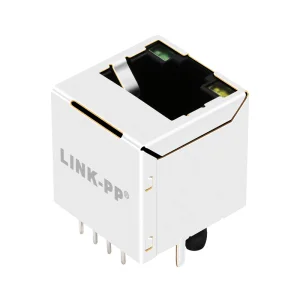
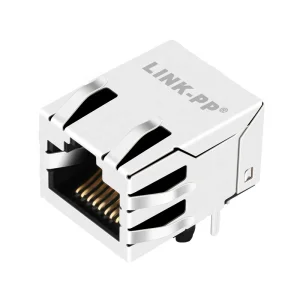
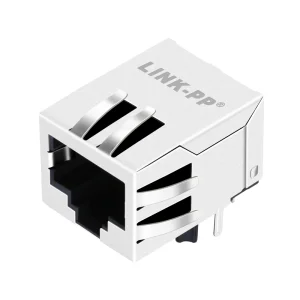
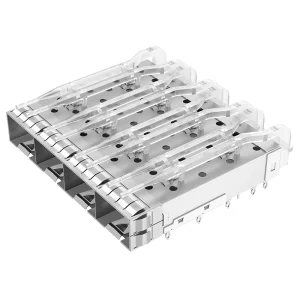
Explore our premium range of SFP cages, magnetic modular jacks, and high-performance optical transceivers
As modern hyper-scale data centers and telecommunication infrastructures struggle to meet escalating bandwidth demands within tight spatial envelopes, Compact Small Form-Factor Pluggable (cSFP) technology has emerged as a critical design protocol. By integrating two independent bidirectional channels into a single standardized SFP outline, cSFP effectively doubles port density, allowing networks to transition from traditional architectures without requiring costly motherboard re-designs.
As a leading OEM/ODM Compact SFP connector factory and supplier, Transolix bridges the gap between raw optical-electrical performance and long-term operating durability. With 11 years of structural hardware industry expertise and robust R&D engineering, we design and produce mechanical cages, connector interfaces, and high-performance transceivers that comply strictly with Multi-Source Agreements (MSA) and strict Telcordia reliability standards.
Our solutions enable telecom operators and cloud providers in North America, Europe, and Asia to optimize their switch and router density, minimize insertion loss, and maintain strict electromagnetic compliance (EMI) metrics under high-speed signaling conditions.
High-density packaging requires extreme precision in EMI control and electrical coupling performance
Unlike standard SFP configurations, Compact SFP connectors require precise mechanical mapping of multi-channel pinouts (Option 1 and Option 2 layouts) to completely eliminate cross-talk and maintain clean eye diagram performance up to 10Gbps per channel.
Our OEM/ODM press-fit cages use beryllium copper spring fingers and integrated elastomeric gaskets to block electromagnetic leakage. This meets strict FCC Class B and EN 55022 radiation limits in high-density telecom line cards.
By doubling the channel count in the same package size, thermal density increases by 100%. Our cSFP cages are designed with low thermal resistance interfaces and custom-engineered heat sinks, allowing modules to run within the industrial temperature range of -40°C to +85°C.
A comprehensive architectural breakdown for telecom system design engineers
| Feature Parameter | Standard SFP (Single Channel) | Compact SFP (cSFP Option 1 & 2) | Design Advantage / Benefit |
|---|---|---|---|
| Port Density | 1 Channel per Port | 2 Independent Channels per Port | Doubles system capacity on the same front panel. |
| Interface Connector | Duplex LC Interface | Dual Simplex LC / Dual Bidi LC | Optimizes fiber optic distribution and rack layout. |
| Pin Configuration | 20-Pin PCB Interface | 20-Pin (Reassigned for dual Tx/Rx pairs) | Backward compatible mechanical footprint. |
| Thermal Dissipation | Typical < 1.0W per module | Optimized < 1.5W for dual channels | Requires advanced thermal simulation in host systems. |
| Fiber Utilization | 2 Fibers per link (Duplex) | 1 Fiber per channel (Single-Fiber BiDi) | Saves 50% on fiber cabling infrastructure costs. |
At Transolix, we do not believe in a one-size-fits-all approach. As a dedicated OEM/ODM Compact SFP connector factory, we support complex design requests from global optical system designers. From adjusting wavelength pairings and transceiver housing shapes to integrating specialized digital diagnostics monitoring (DDM) firmware, our 128 engineers are equipped to deliver tailored solutions.
Our quality and reliability verification processes include automated optical testing, eye diagram analysis, thermal shock testing, and 100% final performance verification. Backed by ISO 9001 certification and a robust supply chain network of over 860 certified upstream material suppliers, we guarantee that every batch of cSFP and SFP connectors meets performance requirements for major switch platforms like Cisco, Juniper, Huawei, and Arista.
Whether you require multi-port ganged configurations (such as 1x4 or 2x8 press-fit cages with light pipes) or specialized low-profile RJ45 magnetic modules, we design, prototype, and manufacture custom solutions with shorter lead times than standard component suppliers.
Deploying reliable high-density optical interfaces across various industries and regions
In telecommunication central offices in North America and Western Europe, space in OLT shelves is limited. Utilizing cSFP modules doubles the subscriber density per rack unit, allowing telecom operators to expand GPON and EPON access networks without deploying new switch chassis.
With massive MIMO deployments, 5G base stations require dense optical connections to transmit baseband signals from Remote Radio Heads (RRU) to Building Baseband Units (BBU). Our industrial-grade cSFP connectors deliver low latency and high physical durability in harsh outdoor cabinet environments.
We provide localized engineering support and regulatory compliance validation (CE, FCC, RoHS, REACH) in key regions like the Middle East, Southeast Asia, Europe, and North America. This ensures seamless integration with local safety and environmental standards.
Where high-density optical interconnect technology is headed next
By integrating silicon-based optical engines directly into the connector substrate, future generations of cSFP will minimize parasitic impedance and lower power consumption down to less than 0.8W per module.
While cSFP addresses current 1G to 10G access needs, the underlying design principle of multi-channel SFP interfaces is paving the way for SFP-DD (Double Density) interfaces, supporting speeds up to 100G and 200G in identical structural dimensions.
Future cSFP designs will feature AI-driven predictive failure warnings and automated wavelength stabilization protocols. These enhancements will help operators identify fiber attenuation issues before they cause service interruptions.
Clear, direct answers for telecommunications engineers and sourcing managers
Inside our production facilities, testing laboratories, and shipping hubs
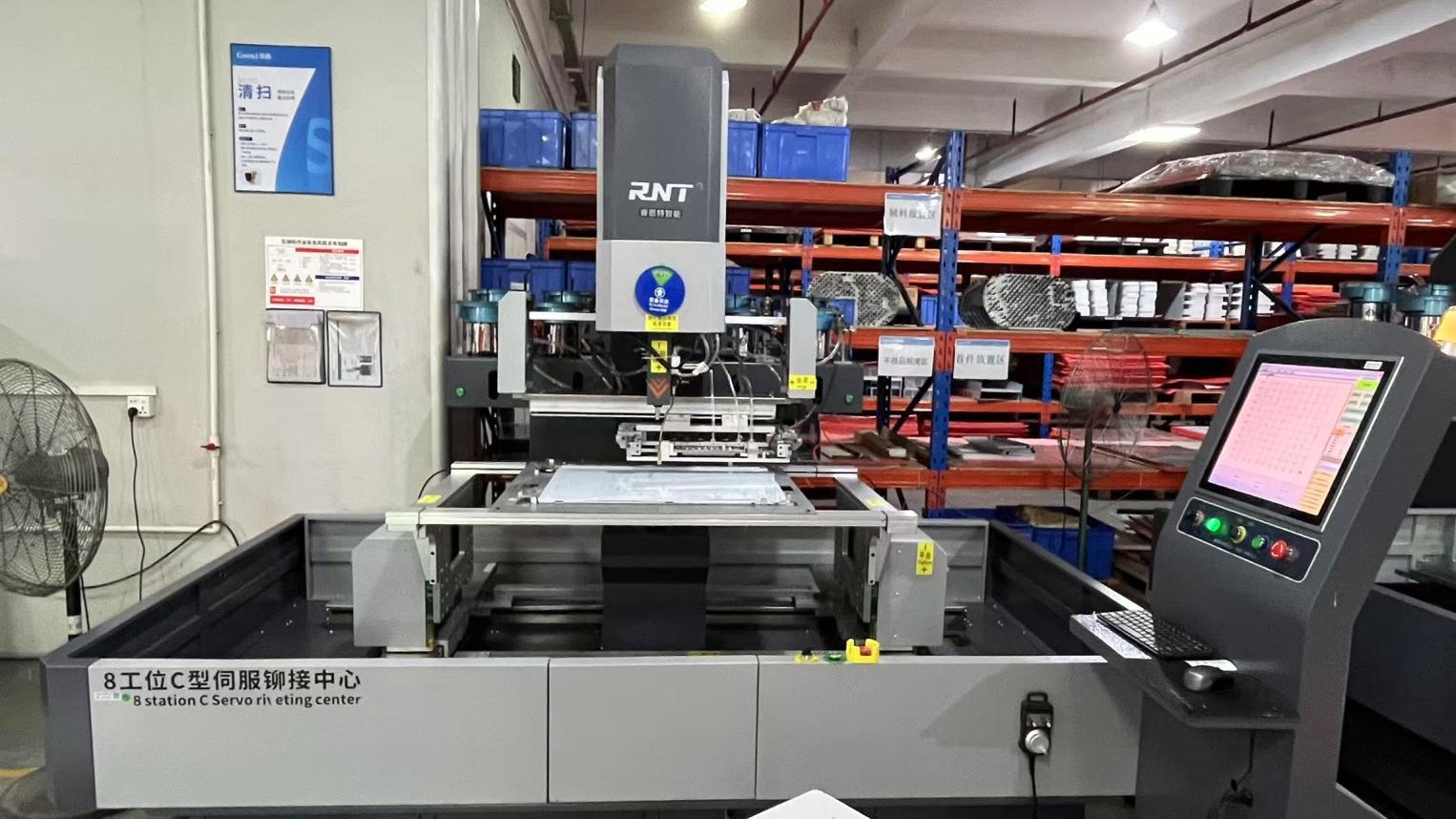


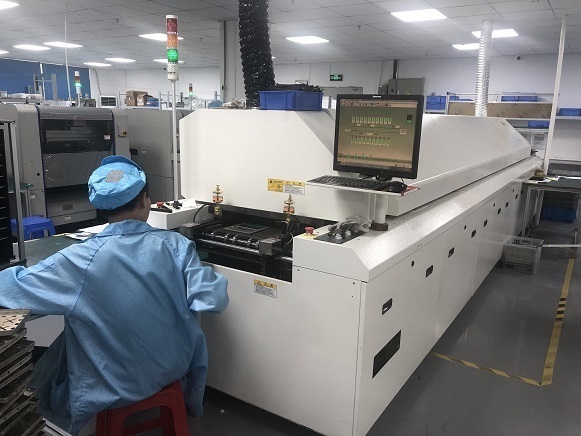

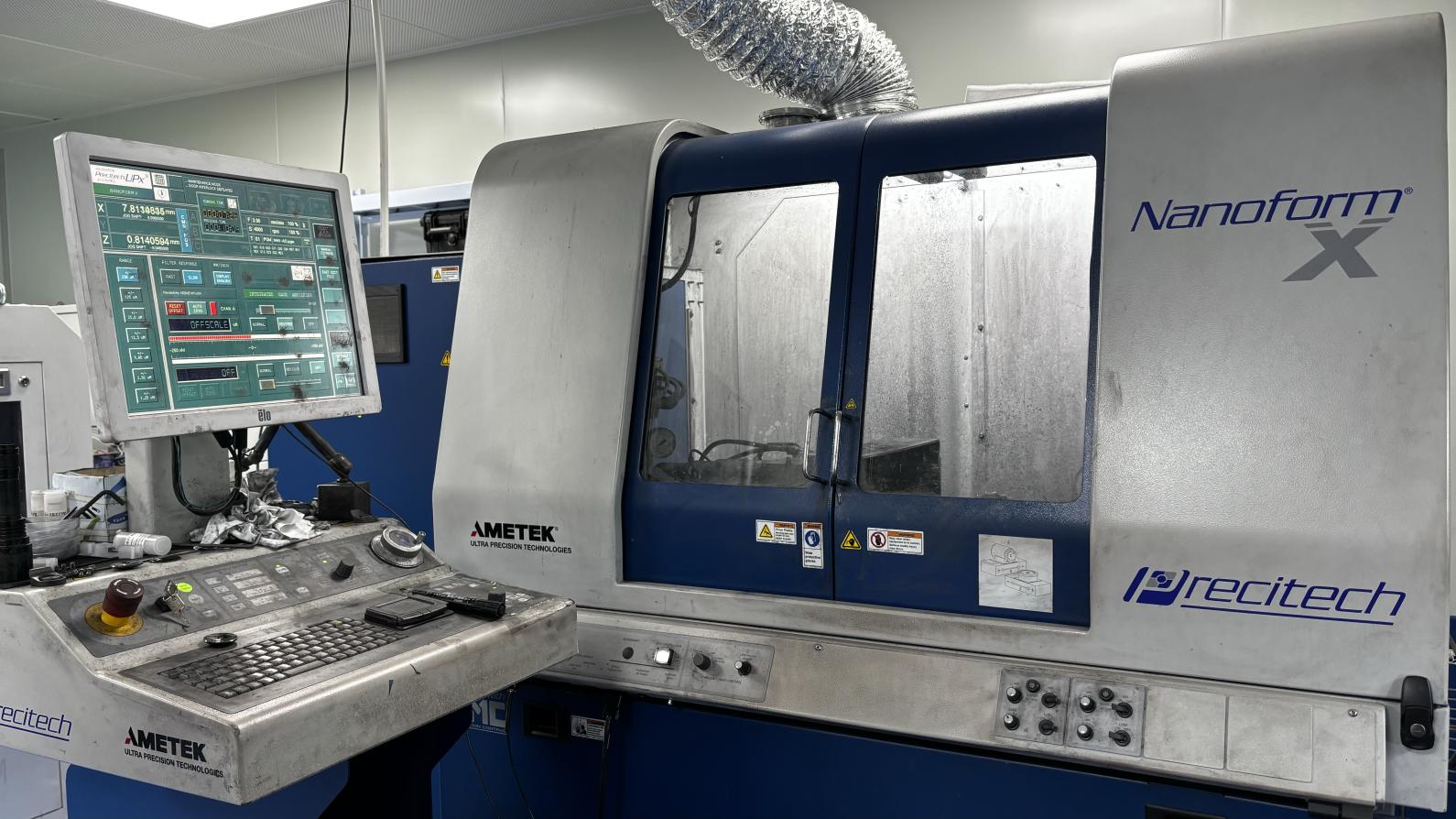
Explore our complete range of high-speed SFP, SFP+, and copper network connectors
 Transolix