Underpinning HDMI Extender Signal Integrity: Enterprise SFP Modules and RJ45 Ethernet Connectivity
How high-speed interfaces, copper matrix solutions, and optical transceivers deliver zero-latency ultra-high-definition signals.
Standard HDMI copper cables suffer severe attenuation and signal degradation at lengths beyond 5 to 7 meters, especially when transmitting 4K at 60Hz (18 Gbps) or 8K at 60Hz (48 Gbps) payloads. HDMI Extenders resolve this structural physical limitation by converting standard TMDS (Transition-Minimized Differential Signaling) or FRL (Fixed Rate Link) protocols into highly robust transmission forms designed for long-range transmission media.
As a leading hardware platform, our OEM/ODM factories focus on two critical extension protocols:
Achieving stable high-definition extension requires absolute signal integrity at the physical port level. This is why our design and engineering departments optimize every critical interface:
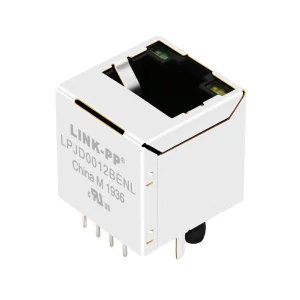
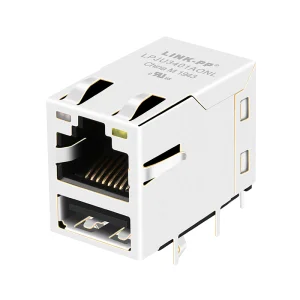
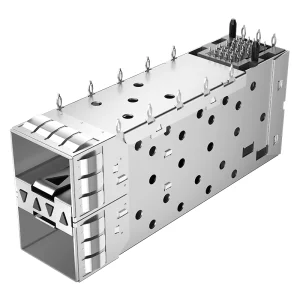
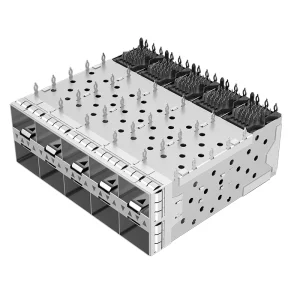
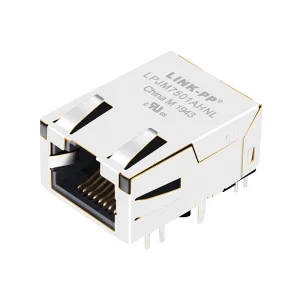
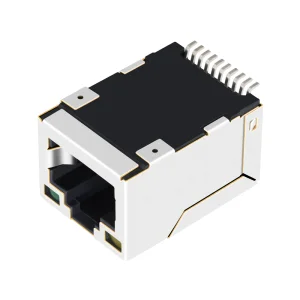
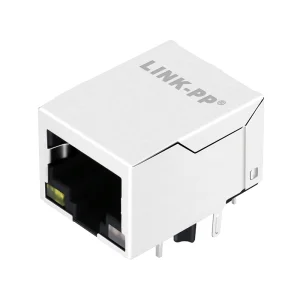
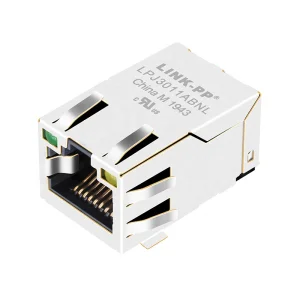
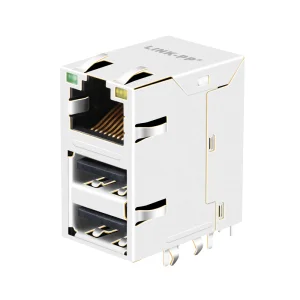
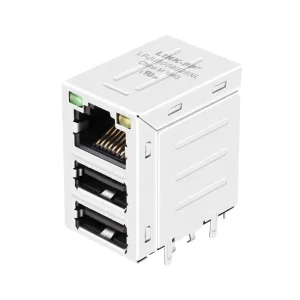
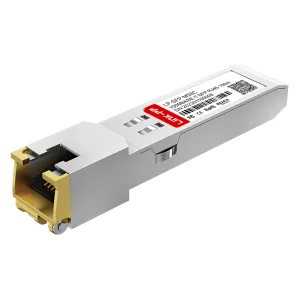
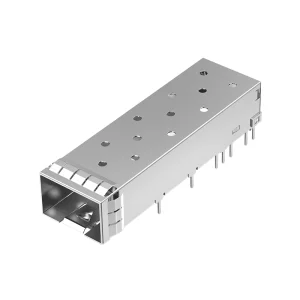
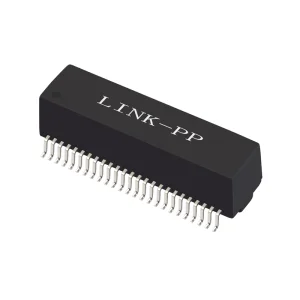
1. Signal Filtering & EMI Protection: Utilizing state-of-the-art EMI shielded SFP+ cages and integrated magnetic RJ45 jacks to suppress electromagnetic interference, ensuring packet loss is minimized in dense electrical environments.
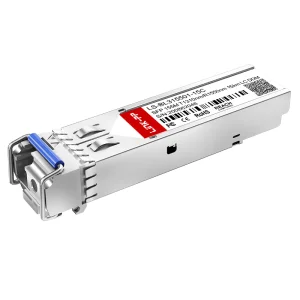
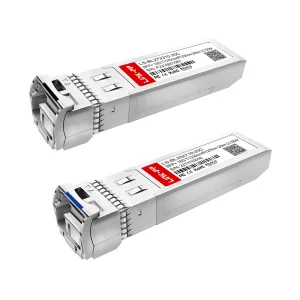
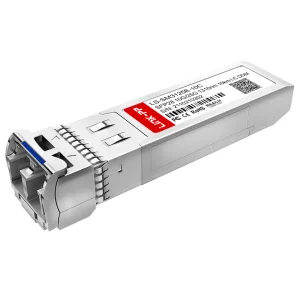
2. Electro-Optical Transceiver Modules: Integrating high-efficiency SFP+ optical engines (such as our 10G BiDi modules) to enable bidirectional audio/video transmission over a single optical strand.
Leveraging industrial clusters, deep supply chain integration, and precision quality engineering.
By nesting our facilities in China’s high-tech manufacturing hubs, we have direct access to over 860 audited upstream component suppliers, ensuring stable procurement of high-speed chipsets, optics, and custom packaging materials even during market volatility.
We deploy automated optical testing, eye diagram analysis, environmental thermal chambers, and 100% real-world application verification. No module or extender leaves the line without physical, thermal, and bandwidth testing.
Our 128 R&D engineers develop bespoke EDID configuration files, HDCP key management systems, custom GUI dashboards for AV-over-IP transmitters, and private label metal chassis tooling to match your brand requirements perfectly.
Transolix is a professional optical transceiver and networking connectivity manufacturer specializing in high-performance hardware solutions for global data centers, telecom operators, enterprise networks, and industrial AV distribution networks.
Operating with a total building area of 320m² focused on core engineering prototyping, high-level diagnostic testing, and system verification, Transolix holds over 11 years of industry experience and 6 years of international export heritage. Driven by strict ISO 9001 quality guidelines, we bridge the gap between high-speed optoelectronic designs and enterprise-grade video distribution.
How our customized HDMI Extenders and SFP interconnect modules integrate into modern vertical industries.
Military, emergency services, and transportation hubs require zero-latency display walls. By combining HDBaseT and fiber optic extenders, operators can remote high-performance computers into dust-free server rooms while rendering flawless, real-time 4K feeds at consoles over 15 kilometers away.
Medical operating theaters demand extreme precision where pixel-perfect imaging can impact clinical decisions. Our optical HDMI extenders ensure full galvanic isolation, preventing electric currents from running down cables to patient areas, while transferring high-fidelity 4K/8K endoscopy feeds with no frame drop.
Large corporate offices, university campuses, and digital exhibition spaces require fluid, decentralized video matrix solutions. Integrating our 10G SFP+ optical engines and shielded RJ45 modules into network switches allows the deployment of virtually limitless HDMI inputs and outputs across existing network infrastructure.
Where the market is heading and how our engineering team keeps you ahead of the curve.
As 8K monitors and high-framerate displays scale, standard copper Category cables hit a physical performance limit. The industry is rapidly transitioning towards Active Optical Cables (AOC) and Fiber Optic Extenders powered by custom SFP28/QSFP28 high-speed transceiver interfaces.
Additionally, SDVoE (Software Defined Video Over Ethernet) is setting the benchmark for AV-over-IP setups, standardizing 10 Gbps Ethernet pipelines. Our factory design lab builds boards with highly compatible SFP+ cages and high-performance magnetic Ethernet modules to support these demanding throughputs.
When selecting a manufacturing partner for bulk HDMI extenders and optoelectronic assemblies, enterprise procurers must prioritize structural parameters over basic cost:
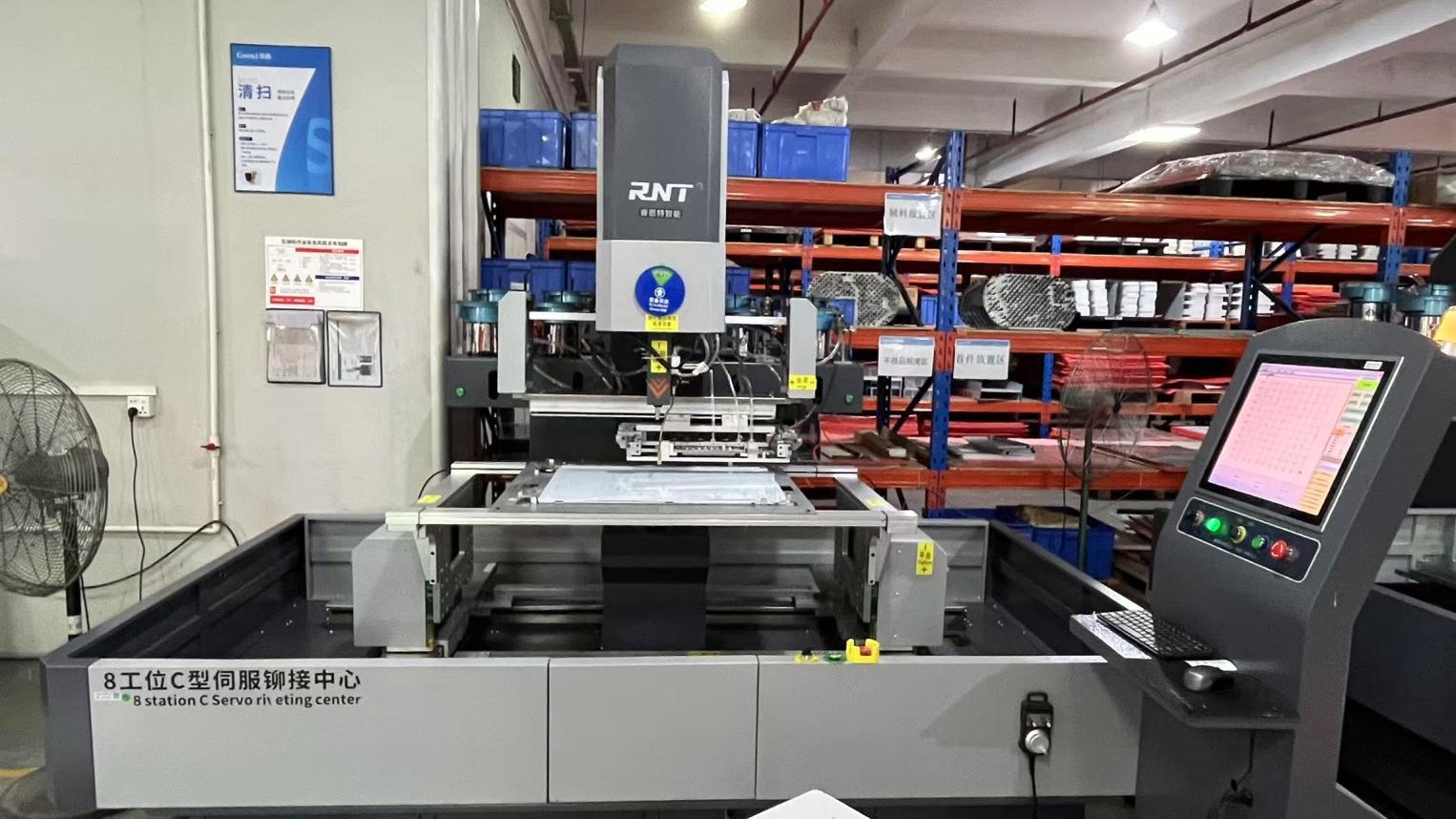
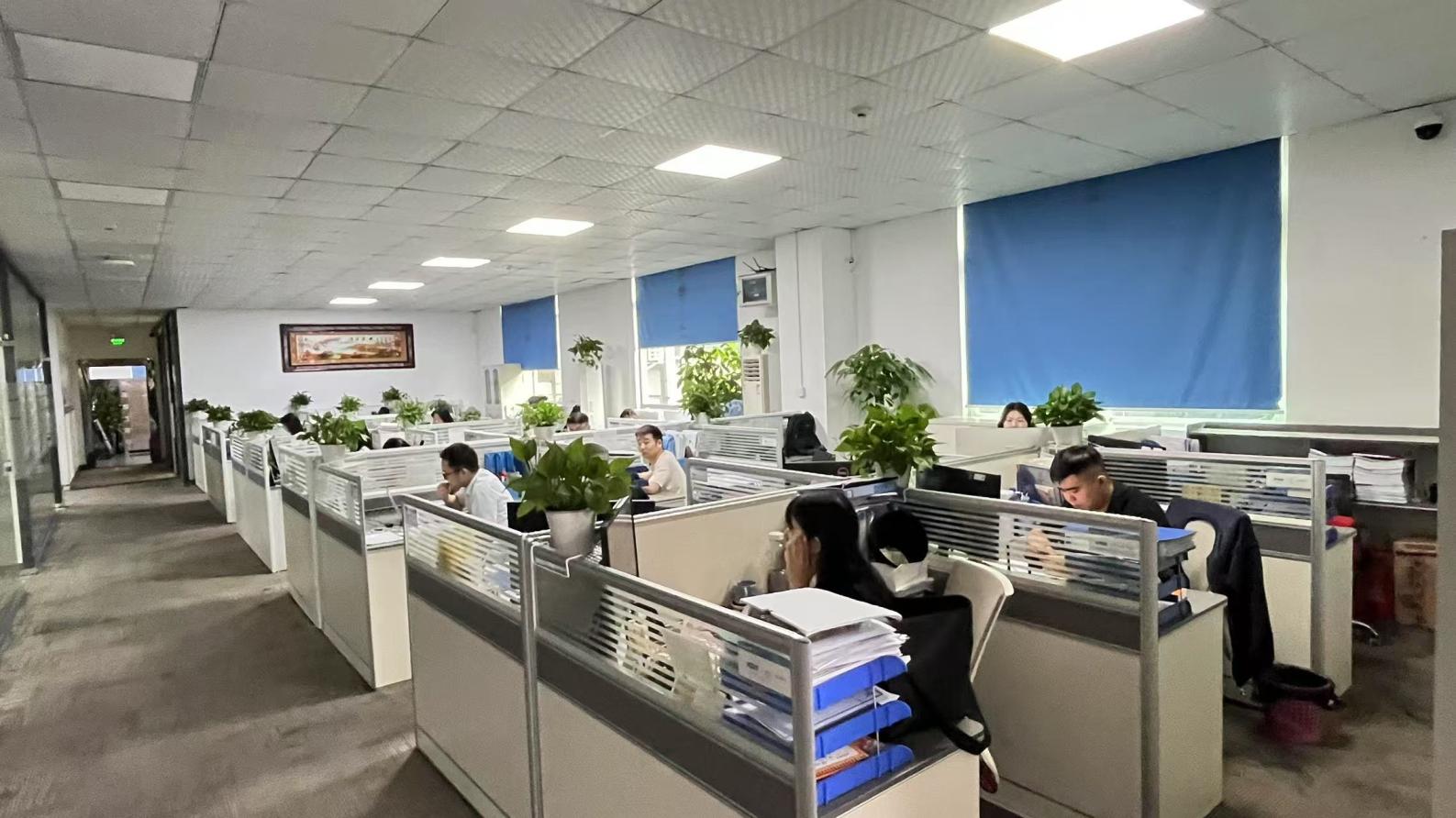
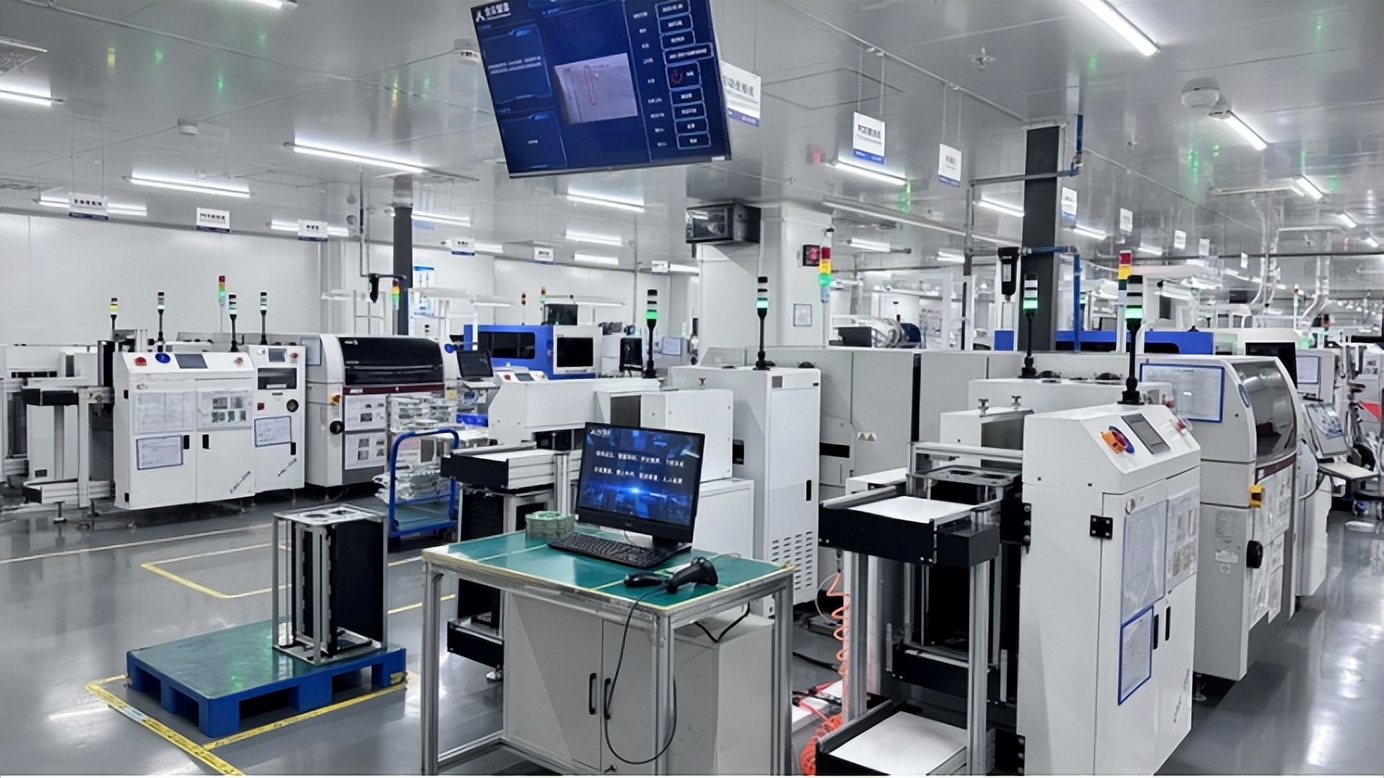
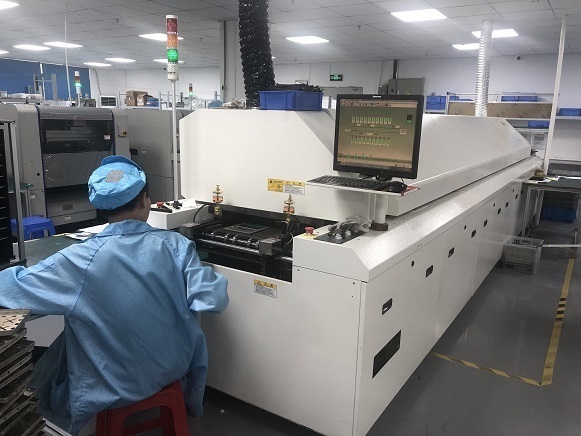
Direct window into our quality verification labs, automated surface mount systems, and assembly lines.

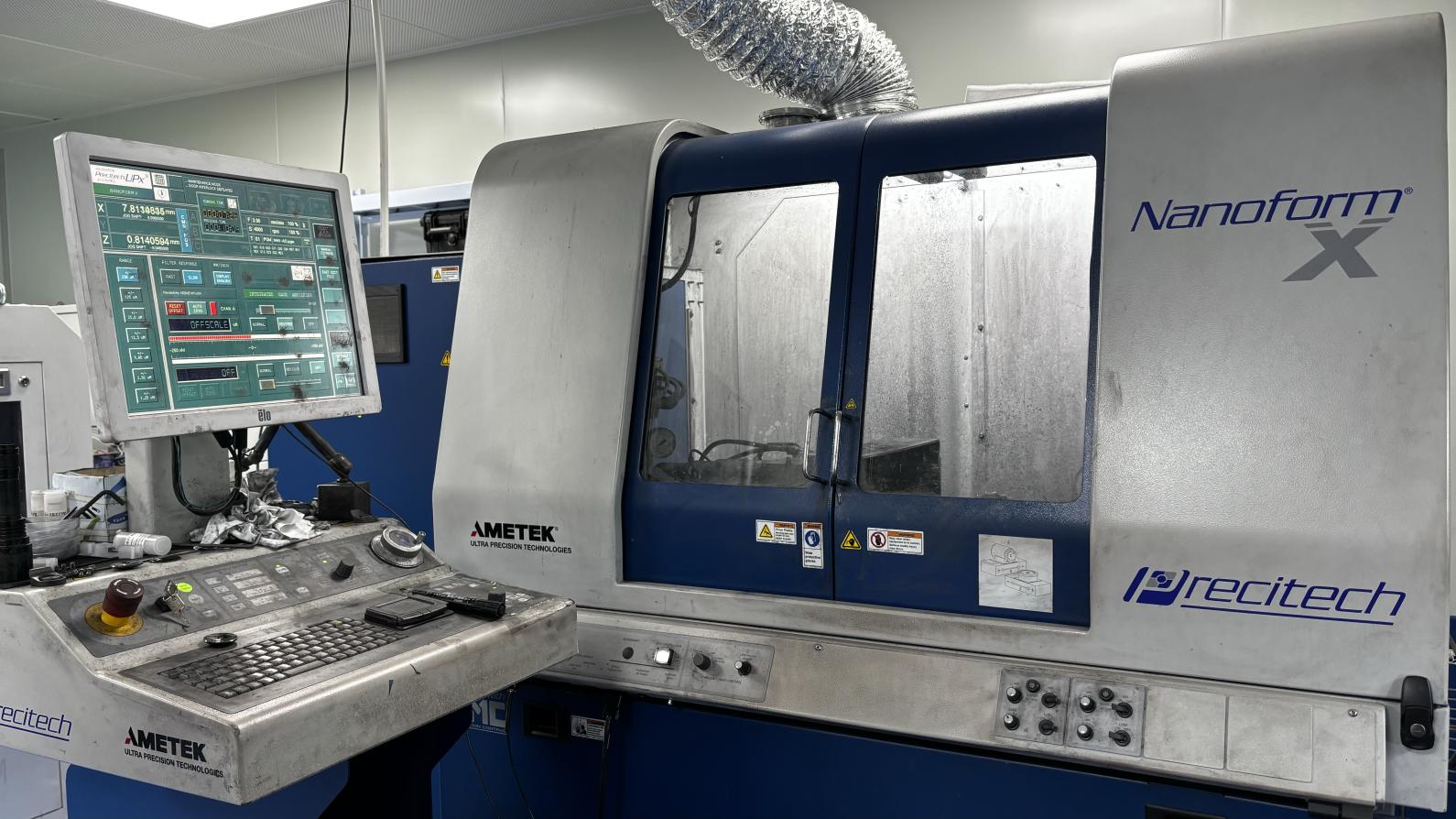
Addressing standard architectural and sourcing questions from AV integrators and procurement executives.
Explore our line of modular connectors, network jacks, and optical transceivers for OEM/ODM hardware design.
 Transolix