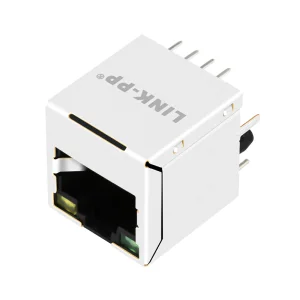
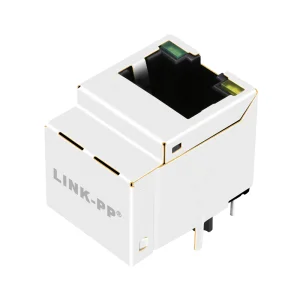
In the era of hyper-scale cloud computing, decentralized smart infrastructure, and Industry 4.0 automation, physical layer stability remains the bedrock of global enterprise networking. The RJ45 Inline Coupler, once viewed as a simple utility connector, has evolved into a critical hardware component. Modern setups require high-speed data transmission, Power over Ethernet (PoE++ Type 4) power delivery, and robust shielding against Electromagnetic Interference (EMI).
According to telecommunication market assessments, the global demand for modular copper interconnects has risen. This growth is driven by the expansion of edge-computing nodes, intelligent traffic management systems, and smart factory floor sensors. As data centers migrate their core links to high-speed optical transceivers, their local distribution networks, out-of-band management structures, and workspace distribution panels rely heavily on copper configurations. This highlights the ongoing demand for Cat6, Cat6A, and Cat8 RJ45 feed-through interfaces.
Whether expanding patch panels in corporate server rooms or deploying IP security cameras in harsh manufacturing plants, users expect network extensions to maintain signal integrity without introducing signal degradation or packet loss.
To meet the requirements of network engineers and procurement managers, inline couplers must comply with industry standards such as ANSI/TIA-568.2-D and ISO/IEC 11801. Below is an engineering overview of our design principles.
By using optimized PCB trace routing within the coupling block, we keep Near-End Crosstalk (NEXT) and Far-End Crosstalk (FEXT) levels well below standard limits. This maintains gigabit speeds across long cable runs.
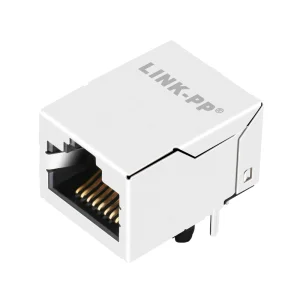
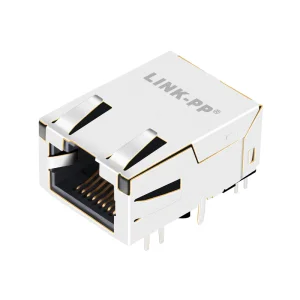
Our STP (Shielded Twisted Pair) inline couplers are encased in nickel-plated brass housings. This design provides 360-degree shielding against EMI and cross-talk, which is essential in electrically noisy factory environments.
With gold-plated phosphor bronze contact pins (50 micro-inches), our couplers maintain a secure physical connection. This prevents contact arcing and overheating during high-power PoE++ (up to 90W) delivery.
| Technical Characteristic | Unshielded (UTP) Couplers | Shielded (STP) Couplers | Compliance Standards |
|---|---|---|---|
| Supported Categories | Cat 5e, Cat 6 | Cat 6, Cat 6A, Cat 8 | ANSI/TIA-568.2-D, ISO/IEC 11801 |
| Shielding Type | High-impact, flame-retardant ABS (UL94V-0) | Nickel-plated brass shell over ABS inner frame | RoHS compliant, UL 1863 safety standard |
| Contact Gold Plating | 3u" to 50u" Options | 50u" (Micro-inches) Premium Gold Plated | FCC Part 68 Subpart F |
| Max Power Delivery | IEEE 802.3af (PoE) / 802.3at (PoE+) | IEEE 802.3bt Type 3 / Type 4 (PoE++ up to 90W) | IEC 60512-99-002 compliant |
| Insertion Durability | ≥ 750 mating cycles | ≥ 1,000 mating cycles | IEC 60603-7 interface standard |
As a seasoned optical transceiver and networking connectivity manufacturer, Transolix (established in 2016) has built a robust B2B manufacturing hub in China. With 11 years of industry experience and 6 years of export expertise, we serve telecom operators, cloud service providers, and system integrators worldwide.
Our localized industrial setup in Shenzhen and Dongguan leverages China's advanced component supply chain. This enables us to offer OEM/ODM services that combine cost efficiency with reliable production standards. We manage a certified network of over 860 upstream suppliers, securing high-grade chipsets, precise optical assemblies, and robust mechanical casings at stable price points.
Every batch of RJ45 connectors and inline couplers undergoes automated optical testing, eye diagram analysis, thermal aging chambers, and 100% final performance verification. This rigorous process is managed by our dedicated team of 42 QC professionals, ensuring our products comply with ISO 9001 and CE/RoHS standards.
Our high-speed automated production lines, testing laboratories, and component assembly environments focus on optical and copper signal integrity.
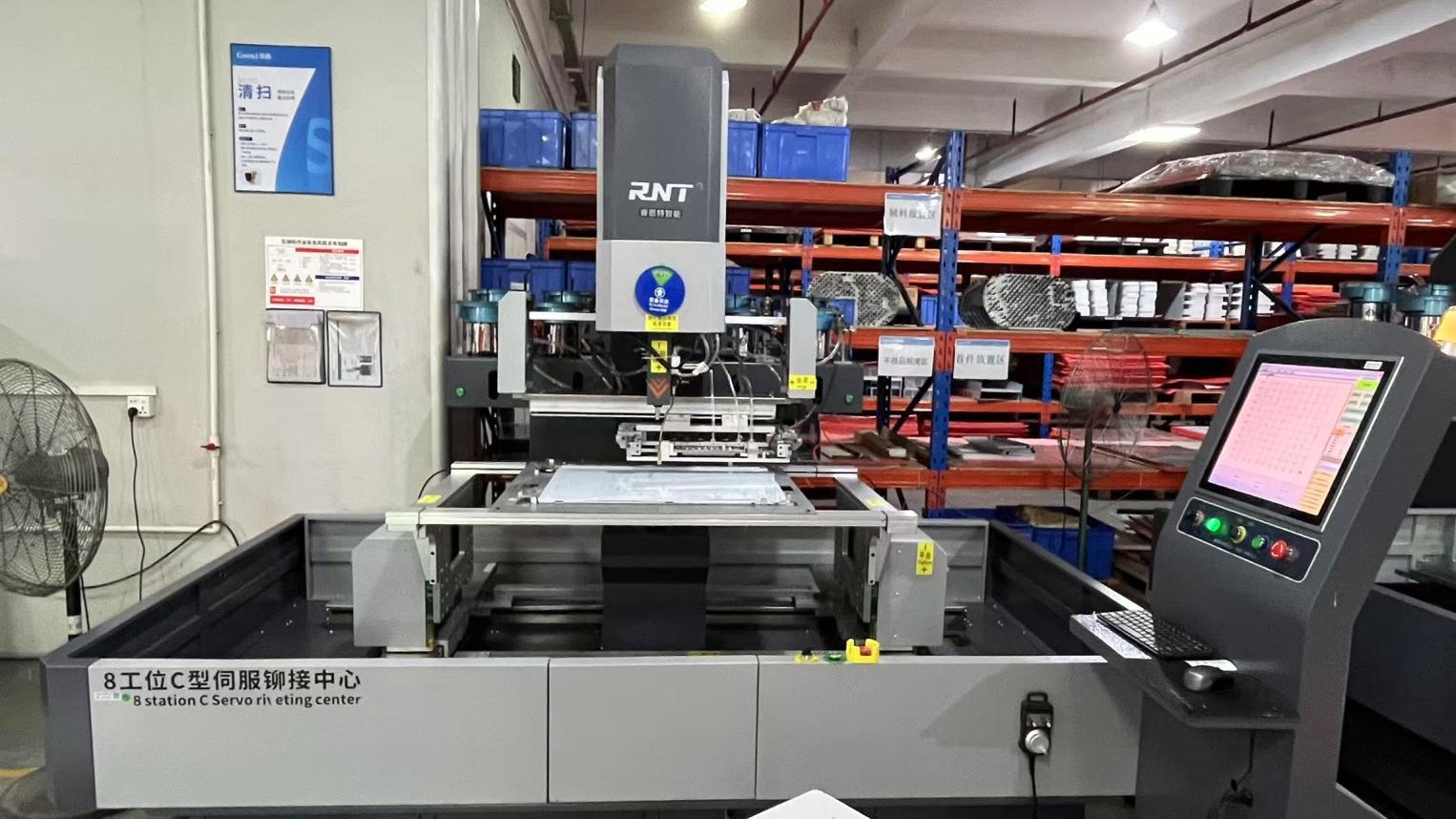

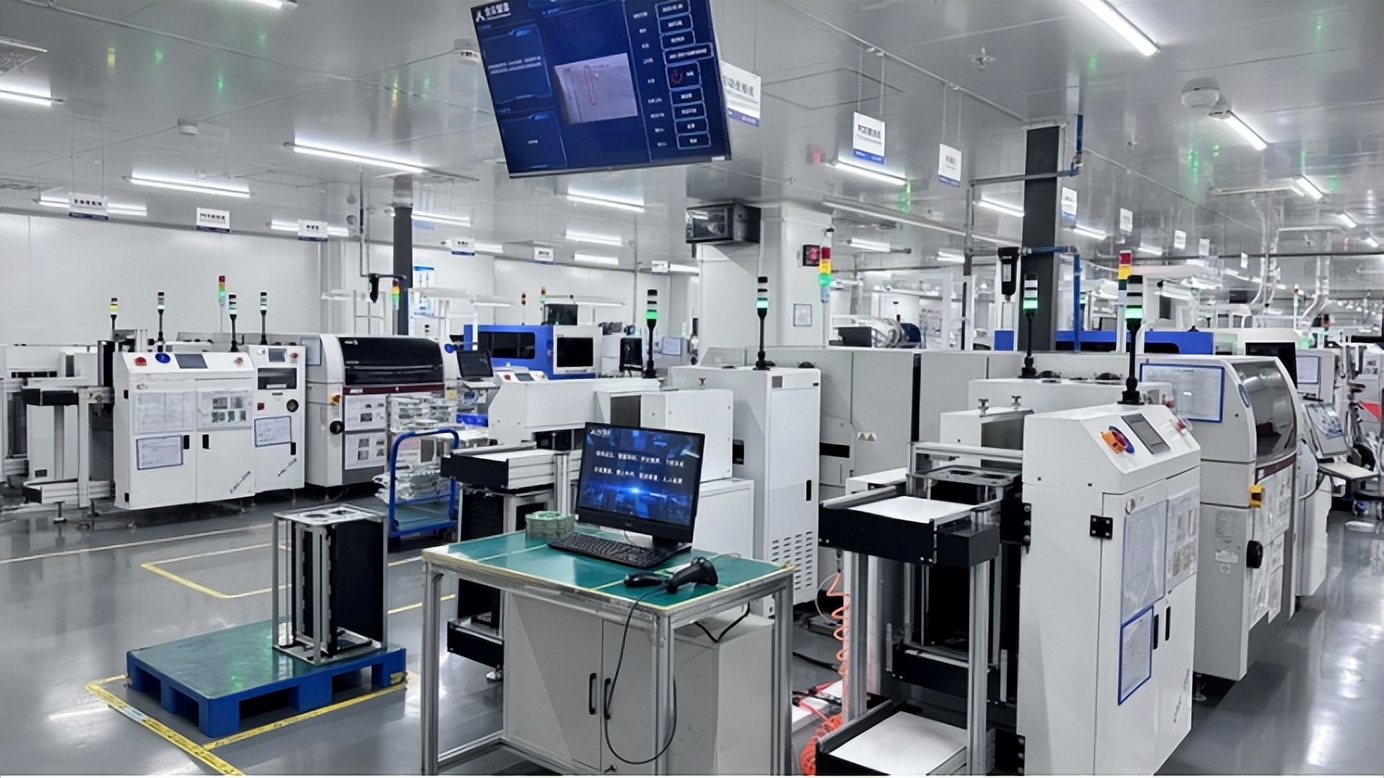
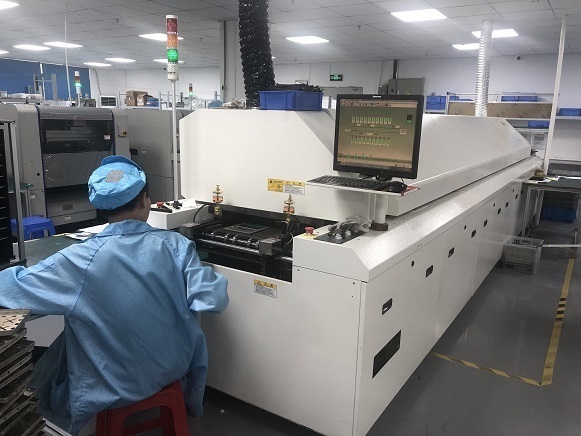

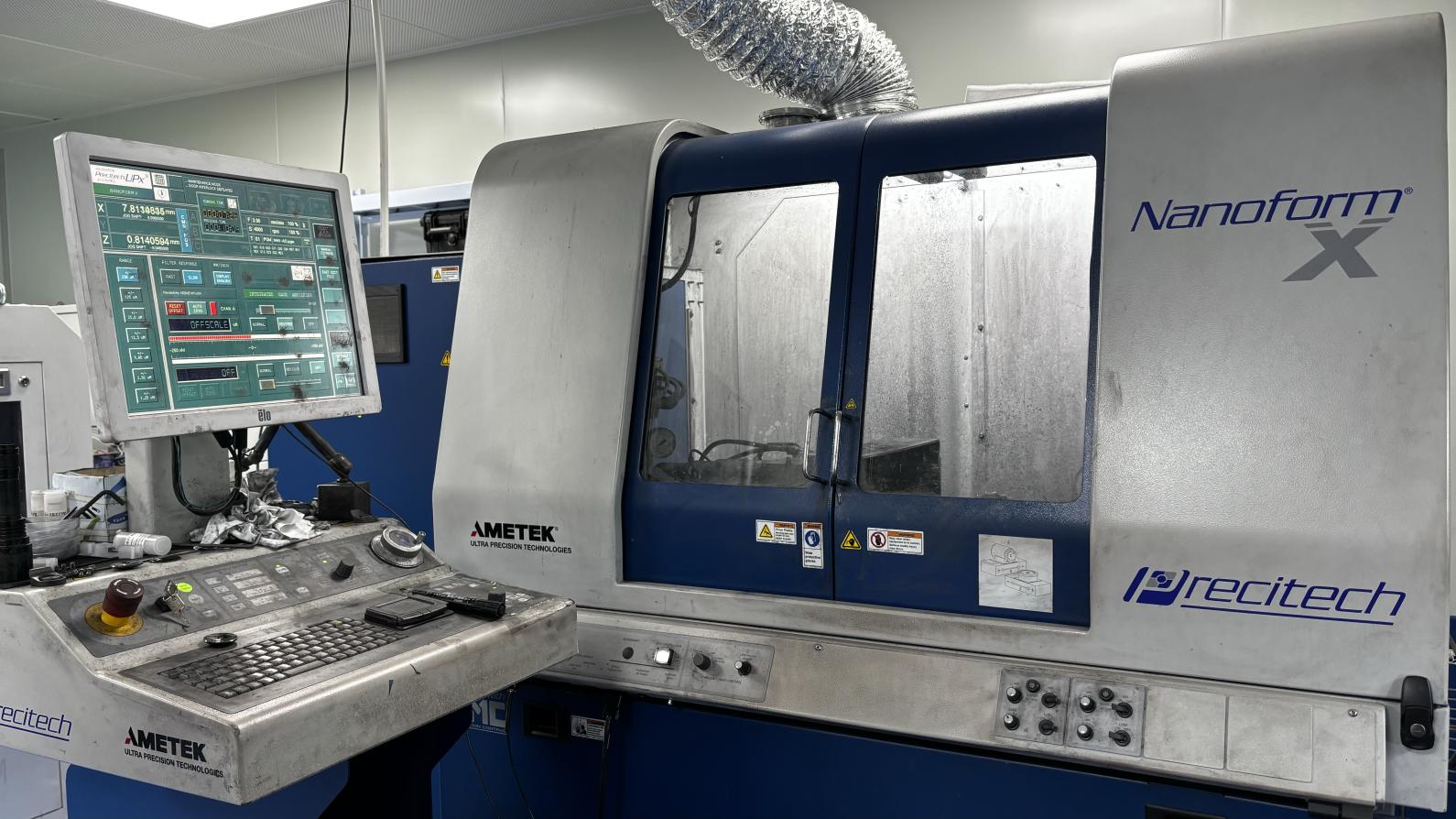
Industrial-grade network connectivity spans multiple operating environments. Our OEM/ODM designs address distinct deployment challenges:
Within dense server racks, space constraints often require short, modular patches. Keystone-jack RJ45 inline couplers let engineers patch high-density copper ports on-the-fly without rebuilding entire wire runs.
Heavy machinery and robotic arms generate strong electromagnetic interference. Using shielded STP metal couplers helps prevent packet dropouts and maintains real-time PLC signaling.
Outdoors, connectors are exposed to moisture and temperature fluctuations. Our waterproof (IP67/IP68 rated) inline couplers feature sealed housings that protect electrical contacts from corrosion.
If designed and built correctly, a certified inline coupler will not reduce network speeds or cause packet loss. When utilizing a coupler rated for the appropriate channel (such as a Cat6A coupler for a Cat6A run), insertion loss and return loss remain well within TIA/EIA limits, maintaining performance across the full length of the run.
Yes. Our couplers feature phosphor bronze contacts with 50 micro-inches of gold plating, supporting PoE, PoE+, and PoE++ Type 4 systems. This ensures a secure connection, low electrical resistance, and minimal heat buildup at high power levels.
Our OEM/ODM services cover custom housing styles, mounting designs, multi-port modules, customized printed PCBs, specialized pinouts, and custom packaging. We can also customize the wavelength, form factor, and firmware compatibility for our optical transceiver lines.
STP couplers are encased in a metal shell that grounds the shielded cable. This prevents external electromagnetic interference (EMI) and radio frequency interference (RFI) from disrupting the signal. UTP couplers are suitable for standard office spaces, while STP couplers are recommended for industrial plants, medical labs, and telecom hubs.
 Transolix