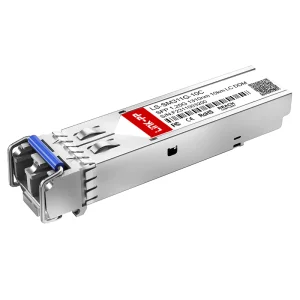
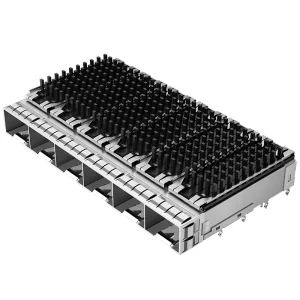
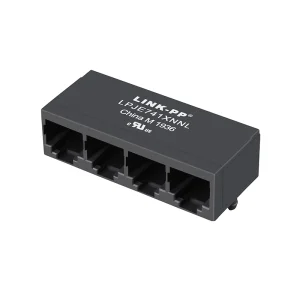
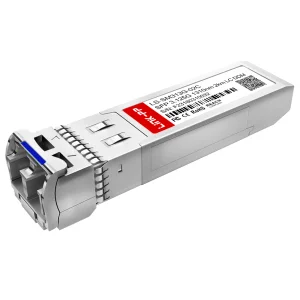
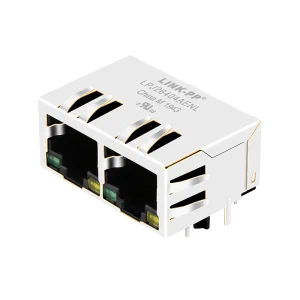
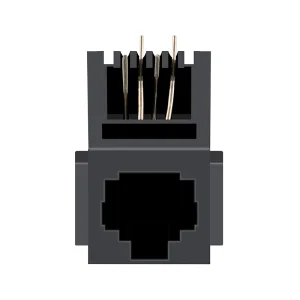
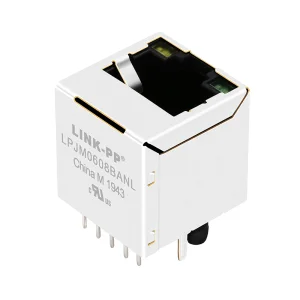
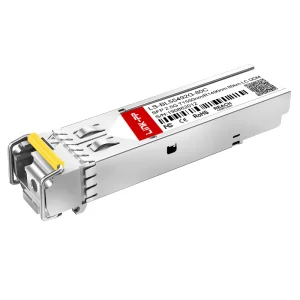
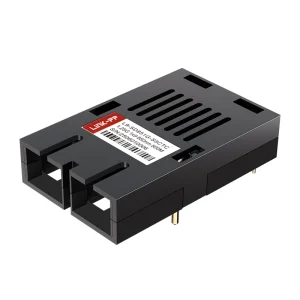
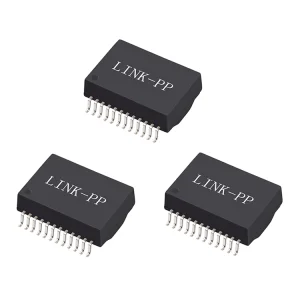
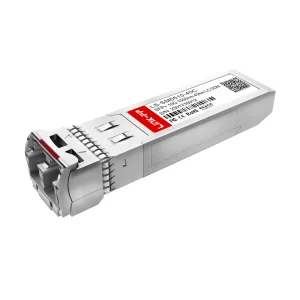
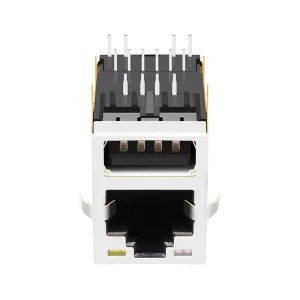
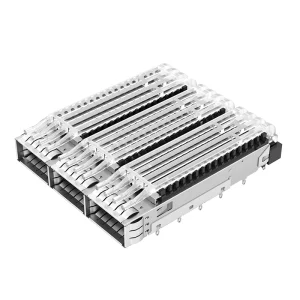
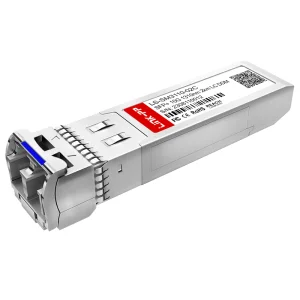
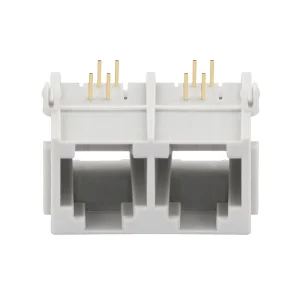
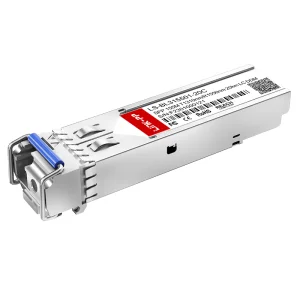
Explore our high-speed optical transceivers, shielded SFP enclosures, and modular interfaces designed for carrier-grade applications.
Transolix is a professional optical transceiver and enterprise connectivity manufacturer specializing in high-performance networking infrastructure solutions for global data centers, telecom operators, and enterprise networks. With robust engineering capabilities and scalable production capacity, Transolix is committed to delivering reliable, high-speed, and cost-effective optical and copper connectivity products worldwide.
By leveraging an extensive ecosystem of certified upstream component providers, we engineer physical-layer interconnect components, from fiber optic transceivers to high-quality RJ45 copper interface systems, structured patch cables, and integrated magnetic jacks. Our technology provides the cornerstone for modern enterprise environments requiring absolute reliability, reduced packet loss, and zero downtime.
In high-speed physical layers, copper interconnects like RJ45 patch cables operate alongside high-density optical fiber transceivers. As networks move toward 10Gbps, 25Gbps, and higher over copper, the role of premium RJ45 structured patching becomes vital. Near-End Crosstalk (NEXT), Far-End Crosstalk (FEXT), and Return Loss must be heavily mitigated.
Whether deploying Category 6 (Cat6), Category 6A (Cat6A), or Category 8 (Cat8) infrastructures, Transolix combines physical copper engineering with cutting-edge optical linecards to provide complete end-to-end local area network (LAN) and wide area network (WAN) interconnects.
The modern enterprise and industrial network landscape is driven by bandwidth expansion, IoT edge deployments, and Power over Ethernet (PoE) demands.
In data center networks, copper patch cables are widely utilized for Top-of-Rack (ToR) switch-to-server connections. The arrival of Cat8, supporting bandwidths up to 2000 MHz and speeds up to 40 Gbps over 30 meters, has positioned RJ45 patch cords as an alternative to Direct Attach Copper (DAC) twinax cables for short-reach, high-speed applications.
With IEEE 802.3bt standard enabling up to 90W-100W of power delivery over twisted-pair copper cables, thermal management is key. Manufacturers must utilize pure oxygen-free solid copper conductors rather than copper-clad aluminum (CCA), as CCA exhibits high DC resistance, leading to heat buildup and voltage drop.
Factory environments demand high levels of electromagnetic interference (EMI) shielding. Structured RJ45 cabling with aluminum foil shielding around individual pairs (S/FTP) or overall braided shielding (SF/UTP) protects crucial data transfers from industrial machinery, variable frequency drives, and heavy electrical components.
Integrating copper patch panels, modular RJ45 keystones, and fiber-optic media converters guarantees long-term infrastructure stability.
High-tier RJ45 patch cable manufacturers differentiate themselves by executing Component-Level Testing instead of simple Channel-Level testing. In component testing, the individual patch cord is tested to strict limit parameters in isolation, ensuring it will perform reliably in any system topology. Our production facility employs automated verification procedures using industry-recognized validation equipment, ensuring return loss, NEXT, and attenuation standards are met.
Transolix’s capability is supported by certified partnerships with 860+ upstream vendors. This network secures premium components, including gold-plated contacts (50 micro-inches minimum for low contact resistance), specialized flame-retardant polymers (LSZH/CMP/CMR), and high-density copper wire rods. This robust supply chain directly reduces product defect rates, ensuring consistent performance in high-speed, noise-sensitive configurations.
Our quality management workflow is ISO 9001-certified and operated by an experienced group of 42 QC professionals. In addition to testing optical transceivers for Eye Diagrams, Bit Error Rate (BER), and aging profiles, we run extensive tests on our copper and electrical modular interfaces, including:
Inspection Standards: ISO 9001 Compliance, CE, RoHS, and internal automated component testing.
Quality Assurance Staff: 42 Dedicated Inspectors
Production Testing: 100% Performance verification and batch validation for return loss and near-end crosstalk.
Customization Scope: Firmware tailoring, wavelength variation, distance engineering, and private label OEM designs.
Serving key global markets requires adherence to local building codes, fire safety standards, and regional environmental mandates.
In the United States and Canada, strict fire safety codes mandate CMP (Plenum Rated) cable jackets for pathways carrying air, such as ceiling spaces and raised floors. Our exports satisfy UL flame safety ratings, NEC requirements, and the ANSI/TIA-568 standard family, ensuring compliance for public buildings, corporate campuses, and government projects.
In accordance with the Construction Products Regulation (CPR - EN 50575), European markets require patch cables labeled with clear Euroclasses (e.g., B2ca, Cca, Dca, Eca). We design and export LSZH (Low Smoke Zero Halogen) patch cords that minimize toxic gas emissions during fire events, meeting RoHS and REACH environmental guidelines.
In fast-developing economic regions, we offer high-durability outdoor patch cords (UV-resistant, waterproof PE jackets) for base station and outdoor surveillance installations. These are designed to withstand high humidity and temperature variations common in these geographical zones.
As networks shift toward higher frequencies, physics dictates stricter control over connector tolerance and wire twisting geometries.
Developing patch cables that operate up to 2000MHz to support 25GBASE-T and 40GBASE-T, helping bridge the gap between expensive fiber systems and copper-based data center architectures.
Adopting automated foil-wrapping techniques to ensure 100% coverage, preventing electromagnetic leakage and improving resistance to high-frequency external noise.
Minimizing structural return loss at the connector contact point through integrated magnetic RJ45 connectors and optimized component-level printed circuit boards.
Transitioning toward recyclable thermoplastic elastomers (TPE) and lead-free PVC compounds to support global corporate sustainability targets.
Technical answers to common sourcing and deployment questions for procurement managers and network engineers.
Browse our wide-temp optical modules, integrated modular connectors, and magnetic isolation transformers.
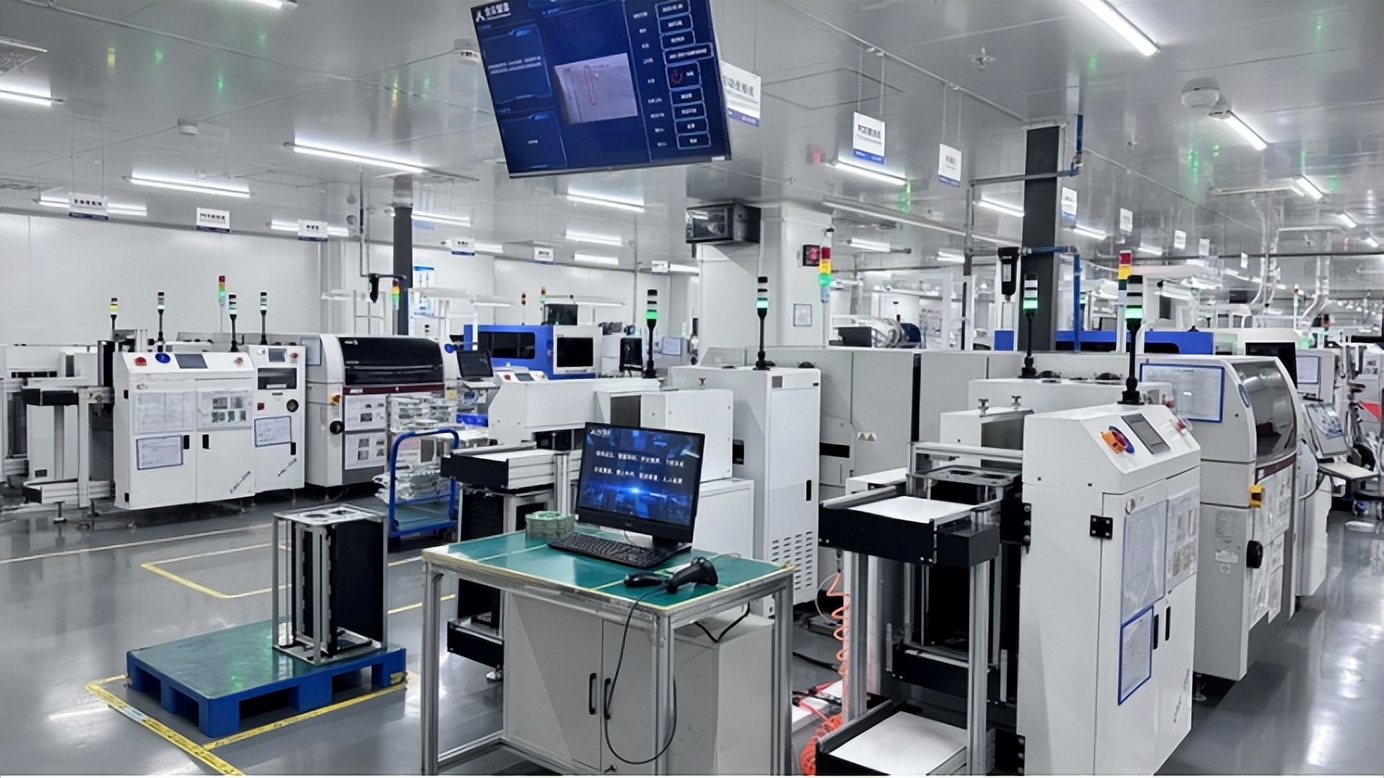
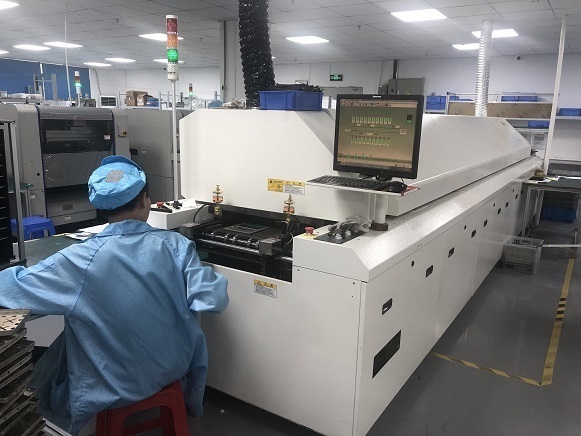
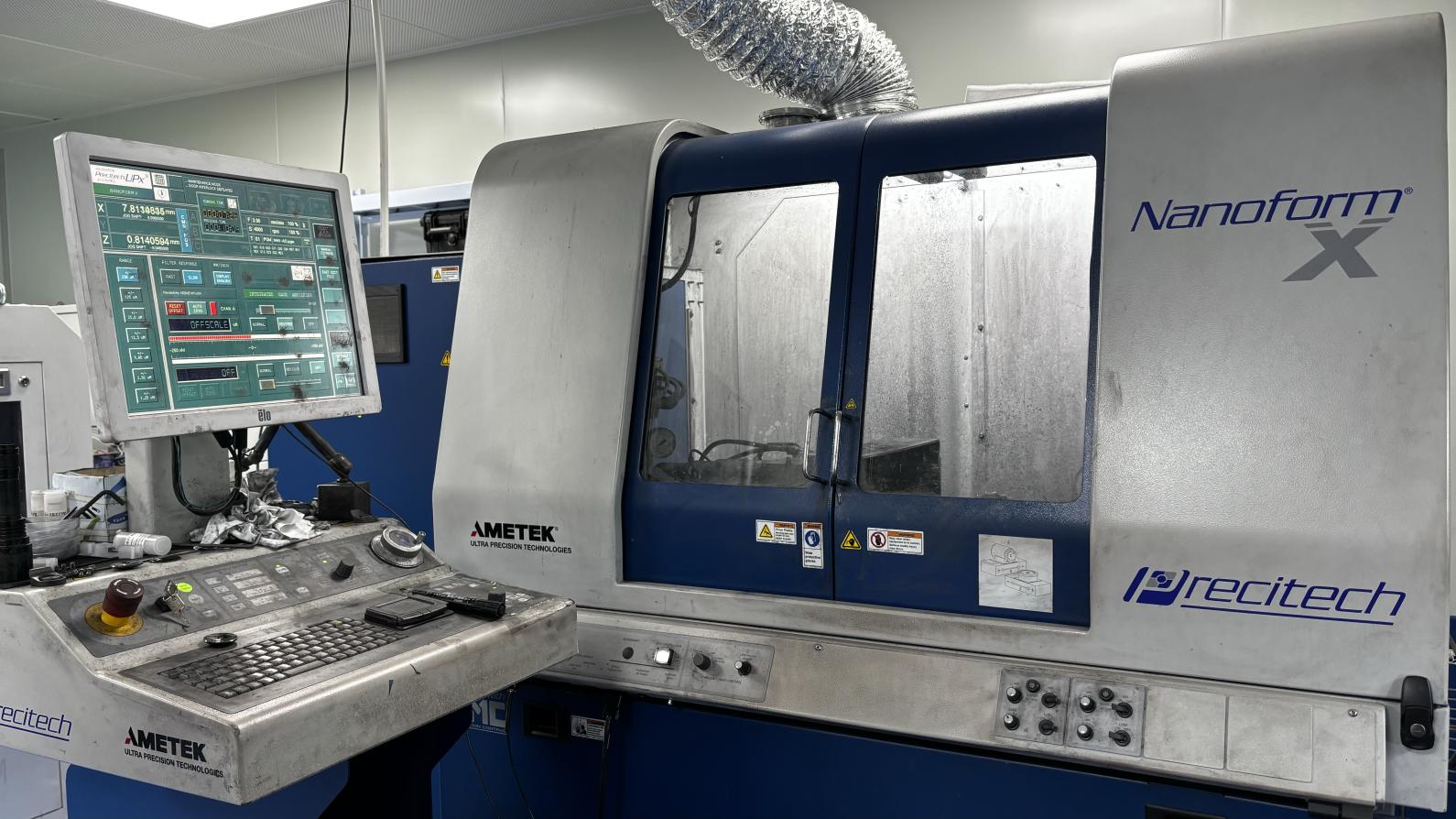
Take an inside look at our facilities, cleanrooms, optical testing labs, and assembly plants.



 Transolix