Engineered for high density, ultra-low insertion loss, and seamless hardware interoperability.
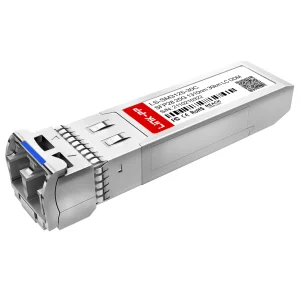
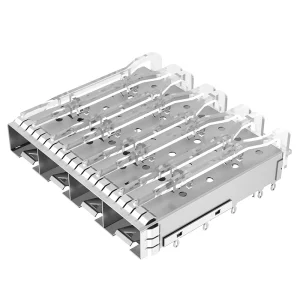
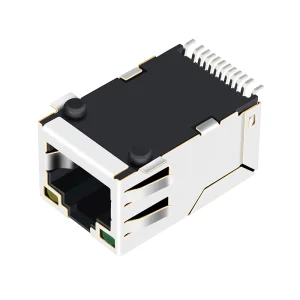
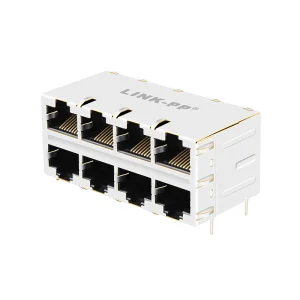
The global telecommunications and datacom landscape is undergoing a monumental architectural shift. Powered by Artificial Intelligence (AI) compute clusters, machine learning modules, and massive hyperscale deployments, the industry is moving rapidly toward denser, more efficient connectivity systems. As these speeds escalate from 100G to 400G, 800G, and ultimately 1.6T, the humble fiber optical adapter and its surrounding mechanical interface structures face unprecedented physics-based challenges.
Standard LC adapters are increasingly supplanted by MDC, SN, and CS connectors designed for next-generation QSFP-DD and OSFP transceivers. These micro-adapters double or triple port density on patch panels, reducing costly data center cabinet footprint while keeping insertion loss profiles below 0.1dB.
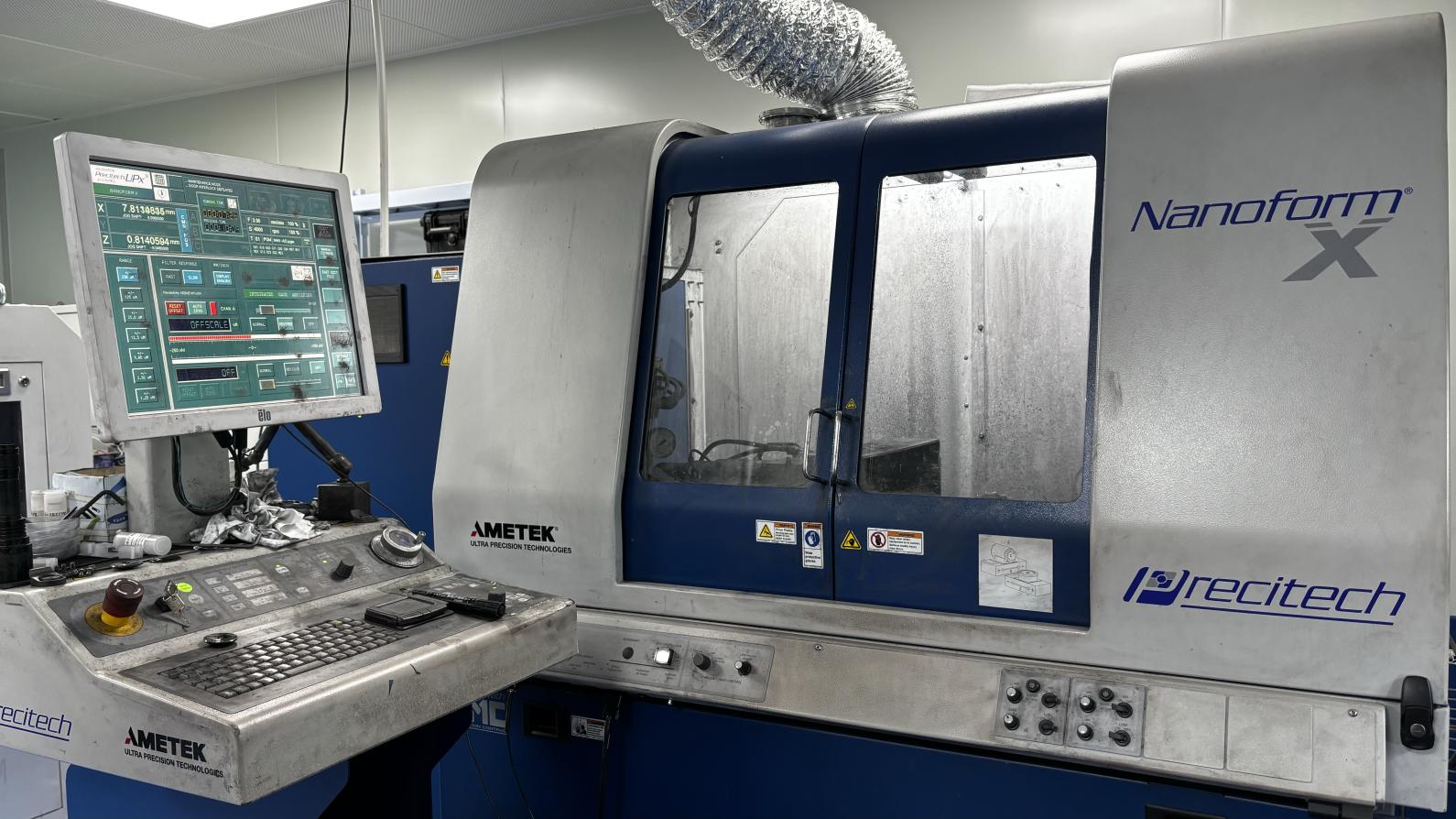
Optimal signal transmission requires perfect concentricity. China's top manufacturers now utilize sub-micron tolerance Zirconia Ceramic alignment sleeves. Precision molding guarantees concentricity offsets of less than 0.5 μm, critical for restricting multi-path interference in high-power coherent networks.
Polarization Maintaining (PM) fiber adapters are growing in demand for optical sensors, quantum computing communication nodes, and advanced optical lab equipment, demanding highly stable, customized axial alignment keys.
| Adapter / Connector Class | Material Standard | Average Insertion Loss | Typical Return Loss | Primary Industrial Use Case |
|---|---|---|---|---|
| LC Duplex (Standard) | Zirconia Ceramic Sleeve / PEI Housing | < 0.15 dB | ≥ 55 dB (UPC) / ≥ 65 dB (APC) | Enterprise LAN, Standard Data Centers |
| MPO/MTP Multi-Fiber | Precision Guide Pin Alignment | < 0.35 dB (Low-loss) | ≥ 60 dB (APC 8-deg) | High-density Trunk Cabling, 400G Backbone |
| MDC / SN Micro-Adapters | Nano Zirconia Componentry | < 0.10 dB | ≥ 65 dB (APC) | Hyperscale Breakout, OSFP/QSFP-DD Panels |
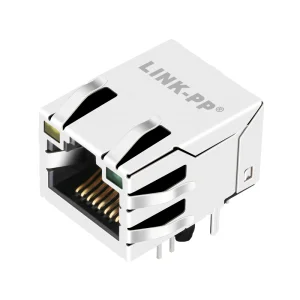
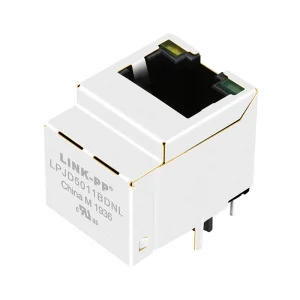
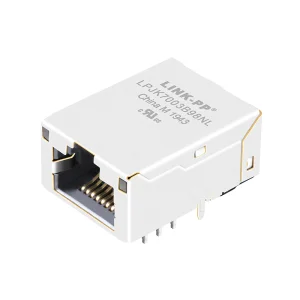
| RJ45 Integrated Magnetics | Shielded Copper, Press-Fit pins | N/A (Electrical) | N/A (Category standard) | Switch Ports, Industrial Ethernet, Base-T |
Managing structural network expansions or hyperscale procurement entails navigating a web of physical constraints, compatibility metrics, and macroeconomic pressures. Enterprise Engineering Procurement Construction (EPC) clients and system integrators prioritize the following key vectors:
Optical networks are built on Multi-Source Agreements (MSAs). Transceiver modules must interoperate flawlessly with switches from Cisco, Juniper, Arista, Huawei, and others. If a manufacturer’s EEPROM/DDM firmware isn't properly coded, switches may reject the transceivers. Sourcing from manufacturers like Transolix who offer deep firmware customization is a paramount risk-mitigation step.
Industrial applications, outdoor FTTA (Fiber to the Antenna) enclosures, and harsh marine communication setups require connectors and adapters with rugged construction. Zirconia alignment sleeves must withstand a minimum of 500 mating cycles without physical degradation or increase in insertion loss. Furthermore, plastic housings must comply with UL 94V-0 flammability ratings and maintain performance under sub-zero thermal extremes (-40°C to +85°C).
In long-haul telecom runs (like 30km, 80km SFP28/SFP+ networks), every fractional decibel of loss counts. A poorly manufactured adapter can consume 0.5dB of the link budget, risking signal drops over high-frequency channels. Procuring adapters with certified low-loss properties ensures headroom for fiber splices and aging equipment.
For deployment in North American and European markets, components must strictly conform to RoHS, CE, FCC, and Telcordia GR-326-CORE reliability requirements. High-quality Chinese exporters provide detailed testing documentation (including interferometry data reports) with every production batch to verify performance.
Founded in 2016, Transolix has evolved into a leading specialized B2B exporter and optical transceiver manufacturer. Headquartered in a precision-designed 320㎡ clean-room facility optimized for micro-optical assembly, Transolix serves telecom operators, cloud providers, and global system integrators.
Quality at Transolix is overseen by 42 dedicated QC professionals. The company operates under strict ISO 9001 certifications alongside rigorous internal reliability frameworks. Our comprehensive validation protocol includes:
With an engineering backbone of 128 R&D specialists, Transolix focuses on optical design, high-speed signal integrity, and high-density module integration. Customization capabilities include:
Sourcing optical communication hardware from China is no longer merely about low labor costs. The modern value proposition lies in **Factory 4.0 digital automation, unmatched component ecosystems, and end-to-end supply chain agility**.
At Transolix, we maintain active partnerships with **860 certified upstream suppliers**—ranging from semiconductor chipset developers and raw zirconia component molders to advanced precision packaging suppliers. This dense vertical integration enables us to mitigate global raw material shocks, secure stable chip allocations during global shortages, and optimize manufacturing lead times to a fraction of the industry average.
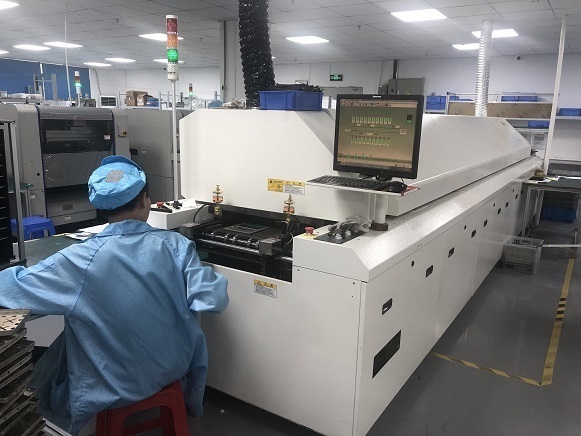
Our micro-factory model focuses heavily on automation. Automated robotic pick-and-place systems, laser-welding workstations, and algorithmic optical alignments reduce human error, driving up production yields and ensuring highly repeatable optical performance.




Optical interconnect technologies are the invisible nerves of modern digital civilization. Here is where the Transolix product suite finds critical, everyday utility:
In high-density spinal architectures, 25G SFP28 SR, 40G QSFP+, and QSFP-DD transceiver modules interface with micro-LC adapters. This hardware configuration enables rapid link virtualization and maximum throughput for demanding AI model training workloads.
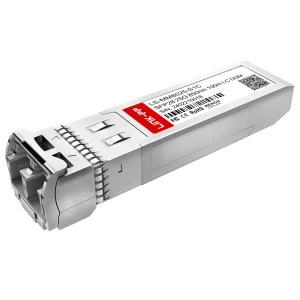
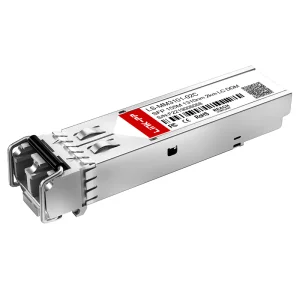
Long-distance transceivers (such as the 1550nm-TX/1490nm-RX Simplex LC SFP BiDi 80km) bypass physical fiber count limitations. By transmitting duplex signals over a single strand of fiber, operators cut physical lease costs by 50% while expanding broadband services to outlying communities.
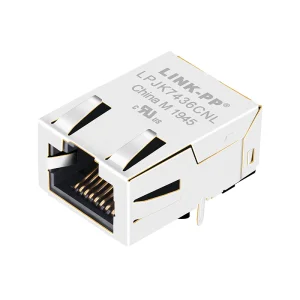
High-EMI environments like electric grid substations rely on specialized copper connections (such as waterproof RJ45 connector assemblies) to bridge local sensors back to the fiber transceiver uplinks. This hybrid configuration protects hardware from electromagnetic interference.
Expert answers to critical technical questions regarding fiber optical adapters, compatibility, and OEM manufacturing services.
Comprehensive portfolio of fiber transceivers and modular network jacks for enterprise scaling.
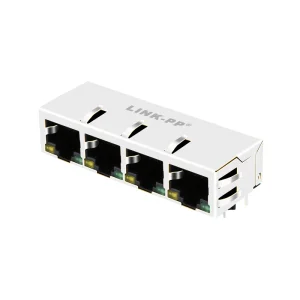
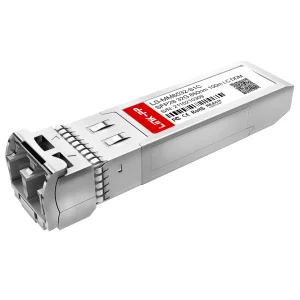
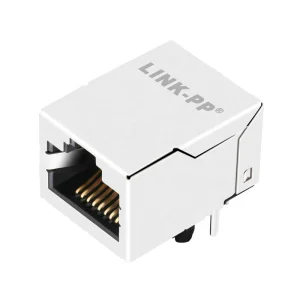
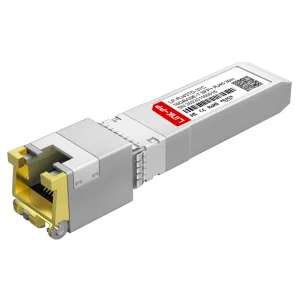
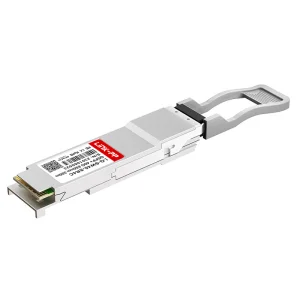
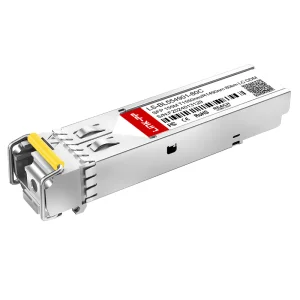
Partner with China's leading exporter of optical adapters and high-speed transceivers. Get direct access to factory pricing, certified testing data, and specialized firmware customization.
Submit Procurement Request Transolix