High-performance optical transceivers, rugged RJ45 connectors, and advanced magnetic components for telecommunication architectures
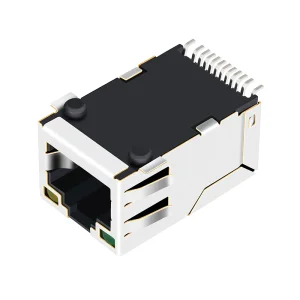
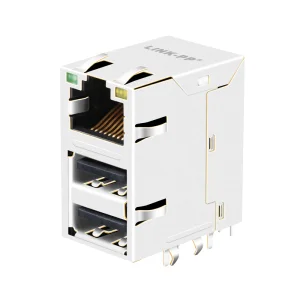
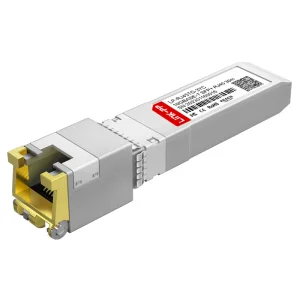
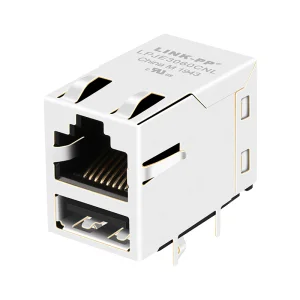
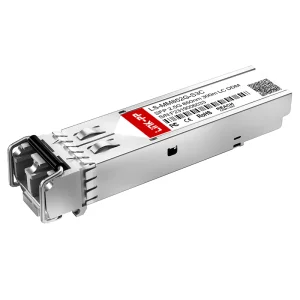
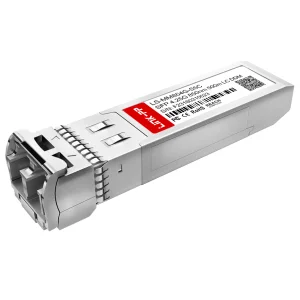
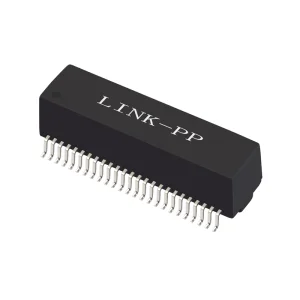
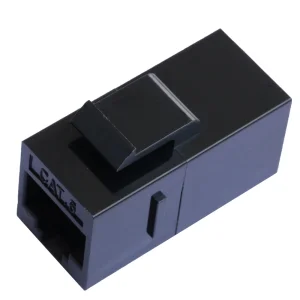
In the modern era of the Industrial Internet of Things (IIoT) and decentralized edge computing architectures, the physical integrity of network boundaries has become paramount. Historically, RJ45 connectors were engineered for clean, static office environments. However, as compute nodes migrate directly to the factory floor, maritime platforms, and remote infrastructure, standard plastic RJ45 jacks fail rapidly under mechanical strain, chemical exposure, dust intrusion, and electromagnetic interference (EMI).
This survival pressure has driven the technological evolution of the RJ45 Bulkhead Connector. Modern bulkhead connectors act as a sealed transition system, preserving signal integrity while providing a physical barrier against environmental contaminants. Standardizations such as IP67 and IP68 ratings have shifted from luxury specifications to baseline engineering requirements.
Furthermore, high-frequency data demands—spurred by machine vision, real-time sensory loops, and low-latency safety controls—have elevated the minimum crosstalk shielding requirements. Contemporary industrial layouts rely heavily on Cat6 and Cat6A configurations. These systems demand advanced shield continuity, precise internal contact spacing, and structural gold plating to prevent impedance mismatches and Insertion Loss at frequencies up to 500 MHz.
Full 360-degree metallic shells shield delicate internal twisted-pair signals from high-voltage factory machinery and power lines, keeping packet loss at zero.
Custom elastomer gaskets and threaded bayonet locking mechanisms prevent moisture, oil, and micro-particles from degrading copper contact points.
Industrial materials support operating profiles spanning -40°C to +85°C, ensuring network stability through extreme cyclic ambient environments.
Procuring industrial connection components is no longer just a transaction of sourcing cheap hardware; it is a critical strategy for mitigating hardware downtime. Operational failures at an interface layer can stall automated automotive lines or disrupt telecommunication nodes, costing companies thousands of dollars per minute. Consequently, international procurement teams in North America, Western Europe, and APAC demand strict adherence to testing standards.
Buyers expect comprehensive compliance documentation, including RoHS, REACH, and UL certifications. The focus is on finding manufacturers capable of providing traceable lab verifications. Crucial criteria include gold-plating thickness on contacts (often requiring a minimum of 50 micro-inches for industrial projects), salt spray resistance testing (up to 48 hours for maritime use), and cycle insertion life guarantees (often over 750 mating cycles).
Additionally, supply chains must be flexible. The modern procurement officer avoids single-source risks by seeking strategic partners who offer customizable designs, like hybrid RJ45/USB bulkheads or integrated magnetic modules, combined with high-volume production capabilities.
China’s industrial connector sector has shifted from high-volume manual assembly to Industry 4.0 Smart Manufacturing. Today, top Chinese connector factories utilize automated processes that optimize precision and speed, minimizing human error.
Advanced facilities feature automated high-speed stamping for terminal contacts, automated visual inspection (AOI) for shell components, and real-time electronic testing for wire continuity and dielectric strength. This automation yields consistent quality and offers the scalability needed to handle large-scale rollouts.
Additionally, China's robust electronics manufacturing ecosystem provides exceptional supply chain resilience. Raw materials, plating operations, secondary machining, and custom packaging are often located within a single industrial corridor. This layout reduces lead times, cuts logistics costs, and allows factories to adapt production schedules quickly to meet changing global demands.
| Technology Parameter | Standard Manufacturing | China Industry 4.0 Advanced Factories |
|---|---|---|
| Contact Gold Plating | 3μ" to 15μ" Flash Plating | 30μ" to 50μ" Heavy Gold Duplex Plating (Traceable) |
| Shielding Shell Material | Standard ABS Plastic / Thin Nickel Alloy | Full Copper Alloy / Zinc Die-Cast with Nickel/Chrome Plating |
| Waterproof Standard | IP65 (Splash Resistant) | IP67, IP68, and IP69K (Submersion & High-Pressure Washdown) |
| Insertion Lifespan | < 500 Mating Cycles | ≥ 750 to 1,500 Certified Mating Cycles |
| Quality Verification | Manual Batch Sampling | 100% Automated Optical Inspection (AOI) + Impedance Testing |
RJ45 bulkhead connectors must adapt to the unique challenges of their deployment environments. Below are some typical applications where specialized engineering designs are critical:
1. Industrial Automation & Robotics: Factory environments subject equipment to constant vibrations and movement. Connectors require robust locking mechanisms, such as bayonets or push-pull systems, to prevent accidental disconnection. Shell designs must also withstand exposure to oils, cooling fluids, and metal shavings.
2. Outdoor Telecom & 5G Base Stations: Exposed to direct sunlight, rain, and wide temperature swings, bulkhead interfaces need UV-resistant polymer housings or corrosion-proof metallic plating, alongside silicone seals that maintain flexibility in freezing weather.
3. Marine Electronics & Offshore Energy: Saltwater environments accelerate copper corrosion. Marine-grade bulkhead connectors feature specialized bronze or high-grade stainless steel housings and hermetic sealing to protect sensitive internal wiring from salt air.
Professional high-performance optical communication and rugged interconnect solutions
Transolix is a professional optical transceiver and networking components manufacturer specializing in high-performance fiber optic and copper communication solutions for global data centers, telecom operators, and industrial networks. With strong engineering capabilities and scalable production capacity, Transolix is committed to delivering reliable, high-speed, and cost-effective connectivity products worldwide.
Registration Date
Annual Export Revenue
Industry Experience
R&D Engineers
Our specialized facility spans 320㎡, designed for precision engineering and custom development. With 6 years of export experience, Transolix has built a global distribution network, primarily serving North America, Europe, Southeast Asia, and the Middle East.
Our ISO 9001-certified quality control program is run by 42 QC professionals. Product testing includes automated optical testing, eye diagram analysis, aging tests, and 100% final performance verification.
We work with 860 certified upstream suppliers, sourcing high-grade chipsets, precision optics, and metal housings to ensure consistent quality and component supply.
Supported by 128 R&D engineers, we released 86 new models last year. We support customization options for wavelength, form factor, distance, protocol compatibility, and firmware.
Transolix focuses on continuous innovation in optical interconnect and rugged copper networking technologies, offering a full range of products including SFP, SFP+, QSFP28, QSFP-DD, and emerging high-speed connectivity solutions for next-generation networks.
Answers to key engineering questions about industrial interconnect performance and sourcing
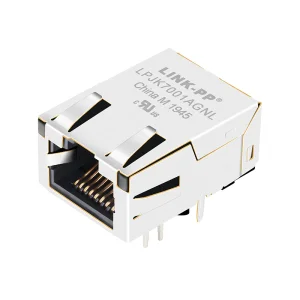
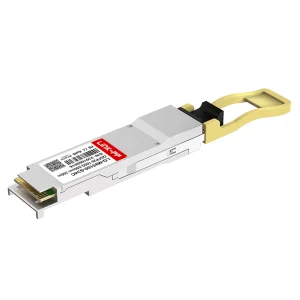
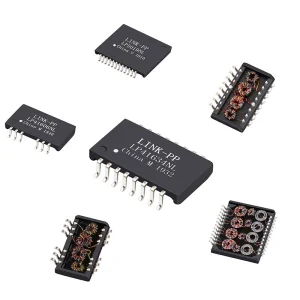
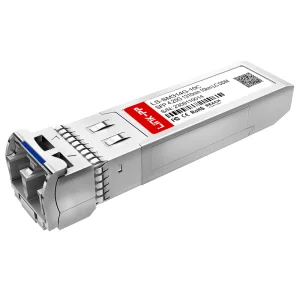
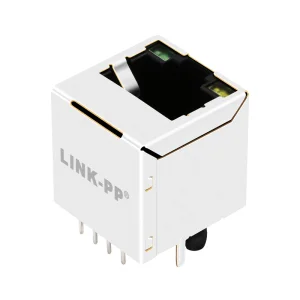
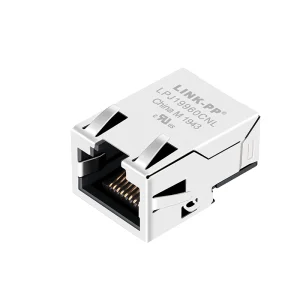
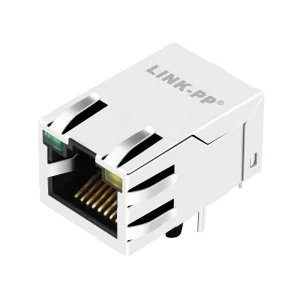
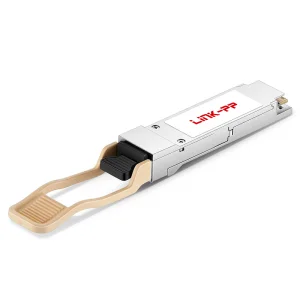
Select from our certified range of Ethernet couplers, low-profile jacks, and high-speed transceivers
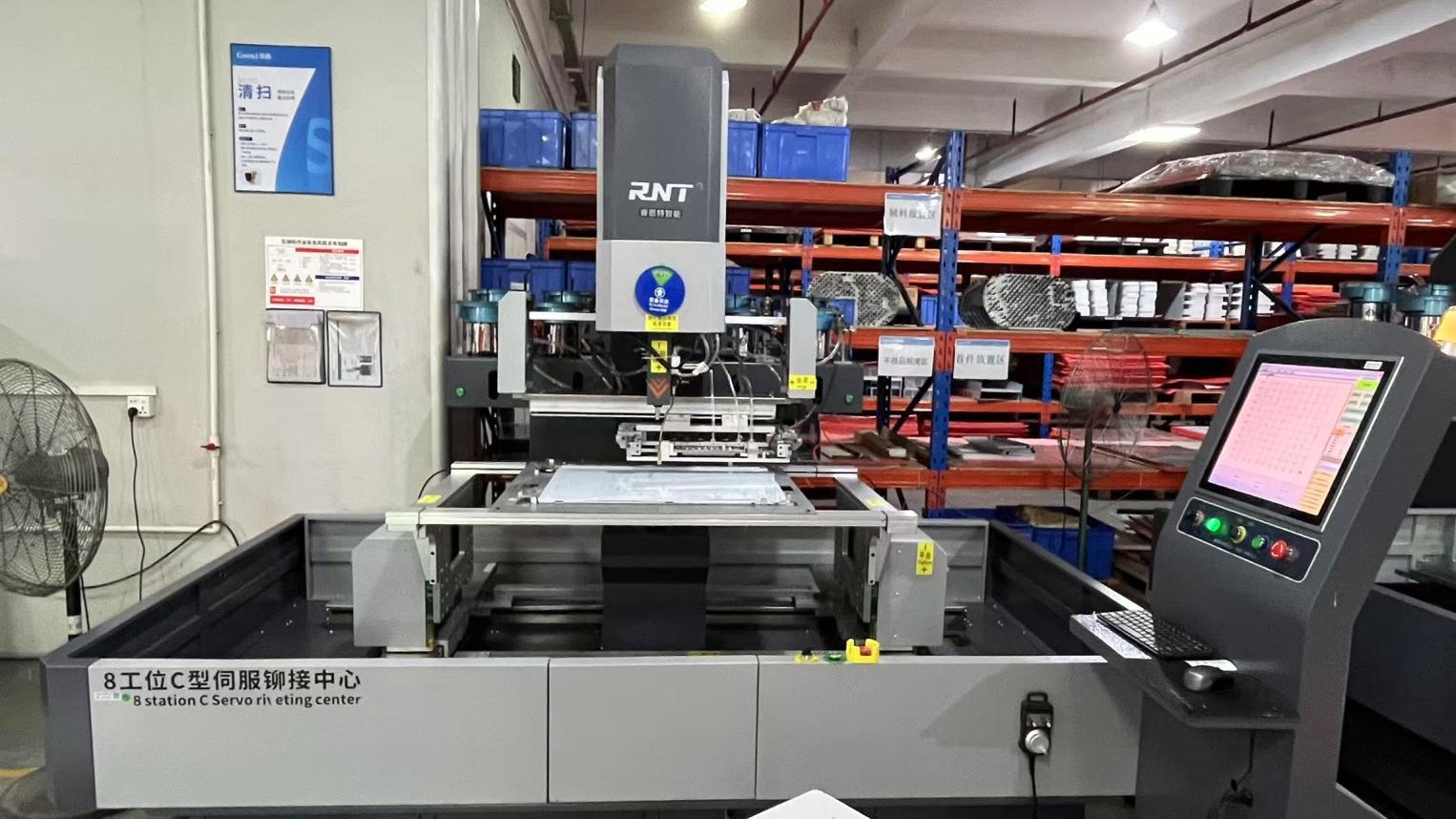
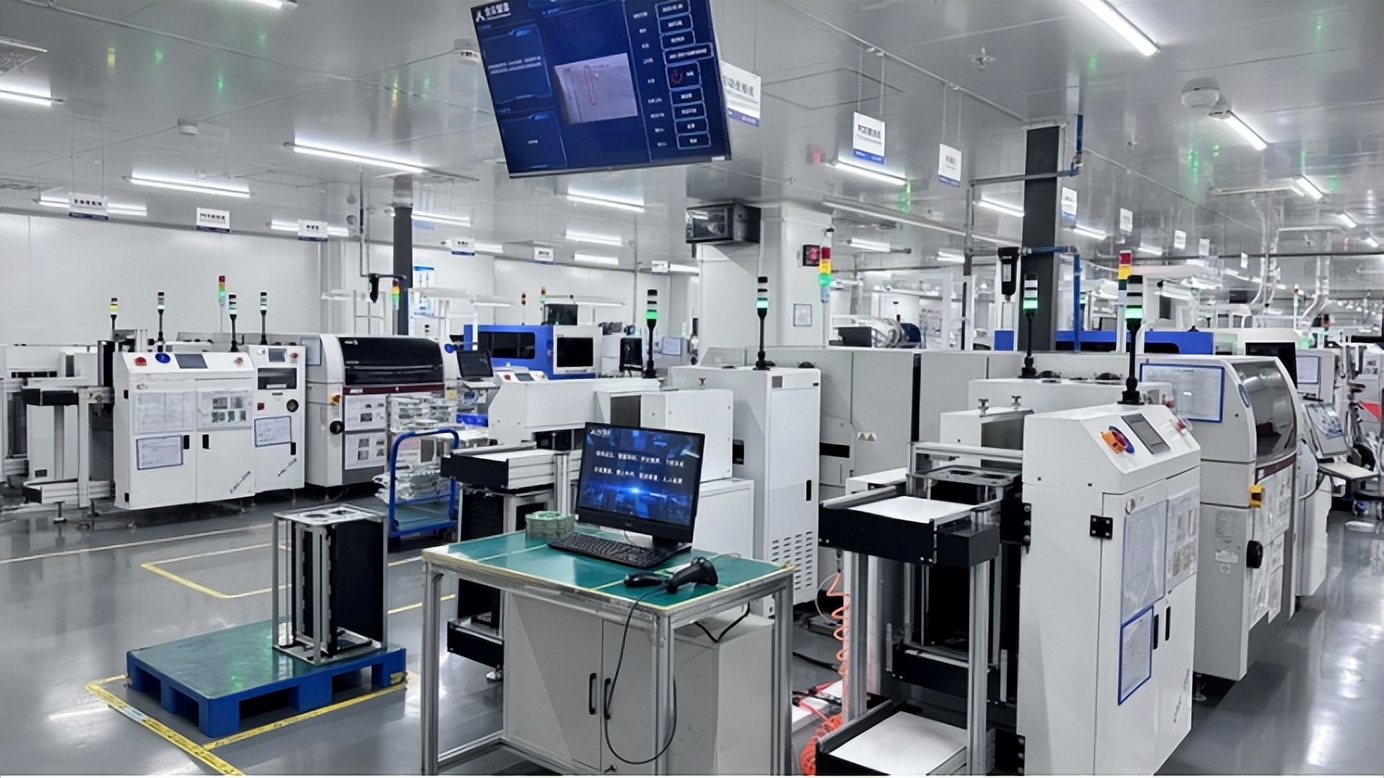
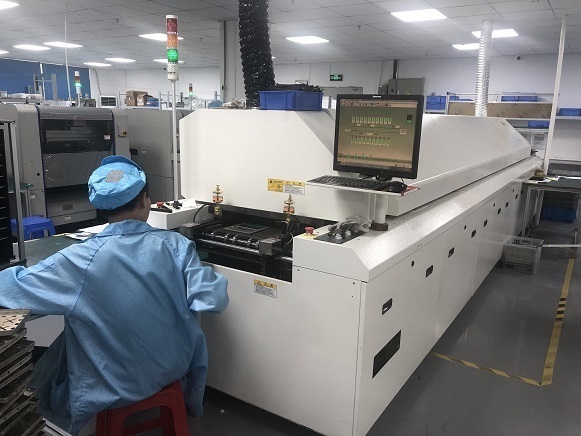
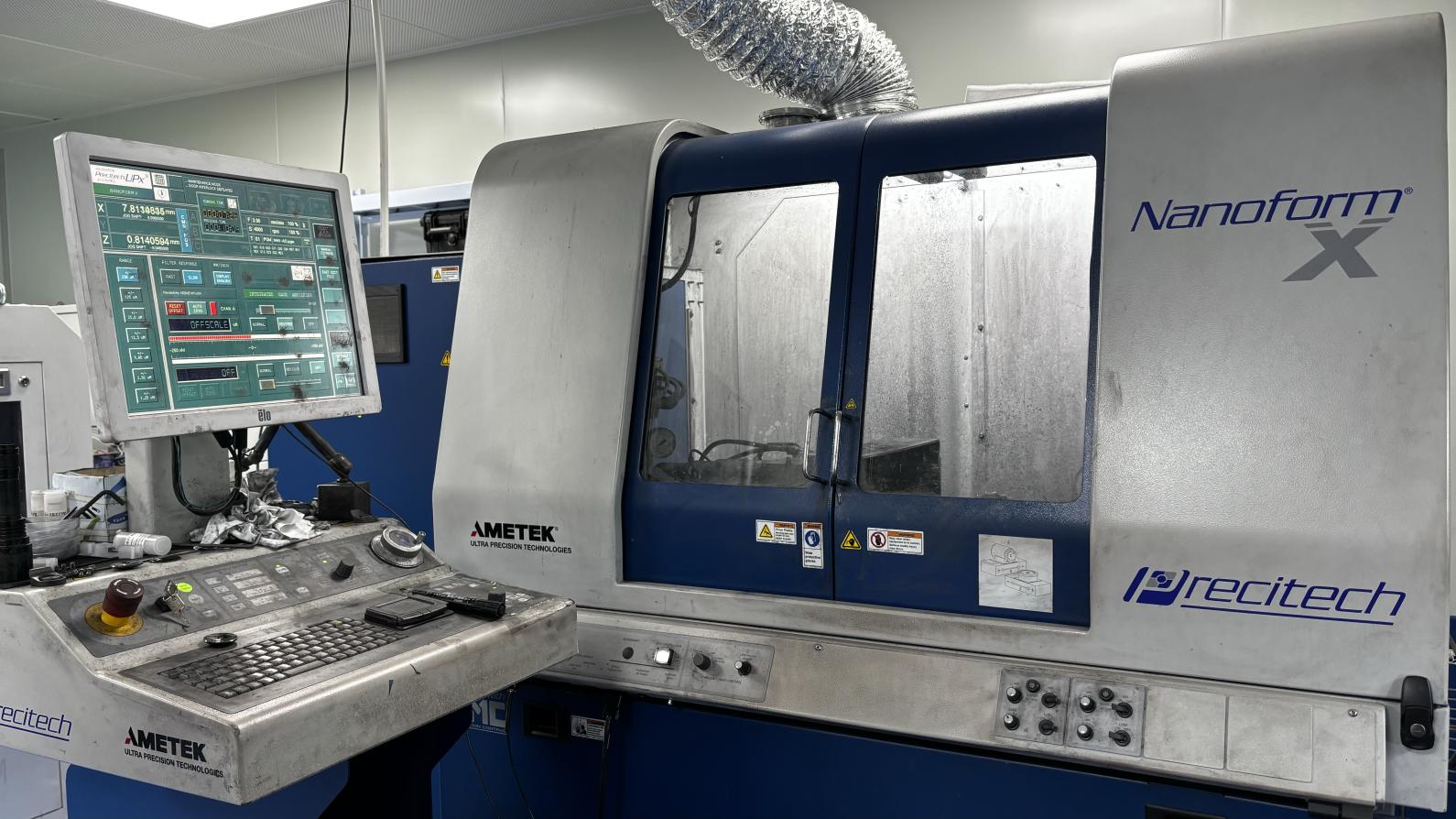
Inside our manufacturing facilities, specialized precision labs, and automated assembly sectors


 Transolix