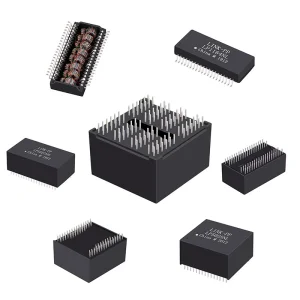
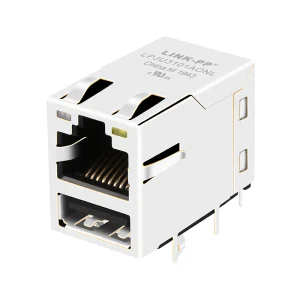
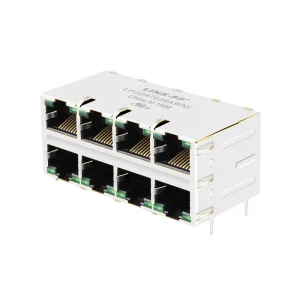
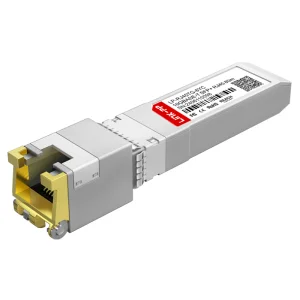
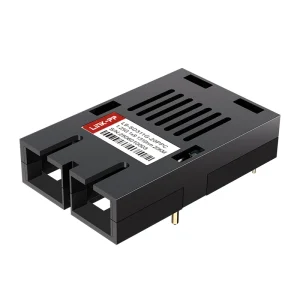
Explore our leading range of active and passive optical modules, EMI cages, and low-profile integrated connectors engineered to maximize signal integrity and throughput density.
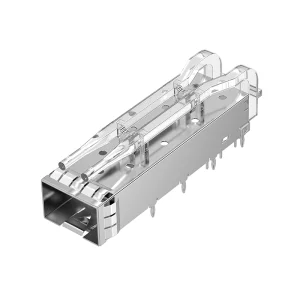
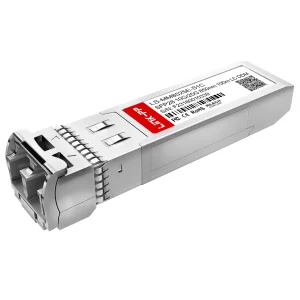
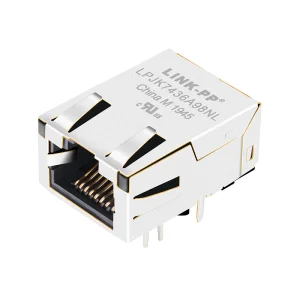
The global infrastructure is transitioning toward hyperscale, high-speed architectures, driving demand for precision fiber optic components. As machine learning architectures, AI networks, and edge nodes require massive data rates, the role of fiber optic connectors, adapters, and transceiver interfaces is critical. Signal deterioration and insertion loss can cause packet dropouts and latency penalties, limiting data center capabilities.
To overcome these bottlenecks, network designers require connectors that support ultra-low insertion loss, minimal back-reflection, and mechanical stability over thousands of mating cycles. Whether deploying MPO/MTP interfaces in dense server racks or high-performance transceiver housings in harsh environments, physical alignment tolerances must be maintained under 0.5 microns.
Transolix specializes in engineering high-performance optoelectronic transceiver components, active transceivers, and shielding assemblies that enable multi-gigabit copper and fiber transmission. By focusing on optical layout design, signal routing integrity, and robust EMI containment systems, we secure consistent and reliable data pipelines across global telecom and cloud data networks.
Industry Experience
R&D Engineers
Upstream Suppliers
Annual Export Revenue
The fiber optic interconnect manufacturing sector relies on a complex supply chain of raw materials and precision manufacturing steps. From high-grade zirconia ceramic capillaries to precision injection molded plastic outer housings, vertical supply chain integration is critical to maintaining cost-effectiveness and engineering precision. China is the global hub for fiber optic connector and optical assembly development.
By leveraging an extensive network of 860 certified upstream raw material, packaging, and semiconductor component suppliers, Transolix maintains a reliable production process. We mitigate common logistics and component supply risks by stocking strategic materials and running automated optical alignment and inspection processes. This reduces lead times for bulk orders from months to weeks.
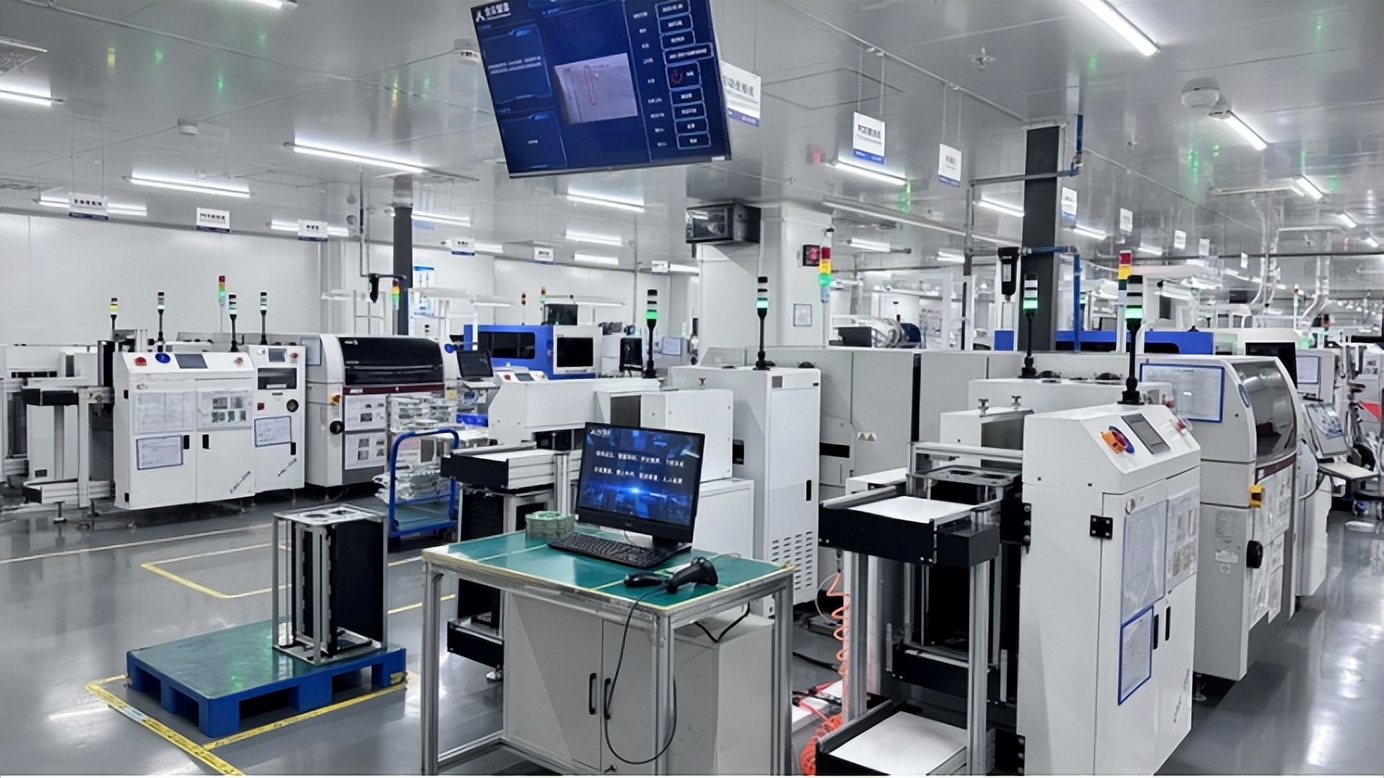
Transolix operates an ISO 9001-certified facility supported by 42 dedicated quality assurance professionals. We utilize automated testing, multi-stage eye-diagram optimization, and thermal stress testing to ensure every active transceiver module and copper interconnect functions reliably within client environments.
Standard Testing Procedure: Optical Alignment -> Eye Diagram -> Insertion Loss -> Thermal Cycle -> Final Ver.
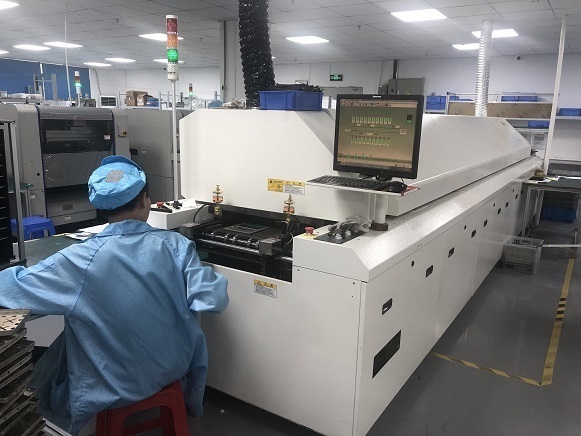
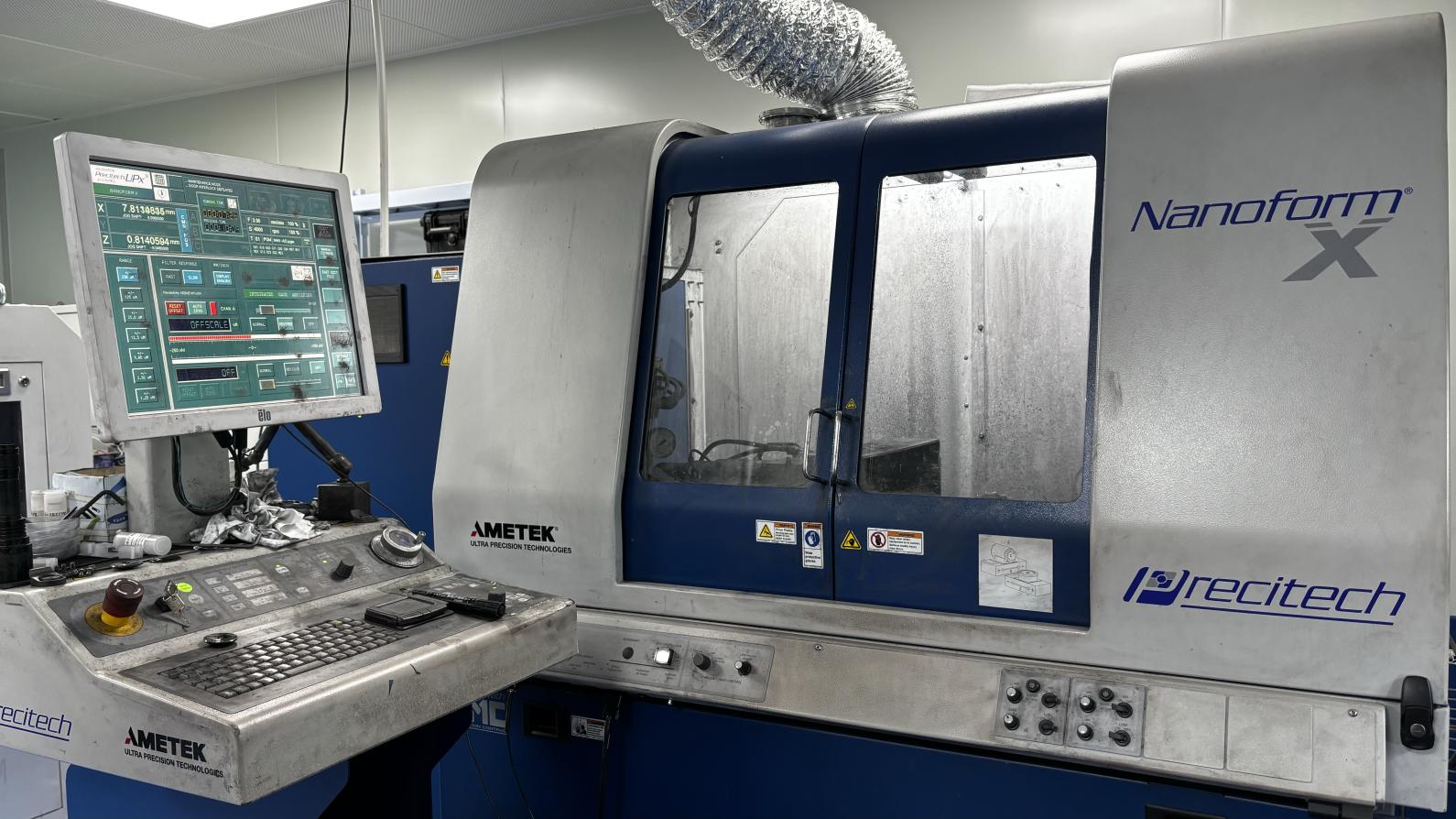
A visual insight into our advanced engineering labs, cleanroom assembly lines, and testing facilities.



Strategic engineering pathways driving higher optical densities, co-packaged optics (CPO), and multi-regional compliance.
As standard pluggable transceiver form-factors approach physical bandwidth density limits, Transolix's R&D is focused on silicon-photonics-based co-packaged optics (CPO). This strategy minimizes routing traces and energy draw per gigabit, securing pathing for future 1.6T networking nodes.
We provide localized engineering support to simplify system integration for regional telecom providers. Our compliance frameworks match critical regulatory guidelines, including CE, FCC, RoHS, and REACH. This ensures seamless deployments across North America, Europe, and Asia.
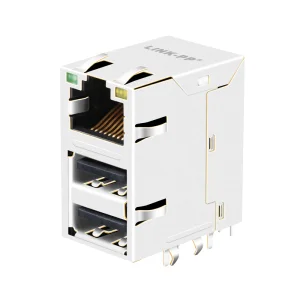
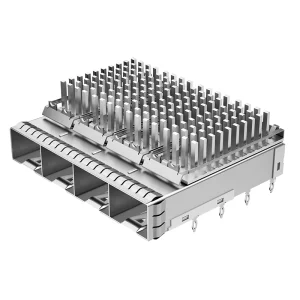
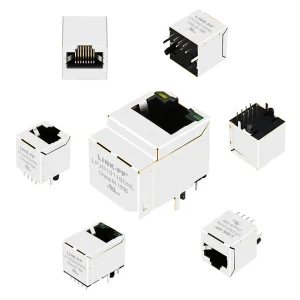
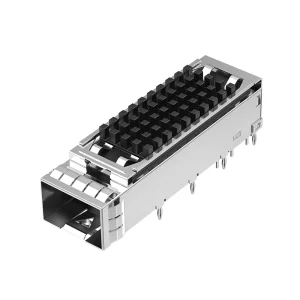
Our TE-compatible SFP+ cages and copper modular RJ45 Magjack connectors are built with advanced press-fit EMI shields. These structural shielding cages block electromagnetic leaks in high-speed, high-density line cards, preserving clear signal channels.
| Interface Type | Common Form Factor Compatibility | Optimal Insertion Loss (IL) | Reflectance/Return Loss (RL) | Target Applications |
|---|---|---|---|---|
| Single Mode Simplex LC (Bidi) | SFP, SFP+, SFP28 | < 0.20 dB | > 55 dB (UPC) / > 60 dB (APC) | FTTH, Enterprise WAN, 10km Metropolitan Backhauls |
| Multi-Mode Parallel MPO/MTP | QSFP28, QSFP-DD | < 0.35 dB | > 25 dB | Hyperscale Inter-switch Spines, AI Clustering Arrays |
| TE Compatible Press-Fit Cage | SFP+ / SFP28 Modules | N/A (EMI Shielding Protection) | > 15 dB shielding attenuation | Switch Line Cards, High-density Routers |
| RJ45 Integrated Magjack | RJ-45 Modular Jacks | < 1.0 dB (100 MHz) | > 12 dB (1-100 MHz) | Network Switches, Local Area Network Ports, PoE+ Equipment |
How Transolix optical transceivers and interconnects perform under real-world conditions in diverse industries.
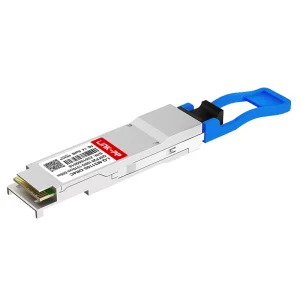
Integrating Transolix 100GBASE-PSM4 QSFP28 and Cisco-compatible SFP28 transceivers into leaf-spine structures. Our low insertion loss enables longer link lengths and wider routing tolerances inside high-heat server racks.
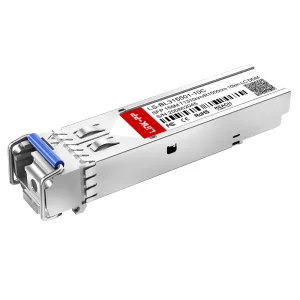
Deploying 1310nm/1550nm Single Mode Simplex LC Bidi transceivers for long-reach regional broadband networks. Our modules operate reliably in variable temperatures (-40°C to +85°C) across municipal cabinets.
Using integrated RJ45 Magjack connectors and quad-port LAN transformers within industrial hardware. Our shielded housings protect critical data from heavy machinery electromagnetic interference (EMI).
Essential answers to help network architects, hardware designers, and purchasing directors make informed component decisions.
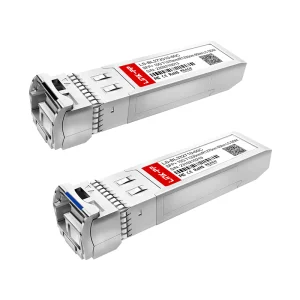
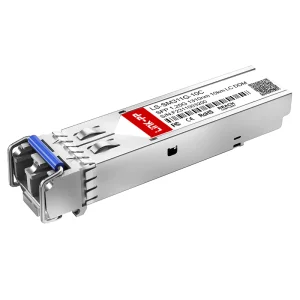
Explore our secondary lineup of high-speed transceivers, PCB-mount modular jacks, and shielding cage assemblies.
 Transolix