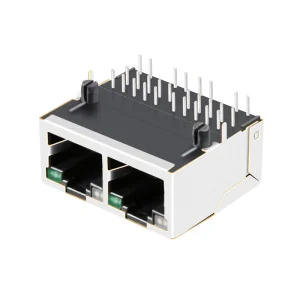
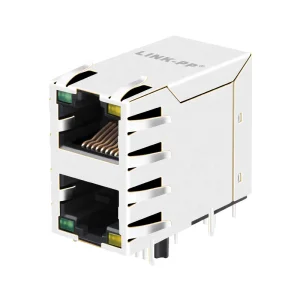
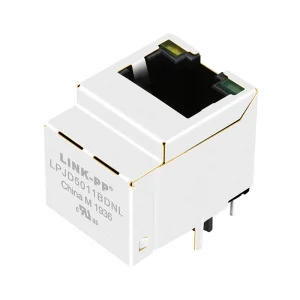
Industrial-grade components optimized for EMI protection, low latency, and high-frequency communication protocols.
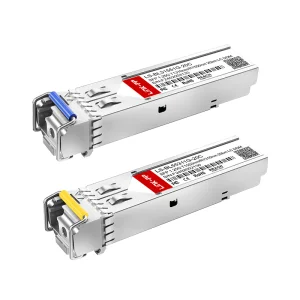
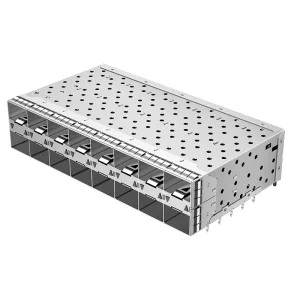
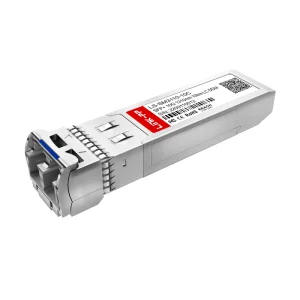
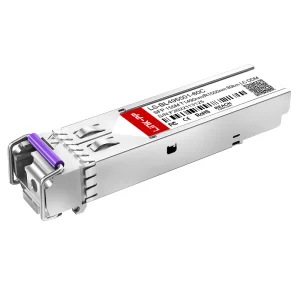
Transolix is a professional optical transceiver and precision network component manufacturer specializing in high-performance fiber optic and copper communication systems. We design, produce, and supply crucial connectivity components for global data centers, telecommunications operators, and complex enterprise networks.
With deep engineering expertise, signal integrity analysis capabilities, and highly scalable production facilities, Transolix bridges the gap between hardware speed and field reliability. For over a decade, we have optimized high-frequency transmission, physical shielding systems, and optical transceivers for demanding environments where system downtime is not an option.
We target electromagnetic compatibility (EMC) using 360-degree brass shielding, high-grade phosphor bronze contacts, and gold plating (up to 50μ") for durable performance in harsh environments.
Every product undergoes 100% automated optical testing, eye diagram analysis, insertion/return loss assessment, and thermal cycling to meet stringent telecom standards.
By partnering with world-class chip, optic, and raw metal component providers, we guarantee material traceability, consistent performance, and stable supply lines.
China's manufacturing ecosystems provide a balanced combination of high-precision engineering, cost efficiency, and raw material sourcing.
Our proximity to advanced metal alloy suppliers allows us to source specialized brass, phosphor bronze, and stainless steel for shielding cages. These materials ensure optimal signal shielding against electromagnetic interference (EMI) and radio frequency interference (RFI) without compromising structural durability.
Chinese component manufacturers utilize automated insert molding and progressive stamping. This allows for high-precision manufacturing, lowering unit costs while keeping mechanical tolerances within ±0.02mm for seamless port compatibility.
Transolix adheres to international standards, including RoHS, REACH, CE, and FCC. With 6 years of direct export experience, we manage localized logistics, clearance documents, and product packaging to guarantee intact deliveries.
High-speed copper networks are susceptible to electromagnetic interference. In an unshielded (UTP) environment, adjacent power lines, electric motors, and magnetic fields from overhead lighting can induce noise inside the twisted pairs. This leads to packet drops, CRC errors, and high latency.
Implementing an RJ45 Shielding Adapter addresses this issue by completing the Faraday Cage around the sensitive twisted pairs. Here is the technical breakdown of how our products preserve signal integrity:
*Tests verified at Transolix internal QA lab using advanced network analyzers and environmental chambers under ISO 9001:2015 conditions.
From high-speed telecom switches to harsh manufacturing floors, shielded RJ45 and SFP architectures maintain critical connections.
Outdoor telecom setups run long Ethernet drops adjacent to high-power RF transmitters. Transolix’s shielded connectors prevent electromagnetic crosstalk from impacting base station data transfer speeds, ensuring consistent bandwidth.
In high-density server configurations where optical fiber and copper coexist, SFP+ cages and copper transceivers require precise shielding. Proper grounding prevents high-speed differential signal interference, reducing Bit Error Rates (BER).
Heavy machinery, variable-frequency drives, and welding units generate significant electrical noise. Shielded RJ45 adapters isolate network pathways, protecting PLCs, sensors, and assembly systems from electrostatic discharge (ESD).
When purchasing network adapters and transceivers, check these technical details to ensure compatibility and reliability:
Our B2B export workflow is optimized for global distributors, telecom systems integrators, and OEM/ODM clients. We offer customized packaging, specific pinouts, and custom firmware parameters for our SFP optical transceivers and shielded RJ45 modules.
To maintain consistent quality, Transolix operates an internal quality management system backed by 42 dedicated quality control inspectors. We inspect raw materials, conduct in-process automated testing, and carry out 100% final inspections before shipment, minimizing the risk of defective products reaching your site.
As data demands grow, network component specifications must adapt to higher frequencies and smaller form factors.
Cat8 cabling transmits data up to 2GHz, requiring advanced shielding to prevent signal degradation. Manufacturers use dual-shielded designs (S/FTP) to isolate individual wire pairs alongside overall braid shielding, keeping signal pathways clear.
Industrial IoT uses Single Pair Ethernet to run power and data over a single twisted pair up to 1000 meters. The lower wire count makes robust shielding essential for preventing signal loss over long distances in noisy industrial settings.
Hybrid network models use copper SFP modules to bridge fiber switches with copper ports. This requires shielded media converters and transceivers to manage signal conversions without introducing latency or electrical noise.
Expert answers regarding RJ45 shielding, transceivers, and installation best practices.
Shielded Twisted Pair (STP) adapters feature a conductive metal housing (shielding) that connects to the ground wire of STP cables, blocking external EMI/RFI. Unshielded Twisted Pair (UTP) adapters use plastic housings without grounding paths, leaving data signals exposed to surrounding electrical interference.
Press-fit pins provide solderless, high-reliability mechanical connections to PCBs. SFP cages feature outer EMI spring fingers that maintain continuous contact with the bezel opening, sealing gaps and preventing high-frequency radiation leakage at speeds of 10G and above.
Gold contact plating protects phosphor bronze pins from oxidation. In environments with regular insertion and removal cycles, or high humidity, thicker plating (such as 30μ" or 50μ") prevents wear and maintains low contact resistance over the component's lifespan.
Our optical transceivers and copper adapters undergo firmware customization and verification. We configure the EEPROM with target compatible codes, verifying performance on switches from major brands to ensure clean device identification and diagnostic reporting.
Insertion loss is signal attenuation caused by copper resistance and dielectric absorption. Return loss measures reflected energy caused by impedance mismatches. Using high-quality connectors, precise twist structures, and grounded shielding helps minimize both issues.
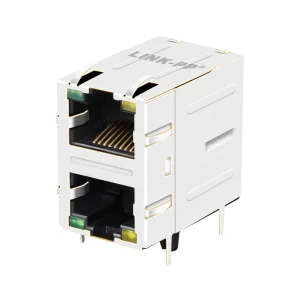
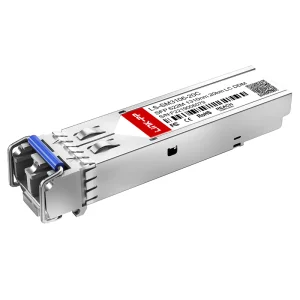
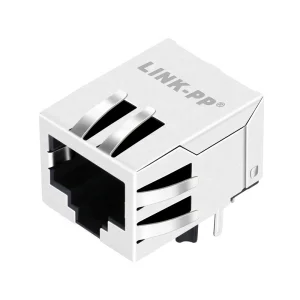
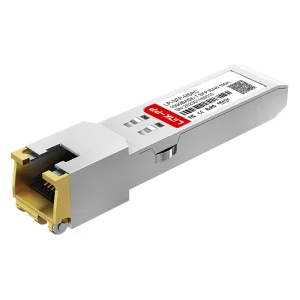
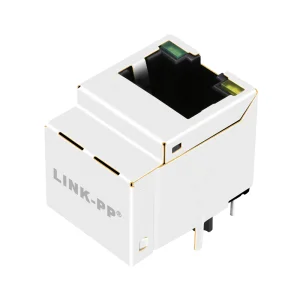
Explore our range of fiber modules, copper adapters, and magnetic connectors designed for high-performance networks.
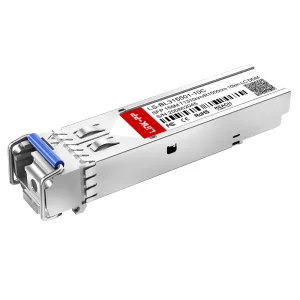
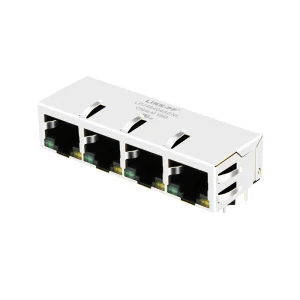
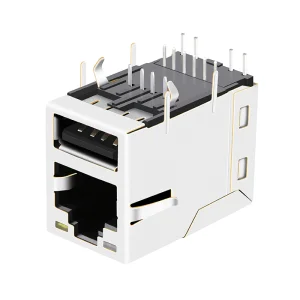
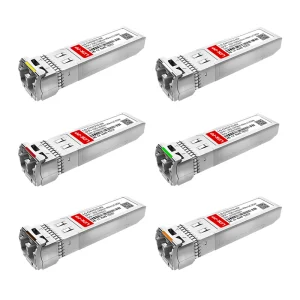
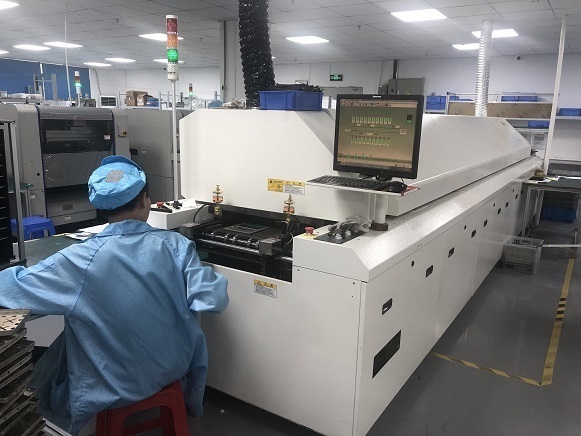
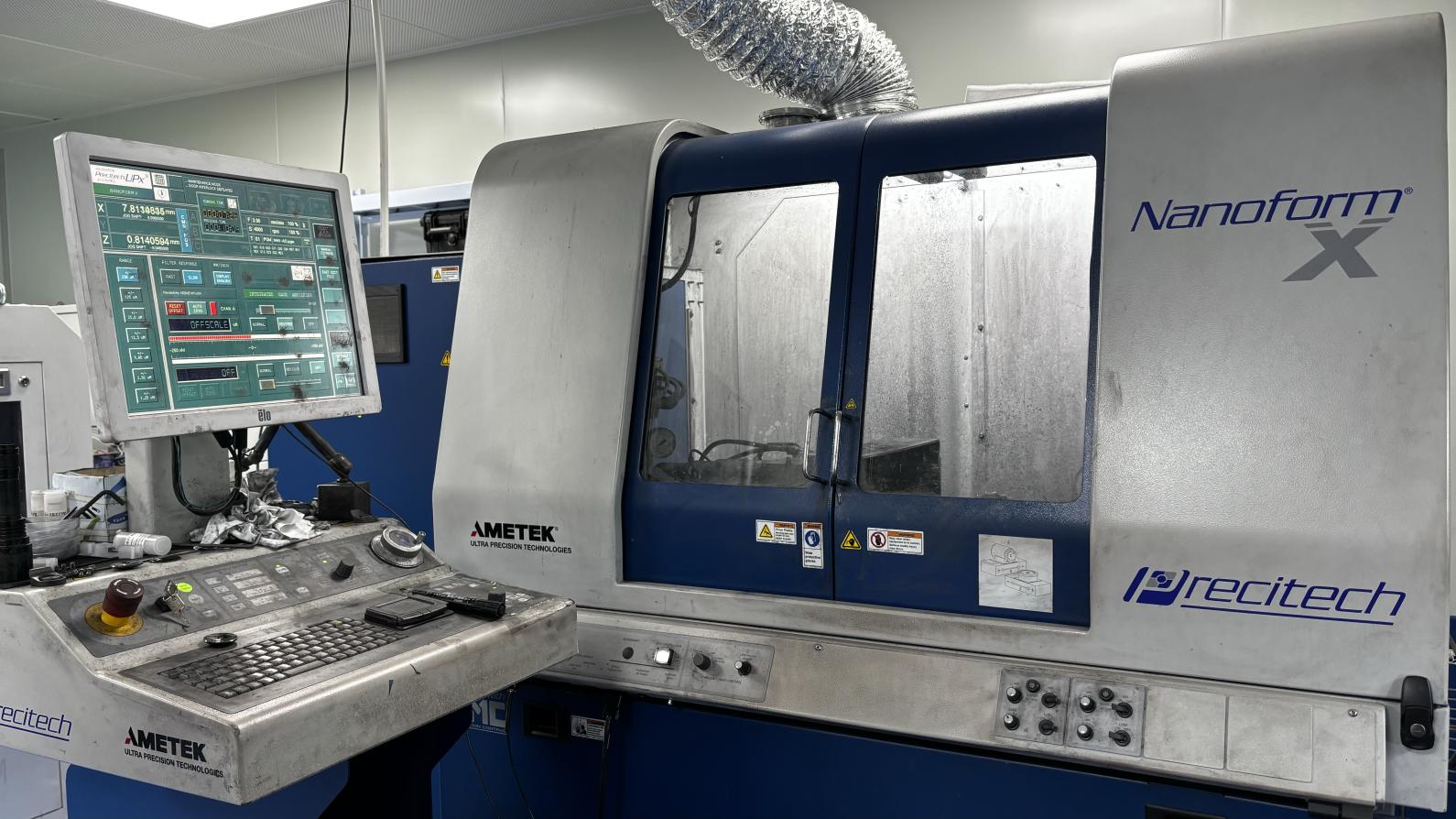
A look inside our manufacturing processes, including high-frequency assembly, raw material staging, and quality control lines.




 Transolix