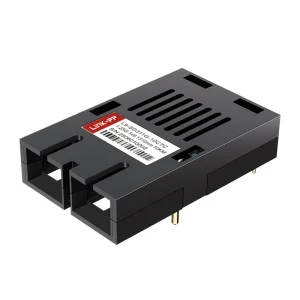
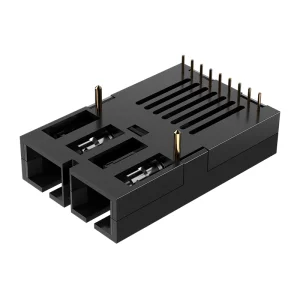
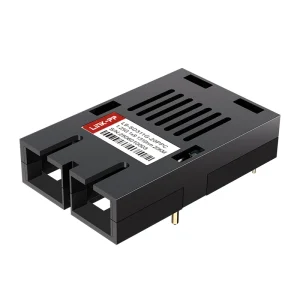
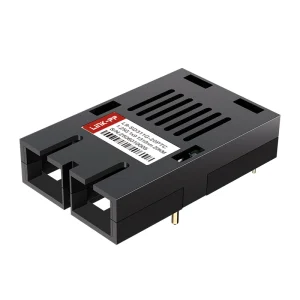
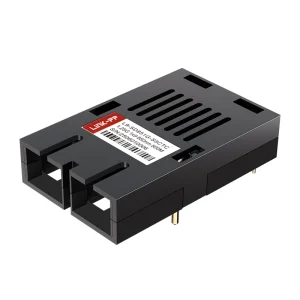
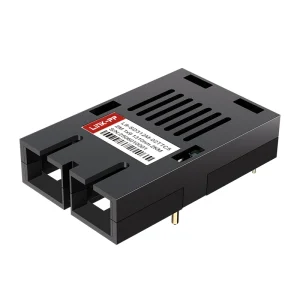
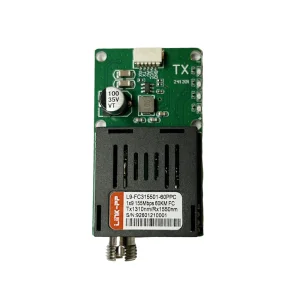
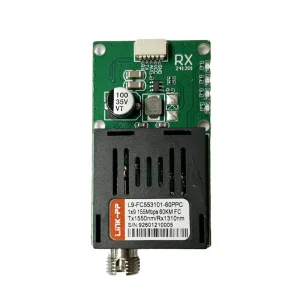
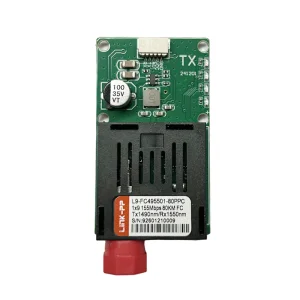
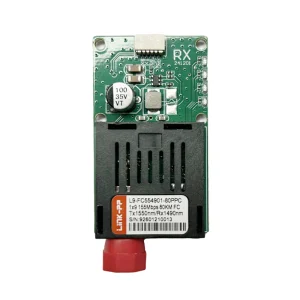
Optimized for Asmara's enterprise optical switches and regional industrial distribution nodes, these 1x9 form factors offer unmatched electrical stability and heat dissipation.
Eritrea, situated strategically along the Red Sea in the Horn of Africa, is currently undergoing critical phases of network expansion. From the centralized metropolitan area of Asmara to the heavy port terminal hubs at Massawa and Assab, reliable communication connections are the backbone of local progress. Standard commercial optical modules often fail under the extreme conditions typical of local operations: high ambient temperatures, desert dust storms (the Haboob), and high humidity levels near the coastline.
This is where industrial-grade 1x9 optical transceivers play a vital role. Unlike modern pluggable SFP form factors, 1x9 modules are soldered directly to the circuit boards of industrial network switches and converters. This pin-through-hole design prevents loose connections caused by machinery vibrations (common in mining applications like the Bisha gold mine) and ensures hermetic sealing against atmospheric salinity and dust infiltration.
Eritrea's national telecom provider, EriTel, relies on robust legacy architectures for fiber-to-the-cabinet (FTTC) and optical network terminals (ONT). 1x9 transceivers with Single Mode fiber, supporting distances up to 80km, are vital in bridging remote outposts where reliable, maintenance-free operations are paramount. Transolix ensures all 1x9 units are compliant with long-life cycle specifications, reducing the total cost of ownership (TCO) in developing markets.
Industrial complexes require telemetry links over fiber. At Massawa Port and various copper-zinc mining facilities, PLC (Programmable Logic Controller) systems use 1x9 transceivers for data serialization. The optical design resists electromagnetic interference (EMI) from heavy generator sets and high-voltage transmission lines, assuring zero-packet-loss packet transmissions.
The 1x9 optical transceiver interface remains a standard in fiber optic communication systems. Featuring a single row of 9 pins (duplex or simplex optical interfaces) and housed in a rugged plastic or metal package, these modules provide a fixed interface that guarantees stable performance. Transolix specializes in producing custom variants of these legacy parts, including customized logic levels (TTL, PECL, or LVPECL) and diverse fiber connectors (SC, ST, FC, or Pig-tailed).
| Pin Number | Signal Name | Function & Description |
|---|---|---|
| Pin 1 | VeeR | Receiver Signal Ground |
| Pin 2 | RD+ | Receiver Data Out (Differential PECL/TTL) |
| Pin 3 | RD- | Receiver Data Out Inverted (Differential PECL/TTL) |
| Pin 4 | SD | Signal Detect (Active high or low indicator) |
| Pin 5 | VccR | Receiver Power Supply (+3.3V or +5.0V) |
| Pin 6 | VccT | Transmitter Power Supply (+3.3V or +5.0V) |
| Pin 7 | TD- | Transmitter Data Inverted |
| Pin 8 | TD+ | Transmitter Data In |
| Pin 9 | VeeT | Transmitter Ground |
For regional links connecting suburbs of Asmara to local hubs, Single-mode 1x9 transceivers (1310nm or 1550nm) offer distance capabilities from 10km up to 80km+. In local server setups and factory floors, Multimode 1x9 modules operating at 850nm or 1300nm provide cost-effective short-range transmissions (up to 2km).
BiDi modules use Wavelength Division Multiplexing (WDM) to transmit and receive signals over a single strand of fiber (simplex). Transolix BiDi 1x9 modules utilize TX 1310nm / RX 1550nm (and vice-versa) configurations, cutting optical fiber cabling costs in half. This is especially advantageous for municipal fiber layout projects in Eritrea.
Upgrade path to higher bandwidth capabilities and core telecom interfaces. Transolix supports full compatibility with legacy switches and modern core platforms.
Transolix is a specialized optical transceiver manufacturer offering high-performance fiber optic communication solutions for global data centers, telecom operators, and enterprise networks. With strong engineering capabilities and scalable production capacity, Transolix delivers reliable, high-speed, and cost-effective optical connectivity products worldwide.
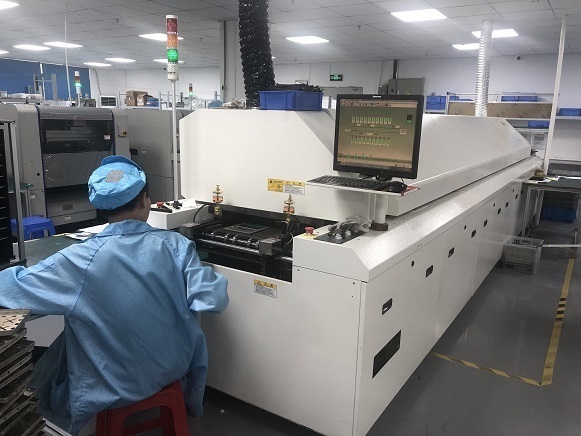
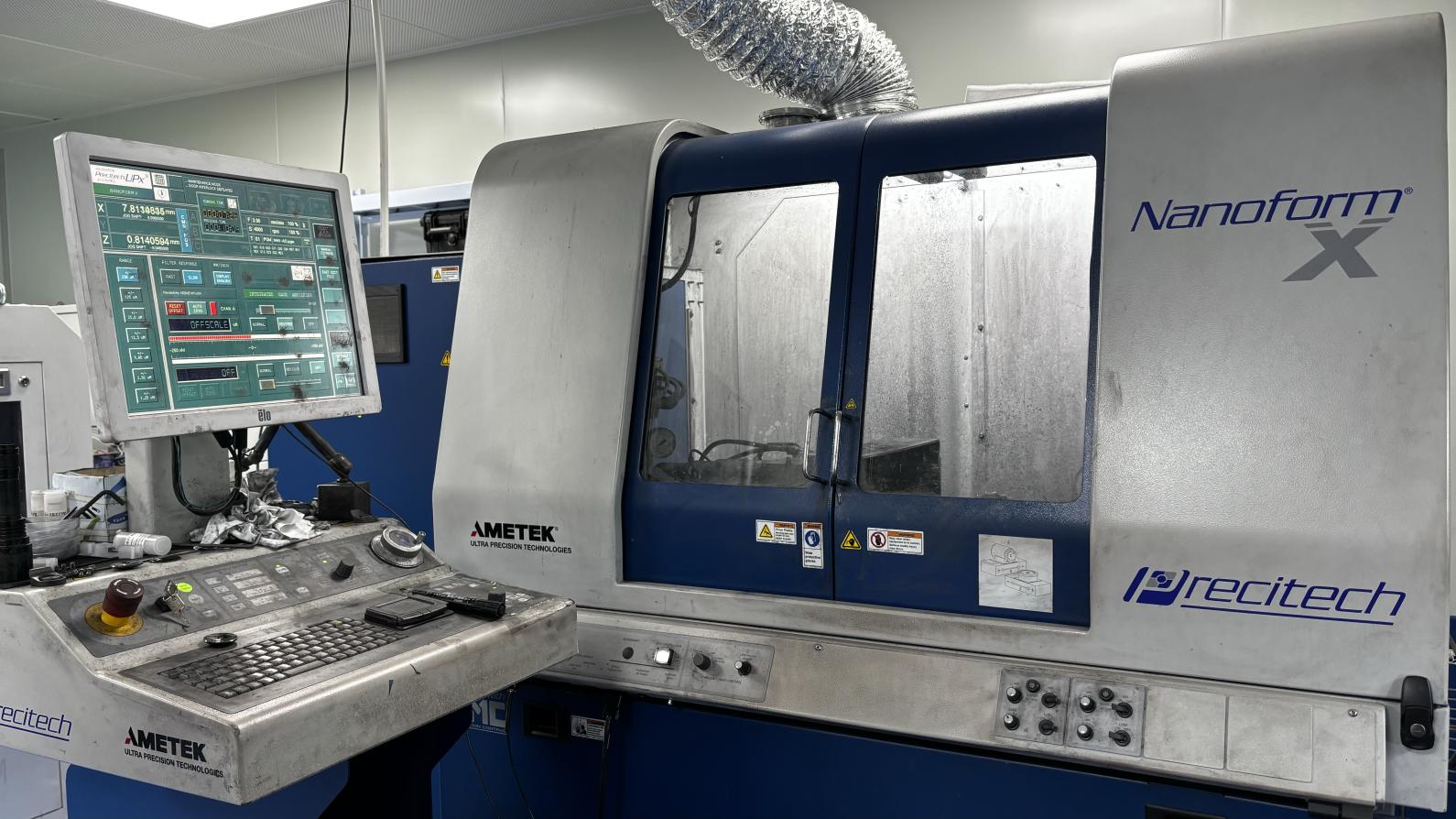
Our ISO 9001-certified factory implements automated optical testing, eye diagram analysis, aging tests, and 100% final performance verification. With 86 new product models released last year and over 860 certified upstream supply chain partners (for chipsets, optics, and packaging), Transolix ensures that all transceivers shipped to Africa conform to international reliability criteria.
Whether your Eritrean enterprise requires specific transceiver wavelengths, non-standard transmission distances (up to 120km), protocol-specific firmware adaptations, or compatibility with legacy equipment (such as Cisco, Hirschmann, or Huawei switches), our team of 128 R&D engineers supports complete customization.




Long-distance links across the dry plains of Eritrea suffer from signal attenuation. We advise telecommunication managers to deploy single-mode 1x9 transceivers with high receiver sensitivity (-32dBm or better) to counteract connector degradation caused by fine dust.
During the rainy season in highland areas like Asmara, high-voltage atmospheric discharges are frequent. Our optical 1x9 modules include advanced ESD (Electrostatic Discharge) protections within the pin footprint, isolating fragile PCB circuits from external surge voltages.
Intense summer temperatures can cause standard lasers to drift. Transolix uses high-grade DFB (Distributed Feedback) and FP (Fabry-Perot) lasers that maintain precise optical wavelengths even in temperature swings up to 85°C.
A comprehensive selection of single-mode, multimode, and single-fiber bidirectional 1x9 optical transceivers for long-haul networks and legacy interfaces.
Understanding the unique import regulations of Eritrea is essential. Transolix offers shipping documents including Certificates of Origin (CO), commercial invoices, and packing lists to facilitate customs clearance at Massawa Port or Asmara International Airport (ASM). We cooperate with major international logistics lines to provide reliable transport routes.
All 1x9 optical modules and connectors shipped to Eritrea undergo strict electrical calibration. Transolix provides a comprehensive 3-year warranty and direct technical support to local field engineers. Contact us to receive engineering documentation, detailed datasheets, and step-by-step installation guides.
 Transolix