Optimized for long-distance link establishment and severe environmental performance requirements across central Africa.
A Comprehensive Market Intelligence Report on Optoelectronic Infrastructure Integration
Cameroon, positioned strategically as a gateway to the Central African economic zone, is undergoing a rapid, state-sponsored digital transformation. Key national programs managed by CAMTEL (Cameroon Telecommunications) alongside major regional players like MTN Cameroon and Orange Cameroon are focusing heavily on updating legacy systems and installing robust fiber optic backbones. The national fiber footprint now spans thousands of kilometers, connecting metropolitan centers like Douala, Yaoundé, Garoua, and Bafoussam with subsea cables such as SAT-3, WACS, MainOne, and NCSCS.
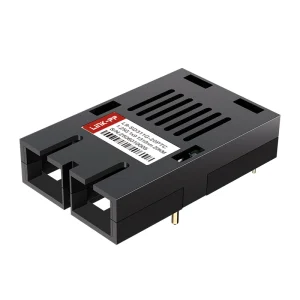
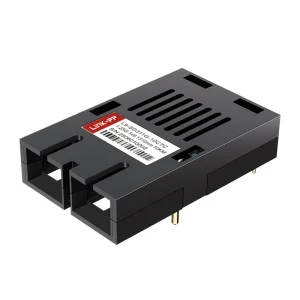
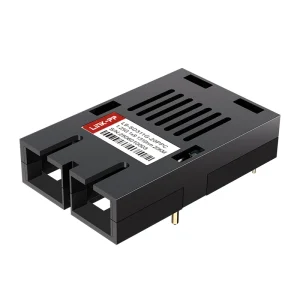
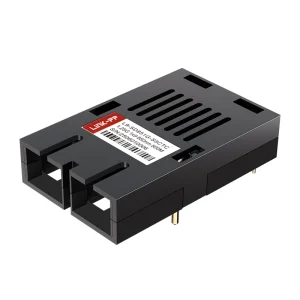
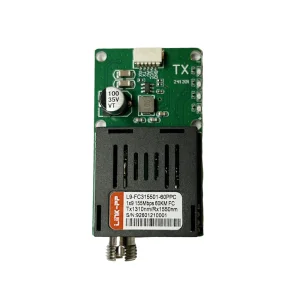
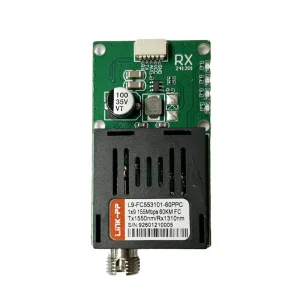
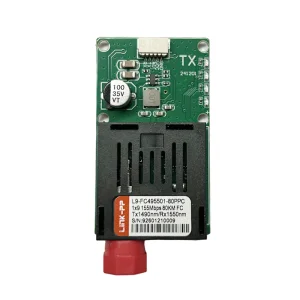
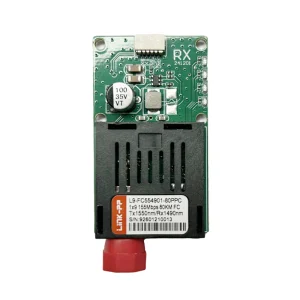
However, the transition from legacy copper infrastructure to fiber networks requires highly resilient equipment that can interface older telecom ports with new gigabit optical lines. This is where 1x9 transceivers play a vital role. In Cameroon’s industrial zones, including the Douala Port area and municipal water and electricity dispatch centers (such as Eneo projects), rugged 1x9 form-factor optical transceivers remain a critical engineering standard for SCada systems, fiber-to-the-factory applications, and serial-to-fiber converters.
Supporting Cameroon's Central African Backbone (CAB) project by bridging legacy serial links with gigabit optical networks.
High temperature tolerance (-40°C to +85°C) to withstand the humid tropical climate of Douala and the arid north.
Support for 1310nm, 1550nm, BiDi (WDM) simplex architectures to maximize utilization of existing single fibers.
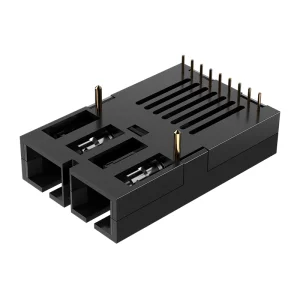
Modern networks emphasize pluggable modules like SFP, SFP+, or QSFP. However, industrial control grids, railway signaling (such as the Transcameroon Railway network), and oil/gas pipeline monitoring terminal units (RTUs) across Limbe and Kribi rely heavily on 1x9 optical modules. The pin-through-hole (PTH) design provides superior mechanical stability compared to hot-pluggable interfaces, preventing disconnects caused by physical vibration, transit shaking, or industrial shocks.
Additionally, legacy telecommunication nodes in Cameroon's rural communities require reliable, lower-baud-rate optical interfaces (155M to 1.25G) to maintain long-distance links of 20km, 40km, and even 80km without active repeaters. Implementing high-performance 1x9 packages with Duplex SC/FC or BiDi simplex optical sub-assemblies ensures these remote villages stay connected to the primary data hubs in Yaoundé.
Meeting Global Standards with Custom OEM/ODM Capabilities for Central African Procurement Projects
Transolix is a professional optical transceiver manufacturer specializing in high-performance fiber optic communication solutions for global data centers, telecom operators, and enterprise networks. With strong engineering capabilities and scalable production capacity, Transolix is committed to delivering reliable, high-speed, and cost-effective optical connectivity products worldwide.
To support Cameroon's challenging environmental environments (combining high sea-mist humidity in coastal regions with heavy lightning storms), Transolix executes precise customization. We adjust wavelengths, fiber transmission lengths, custom electrical interfaces, and provide industrial-temperature rated (-40℃ ~ +85℃) 1x9 transceivers featuring robust metal enclosures and strict ESD protection circuits.
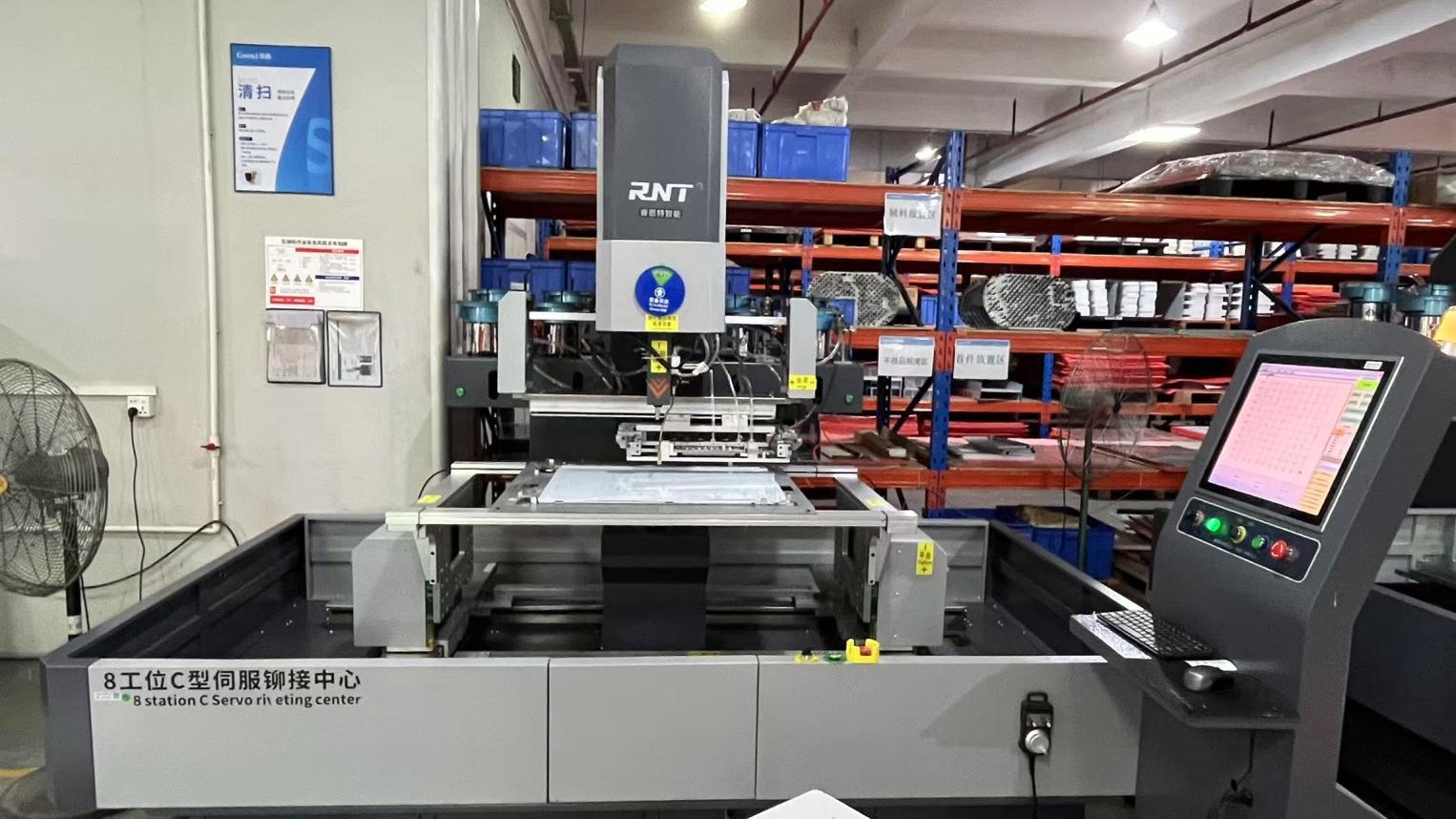
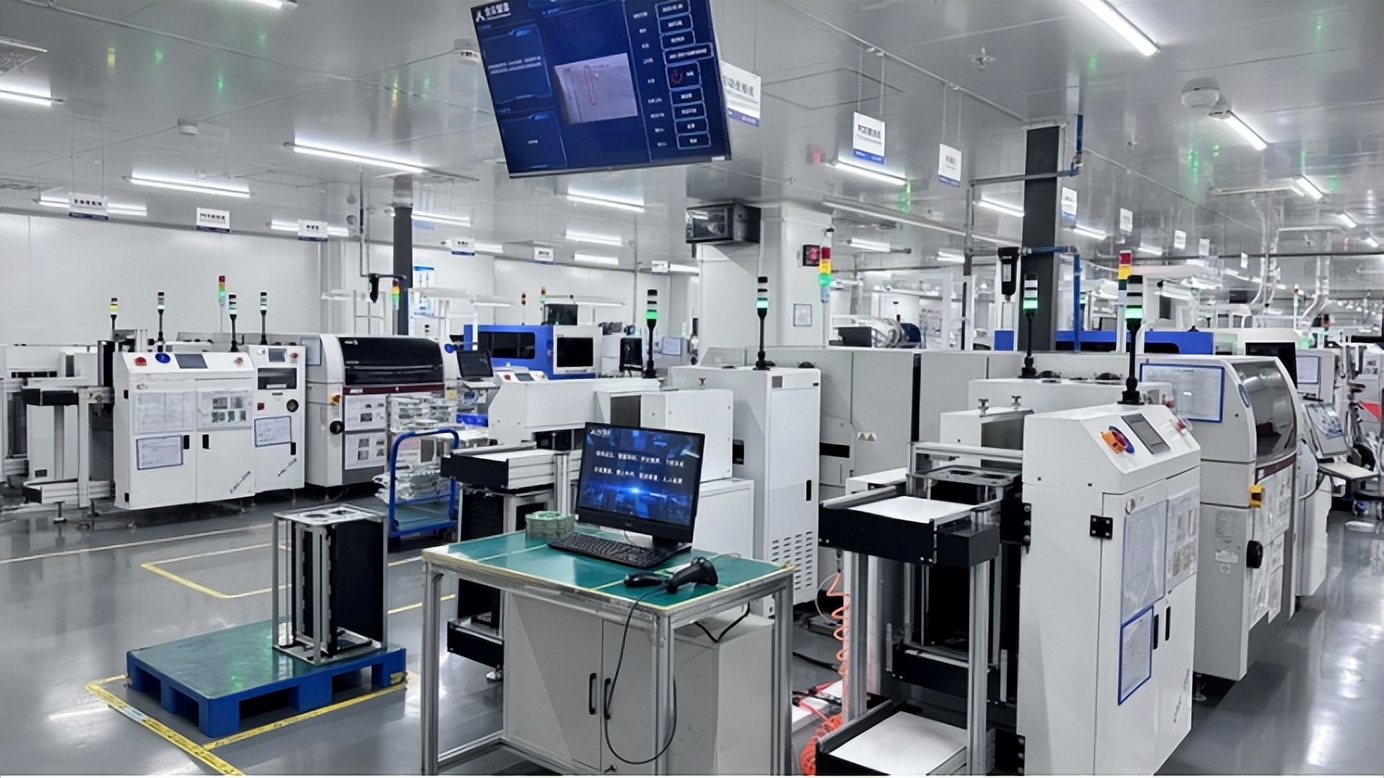
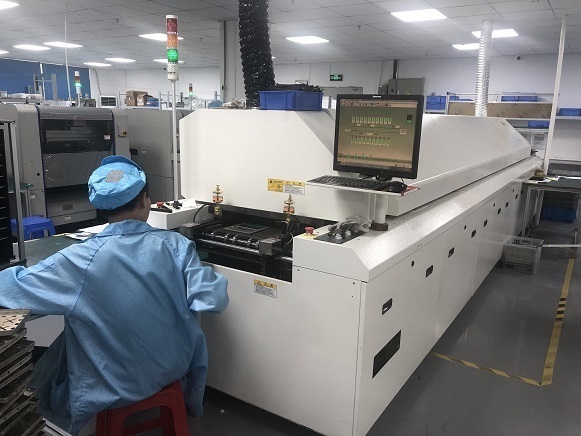
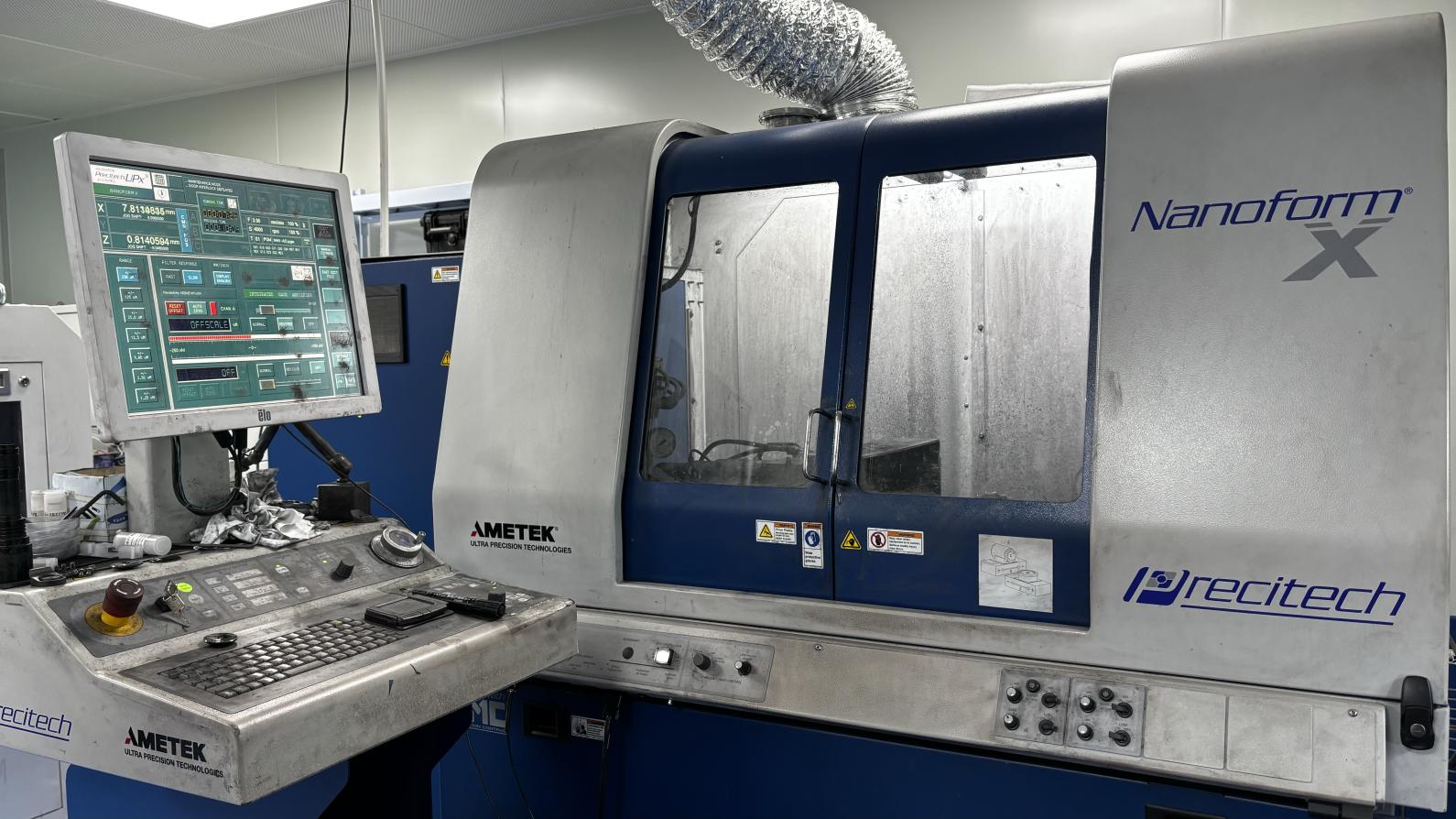
Transolix maintains a ISO 9001 certified manufacturing plant utilizing automated optical testers, digital eye diagram analyzers, and environmental burn-in testing chambers to execute 100% final performance verification on all exported 1x9 transceivers.
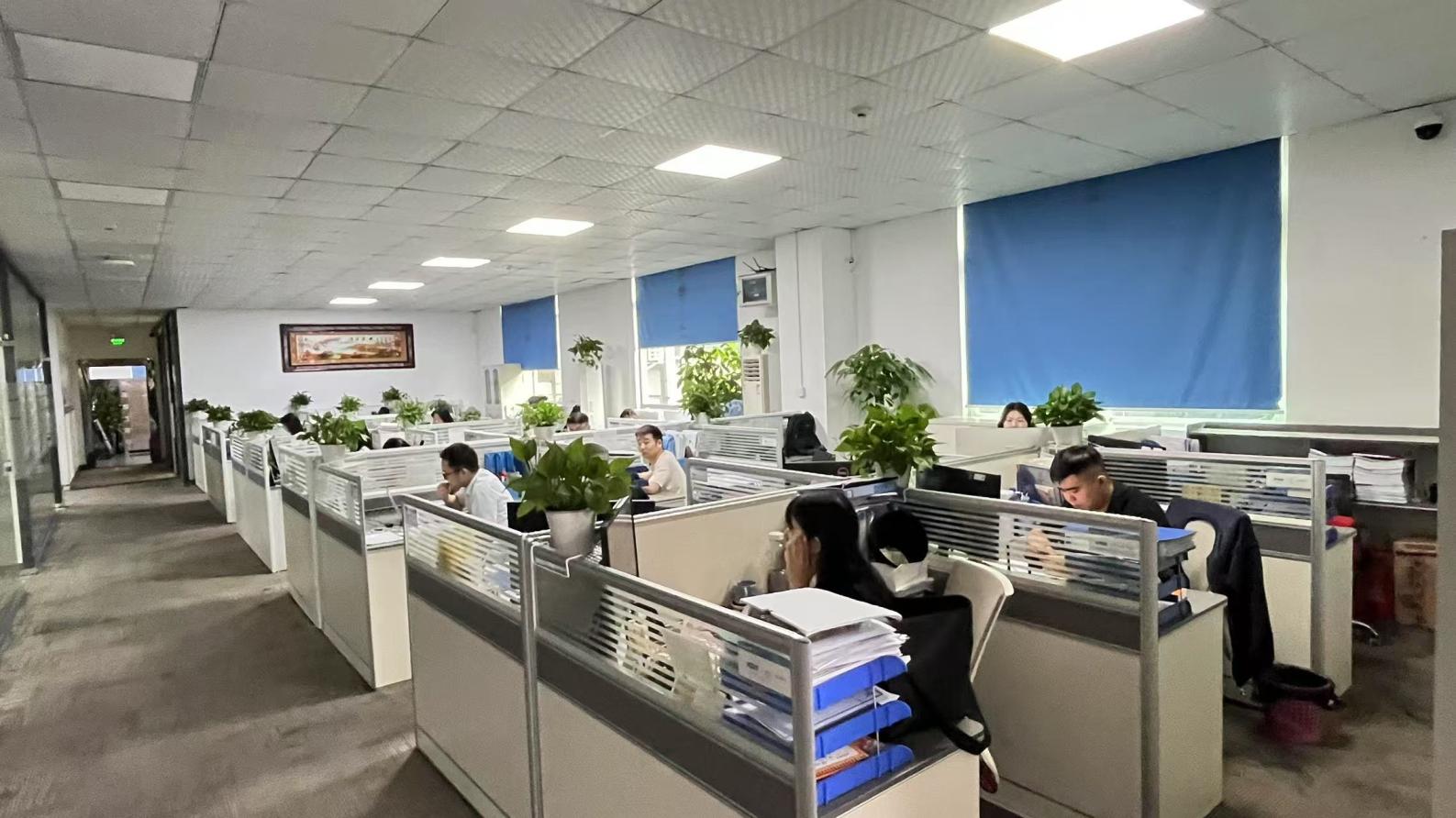
"Our engineering team includes 128 R&D engineers focused on high-speed optoelectronic coupling, signal integrity optimization, and proprietary firmware customization for compatibility with legacy systems from vendors such as Cisco, Huawei, Alcatel-Lucent, and Allied Telesis."

Maximizing Return on Investment for Telecom Projects in Central African States
By procuring direct from our production facility in China, Cameroon's telecom integrators avoid multiple tier-2 distributor markups. Our annual export revenue of USD 8–15 million allows us to secure bulk raw component rates, ensuring competitive pricing for high-volume deployments.
Unlike generic resellers, Transolix provides direct engineering services. If your existing media converters in Douala require specific EEPROM configuration or signaling voltage tuning (such as ground-referred TTL, Air/Ground signal detection), our 128 engineers can implement custom revisions at the factory level.
We have 6 years of specific cross-border B2B export experience, handling export documentation, certificate of origin, and SGS inspection coordination required for smooth customs clearance through the Autonomous Port of Douala (PAD) or Yaoundé Nsimalen Airport.
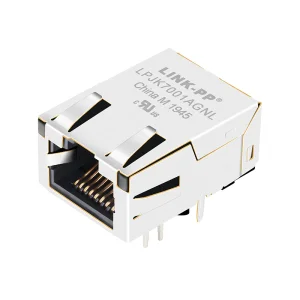
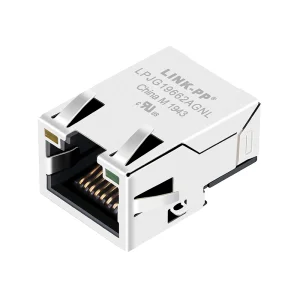
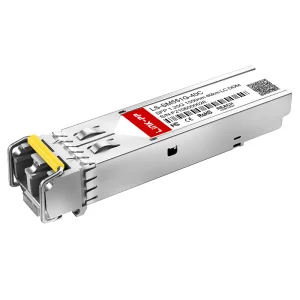
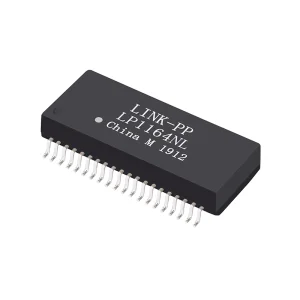
From legacy TTL 1x9 transceivers to SFP expansions and high-performance magnetic couplers.
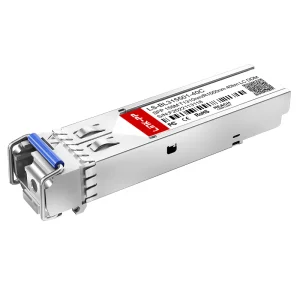
Addressing crucial technical questions for telecom engineers and network deployment contractors in Cameroon.
 Transolix