Optimized for 25GbE and multi-rate operations in enterprise clusters and core routing systems.
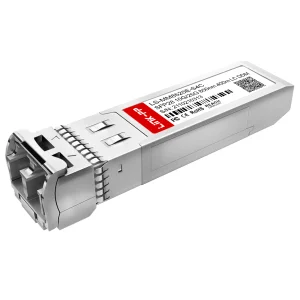
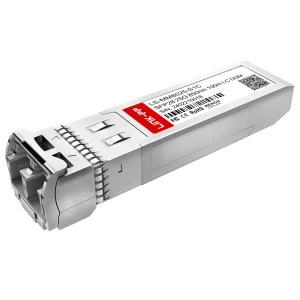
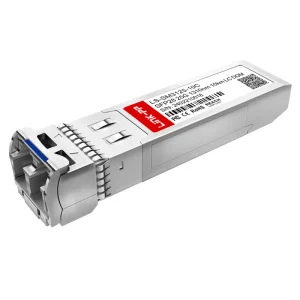
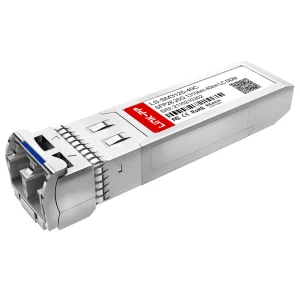
The Russian Federation is undergoing a monumental architectural shift in its digital data structure. With local hyperscalers like Yandex, VK, and regional telecom giants including Rostelecom, MTS, and MegaFon expanding their data footprint, the demand for fast, resilient interconnects has spiked. Migration from legacy 10G networks to highly scalable 25G SFP28 and 32G SFP28 Fibre Channel systems has become the new baseline standard for modern local clouds and enterprise storage area networks (SANs).
Geographical dynamics present unique deployment hurdles in this region. Optics installed in Siberian telecommunication towers or exposed remote setups must survive extreme temperature variations. This has pushed industrial-grade transceivers supporting -40°C to +85°C operating limits to the forefront of procurement requests.
Additionally, import substitution waves require hardware that is strictly neutral, highly programmable, and compatible with both Western legacy systems (like Cisco, Juniper) and localized systems (such as Eltex and Qtech). This makes direct-from-factory customization vital for seamless operations.
Bridging cutting-edge manufacturing with high-reliability global distribution networks.
We provide deep customization on optical wavelengths (CWDM/DWDM/LWDM), transmission distances up to 40km, and custom EEPROM firmware codes. Our R&D team regularly deploys regional compatibility patches for Russian hardware platforms.
Through our certified partnerships with 860 tier-1 upstream component suppliers, we secure top-grade laser diodes (TO-CAN/TOSA/ROSA) and DSP chipsets, ensuring pricing and supply stability regardless of global shortages.
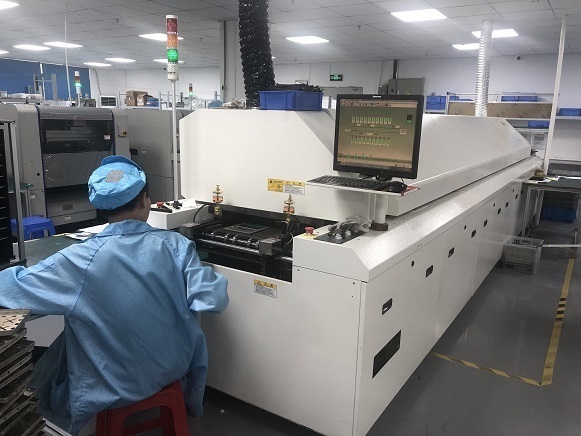
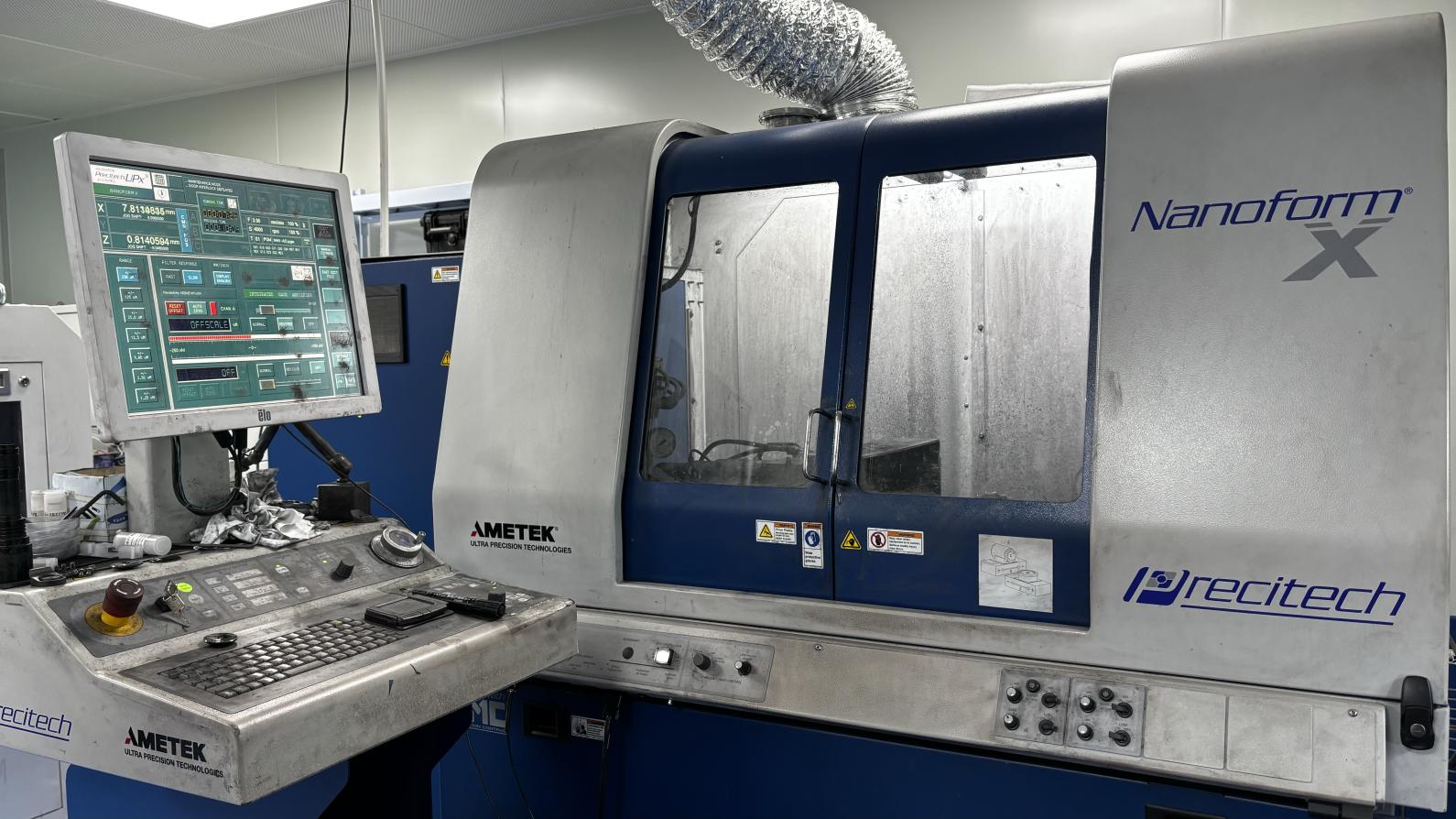
Our ISO 9001:2015 certified production lines run automated optical tests, eye-diagram validations, and thermal stress aging. All components undergo 100% final performance verification on target network switches.
In modern optical networking, the SFP28 form factor is recognized as the natural successor to the SFP+ interface. By keeping the same physical footprint while multiplying data rates by 2.5x, it allows network architects to scale up speed without undergoing expensive, complex chassis re-designs. This shift is highly beneficial for cloud facilities looking to optimize rack density and power efficiency.
As telecom providers expand their high-speed wireless coverage in dense urban regions, 5G and upgraded LTE networks require fast fronthaul infrastructure. SFP28 transceivers supporting 25G eCPRI protocols are critical in links between Baseband Units (BBUs) and Remote Radio Heads (RRHs). By using single-fiber bidirectional (BiDi) SFP28 modules, operators can double fiber utilization, significantly reducing fiber lease and deployment costs.
For financial institutions and large-scale enterprises in Russia, data integrity and low-latency storage access are top priorities. 32G SFP28 Fibre Channel modules provide the high speeds required by modern all-flash storage arrays. These transceivers offer seamless backward compatibility with 16G and 8G FC systems, providing a clear path for future SAN infrastructure upgrades.
When physical fiber laying is limited, wavelength division multiplexing becomes essential. SFP28 CWDM, DWDM, and LWDM solutions enable operators to multiplex multiple high-speed data streams onto a single fiber pair. LWDM (Lan-WDM) is particularly effective for 25G transmission due to its narrow channel spacing, low dispersion, and cost-effectiveness over 40km spans without requiring optical amplification.
Our ISO-certified high-precision assembly lines and optical testing labs ensure high performance and reliability.




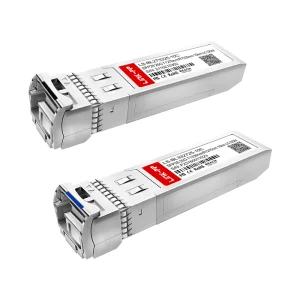
Comprehensive long-haul, WDM, and high-compatibility fiber transceivers designed for challenging physical environments.
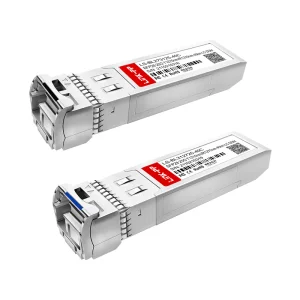
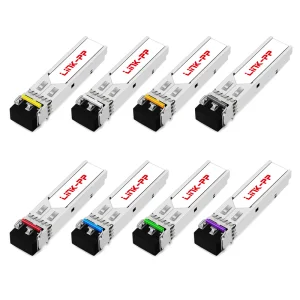
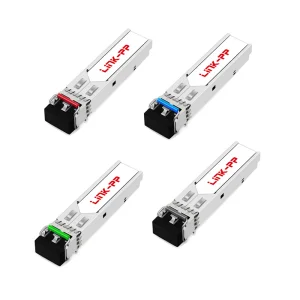
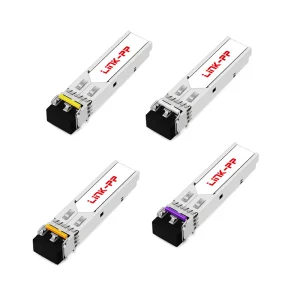
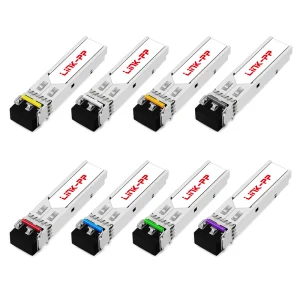
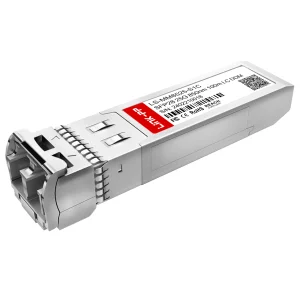
Key technical points to consider when importing high-speed optical transceivers.
The primary point of failure in optical deployments is compatibility. While many switches accept standard MSA-compliant modules, major platforms like Cisco Nexus, Huawei CloudEngine, and Juniper QFX require specific EEPROM signatures. Transolix tests and codes each batch before shipment, matching the exact device specifications of Russian network nodes.
Navigating cross-border shipments requires precise documentation. Transolix provides clean HS Code classifications, declaration invoices, packing lists, and certified testing sheets to support smooth import and customs clearance processes.
We work closely with local network integrators and OEM brands, offering private label packaging, customized firmware engineering, and fast prototyping to help partners bring localized networking equipment to market quickly.
Technical answers to support project engineering and purchasing decisions.
 Transolix