Slovakia, sitting strategically at the heart of Central Europe, has transformed into a high-technology industrial hub. As the world’s leading producer of automobiles per capita, featuring ultra-automated smart factories from Volkswagen, Stellantis, Kia, and Jaguar Land Rover, the country relies heavily on robust industrial communication networks. This high-density industrial environment demands low-latency, EMI-resistant, and thermally hardened optical and copper transceivers to drive automation systems, SCADA frameworks, and edge data processing pipelines.
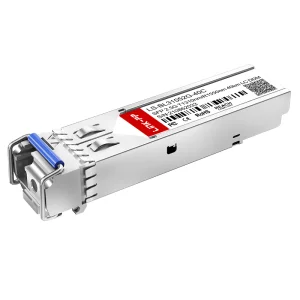
Concurrently, Slovak telecommunication providers (including Slovak Telekom, Orange Slovensko, and O2) are aggressively rolling out fiber-to-the-home (FTTH) and 5G mobile networks. Municipal networks in metropolitan hubs like Bratislava, Košice, Prešov, and Žilina require premium-grade pluggable SFP, SFP+, and QSFP28 modules to aggregate high-speed traffic. Our high-performance bidirectional (BiDi) transceivers and robust interface components are specifically tailored to withstand extreme industrial conditions while maintaining flawless digital integrity.
The global optical communication market is witnessing an unprecedented architectural shift. Driven by cloud computing, AI model training workloads, and regional edge node distribution, standard network speeds are transitioning rapidly. While local enterprises rely heavily on legacy 1.25G and 10G networks for their daily operation, data center backbones are standardizing on 100G, 400G, and next-generation 800G coherent optics. This environment makes compatibility, electrical optimization, and thermal reliability critical parameters.
Under Google's E-E-A-T guideline criteria, true expertise in optical manufacturing requires strict adherence to Multi-Source Agreements (MSAs). Pluggable optical transceivers must be fully compatible with diverse switch fabrics. Our production facility ensures compatibility across over 50 major networking hardware brands (including Cisco, Juniper, HPE Aruba, Mikrotik, Huawei, and Ubiquiti) through software EEPROM customization. Each transceiver undergoes real-system verification in our compatibility testing laboratory, eliminating operational downtime for global network integrators.
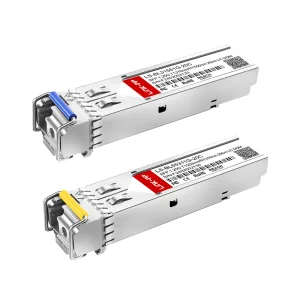
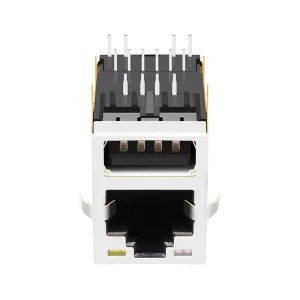
Sourcing optical networking hardware directly from our China-based factories allows European network operators and system integrators to leverage structural manufacturing efficiencies. The Chinese optical communications industrial cluster houses over 80% of the world's upstream supply chains. By situating our manufacturing plants within this tech corridor, Transolix maintains deep cost control over raw materials like optical lenses, TOSA/ROSA components, and advanced PCB circuits.
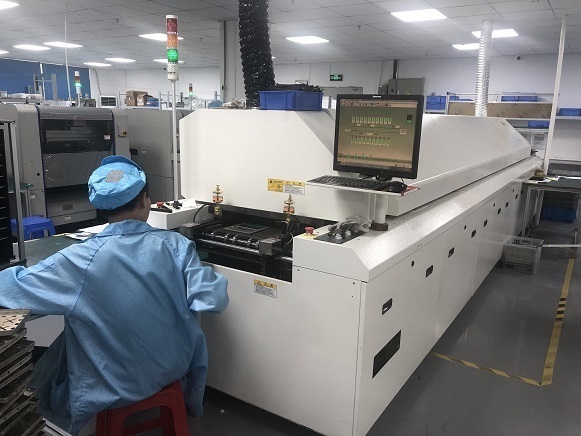
Importantly, this structural efficiency is not achieved by sacrificing quality. Our ISO 9001-certified factory utilizes advanced high-speed SMT assembly lines, automated optical alignment equipment, and specialized nitrogen-purged aging chambers. Every single optical transceiver destined for Slovakia is pre-tested under varying thermal profiles (commercial temperature for enterprise networks, industrial temperature for automotive smart factories) to guarantee a failure rate of less than 0.01% over their service lifetimes.
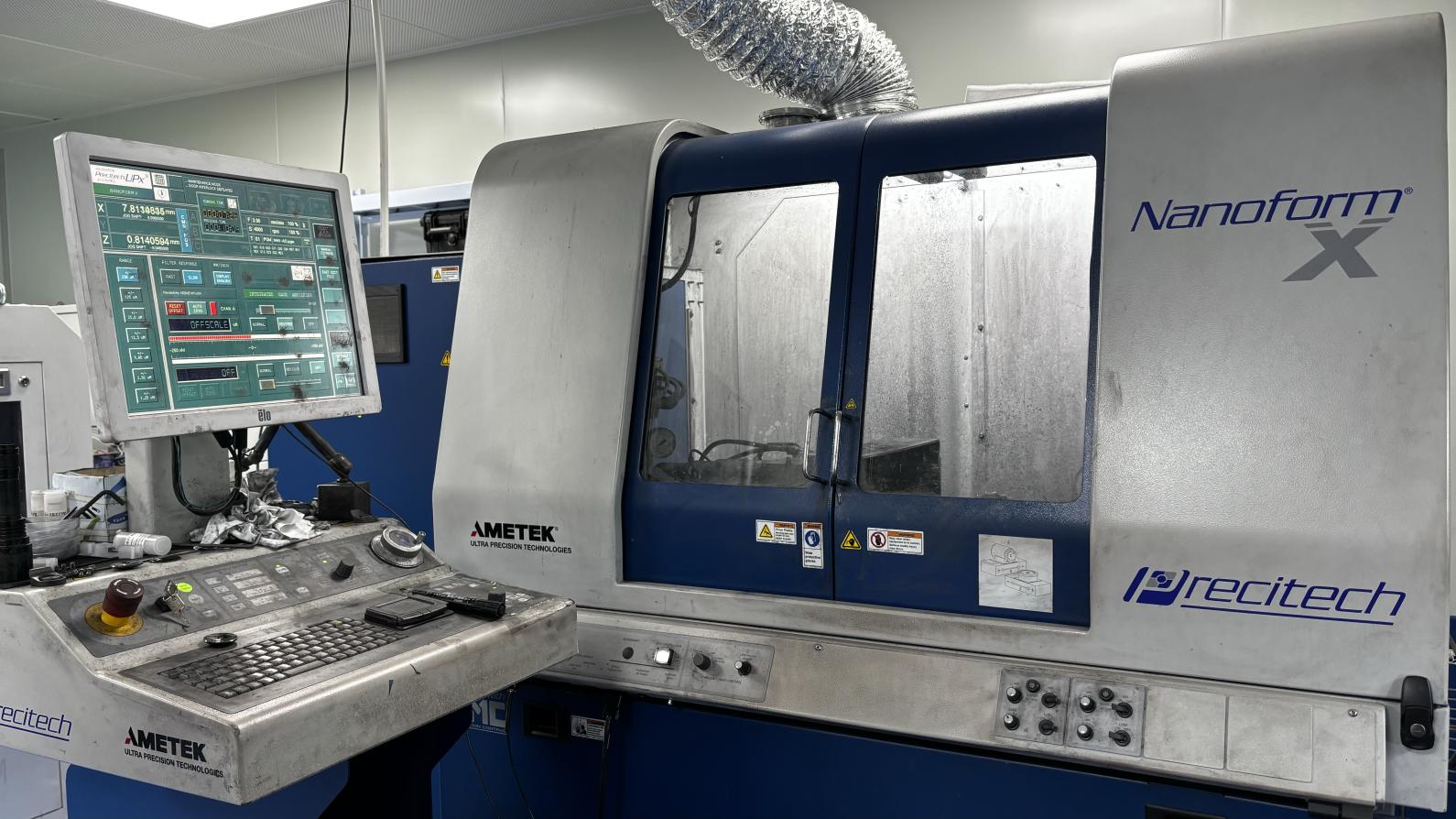
Transolix is a highly specialized optical transceiver manufacturer serving telecom operators, cloud providers, and industrial system integrators worldwide. With 11 years of deep industry experience, we specialize in offering pluggable transceiver modules ranging from legacy 155M speeds to state-of-the-art multi-gigabit coherent formats. Our facilities feature world-class dust-free cleanrooms, optical component alignment systems, and advanced signal integrity testing benches.
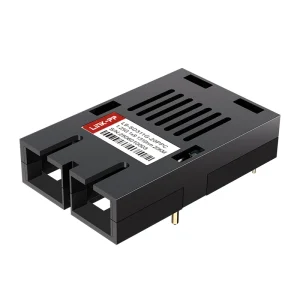
Through our robust supply chain architecture, Transolix provides customized OEM/ODM design options. We support customization for wavelengths (CWDM, DWDM, LAN-WDM), multi-rate optical modules, custom connector configurations (LC/SC/MPO/RJ45), and specialized firmware adjustments to ensure flawless protocol handshakes. Our annual output and robust financial structure ensure large-scale, continuous deliveries to European hubs.
A direct look inside our state-of-the-art cleanroom assembly lines, automated optical testing labs, and high-precision packaging facilities.
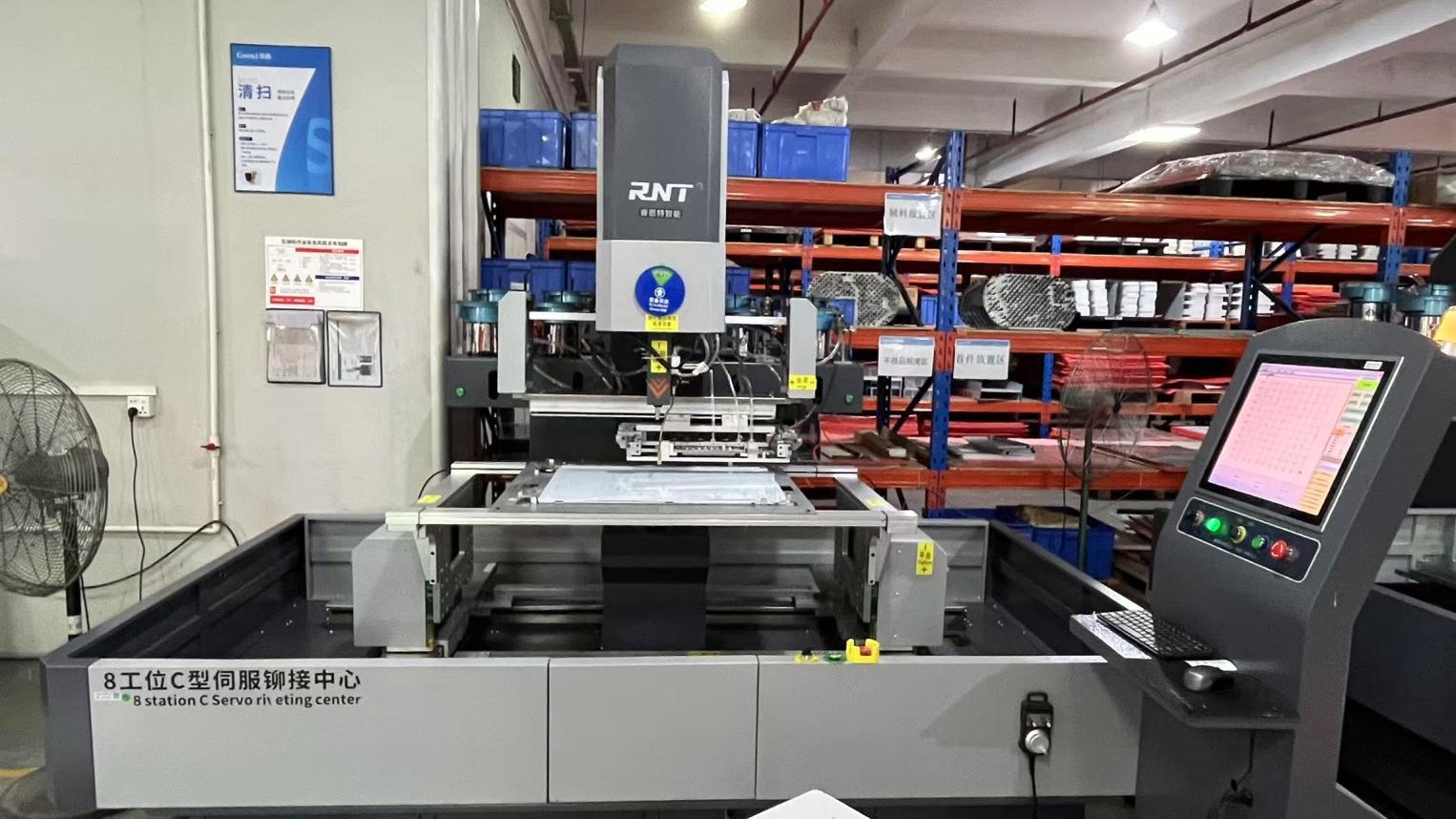

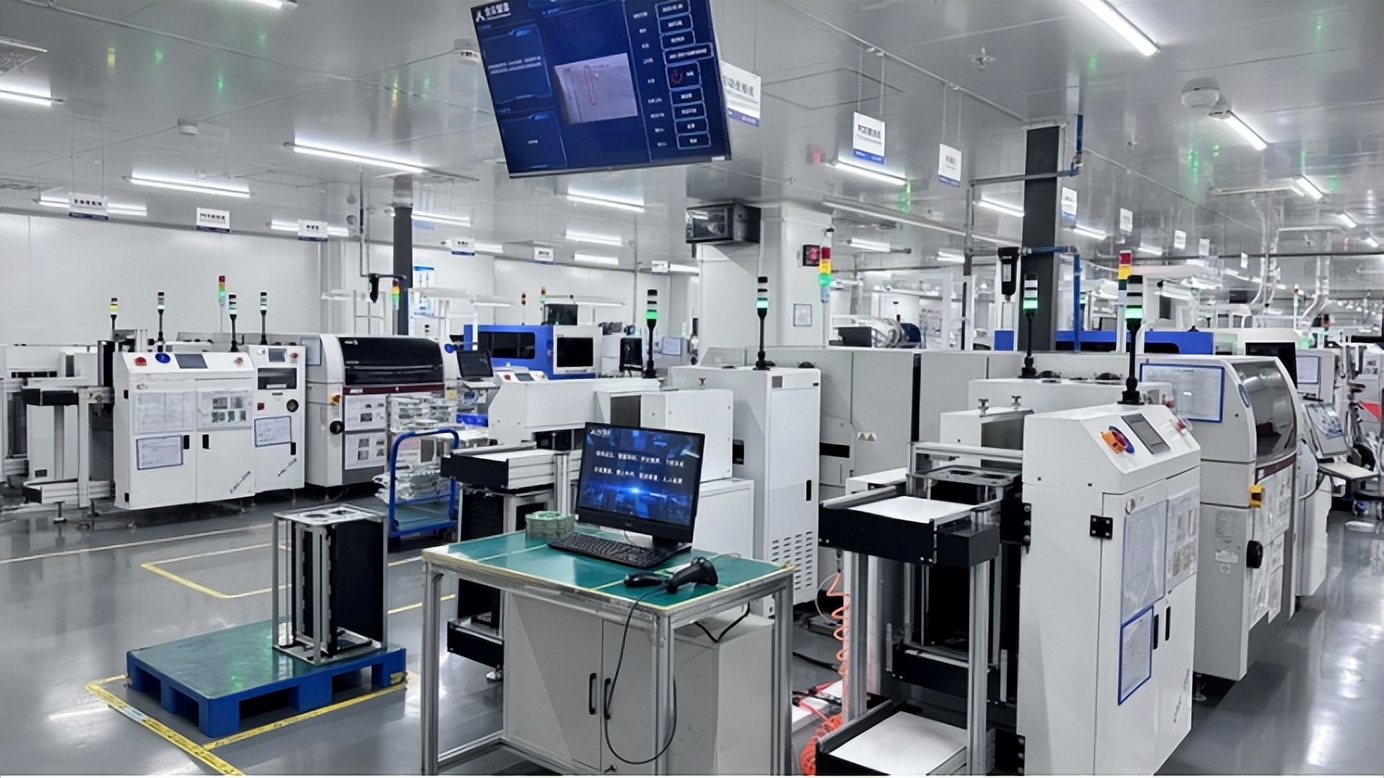

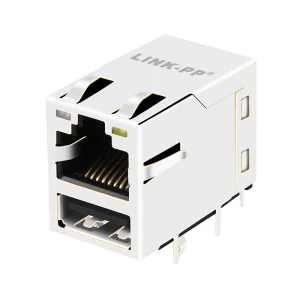
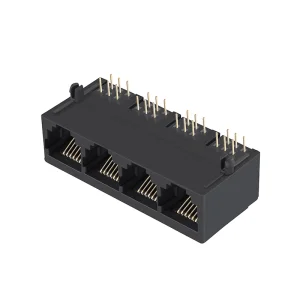
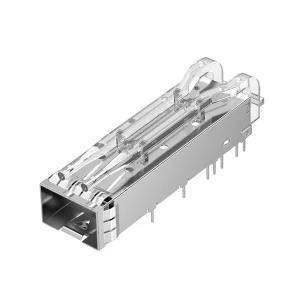
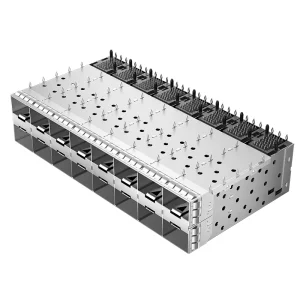
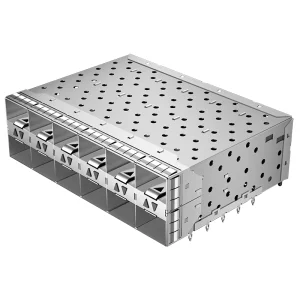
Slovakia’s diverse environment presents distinct physical and electromagnetic challenges. For industrial installations in regions such as Nitra or Trnava, high-power motors and high-voltage power networks generate significant industrial noise. Utilizing standard, unshielded RJ45 modules can lead to frame drops and packet loss. Implementing our EMI-shielded stacked cages (such as SFP+ and SFP28 press-fit cages) ensures stable data channels in noise-heavy industrial control cabinets.
For FTTx telecommunication backbones operating across the Tatra mountains, optical cables are subject to significant seasonal temperature shifts. Commercial-grade transceiver modules will suffer from laser frequency drift under extreme cold. Transolix specializes in industrial-grade transceivers engineered with specialized distributed feedback (DFB) lasers and thermoelectric coolers (TECs) to maintain precise wavelengths from sub-zero winters to hot summers, safeguarding regional network uptime.
| Transceiver Form Factor | Supported Data Rate | Laser / Receiver Type | Ideal Application Scenario in Slovakia | Maximum Transmission Range |
|---|---|---|---|---|
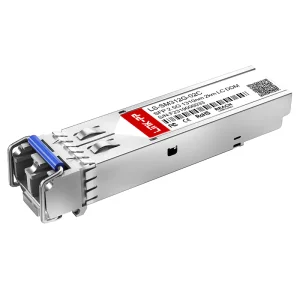
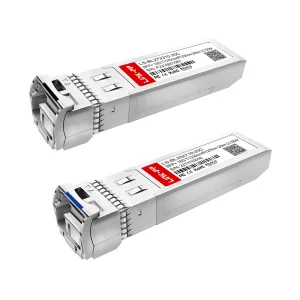
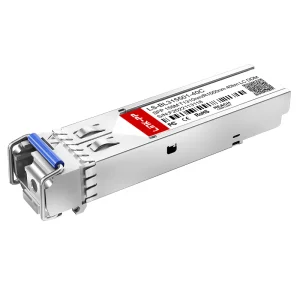
| SFP (Small Form-factor Pluggable) | 1.25 Gbps / 2.5 Gbps | 1310nm FP/DFB / PIN Photo-diode | Municipal FTTH Networks & Regional ISPs | Up to 40 km |
| SFP+ (Enhanced SFP) | 10 Gbps | 1270nm-1330nm DFB / APD (BiDi) | Core Ring Aggregation & Edge Cloud Uplinks | Up to 20 km (Single Fiber) |
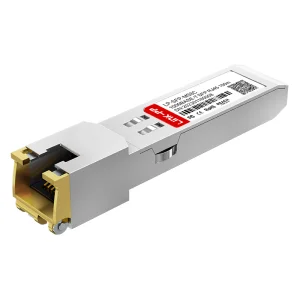
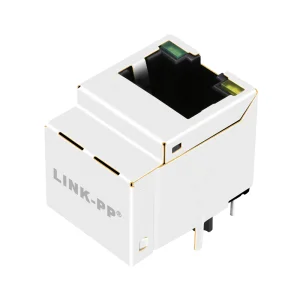
| Copper SFP (RJ45 Interface) | 10/100/1000 Mbps | Integrated PHY Chipset / Copper Line Driver | Automotive Control Panels & Local LAN Racks | 100 meters (Cat5e / Cat6) |
| High-Speed Cages (zSFP+/SFP28) | Up to 28 Gbps per channel | EMI Shielded Stacked Metal Alloy Housing | High-Density Switch Blades & Server Chassis | Direct Attach / Optical Connection |
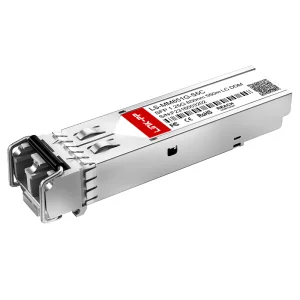
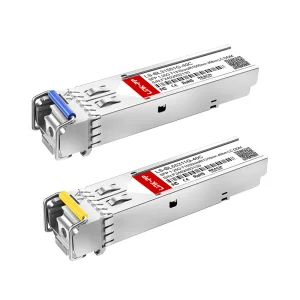
When selecting optical transceivers for mission-critical networks, purchasing teams must analyze parameters beyond simple price points. True cost-of-ownership includes maintenance cycles, power consumption budgets, and compatibility assurance. Key checkpoints for Slovakian and European purchasers include:
Digital Diagnostics Monitoring (DDM) allows network engineers to monitor laser temperature, optical output power, receiver input power, and supply voltage in real-time. This dynamic monitoring helps flag potential fiber line attenuation or degradation before it triggers a network outage.
Ensure you specify either Commercial Temperature (0°C to 70°C) for office and datacenter environments, Extended Temperature (-20°C to 85°C) for industrial corridors, or Industrial Temperature (-40°C to 85°C) for outdoor cabinets and highway monitoring networks.
Many modern switches reject third-party pluggables without the correct vendor identification code stored in the transceiver's internal EEPROM. Transolix programs custom EEPROMs prior to dispatch to ensure plug-and-play operation with your specific switch configuration.
Products imported into Slovakia must strictly conform to EU standards, including CE marking, RoHS hazardous substance compliance, and FCC electromagnetic emissions standards. Transolix provides complete documentation packs with every shipment.
Speak directly with our system engineers today. Whether you require customized coding for specific switches, high-speed test data, or competitive volume pricing, Transolix has you covered.
Send Inquiry Now Transolix