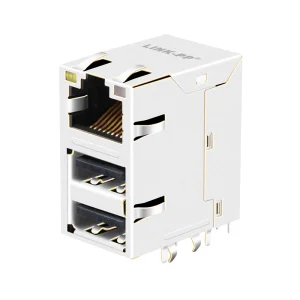
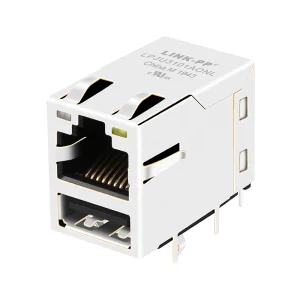
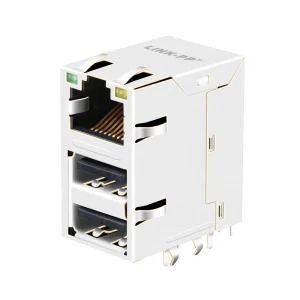
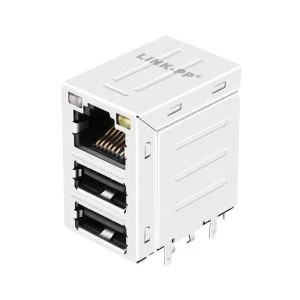
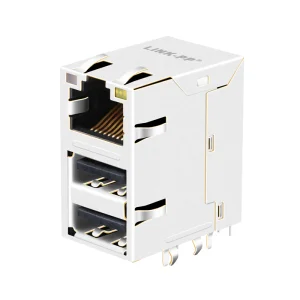
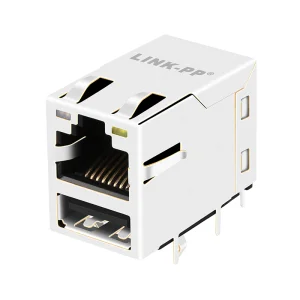
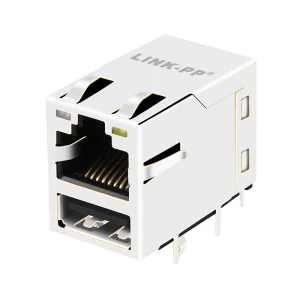
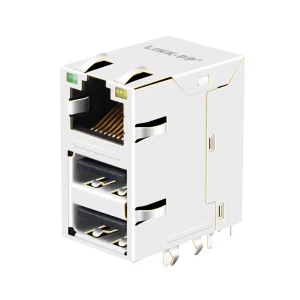
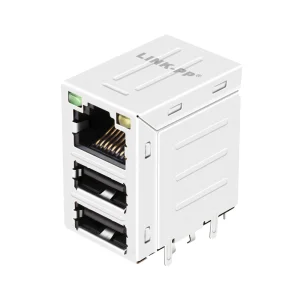
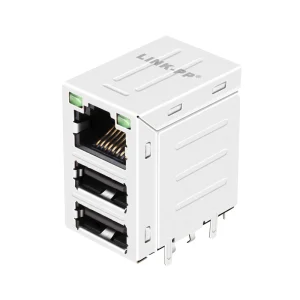
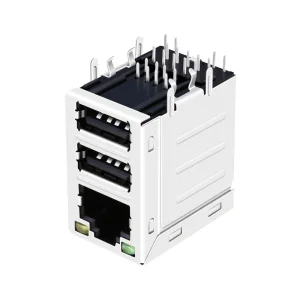
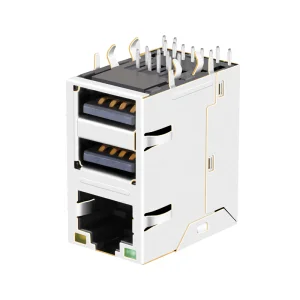
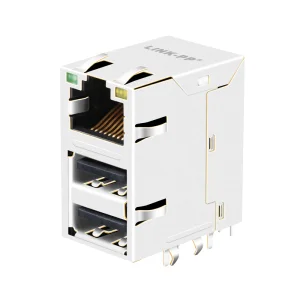
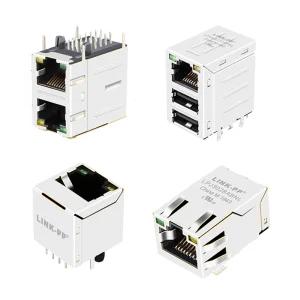
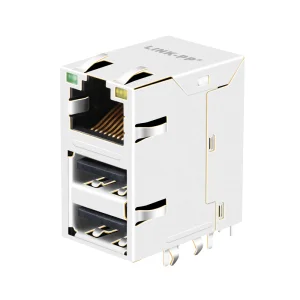
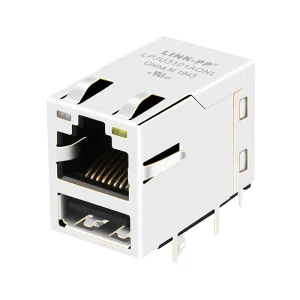
High-speed CAT6 stackable combo connectors and integrated gigabit RJ45 magnetic modules engineered for reliable performance in local government and secure enterprise networks.
As the administrative heart and political capital of Australia, Canberra hosts a unique concentration of government departments, national defense facilities, and research organizations such as the CSIRO and the Australian National University (ANU). These institutions mandate highly secure, robust, and reliable information communications technology (ICT) infrastructures.
The demand for state-of-the-art optical transceivers and modular integrated RJ45 connectors with USB capabilities is driven heavily by the city's secure data centers and the growing network requirements of the Australian Department of Defence and federal agencies. Secure networks require physical-layer connectors that guarantee signal integrity, high-speed throughput, and effective shielding against electromagnetic interference (EMI).
Exploring the migration path towards 800G optical systems, multi-gigabit copper interconnects, and integrated combo connector designs.
The continuous growth of cloud-native computing, AI model training, and Edge computing demands extreme data densities. In the optical transceiver space, the industry is transitioning rapidly from 100G and 200G to 400G and 800G architectures, using advanced modulation schemes like PAM4 and Coherent Optics. For local developers and designers in Canberra, ensuring compatibility with legacy interfaces while supporting next-generation speeds requires components that minimize insertion loss, cross-talk, and signal latency.
Simultaneously, copper-based modular interfaces continue to evolve. The integration of RJ45 connectors with USB ports (Combo or Stacked variants) addresses the physical space constraints of modern server blades, industrial automation controllers, and secure switches. Combining high-speed USB 3.0 (up to 5 Gbps/10 Gbps) and Gigabit Ethernet (1000 Base-T) or 10G Base-T into a single shielded package reduces PCB trace routing complexity, minimizes electromagnetic footprint, and provides robust ESD (Electrostatic Discharge) protection.
Worldwide supply chains are moving toward high-density physical integration and localized safety certifications. The deployment of high-frequency connectors in environments like smart grids, autonomous transport networks, and maritime systems requires modular jacks equipped with integrated magnetics (Magjacks). These components perform internal signal isolation, noise cancellation, and lightning surge protection, matching international IEEE 802.3 Ethernet standards.
A professional optical transceiver and integrated connector manufacturer specializing in high-performance fiber optic communications and localized custom designs.
Transolix is a premium manufacturing partner offering comprehensive solutions for global data centers, telecom operators, and enterprise networks. With deep engineering capabilities, strict quality assurance protocols, and scalable manufacturing facilities, we deliver dependable, ultra-high-speed connectivity products to customers globally, including regional businesses and national systems integrators in Canberra.
Our production facility maintains ISO 9001 certification and adheres strictly to internal reliability protocols designed to exceed Telcordia GR-468 requirements.
Testing Methodologies: 100% final performance verification is performed, including automated optical testing (AOT), high-speed eye diagram analysis, bit error rate (BER) checks, and thermal stress aging tests.

Automated Optical SMT Assembly Line

Signal Integrity Verification Room
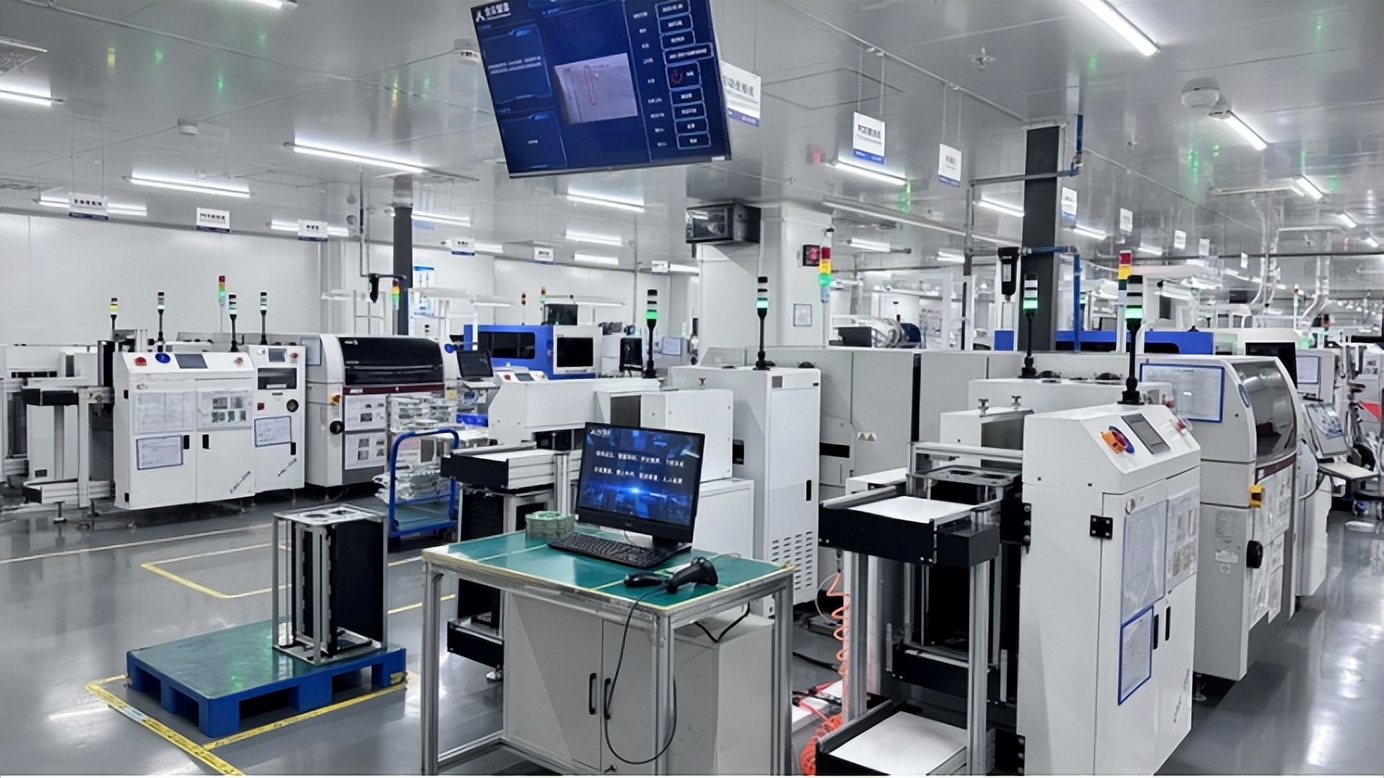
Micro-Optical Coupling & Calibration
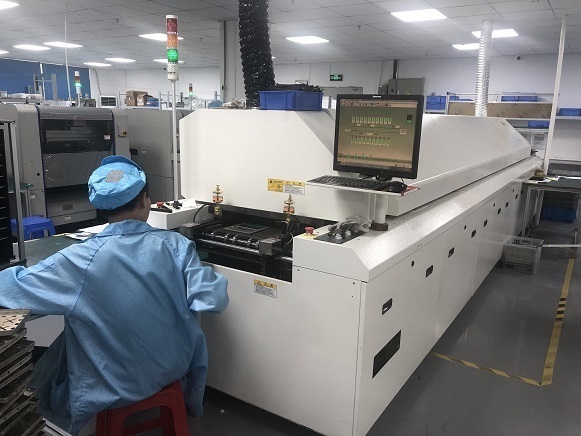
Thermal Cycle Chambers for Industrial Modules

Finished Goods QC Inspection
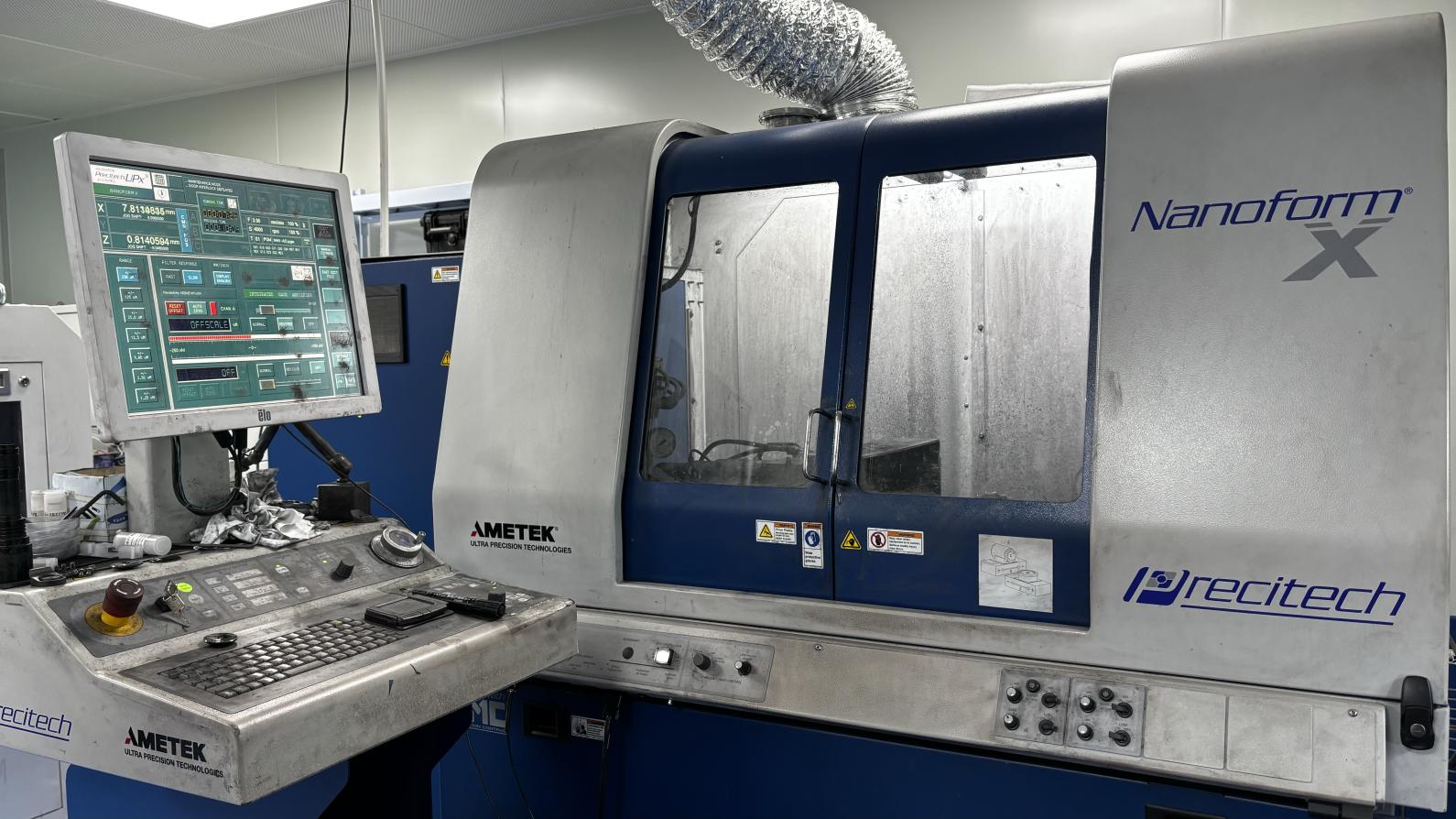
OEM/ODM Customization & Firmware Lab
Leveraging domestic industrial clusters to guarantee stable material supply, quick lead times, and economic advantages for Canberra systems integrators.
Maintaining operational continuity is critical for IT projects in Canberra, where delays can derail federal timelines. Our China-based factory offers an integrated supply network comprising over 860 certified upstream partners. This direct access to domestic silicon foundries, precision metal stampers, optical sub-assembly (OSA) suppliers, and gold-wire bonding equipment manufacturers ensures that Transolix maintains production resilience even during global component shortages.
Our manufacturing model relies on automated visual testing and robotic assembly systems. This dual approach ensures high-volume production output with minimal deviation. From customized SFP+ firmware programming to specialized shell designs for shielded RJ45 and USB stacks, we streamline typical developmental delays. Canberra procurement officers benefit from shortened transit windows, strict quality audits, and low total cost of ownership.
We design and manufacture components to satisfy the electromagnetic compatibility (EMC) guidelines of the Australian Communications and Media Authority (ACMA). Our products carry CE, FCC, RoHS, and RCM markings to streamline local customs clearance and safety certification requirements in Australia.
Complete selection of integrated magnetic RJ45 connectors, dual USB 3.0 stacks, and high-reliability telecom modules.
Technical clarifications on compatibility, custom design capabilities, and testing frameworks for optical modules and RJ45 combo ports.
Get in touch with our engineering team for step-by-step guidance on design integration, firmware matching, and volume-based pricing for Canberra-based applications.
Establish Communication With Our Engineers Transolix